How Often a Bichon Frise’s Ears Should Be Cleaned
As a Bichon Frise parent, you know the frustration of those adorable, fluffy ears. They're soft, they're cute, but they can also be a magnet for trouble, often developing an odor or a persistent itch. It’s a common worry for many of us, trying to figure out the perfect balance between keeping them clean and not overdoing it. This comprehensive guide will walk you through everything you need to know about maintaining your Bichon's ear health, from establishing a routine to spotting potential problems before they become bigger headaches.
The Unique Challenges of Bichon Frise Ears
It might seem like a simple question: "How often should I clean my Bichon's ears?" But the answer isn't as straightforward as you might think. Bichon Frises have a combination of anatomical features and coat characteristics that make their ears particularly susceptible to issues. Understanding these unique challenges is the first step in providing the best care for your furry friend.
Why Bichon Ears Are Prone to Trouble
Unlike breeds with erect ears, your Bichon Frise has beautiful, floppy drop ears. While undeniably cute, this ear structure creates a warm, dark, and often humid environment within the ear canal. Think of it like a tiny greenhouse – perfect for trapping moisture and warmth, which, unfortunately, are the ideal conditions for bacteria and yeast to flourish. When these microorganisms overgrow, it leads to inflammation, itching, and eventually, full-blown infections. It’s a battle many Bichon owners know all too well.
This closed-off environment means that any debris, wax, or even stray hairs that work their way into the canal tend to stay there, unable to fall out naturally as they would with an open, upright ear. This accumulation can act as a breeding ground, kickstarting that familiar cycle of irritation and infection. It's not just about what gets in, but what can't get out.
The Impact of Their Signature Coat on Ear Health
That glorious, non-shedding, powder-puff coat that makes us adore Bichons so much? It's a double-edged sword when it comes to their ears. Bichons have hair not only on the outside of their ears but also growing quite profusely inside the ear canal. This internal hair acts like a net, further trapping wax, dirt, and moisture. It significantly reduces air circulation, compounding the issues caused by their floppy ear structure.
Imagine trying to keep a carpeted, humid room clean and dry – that's essentially what we're dealing with inside a Bichon's ear. This dense hair can also irritate the delicate skin of the ear canal, prompting your Bichon to scratch or shake their head, which can cause micro-traumas and further open the door to infection. This is a critical point that often surprises new Bichon owners, but it’s absolutely key to understanding why ear care is such a persistent part of What a Bichon Frise Needs Every Day.
Establishing a Healthy Ear Cleaning Schedule
So, with all these challenges, what's the magic number for ear cleaning frequency? There isn't one universal answer, as every Bichon is an individual. However, we can establish a baseline and then adjust based on your dog's specific needs and any signs they might be showing.
Baseline Frequency for Healthy Bichons
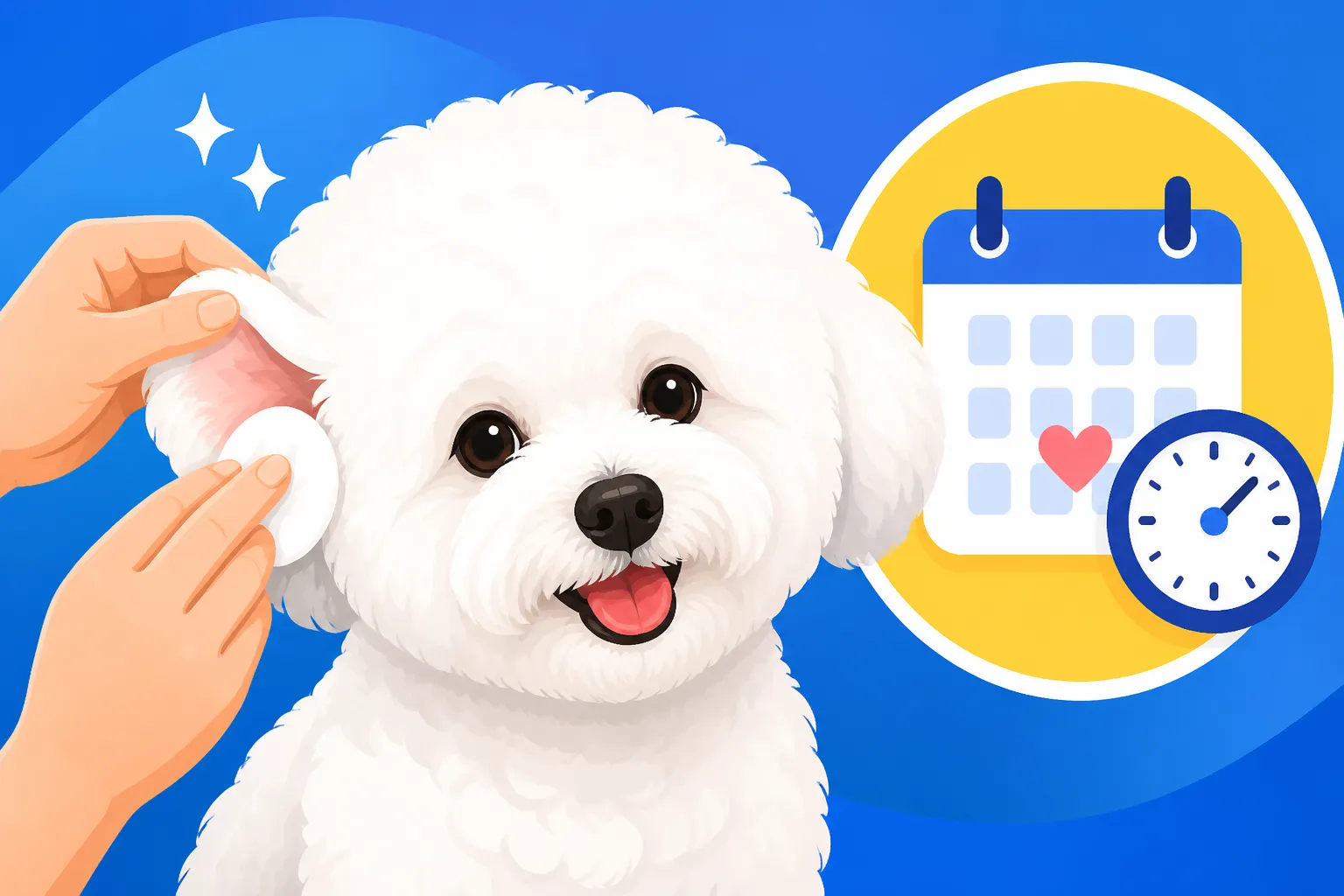
For a Bichon Frise with generally healthy, problem-free ears, a routine check and gentle cleaning once a week is often recommended. This regular attention helps prevent issues before they start. During this weekly check, you're not necessarily doing a deep clean every time. Instead, you're looking, sniffing, and doing a light wipe of the outer ear flap and the visible parts of the ear canal. If everything looks clean, smells neutral, and shows no signs of redness or irritation, a simple wipe might be all that's needed.
The goal here is proactive maintenance. It’s like brushing their teeth – you do it regularly to prevent plaque buildup, not just when there's a problem. This consistent, gentle approach allows you to stay on top of wax accumulation and moisture levels, interrupting the cycle that can lead to more serious conditions. Think of it as part of their regular grooming routine, just like brushing their coat. You can easily integrate it into your weekly pampering session.
Factors That Increase Cleaning Needs
Some Bichons, unfortunately, will require more frequent ear care. Several factors can push your cleaning schedule from weekly to several times a week, or even daily in some cases (under veterinary guidance, of course).
- Allergies: This is a huge one for Bichons. If your dog suffers from What Atopic Dermatitis Does to a Bichon Frise or food allergies, their ears are often one of the first places to show irritation. Allergic reactions cause inflammation, which leads to increased wax production and a compromised skin barrier in the ear, making them ripe for secondary infections. In these cases, your vet might recommend specific ear cleansers or more frequent cleaning, especially during allergy season or after an allergic flare-up.
- Swimming or Baths: Any time your Bichon gets their ears wet, whether from a bath, a swim, or even playing in the rain, the moisture trapped inside significantly increases the risk of infection. Always dry their ears thoroughly after they get wet, and consider a post-wetness cleaning to help absorb any lingering moisture and restore a healthy ear environment.
- Activity Level and Environment: Bichons who spend a lot of time outdoors, especially in dusty or dirty environments, or who love to roll in things they shouldn't (we've all been there!), will naturally accumulate more debris in their ears. More outdoor adventures often mean more frequent ear checks and potential cleanings.
- Past History of Ear Infections: If your Bichon has a history of Recurrent Ear Infections in a Bichon Frise, they are statistically more likely to get them again. This might mean your vet recommends a more rigorous cleaning schedule as a preventative measure, perhaps even with medicated cleansers tailored to their specific historical issues.
Signs Your Bichon Needs Immediate Ear Attention
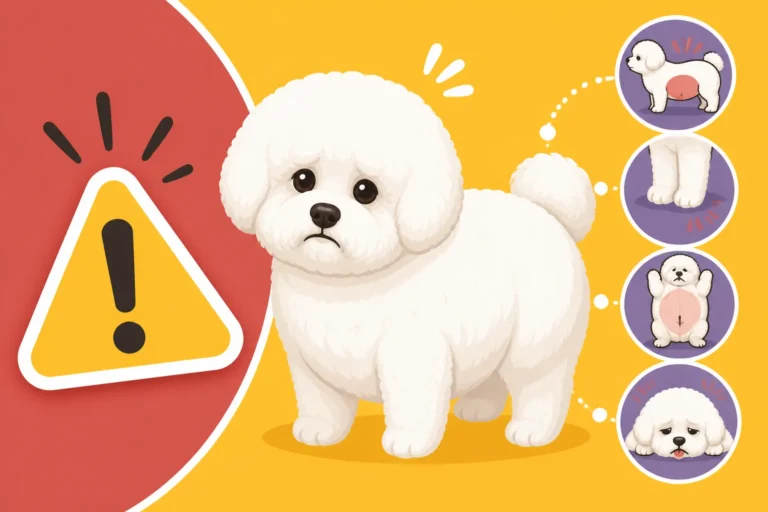
Beyond the regular schedule, your Bichon will often give you clues that their ears need more immediate attention. These signs shouldn't be ignored, as they can indicate the start of an infection or other painful condition.
- Excessive Scratching or Head Shaking: This is often the most obvious sign. If your Bichon is constantly pawing at their ears, rubbing their head along the carpet or furniture, or shaking their head with more vigor than usual, it’s a red flag.
- Redness or Swelling: Gently lift your Bichon’s ear flap and look at the visible part of the ear canal. Is it pinker than usual? Red? Swollen? Compare it to the other ear if only one seems affected.
- Odor: Healthy ears should have a very mild, neutral smell. If you detect a strong, yeasty, or foul odor coming from the ear, it's a clear indicator of bacterial or yeast overgrowth.
- Discharge: Look for any unusual discharge. This could be dark brown, black, yellow, or greenish, and might have a waxy, sticky, or pus-like consistency.
- Pain or Sensitivity: If your Bichon flinches, yelps, or acts aggressively when you touch their ear, they are likely experiencing pain. This is a definite sign to contact your vet.
- Changes in Behavior: Sometimes, a dog in discomfort might just seem a little "off." They might be more lethargic, less playful, or lose their appetite. If you notice any subtle changes along with ear issues, don't hesitate to seek professional advice.
The Step-by-Step Guide to Cleaning Your Bichon's Ears
Once you've determined a suitable cleaning frequency, knowing how to clean them correctly is paramount. The goal is to be effective without causing irritation or pushing debris further into the ear canal.
Gathering Your Gentle Ear Cleaning Arsenal
Before you begin, gather everything you'll need. This ensures a smooth process and less stress for both you and your Bichon.
- Veterinary-Approved Ear Cleaner: This is non-negotiable. Do not use water, rubbing alcohol, hydrogen peroxide, or any other homemade concoction. A good ear cleaner is pH-balanced for dogs, non-irritating, and designed to break down wax and debris. Your vet can recommend a suitable brand, or you can find reputable options on sites like Chewy or Amazon. Look for cleansers specifically formulated for routine maintenance or for sensitive ears.
- Cotton Balls or Gauze Pads: These are essential for wiping. Avoid cotton swabs (Q-tips) for inside the ear canal, as they can push debris deeper or damage delicate structures. You can use cotton swabs for the folds of the outer ear only.
- Towels: Have a towel handy. Cleaning ears can sometimes be a bit messy, and your Bichon might shake their head, sending cleaner flying!
- Treats: Positive reinforcement is key! Make this a positive experience with plenty of praise and tasty rewards. Teaching a Bichon Frise to Accept Ear Treatment starts with making it enjoyable.
The Safe and Effective Cleaning Process
Here’s a step-by-step breakdown of how to clean your Bichon's ears safely and effectively:
- Get Comfortable: Find a quiet, well-lit spot where both you and your Bichon are comfortable. Have your treats ready! You might sit on the floor, or if your Bichon is small enough and cooperative, have them on your lap or a grooming table.
- Inspect the Ear: Gently lift the ear flap. Take a moment to look for any redness, swelling, discharge, or foul odor. This initial inspection helps you decide if cleaning is appropriate or if a vet visit is needed.
- Apply the Cleaner: Hold the ear flap up and carefully insert the tip of the ear cleaner bottle into the ear canal. Don't push it in too far – just enough to get the nozzle into the opening. Squeeze the bottle to fill the ear canal with the solution. You'll hear a squelching sound as the liquid goes in. Use the amount recommended on the product label, which is often a generous squeeze.
- Massage the Base of the Ear: This is a crucial step! Gently massage the base of your Bichon's ear for about 20-30 seconds. You should hear a satisfying "squishy" sound, which means the cleaner is working its way down and breaking up wax and debris. This massage also helps spread the solution effectively.
- Allow Your Bichon to Shake Their Head: Let go of their ear and stand back! Your Bichon will likely want to shake their head vigorously, and this is exactly what you want. The shaking helps dislodge the cleaner and the loosened debris from deeper within the ear canal.
- Wipe Away Excess: After the head shake, use a fresh cotton ball or gauze pad to gently wipe away any visible cleaner, wax, and debris from the outer ear flap and the entrance to the ear canal. Remember, only clean what you can see. Do not probe deeply into the ear canal with your fingers or a cotton swab.
- Repeat (if necessary) and Reward: If the ears are particularly dirty, you might repeat the process with a fresh application of cleaner and new cotton balls until the cotton comes out relatively clean. Always finish with lots of praise and a well-deserved treat to reinforce a positive association with ear cleaning.
Common Mistakes to Avoid During Ear Cleaning
Even with the best intentions, it's easy to make mistakes that can harm your Bichon's ears or make future cleanings more difficult.
- Using Cotton Swabs (Q-tips) in the Ear Canal: This is perhaps the most common and dangerous mistake. Cotton swabs can push wax and debris further down the ear canal, creating impactions that are harder to remove. Worse, you could accidentally rupture the eardrum or cause injury to the delicate ear structures. Save cotton swabs for external folds only.
- Over-Cleaning: While important, excessive cleaning can strip the ear of its natural protective oils and potentially cause irritation. Stick to your established schedule, adjusting only if your vet advises or if signs of trouble emerge. A healthy ear generally regulates itself, and too much interference can sometimes backfire.
- Using Improper Cleaners: As mentioned, avoid household products. They can be too harsh, disrupt the ear's pH balance, or cause chemical burns. Always use a cleaner specifically designed and approved for canine ears. When in doubt, ask your veterinarian for a recommendation.
- Ignoring Signs of Infection: If you see any red flags – strong odor, excessive redness, pain, or thick discharge – do not just try to clean it away. These are signs of an active infection that requires veterinary attention and possibly prescribed medication. Cleaning an infected ear without proper medication can delay healing and cause your dog unnecessary discomfort.
Beyond Cleaning: Holistic Ear Health Strategies
Ear cleaning is a vital part of Bichon Frise care, but it's just one piece of the puzzle. A holistic approach to ear health involves addressing underlying factors and incorporating preventative measures into your routine.
The Role of Grooming and Hair Plucking (or not)
The hair inside a Bichon's ear canal is a significant factor in their predisposition to ear problems. This brings up the topic of ear hair plucking. Some groomers and owners regularly pluck this hair, believing it improves air circulation and reduces debris trapping. However, there's a debate on this.
Some veterinarians argue that plucking can cause micro-traumas to the delicate skin lining the ear canal, leading to inflammation and actually increasing the risk of infection. Other vets recommend it for dogs with very dense ear hair and recurrent infections, believing the benefits outweigh the risks.
Here's my realistic take:
- Consult your vet: This is the most important step. Discuss your Bichon's specific ear health history and the density of their ear hair with your veterinarian. They can offer personalized advice.
- If plucking, do it carefully: If you or your groomer decide plucking is beneficial, it must be done gently and correctly, often using specific ear powder to aid grip and reduce pain. Over-plucking or aggressive plucking can cause more harm than good.
- Consider trimming: For some Bichons, simply keeping the hair around the opening of the ear canal neatly trimmed, rather than plucked, can be enough to improve airflow without irritating the inner canal. Your groomer can advise on Whether a Bichon Frise's Ear Hair Needs Plucking for your specific dog.
Regular grooming, especially for a Bichon, also involves keeping the external ear flaps clean and dry. Mats behind the ears can pull on the skin, causing irritation that extends into the ear canal. Ensure your groomer pays attention to this area during routine trims.
Addressing Underlying Issues Like Allergies
As touched on earlier, allergies are a massive contributor to chronic ear infections in Bichon Frises. If you're constantly battling ear issues despite regular cleaning, it's time to dig deeper into potential allergy triggers. It's often not just about external allergens, but also food sensitivities.
- Environmental Allergies: Just like humans, dogs can be allergic to pollen, dust mites, and molds. These can manifest as itchy skin all over, including the ears. Managing environmental allergies might involve antihistamines, regular bathing with medicated shampoos (like Whether Medicated Baths Control a Bichon Frise's Infections), or even immunotherapy.
- Food Allergies: Sometimes, the culprit isn't what's in the air, but what's in their bowl. Food allergies can cause systemic inflammation that leads to chronic ear infections. Identifying a food allergy usually involves a strict elimination diet under veterinary supervision. This means feeding a novel protein or hydrolyzed protein diet for several weeks to see if symptoms improve. Brands like Ollie, which offers fresh, limited-ingredient diets, might be discussed as part of such a trial, though prescription diets are usually the starting point for true elimination. Once the allergen is identified, avoiding it for life is key. You can learn more about this in Whether a Bichon Frise's Itching Is Food or Pollen.
Working with your vet to identify and manage these underlying allergic conditions can dramatically reduce the frequency and severity of your Bichon's ear problems. It's about treating the root cause, not just the symptom.
Diet and Its Potential Influence on Ear Health
While directly preventing ear infections through diet isn't a guaranteed solution, a balanced, high-quality diet plays a foundational role in overall health, including skin and coat health, which indirectly impacts the ears.
- High-Quality Ingredients: A diet rich in essential fatty acids (like Omega-3s) can help maintain a healthy skin barrier, reducing inflammation and making the skin less reactive to allergens. Look for foods that list quality meat sources as the primary ingredients.
- Avoiding Known Allergens: If your Bichon has diagnosed food allergies or sensitivities, sticking strictly to a diet that excludes those ingredients is paramount. Even small amounts of an offending ingredient can trigger a flare-up that leads to ear trouble. For dogs with specific dietary needs, your vet might recommend a therapeutic diet available through vet clinics or online retailers like Chewy.
- Hydration: While not directly tied to ear health, good hydration is essential for overall bodily functions. Ensuring your Bichon drinks enough water helps maintain healthy mucous membranes throughout the body.
It's important to remember that diet is a supporting player. It won't cure a bacterial ear infection, but a healthy diet can contribute to a stronger immune system and a more resilient skin barrier, making your Bichon less susceptible to recurring issues in the first place.
When to Call the Vet: Recognising Serious Ear Problems
Knowing when to call in the professionals is just as important as knowing how to clean. Sometimes, even with the best preventative care, ear problems can escalate quickly. Delaying veterinary attention can lead to more serious, painful, and harder-to-treat conditions.
Telltale Signs of an Ear Infection
We've touched on some red flags, but let's be crystal clear about what usually signals an active ear infection requiring a vet visit:
- Persistent Odor, Redness, and Discharge: If you've been cleaning as usual, but the smell persists, the ear remains red, or there's an ongoing, noticeable discharge that doesn't clear up after a day or two, it's highly likely an infection is present. This is particularly true if the discharge is yellowish, green, or looks like pus.
- Pain and Sensitivity: Any yelping, growling, flinching, or outright aggression when you try to examine or clean your Bichon's ear is a strong indication of pain. Your dog is trying to tell you it hurts.
- Swelling of the Ear Flap (Aural Hematoma): Sometimes, vigorous head shaking due to intense itchiness or pain can cause blood vessels within the ear flap to rupture, leading to a swollen, fluid-filled pocket on the ear flap itself. This is called an aural hematoma and requires immediate veterinary attention, often surgical intervention.
- Head Tilt or Balance Issues: In very severe or deep-seated ear infections, especially those affecting the middle or inner ear, your Bichon might develop a persistent head tilt, walk in circles, or show signs of dizziness or loss of balance. These are neurological signs and represent a very serious condition.
- Loss of Hearing: While harder to spot in early stages, a severe ear infection or chronic inflammation can sometimes lead to temporary or permanent hearing loss in the affected ear.
If you observe any of these symptoms, skip the home cleaning remedies and contact your veterinarian immediately. They will use an otoscope to examine the ear canal thoroughly, often take a sample for cytology (to identify bacteria or yeast), and prescribe appropriate medication.
Persistent Issues and Specialist Referrals
What happens if your Bichon keeps getting ear infections, even with diligent cleaning and veterinary treatment? This is incredibly frustrating for owners, and it’s when your vet might suggest a referral to a veterinary dermatologist.
- Chronic Ear Problems: If your Bichon has recurrent ear infections (e.g., three or more episodes within a year) or if an infection is proving particularly stubborn to clear, it indicates an underlying problem that isn't being fully addressed. This is where a specialist can offer a fresh perspective and more advanced diagnostic tools. You might want to review How Often a Bichon Frise Ends Up at the Vet for Ears to understand the prevalence of such issues.
- Advanced Diagnostics: A veterinary dermatologist has specialized equipment and expertise to perform more in-depth diagnostics. This might include:
- Video otoscopy: Using a tiny camera to visualize the ear canal and eardrum in detail, which can reveal foreign bodies, tumors, or severe blockages.
- Culture and sensitivity testing: Sending ear discharge samples to a lab to identify specific types of bacteria and determine which antibiotics will be most effective.
- Allergy testing: More comprehensive testing to pinpoint environmental or food allergens that are driving the ear issues.
- Biopsies: In rare cases, if growths or unusual tissues are found.
- Specialized Treatments: Dermatologists can also offer more specialized treatments, such as custom-compounded ear medications, long-term allergy management plans (like immunotherapy shots), or even surgical options for chronic, end-stage ear disease.
Understanding that some Bichons require this level of specialized care can be a relief, as it means there are still options when routine treatments aren't enough. It's an investment in your dog's long-term comfort and health.
Bichon Frise Ear Cleaning Frequency Guide
Here's a quick summary to help you determine the best approach for your Bichon:
| Ear Condition | Recommended Cleaning Frequency | Notes |
|---|---|---|
| Healthy Ears | Once a week | Regular checks, gentle wiping of outer ear and canal entrance. Focus on prevention and basic hygiene. |
| Post-Water Exposure | Immediately after exposure | After baths, swimming, or heavy rain. Use a drying solution or gentle wipe to absorb moisture. |
| Mild Wax Buildup | 2-3 times a week (short term) | If you notice slightly more wax than usual, a few extra cleanings can help. Stop if irritation occurs. |
| Allergy-Prone Ears | 2-4 times a week (as needed) | During allergy season or flare-ups, consult your vet for specific cleaner recommendations. Often involves managing underlying allergies. |
| Suspected Infection | DO NOT CLEAN – CALL VET | Any signs of pain, strong odor, redness, swelling, or discharge mean a vet visit is needed for diagnosis and prescribed treatment. Cleaning can push infection deeper. |
| Chronic Issues | As directed by vet/specialist | May require daily cleaning with medicated solutions, or a different approach recommended by a veterinary dermatologist. |
Remember, this table is a guide. Always tailor your routine to your individual Bichon and consult your veterinarian with any concerns.
Disclaimer
This article is for general informational purposes only and does not constitute professional advice. Laws, prices and regulations vary by location and change over time. Consult a qualified professional for guidance on your specific situation.