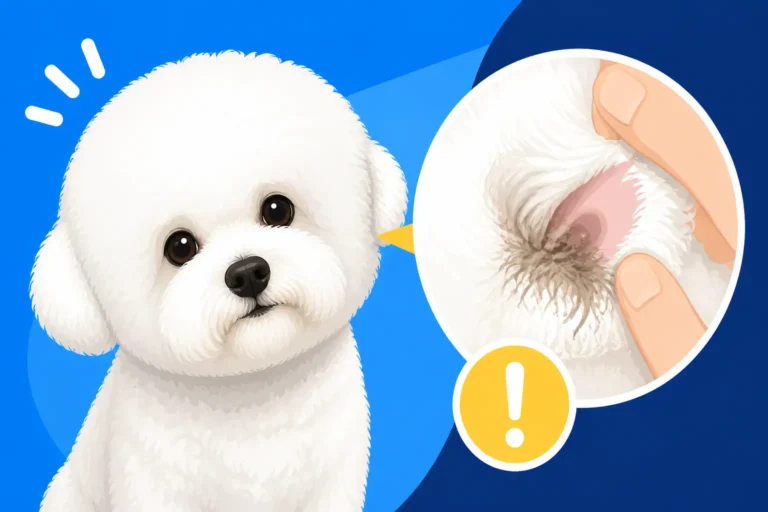
How Often a Bichon Frise Needs a Full Groom
If you're a Bichon Frise parent, you know that their glorious, cloud-like coat is both their crowning glory and a significant commitment. Many new owners, and even some seasoned ones, find themselves constantly asking: "How often does my Bichon Frise really need a full professional groom?" This question stems from the very real struggle of maintaining that pristine white fluff, which can quickly turn into a matted mess if not cared for diligently. This guide aims to clear up the confusion, diving deep into what a full groom truly entails, the critical factors that dictate frequency, and how to keep your beloved companion looking and feeling their absolute best.
Understanding the Bichon Frise Coat: Why Regular Grooming is Non-Negotiable
The Bichon Frise coat is a marvel, a true signature of the breed. But what makes it so distinctive is also what makes it so demanding when it comes to grooming. It's not just "fluffy"; it has a specific structure that requires consistent attention to prevent serious issues. Ignoring this unique coat type is like trying to drive a luxury car without regular oil changes – it might look fine for a bit, but problems are brewing under the surface.
The Unique Double Coat and Its Challenges
Unlike many other breeds with single coats or seasonal shedding patterns, the Bichon Frise boasts a dense, curly double coat. This isn't the kind of coat that sheds visibly all over your furniture, which is often a big draw for people with allergies. Instead, their fine, soft undercoat and coarser outer coat intertwine and grow continuously. Think of it like a permanent sweater that just keeps getting longer and thicker.
This continuous growth, coupled with the hair not falling out naturally, means that any loose hair gets trapped within the existing coat. As your dog moves and plays, these trapped hairs, along with environmental debris and natural oils, begin to knot and tangle. If left unaddressed, these small tangles quickly escalate into tight, painful mats that pull on the skin and can become a serious health hazard. It's a never-ending battle, but one that's crucial for your Bichon's comfort and well-being.
Why Shedding (or Lack Thereof) Leads to Matting
The common misconception is that a dog that doesn't shed much is a low-maintenance dog. For the Bichon Frise, it's quite the opposite. Their minimal shedding is precisely why their coat demands such frequent attention. When other dogs shed, the old hair falls out, making way for new growth and preventing buildup. A Bichon's dead hair, however, stays put, clinging to the healthy strands.
Imagine wearing a sweater woven from fine, curly wool, and then never washing or brushing it, allowing all the shed fibers and dust to remain permanently embedded. That's what happens to a Bichon's coat. Every time they roll on the carpet, play in the yard, or even just sleep, new tangles form and old ones tighten. Without regular brushing to remove these trapped hairs and prevent knotting, matting is inevitable, and once it starts, it can be incredibly difficult, and sometimes impossible, to undo without shaving.
The "Hypoallergenic" Myth and Grooming
Bichon Frises are often touted as "hypoallergenic," which is a huge relief for many allergy sufferers. While it's true they tend to cause fewer allergic reactions than many other breeds, it's important to understand what "hypoallergenic" actually means. It doesn't mean they produce no allergens; it means they produce less dander (tiny flakes of skin) and shed less hair, which are the primary triggers for allergies.
However, this lower shedding still doesn't negate the intense grooming requirements. In fact, it reinforces them. The dander that is produced can get trapped in their dense coat, along with other environmental allergens like pollen, dust, and mold spores. Regular bathing and thorough brushing during grooming help to remove these trapped allergens, making the dog even more "allergy-friendly" and keeping both your Bichon and your household healthier. Whether a Bichon Frise Is Truly Hypoallergenic and Whether Dander Rather Than Hair Is the Trigger are crucial topics for any prospective owner.
Defining a "Full Groom" for Your Bichon
When we talk about a "full groom" for a Bichon Frise, we're not just talking about a quick wash and trim. It's a comprehensive service designed to maintain the breed's signature look, ensure their comfort, and address essential hygiene and health checks. Understanding what this involves helps you appreciate the skill and time a professional groomer dedicates to your furry friend.
What Happens During a Professional Full Groom
A full groom for a Bichon Frise is an elaborate process, often taking several hours, depending on the dog's coat condition and temperament. It typically begins with a thorough pre-brushing to remove any loose hair and surface tangles, making the subsequent bath more effective. Then comes the bathing, usually involving multiple shampoos – often a clarifying wash followed by a whitening or conditioning shampoo to keep that brilliant white coat pristine. Which Shampoo Keeps a Bichon Frise White is a common question, and groomers often have their go-to products.
After the bath, the drying process is critical. A high-velocity dryer is used to blow out water and remaining loose hair, while the groomer meticulously brushes the coat to ensure it's completely straight and tangle-free. This "fluff drying" is what creates the iconic "powder puff" look. Once completely dry, the trimming begins. This is usually done with scissors to achieve the soft, rounded contours that define the breed's standard. From the round head to the neatly trimmed paws and tail, every detail is carefully sculpted. The Powder Puff Outline a Bichon Frise Is Scissored Into describes this artistry perfectly.
Beyond the Fluff: Health Checks Included
Beyond making your Bichon look fabulous, a professional full groom also serves as a crucial health check. During the extensive brushing, bathing, and drying, groomers are uniquely positioned to spot potential issues that might go unnoticed by owners in their daily routine. They'll check for skin irritations, redness, bumps, or parasites like fleas and ticks. Whether a Bichon Frise Gets Yeast on Its Skin is a common issue they might spot.
Ear cleaning is another vital part of the process, as Bichons are prone to ear infections due to hair growth deep within the ear canal. Groomers often pluck excess ear hair and clean the ear canals thoroughly. Nail trimming is also included, preventing painful overgrowth and potential foot problems. Many groomers will also express anal glands if needed, although this is sometimes done by a vet. Essentially, a full groom is a nose-to-tail wellness check in a pampering package.
Understanding the "Powder Puff" Standard
The term "powder puff" isn't just a cute descriptor; it's the official breed standard for the Bichon Frise's trim. This distinctive style emphasizes their natural curls, creating a soft, rounded appearance that resembles a cotton ball or, indeed, a powder puff. Achieving this look requires significant skill and patience, predominantly using scissors rather than clippers. Why a Groomer Scissors a Bichon Frise Instead of Clipping It is a testament to this technique.
A groomer aiming for the standard will carefully sculpt the body, blending the coat seamlessly, while giving special attention to the perfectly rounded head and face. The tail is trimmed to curve gracefully over the back, and the feet are rounded, creating a tidy, plush appearance. While some owners opt for a simpler "pet trim" where the coat is kept shorter for easier maintenance, a true full groom aims to uphold this iconic and beautiful breed standard. Whether a Pet Trim Suits a Bichon Frise depends on owner preference and lifestyle, but it often deviates from the traditional "powder puff."
Factors Influencing Grooming Frequency
Determining how often your Bichon Frise needs a full groom isn't a one-size-fits-all answer. Several factors play a significant role in dictating the ideal schedule, and what works for one Bichon might not be sufficient for another. It's about finding a rhythm that suits your dog, your lifestyle, and your commitment to their coat health.
Lifestyle and Activity Level
The more active your Bichon Frise is, especially outdoors, the more frequently they might need professional grooming. A dog that spends its days lounging on the couch and walking on pavement will likely stay cleaner and tangle-free longer than a Bichon that regularly romps through muddy parks, plays in tall grass, or enjoys swims. Mud, leaves, burrs, and even pollen can quickly become embedded in their dense coat, leading to rapid matting and staining.
Consider your dog's daily routine. Does your Bichon love splashing in puddles? Are they prone to rolling in interesting (and often dirty) things? Do they visit the dog park frequently? Each of these activities introduces foreign elements to their coat that contribute to tangles and dirt. A very active, outdoorsy Bichon might benefit from a full groom every 4-5 weeks, while a more sedate, indoor-only dog might stretch it to 6-8 weeks with diligent home care.
Coat Length and Desired Style
The length you prefer to keep your Bichon's coat is perhaps the most significant factor in determining grooming frequency. If you adore the full, flowing "powder puff" look, you're signing up for very frequent and diligent grooming, both at home and professionally. Longer coats tangle and mat much faster, demanding more attention to prevent knots from forming. How Long Brushing a Bichon Frise Takes can give you an idea of the commitment.
On the other hand, many owners opt for a shorter "puppy cut" or a practical "pet trim." This isn't necessarily easier, as it still requires regular trimming to maintain the desired length, but the shorter hair is less prone to severe matting and generally easier to manage between professional visits. If you keep your Bichon in a short clip, you might be able to extend the time between full grooms to 8-10 weeks, provided you're still brushing and bathing at home. It's all about finding the balance between aesthetics and manageability.
Health Concerns and Skin Conditions
Certain health issues can also influence how often your Bichon Frise needs professional grooming. For instance, if your dog suffers from allergies or skin conditions like dermatitis, regular medicated baths and specific coat care might be necessary. A groomer can use specialized shampoos and conditioners recommended by your vet to soothe irritated skin and keep it clean, preventing secondary infections. Which Shampoo Suits an Itchy Bichon Frise and Whether Medicated Baths Help a Bichon Frise address these concerns.
Dogs with conditions that cause excessive tearing might also need more frequent face trims to prevent tear staining and the potential for skin irritation under the eyes. Similarly, any dog prone to ear infections will benefit from consistent ear cleaning and hair plucking during professional grooms. In these cases, your vet might even recommend a more frequent grooming schedule to aid in treatment and management of the underlying health issue.
The Ideal Grooming Schedule: Striking the Right Balance
Finding the "sweet spot" for your Bichon's grooming schedule is crucial for their comfort, health, and appearance. It's about preventing problems before they start, rather than waiting for mats to become severe or for their coat to become stained and unkempt. Consistent, proactive grooming is always easier and less stressful for your dog (and your wallet) than reactive, emergency grooming.
The Standard Recommendation for Most Bichons
For the average Bichon Frise, most professional groomers and experienced owners will recommend a full groom every 4 to 6 weeks. This timeframe is generally considered the sweet spot for maintaining a healthy, tangle-free coat, especially if you're aiming for that fluffy, mid-length "powder puff" style. A 4-week schedule is ideal for those who prefer a longer coat, whose dogs are very active, or who live in humid climates that can exacerbate matting.
Extending beyond 6 weeks can be risky, even with diligent home care. After six weeks, the coat often starts to become unmanageable, and the likelihood of matting increases significantly. Regularly scheduled appointments help your dog get accustomed to the grooming process, making each visit less stressful for them. It also ensures that the groomer can easily maintain the coat without resorting to extensive dematting or shaving.
When to Schedule More Frequent Visits
There are several scenarios where you might need to increase the frequency of full grooms to every 3-4 weeks:
- Show Dogs: If your Bichon Frise is actively shown, maintaining the immaculate "powder puff" standard requires an even more rigorous schedule, often with professional touch-ups between full grooms.
- Rapid Matting: If your Bichon's coat seems to mat almost instantly, despite daily brushing, a more frequent schedule will keep it ahead of the tangles. This can happen with certain coat types or if your dog is particularly active.
- Puppies: Early and frequent exposure to grooming is essential for puppies. While a full trim might not be needed as often, regular baths, blow-dries, and minor trims get them used to the sensations, making future grooms much easier. How Early a Bichon Frise Should Meet a Groomer is important for socialization.
- Specific Health Needs: As mentioned, dogs with persistent skin issues, severe tear staining, or chronic ear problems might require more frequent professional attention to manage their conditions effectively.
Recognizing Signs Your Bichon Needs Grooming Sooner
Sometimes, life happens, or your Bichon gets into something unexpected. It's important to recognize the signs that your dog needs a groom before their scheduled appointment.
Table: Signs Your Bichon Needs Grooming Sooner
| Sign | What it Means | Action Needed |
|---|---|---|
| Visible Mats/Tangles | Hair has bonded together, pulling on the skin. This is painful and can quickly worsen. Common areas: behind ears, armpits, groin, tail base. | Attempt gentle brushing; if severe, call groomer immediately for dematting or shave. |
| Dull, Greasy, or Yellowing Coat | Accumulation of dirt, oils, and environmental stains. Indicates the coat is not clean and becoming prone to matting and skin issues. | Urgent bath and full groom. Regular use of whitening shampoos can help. |
| Strong Odor | Indicates dirt, yeast, or bacterial buildup on the skin and coat. Can be a sign of skin infection or just a very dirty dog. | Bathe immediately; if odor persists, consult vet. Schedule groom. |
| Excessive Scratching/Licking | Could be allergies, dry skin, fleas, or skin irritation hidden under the coat. Mats can also cause intense itching. | Inspect skin thoroughly. Consult vet if skin is red/inflamed. Schedule groom to assess skin condition. |
| Dirty Paws/Long Nails | Mud, debris, and staining on paws. Overgrown nails can cause pain, splayed toes, and affect gait. | Trim nails and paw hair; if difficult, contact groomer. |
| Matted Hair Around Eyes/Mouth | Hair obstructing vision or becoming crusty and stained around the face, often from tear stains or food. Can cause irritation and infections. | Gently clean; if severe, requires professional trimming to prevent eye irritation. |
If you notice any of these signs, don't wait for your next scheduled appointment. Reach out to your groomer, as they might be able to squeeze your Bichon in for a quick tidy-up or adjust your next full groom sooner.
Home Grooming Between Professional Visits
While professional grooming is indispensable for a Bichon Frise, it's only one piece of the puzzle. The true secret to maintaining their beautiful coat lies in consistent, diligent home care between salon visits. Neglecting home grooming will inevitably lead to mats, discomfort for your dog, and more expensive, extensive work for your groomer. Think of it as daily maintenance for a high-performance vehicle.
Daily Brushing: Your First Line of Defense
Daily brushing is the single most important thing you can do to keep your Bichon's coat healthy and prevent matting. Their non-shedding, continually growing coat acts like Velcro, catching loose hairs and environmental debris that quickly bind together into knots. A quick 10-15 minute session each day can save hours of painful dematting later.
You'll need a good quality slicker brush and a metal comb. Start by line brushing: part the hair and brush small sections from the skin outwards, working your way across the body. Always ensure you can run a comb smoothly through the hair all the way down to the skin. Pay special attention to high-friction areas like behind the ears, armpits, groin, and where harnesses rub. These areas are notorious for matting. Whether Loose Hair Trapped in the Coat Causes Mats highlights the importance of this step. You can find quality brushes and combs on platforms like Amazon or Chewy.
Bathing Basics for Bichon Owners
Bathing your Bichon Frise at home can be done every 1-3 weeks, depending on how dirty they get and your groomer's schedule. Regular bathing helps to remove dirt, dander, and loose hair, which in turn helps prevent mats. However, incorrect bathing can actually make matting worse! Never bathe a matted dog, as water will only tighten the knots, making them impossible to brush out. Always brush your Bichon thoroughly before bathing to ensure there are no tangles.
Use a dog-specific shampoo, preferably one designed for white coats or sensitive skin. Lather thoroughly, ensuring the shampoo reaches the skin, and then rinse completely. Any residual shampoo can irritate the skin and make the coat feel sticky, attracting more dirt. After rinsing, gently squeeze excess water from the coat, wrap your Bichon in a towel, and then begin blow-drying immediately. Air drying a Bichon's coat is a recipe for mats, as the curls will shrink and tangle as they dry. Use a cool or low-heat setting on your dryer and continue brushing as you dry to fluff out the coat. Drying a Bichon Frise Into the Powder Puff Shape explains the proper technique.
Essential Home Grooming Tools
To effectively maintain your Bichon's coat between professional grooms, you'll need a small arsenal of tools. Investing in good quality equipment will make the job easier and more effective.
- Slicker Brush: A must-have for daily brushing. Look for one with flexible pins that won't scratch the skin.
- Metal Comb: Essential for checking for tangles after brushing and for detail work around the face and paws. A comb with both wide and narrow teeth is ideal.
- Detangling Spray: A good quality spray can help loosen small tangles and make brushing more comfortable for your dog.
- Dog Shampoo & Conditioner: Choose products appropriate for your Bichon's coat and skin type. Many owners like whitening shampoos to keep their Bichon bright.
- Dog-Specific Blow Dryer: A low-heat human hair dryer can work, but a dedicated pet dryer (even a small, quiet one) is often more efficient and safer.
- Nail Clippers or Grinder: Keeping nails trimmed prevents discomfort and potential injury.
- Blunt-nosed Scissors: Useful for carefully trimming hair around the eyes and paw pads between full grooms.
- Ear Cleaner: Recommended by your vet for routine cleaning.
You can often find these essential grooming supplies readily available through online retailers like Chewy or Amazon, making it easy to stock up and maintain your home grooming routine.
The Long-Term Impact of Consistent Grooming
Consistent grooming for your Bichon Frise isn't just about aesthetics; it's deeply intertwined with their overall health, comfort, and even their behavior. Viewing grooming as an investment in their well-being, rather than just a chore, can dramatically improve their quality of life over their The Fourteen to Fifteen Years a Bichon Frise Lives.
Preventing Painful Mats and Skin Issues
The most immediate and obvious benefit of consistent grooming is preventing painful matting. Mats are not just unsightly; they are incredibly uncomfortable and can lead to serious health problems. They pull on the skin, restricting movement and causing pain. Underneath severe mats, the skin can't breathe, leading to moisture buildup, fungal infections, bacterial hotspots, and even parasite infestations. It's a cruel cycle where discomfort leads to more scratching and licking, which further tightens the mats.
By staying on top of your grooming schedule, both professional and at home, you ensure your Bichon's skin remains healthy and their coat free of painful tangles. This proactive approach saves your dog from unnecessary suffering and often saves you significant veterinary bills for skin treatments or emergency grooming for a severely matted coat.
Promoting Overall Health and Well-being
Beyond preventing mats, regular grooming contributes to your Bichon's holistic health. Each grooming session involves a thorough inspection of their body, allowing you or your groomer to catch minor issues before they escalate. This includes checking for lumps, bumps, abnormal skin lesions, ear infections (a common Bichon ailment, discussed in Recurrent Ear Infections in a Bichon Frise), eye discharge, and dental problems. Early detection often means easier and more effective treatment.
Furthermore, a clean, well-maintained coat regulates body temperature more effectively. It keeps them warmer in winter and allows their skin to breathe in summer, preventing overheating. Proper nail length is vital for their posture and joint health, preventing pain in their paws, legs, and even back. Grooming is truly a preventative health measure, ensuring your Bichon can move freely and comfortably.
Strengthening Your Bond Through Care
While professional grooms are necessary, the daily home grooming routine offers a unique opportunity to strengthen the bond between you and your Bichon Frise. These quiet, focused moments of care build trust and affection. Your gentle touch, reassuring voice, and the positive reinforcement (perhaps a small treat from Ollie or another favorite) turn grooming into a pleasant experience rather than a dreaded one.
Dogs that are regularly handled and groomed at home are generally more tolerant and relaxed during professional grooming appointments and vet visits. They learn to associate handling with positive experiences, making routine care much less stressful for everyone involved. Consistent grooming teaches your Bichon patience and allows you to deepen your understanding of their body language and comfort levels, fostering a stronger, more loving relationship that lasts a lifetime.
Disclaimer
This article is for general informational purposes only and does not constitute professional advice. Laws, prices and regulations vary by location and change over time. Consult a qualified professional for guidance on your specific situation.