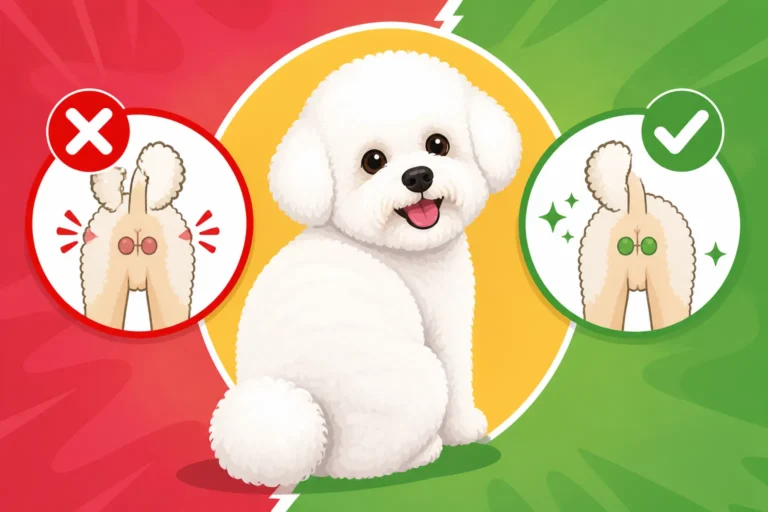
Whether Wet Food Suits a Bichon Frise Better
It can feel like a constant puzzle trying to figure out the absolute best way to feed your beloved Bichon Frise. You might hear conflicting advice from fellow owners, groomers, and even different vets, leaving you wondering if you're truly doing enough to support their delicate health, especially when it comes to preventing common issues like bladder stones. This guide will dive deep into the world of wet food, exploring whether it truly offers a superior nutritional solution for Bichon Frises compared to traditional kibble, and how it can play a crucial role in their overall well-being.
Understanding the Bichon Frise's Unique Nutritional Needs
Bichon Frises, with their charming personalities and cloud-like coats, are undeniably special. But beneath that fluffy exterior lies a breed with some very specific health considerations that deeply impact their dietary requirements. Ignoring these nuances can lead to preventable health issues, which no devoted pet parent wants. It’s not just about filling their tummy; it’s about nourishing their unique physiology.
Their Predisposition to Urinary Stones
One of the most significant health concerns for Bichon Frises, and a primary reason why diet is so critical, is their alarming predisposition to developing urinary stones, particularly calcium oxalate stones. If you own a Bichon, you've likely heard about this or perhaps even experienced the heartache of dealing with it firsthand. It's not a rare occurrence; sadly, it's a known breed-specific vulnerability. Imagine the stress of seeing your little one straining to urinate, or worse, finding blood in their urine, all because tiny crystals have decided to aggregate into painful stones. This genetic predisposition means that even if your Bichon has never had a stone, the risk is always there, lurking in the background. Their metabolic makeup often leads to higher levels of calcium and oxalate in their urine, creating a prime environment for these troublesome formations. Managing this risk through diet isn't just a recommendation; for many Bichon owners, it becomes a lifelong mission. You can learn more about What a Calcium Oxalate Stone Is in a Bichon Frise to understand the specific type that commonly affects them.
The Importance of Hydration for Bichons
Closely linked to the issue of urinary stones is the paramount importance of hydration for Bichons. Think of it this way: the more dilute your dog's urine is, the less concentrated the stone-forming minerals become. This means those tiny crystals are less likely to clump together and grow into painful stones. Many Bichon owners struggle to get their dogs to drink enough water, especially if their furry friend isn't particularly enthusiastic about the water bowl. It's a constant worry, knowing that every sip (or lack thereof) could impact their urinary health. When urine becomes too concentrated, it's like a supersaturated solution, making crystal formation much easier. Therefore, encouraging consistent and adequate water intake isn't just about general health; it's a direct, frontline defense against urinary stone recurrence. Every ounce of extra water can make a difference in keeping those mineral concentrations low and helping flush out any nascent crystals before they become a problem. For more on this, check out Whether Water Intake Changes a Bichon Frise's Risk.
Common Digestive Sensitivities in the Breed
Beyond urinary health, Bichon Frises can also be prone to various digestive sensitivities. Many owners report that their Bichons have delicate stomachs, experiencing issues like occasional vomiting, diarrhea, or simply being incredibly picky eaters. It’s not uncommon to go through several different types of food trying to find one that agrees with their system and that they’ll actually eat. This pickiness often stems from a combination of their charmingly discerning palate and genuine dietary sensitivities. Ingredients that might be perfectly fine for other breeds could trigger an upset stomach or allergic reaction in a Bichon. This means that ingredient quality, digestibility, and palatability are all crucial factors when selecting their food. Finding a food that not only provides the right nutrients but also sits well with their sensitive tummies and entices them to eat it can be a real challenge for many Bichon parents.
The Pros and Cons of Wet Food for Bichon Frises
When you're trying to decide what to feed your Bichon Frise, the choice between wet food and dry kibble can feel overwhelming. Both have their advocates, and both come with their own set of benefits and drawbacks. For a breed with such specific health predispositions, understanding these nuances is key to making an informed decision that truly benefits your furry companion.
Advantages of High Moisture Content
One of the most compelling arguments for feeding wet food to a Bichon Frise is its inherently high moisture content. Unlike dry kibble, which typically contains less than 10% moisture, wet food often boasts anywhere from 70% to 80% water. This isn't just a minor difference; it's a game-changer, especially for a breed prone to urinary stones. Remember how critical hydration is for diluting urine? Wet food provides a significant portion of their daily water intake simply through their meals. For those Bichons who aren't avid water drinkers – and let's be honest, many aren't – this added moisture can be a lifesaver. It helps keep their urine dilute, making it much harder for calcium oxalate crystals to form and accumulate. This constant internal "flush" can actively work to prevent the formation of new stones and may even help pass tiny crystals before they become problematic. It’s a proactive step in managing their health that dry food alone simply cannot offer. This makes Whether Diluting Urine Prevents Bichon Frise Stones a crucial consideration for their lifelong diet.
Palatability and Encouraging Picky Eaters
Another significant advantage of wet food, particularly for those with a "fussy Bichon Frise," is its superior palatability. If you’ve ever offered your Bichon both wet and dry food, you’ve probably noticed their undeniable enthusiasm for the former. Wet food typically has a stronger aroma and a more appealing texture, which can be incredibly enticing for dogs who turn their noses up at dry kibble. This isn't just about making mealtime more enjoyable; it's about ensuring your Bichon gets the nutrition they need without a daily battle. For sensitive eaters or those recovering from illness, the appealing nature of wet food can encourage them to eat when they otherwise might refuse. This becomes especially important if your vet has prescribed a specific urinary diet for stone prevention. Getting a picky Bichon to consistently eat a specialized diet can be a major hurdle, and wet food options often make that journey much smoother. Many owners find that even just mixing a bit of wet food with kibble can encourage consumption, demonstrating its power as an appetite stimulant. The battle against Whether a Fussy Bichon Frise Refuses the Urinary Diet is often won with the right wet food.
Potential Drawbacks and Considerations
While wet food offers many benefits, it's essential to consider its potential drawbacks. One of the most common concerns is its impact on dental health. Because wet food is soft and lacks the abrasive texture of kibble, it does little to scrape away plaque and tartar from your Bichon's teeth. Bichon Frises are already prone to dental disease, so a diet solely of wet food could potentially exacerbate this issue, leading to more frequent dental cleanings, which are costly and require anesthesia. This isn't to say wet food is inherently "bad" for teeth, but rather that extra dental care measures become non-negotiable.
Secondly, the cost can be a significant factor. Per calorie, wet food is often considerably more expensive than dry kibble, simply because you're paying for a lot of water. If you're feeding a full wet food diet, your grocery bill for your Bichon could increase substantially. Furthermore, once opened, wet food needs to be refrigerated and consumed within a few days, which can be less convenient for some lifestyles compared to leaving a bowl of dry kibble out. Lastly, some wet foods can be quite rich, and if introduced too quickly or chosen without care, they might lead to digestive upset in sensitive Bichons. It’s always a balance.
Comparing Wet Food to Dry Kibble for Bichons
Choosing between wet food and dry kibble for your Bichon Frise isn't a simple right-or-wrong decision; it's about understanding the fundamental differences and how they align with your dog's specific health needs and your lifestyle. Both have their place, but for a breed like the Bichon, some distinctions are far more critical than for others.
Moisture Levels: A Key Differentiator
As we've touched upon, the most glaring difference between wet food and dry kibble lies in their moisture content. Dry kibble is formulated to be shelf-stable, typically containing between 6-10% water. Wet food, on the other hand, is closer to the natural moisture content of whole prey, often ranging from 70-80%. For a Bichon Frise, especially one with a history or high risk of calcium oxalate stones, this isn't just a minor detail – it's the central factor. Higher moisture intake through food means more dilute urine, which is the cornerstone of preventing stone formation and recurrence.
Imagine the difference: a Bichon eating dry kibble needs to drink a substantial amount of water independently to achieve the same level of hydration that a Bichon on a wet food diet gets simply by eating. If your Bichon isn't a big drinker, dry food alone might never provide adequate urinary dilution, no matter how much you encourage them with water fountains or ice cubes. This single difference often tips the scales in favor of wet food for Bichon owners focused on proactive urinary health. It’s literally embedding hydration into every meal, taking some of the worry out of whether they’ve had enough to drink today.
Nutrient Density and Caloric Content
When comparing wet and dry foods, it's crucial to look beyond the bowl size and consider the nutrient and caloric density. Because wet food contains so much water, a larger volume of it will have fewer calories and nutrients than an equivalent volume of dry kibble. This means your Bichon will typically need to eat a larger quantity of wet food to meet their daily caloric and nutritional requirements. For a small breed like the Bichon, this can be a double-edged sword. On one hand, the increased volume might make them feel more satisfied and full, which can be beneficial for weight management, particularly for those prone to being overweight. On the other hand, it means you'll go through wet food faster, contributing to the higher cost.
It’s important to read the labels carefully and understand the caloric content per can or pouch, rather than just per cup, to ensure you're feeding the appropriate amount. Some dry kibbles are very calorie-dense, meaning a small amount goes a long way. If you're accustomed to feeding a small scoop of kibble, you might be surprised by how much wet food your Bichon truly needs. This difference in density is something to factor into your feeding routine, ensuring your fluffy friend is getting everything they need without over- or under-feeding.
Impact on Dental Health
This is an area where dry kibble traditionally holds an advantage over wet food. The crunchy texture of kibble can help scrape away plaque and tartar from your dog's teeth as they chew, providing a mild abrasive action that contributes to better dental hygiene. While it's certainly not a substitute for regular brushing or professional dental cleanings, it does offer some benefit.
Wet food, being soft, offers no such abrasive action. In fact, some veterinarians express concern that wet food can cling more easily to teeth, potentially increasing plaque buildup if not followed by diligent dental care. Given that Bichon Frises are highly susceptible to dental disease, this is a significant consideration. If you choose a wet food diet, you absolutely must commit to a robust daily dental routine, which should include brushing their teeth daily. Dental chews and water additives can help, but nothing replaces the mechanical action of a toothbrush. It's a trade-off: improved hydration for urinary health, but an increased responsibility for manual dental care. For more information, you might look into Dental Disease in a Bichon Frise.
Cost and Convenience Factors
The financial outlay and daily convenience are practical considerations for any pet owner, and they certainly differentiate wet and dry food options for Bichons. Generally, wet food is more expensive per serving than dry kibble. Since much of what you're buying is water, the cost per calorie or per pound of actual nutrients tends to be higher. This is particularly true for prescription urinary diets, where What Prescription Urinary Food Costs a Bichon Frise Owner can be a significant ongoing expense. For owners feeding a full wet food diet, these costs can add up considerably over a Bichon's lifespan. You might also find that Whether Wet Urinary Food Costs More than dry urinary food.
In terms of convenience, dry kibble is hard to beat. It can be portioned out easily, stays fresh in a sealed container for a long time, and can be left in a bowl for free-feeding (though scheduled feeding is often better). Wet food, once opened, needs to be refrigerated and used within a couple of days, which can be less flexible for busy schedules or if your Bichon eats small portions. Travel can also be more cumbersome with wet food, requiring refrigeration. However, for some owners, the ease of preparing a meal and the peace of mind knowing their Bichon is well-hydrated outweighs these convenience factors.
| Feature | Wet Food for Bichon Frise | Dry Kibble for Bichon Frise |
|---|---|---|
| Moisture Content | High (70-80%), excellent for urinary dilution | Low (6-10%), relies on independent water intake |
| Palatability | Very high, encourages picky eaters | Moderate, can be less appealing to some Bichons |
| Urinary Health | Highly beneficial, supports stone prevention | Less direct benefit, requires diligent hydration monitoring |
| Dental Health | Little to no abrasive action, requires rigorous brushing | Provides some abrasive action, but not a substitute for brushing |
| Nutrient Density | Lower per volume, requires larger portions | Higher per volume, smaller portions meet needs |
| Cost | Generally higher per serving/calorie | Generally lower per serving/calorie |
| Convenience | Less convenient (refrigeration, shelf life once opened) | Highly convenient (shelf-stable, easy storage) |
| Digestion | Can be easier to digest for sensitive stomachs | Can be harder for some sensitive stomachs |
Integrating Wet Food into Your Bichon's Diet
Deciding that wet food might be beneficial for your Bichon Frise is just the first step. The next is figuring out how to best incorporate it into their daily meals. There are several approaches, and the best one for your dog will depend on their individual needs, preferences, and any specific health recommendations from your veterinarian. Remember, consistency is key, especially when dealing with breeds prone to conditions like bladder stones.
Full Wet Food Diet vs. Mixed Feeding
You essentially have two main options when it comes to integrating wet food: committing to a full wet food diet or opting for a mixed feeding approach.
Full Wet Food Diet: If urinary health is your top priority, and your Bichon is an exceptionally poor water drinker, a 100% wet food diet might be the most effective solution. This ensures maximum hydration through their food, providing the highest level of urine dilution possible from their meals. It can also be excellent for highly selective eaters who refuse kibble outright. However, as discussed, this approach comes with higher costs and demands a very disciplined dental care routine. You'll need to carefully calculate the caloric needs of your Bichon to ensure they're getting enough food, as wet food is less calorie-dense. For small breeds like Bichons, this means feeding multiple small meals throughout the day. If you choose this route, you might find yourself exploring options from retailers like Chewy or Amazon, which often carry a wide selection of reputable wet food brands, including those designed for urinary health.
Mixed Feeding (Wet and Dry): This is a popular compromise for many Bichon owners, offering a balance between the benefits of wet food and the practicality of kibble. There are a few ways to do this:
- Topping Kibble: Adding a spoonful or two of wet food on top of their dry kibble can significantly boost palatability and provide a welcome moisture kick. This often encourages picky eaters to finish their meals.
- Separate Meals: You could offer wet food for one meal (e.g., breakfast) and kibble for another (e.g., dinner). This method provides the hydration benefits while still incorporating the dental advantages (albeit minor) and cost-effectiveness of kibble.
- Mixing Thoroughly: Some owners mix the wet food directly into the kibble, ensuring every bite has a bit of both. This can be particularly effective for very finicky eaters.
Mixed feeding allows you to get some of the critical hydration benefits without the full financial commitment or the singular dental concern of an all-wet diet. It’s a great way to "test the waters" and see how your Bichon responds before making a full transition. This method is often recommended for the prevention of stones, as even a moderate increase in moisture can make a significant difference.
Choosing the Right Wet Food for Stone Prevention
If your Bichon Frise has a history of calcium oxalate stones, or if you're trying to prevent them proactively, simply choosing any wet food isn't enough. You need to be highly selective. Your veterinarian will likely recommend a prescription urinary diet specifically formulated to reduce stone formation. These diets are carefully balanced to:
- Promote Urine Dilution: They often have ingredients that encourage thirst, further increasing water intake, alongside the inherent moisture of wet food.
- Modify Urine pH: For calcium oxalate stones, the goal is often to maintain a slightly alkaline urine pH, which makes it less hospitable for these specific crystals to form. Your vet may even recommend you monitor your Bichon's urine pH at home. Whether a Bichon Frise Needs Urine pH Monitored is a good article to review for this.
- Control Mineral Content: Levels of calcium, phosphorus, and oxalate precursors are carefully managed to minimize the building blocks of stones.
Brands like Royal Canin, Hill's Prescription Diet, and Purina Pro Plan Veterinary Diets offer excellent wet food options for urinary health. These are often "prescription-only" and require a veterinary authorization, which you can then typically fill through your vet's office or online retailers like Chewy or Amazon if they have pharmacy services. Don't fall for generic "urinary support" foods that aren't vet-prescribed, as they may not have the precise formulation needed for true stone prevention. The goal is to get your Bichon on The Diet a Bichon Frise Stays On for Life.
Monitoring Your Bichon's Response
Regardless of whether you choose a full wet food diet or a mixed approach, diligent monitoring of your Bichon's health and behavior is crucial. This isn't a "set it and forget it" situation; every dog is an individual, and what works wonderfully for one might not be ideal for another.
What to watch for:
- Urinary Habits: Pay close attention to their frequency of urination, volume, and any signs of straining or discomfort. Are they peeing more often? Is their urine clearer? Any sudden changes warrant a vet visit. The First Signs a Bichon Frise Has Stones details what to look out for.
- Stool Quality: Changes in diet can sometimes lead to digestive upset. Monitor their stool for consistency, color, and frequency. Loose stools or diarrhea mean the food might not be agreeing with them.
- Appetite and Energy Levels: Are they eating enthusiastically? Maintaining their usual energy? A sudden drop in appetite or lethargy could indicate a problem. How Much an Adult Bichon Frise Eats Daily provides a baseline for comparison.
- Weight Management: Keep an eye on their body condition. Because wet food is less calorie-dense, you might need to adjust portion sizes to prevent unintended weight loss or gain. Conversely, some Bichons might gain weight if fed too much due to the higher palatability. Remember, Whether an Overweight Bichon Frise Risks Diabetes is a real concern.
- Overall Coat and Skin Health: While not directly tied to wet food, a balanced diet supports skin and coat. Any deterioration could signal a nutritional imbalance.
Regular check-ups with your vet, especially if your Bichon is prone to stones, are non-negotiable. They can perform routine urine tests and imaging to ensure the new diet is effectively preventing stone formation. This proactive monitoring ensures that your dietary choices are truly supporting your Bichon's long-term health.
Practical Tips for Feeding a Bichon Frise Wet Food
Transitioning to wet food or simply incorporating it more into your Bichon's diet can sometimes present a few challenges. With their notoriously picky tendencies and delicate systems, a little planning and patience can go a long way. These practical tips can help ensure a smooth transition and a happy, healthy eating experience for your fluffy companion.
Storage and Serving Suggestions
Proper storage and serving are essential when it comes to wet food, not just for freshness but for your Bichon's enjoyment and safety.
- Refrigeration is Key: Once you open a can or pouch of wet food, any unused portion must be immediately covered and refrigerated. This prevents spoilage and bacterial growth. Most wet foods should be consumed within 2-3 days of opening, so be mindful of portion sizes and buy smaller cans if your Bichon only eats a small amount per meal.
- Warm it Up (Slightly): Many dogs, especially picky ones, prefer their food to be at room temperature or even slightly warmed, rather than straight out of the cold refrigerator. You can achieve this by letting it sit out for 15-20 minutes before serving, or by adding a tiny splash of warm water and mixing it in (just ensure it's not hot). This enhances the aroma, making it more appealing.
- Clean Bowls: Always serve wet food in a clean, non-porous bowl. Residual food can harbor bacteria, and for a breed with sensitive digestion, this is best avoided. Wash bowls daily.
- Proper Portioning: Use a kitchen scale or a measuring scoop to ensure you're feeding the correct amount based on the food's caloric density and your vet's recommendations. Overfeeding can lead to weight gain, and underfeeding can lead to nutritional deficiencies. How Much an Adult Bichon Frise Eats Daily should be your guide.
By paying attention to these small details, you can make mealtime more enjoyable and safe for your Bichon Frise.
Addressing Pickiness and Transitions
Bichon Frises have a reputation for being finicky eaters, and introducing a new food, even a delicious wet one, can sometimes be met with skepticism. Patience and a slow approach are your best friends here.
- Slow Transition: Never switch your Bichon's food cold turkey. A sudden change can easily cause digestive upset. Over 7-10 days, gradually introduce the new wet food by mixing a small amount with their old food, slowly increasing the proportion of the new food while decreasing the old. If you're transitioning from dry kibble to wet food, start with just a tablespoon of wet mixed in and observe their reaction.
- Enhance Appeal: If your Bichon is still resistant, try warming the wet food slightly as mentioned above to release its aroma. You can also mix in a little bit of low-sodium chicken broth (ensure it's onion and garlic free) or a dash of plain pumpkin puree (not pie filling) to make it more enticing.
- Consistency is Key: Once you find a wet food your Bichon enjoys and tolerates, try to stick with it. Constant changes can upset their digestive system and reinforce picky habits. Remember, Whether a Bichon Frise Is a Fussy Eater is a common trait, so don't take it personally!
- No Free Feeding Wet Food: Unlike kibble, wet food should not be left out for extended periods. If your Bichon doesn't finish their meal within 15-20 minutes, pick up the bowl and try again later. This can help establish a feeding routine and teach them to eat when food is offered.
- Special Treats: If you're on a prescription urinary diet, be extra careful with treats. Whether One Treat Can Restart a Bichon Frise Stone is a genuine concern. Many companies that make prescription foods also offer compliant treats, and you can find these from places like Chewy or your vet's office.
Where to Find Quality Wet Food
Finding the right quality wet food for your Bichon Frise is crucial. Not all wet foods are created equal, and for a breed with specific health needs, choosing wisely is paramount.
- Veterinary Recommendation for Prescription Diets: If your Bichon has urinary stones or other medical conditions, your vet is your first and best resource. They will recommend specific prescription diets (like those for urinary health) which are scientifically formulated to manage these conditions. These foods require a prescription and are often available directly from your vet's office.
- Online Retailers: For both prescription and high-quality over-the-counter wet foods, online retailers are incredibly convenient. Large pet supply sites like Chewy and Amazon offer vast selections, often with competitive pricing and home delivery. They carry a wide range of reputable brands, including veterinary diets once you have a prescription. This can save you trips to the store, especially for bulk purchases.
- Specialty Pet Stores: Local or national specialty pet stores often stock a curated selection of premium wet dog foods. The staff can sometimes offer knowledgeable advice, though always cross-reference with your vet, especially for health-related concerns.
- Direct-to-Consumer Brands: Some newer brands, like Ollie, focus on fresh, human-grade wet or gently cooked food delivered directly to your door. These can be excellent options for palatability and quality, but be sure to discuss with your vet if they are suitable for a Bichon with a predisposition to stones, as their mineral balance might not be optimized for urinary health compared to prescription formulas. Always check their ingredient list and nutrient profiles carefully.
- Reading Labels: Regardless of where you buy, always read ingredient labels. Look for whole, identifiable protein sources as the first ingredient (e.g., chicken, lamb, beef). Avoid artificial colors, flavors, and excessive fillers. For urinary stone prevention, mineral content (especially calcium, phosphorus, and magnesium) and guaranteed analysis of protein and fat are important, which your vet can help you interpret.
By being diligent in your sourcing and understanding the specific needs of your Bichon Frise, you can provide them with a diet that supports their unique health challenges and keeps them thriving.
Disclaimer
This article is for general informational purposes only and does not constitute professional advice. Laws, prices and regulations vary by location and change over time. Consult a qualified professional for guidance on your specific situation.