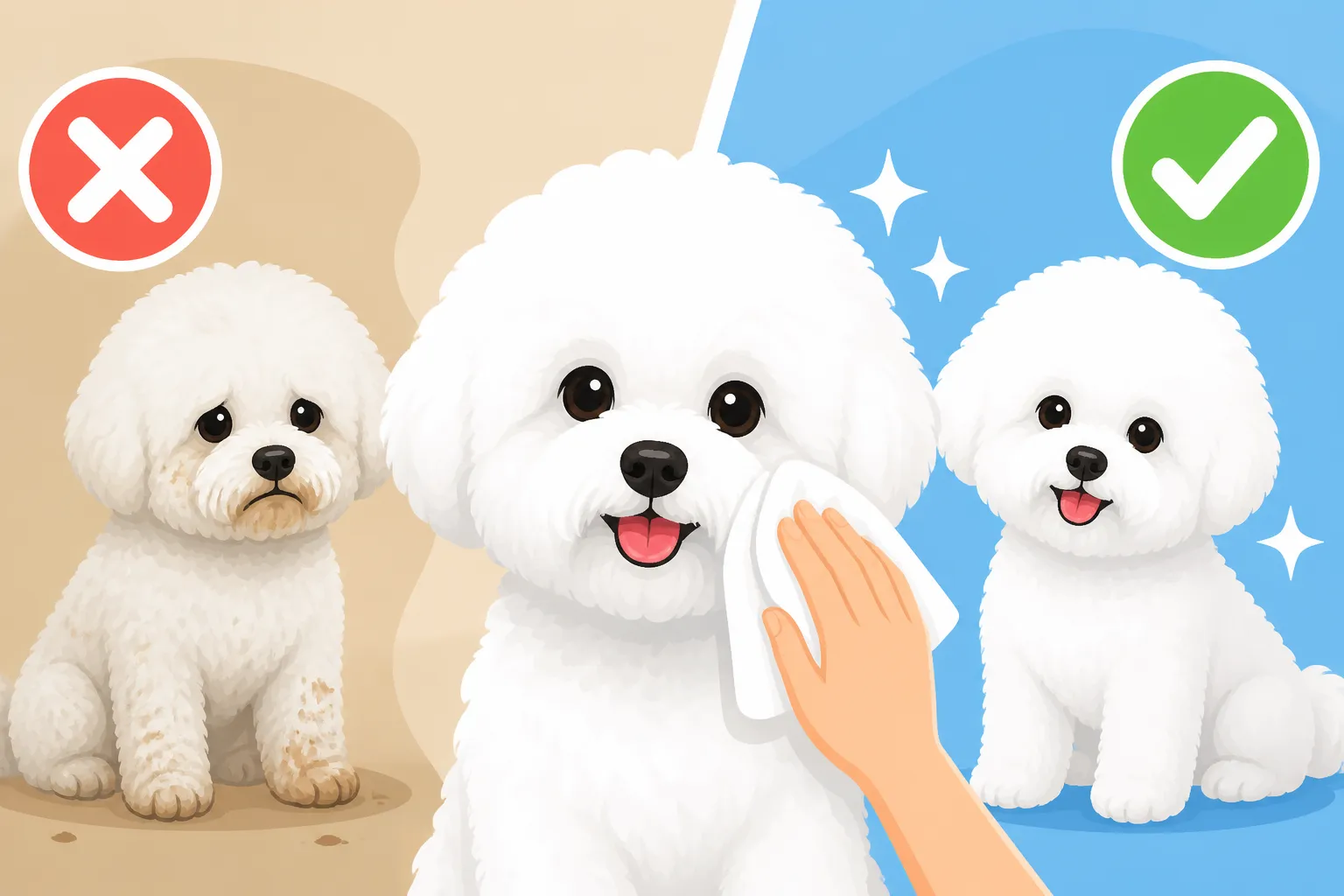
Whether Wiping Daily Keeps a Bichon Frise Clean
Anyone who shares their life with a beautiful Bichon Frise knows the never-ending quest to keep that fluffy, white coat looking pristine. It's a daily ritual for many, grabbing a soft cloth or a specialized wipe to tackle the inevitable grime that seems to cling to their immaculate fur. The big question many of us ask is: is this daily wiping truly effective, or are we just barely scratching the surface of what it takes to keep our little cloud clean? This guide will dive deep into the effectiveness of daily wiping, what it can and can't achieve, and how it fits into the bigger picture of maintaining your Bichon's sparkling appearance and overall hygiene.
The Daily Battle Against the Bichon Frise's Pristine White Coat
Living with a Bichon Frise means embracing the daily reality of a magnificent white coat that acts like a magnet for dirt, dust, and all sorts of environmental debris. They're low to the ground, constantly exploring, and their fluffy texture seems designed to capture every speck. It's not just about aesthetics; maintaining a clean coat is crucial for their skin health and overall well-being.
Why Bichons Get Dirty So Easily
Let's be real, a Bichon Frise is basically a walking, fluffy sponge. Their signature double coat, while being wonderfully soft and non-shedding (making them a great choice for allergy sufferers), has a unique ability to hold onto whatever it encounters. Think about your last walk in the park: a bit of damp grass, some dusty pavement, a rogue leaf, or even just the everyday dirt that accumulates on a kitchen floor. All of this gets picked up and woven into their delicate fur. Because their coat is so densely packed and often long, it doesn't just fall off like it might with a shorter-haired breed. Instead, these particles burrow in, making them look dull, dingy, and sometimes even matted if not addressed promptly. It's a charming trait, but it definitely means a higher commitment to cleanliness than you might expect from a small dog.
Beyond the outdoor elements, their own bodily functions contribute. A tiny splash of urine on their hind legs, some dampness from drinking water around their mouth, or simply the oils from their skin can quickly cause discoloration and attract more grime. Their beautiful white fur shows everything, turning innocent frolicking into a visibly dirty affair in minutes. This is why many owners feel like they're in a constant battle, armed with wipes and brushes.
What Daily Wiping Aims to Achieve
Daily wiping, at its core, is about immediate spot treatment and preventing minor issues from escalating. It's a quick, convenient way to address surface-level dirt before it sets in. When you see your Bichon's muzzle has become damp and slightly yellowed after a drink, a quick wipe can prevent that discoloration from becoming a stubborn stain. If they've had a little accident that splashed their legs, wiping immediately can remove the urine before it dries and irritates their skin or permanently discolors the fur.
Think of it as brushing your teeth after every meal—it’s preventative maintenance. For areas prone to staining like the paws, around the mouth, or under the tail, daily wiping can reduce the build-up of grime and keep their fur looking brighter for longer between full baths. It's also a great opportunity for a quick bond and a mini-inspection of their skin and coat, helping you catch any little nicks, dry patches, or new bumps early on. For a breed like the Bichon, where maintaining that pristine white is part of their charm, these small daily efforts contribute significantly to their overall presentation. Many owners even keep a supply of pet-friendly wipes from online retailers like Chewy or Amazon readily available in every room of the house for quick clean-ups.
Targeting Those Stubborn Tear Stains: Where Wiping Fits In
Ah, tear stains. These reddish-brown streaks beneath a Bichon Frise's eyes are perhaps one of the most frustrating and common cleanliness challenges owners face. While daily wiping is often the first line of defense, understanding its role in the broader strategy is key to managing these persistent marks.
The Science Behind Bichon Frise Tear Stains
Tear stains aren't just dirt; they're primarily caused by porphyrins, iron-containing molecules that are excreted through tears, saliva, and urine. When these porphyrins are exposed to light and air, they oxidize, creating that tell-tale reddish-brown color we see on light-colored dogs. Bichon Frises, with their bright white coats, small faces, and often shallow eye sockets, are particularly prone to visible tear staining.
Several factors can contribute to excessive tearing and thus, more prominent stains. Blocked tear ducts, allergic reactions, irritation from hair growing into the eyes, or even certain types of eye infections can increase tear production. Sometimes, the issue is simply genetic – some Bichons are just predisposed to more watery eyes than others. Diet can also play a role, with some theories suggesting that certain ingredients or even water sources might influence the chemical composition of tears. It's a complex issue, and simply wiping won't address the root cause, but it can certainly help manage the symptoms. You might find more detailed information on preventing tear stains in articles like Whether Tear Stains Can Be Removed From a Bichon Frise or Whether Filtered Water Reduces a Bichon Frise's Staining.
How Daily Wiping Helps (and Doesn't Help) With Stains
Daily wiping is indispensable for managing tear stains, but it's important to have realistic expectations. When done consistently, it helps by physically removing the porphyrin-rich tears before they have a chance to dry and oxidize on the fur. Imagine it as wiping up a spill immediately – the less time it sits, the less chance it has to stain. Using a soft, damp cloth or a specialized tear stain wipe (many are available on Amazon) to gently clean the area around the eyes once or twice a day can make a noticeable difference in reducing the intensity and freshness of the stains.
However, wiping alone cannot eliminate existing, deeply set stains. Once the porphyrins have oxidized and bonded with the hair shaft, simply wiping the surface won't remove them. It also doesn't stop the underlying tearing. If your Bichon has persistent, heavy tearing, wiping is a maintenance step, not a cure. For deeply embedded stains, you might need to consider professional grooming, specialized stain removers that gently bleach or lift the stain, or even trimming the stained hair. It's a proactive measure to prevent new staining from becoming established, rather than a magic wand for old marks.
Beyond the Wipe: The Full Grooming Regimen for True Cleanliness
While daily wiping is a crucial part of a Bichon Frise's cleanliness routine, it's just one piece of a much larger puzzle. For that truly sparkling, "powder puff" appearance and optimal health, a comprehensive grooming regimen is non-negotiable.
The Essential Role of Regular Bathing and Brushing
Daily wiping handles the surface-level grime, but it doesn't cleanse the skin or penetrate the dense undercoat. That's where regular bathing and brushing come in. A Bichon Frise needs to be bathed regularly – typically every 2-4 weeks, depending on their lifestyle and how quickly they get dirty. Bathing removes accumulated dirt, excess oils, and environmental allergens that daily wipes can't reach. Using a high-quality whitening shampoo and conditioner specifically formulated for white coats can help brighten their fur and prevent yellowing. For Bichons with sensitive or itchy skin, a medicated or hypoallergenic shampoo might be necessary, as discussed in Washing a Bichon Frise Whose Skin Is Inflamed.
Brushing is equally vital. Because Bichons have a non-shedding coat, dead hair gets trapped, leading to mats and tangles if not brushed out regularly. Daily or every-other-day brushing with a slicker brush and comb is essential to prevent painful matting, which can hide dirt, trap moisture, and lead to skin infections. Brushing also distributes natural skin oils, promoting a healthy coat and skin. It's also worth noting that grooming isn't just about superficial beauty; it’s a time to check for parasites, skin issues, or lumps that might otherwise go unnoticed. You can find excellent grooming tools and shampoos on Chewy or other reputable pet supply sites.
Professional Grooming vs. Home Maintenance
For many Bichon owners, a combination of home maintenance and professional grooming is the golden standard. While you can certainly do a lot at home – daily wiping, frequent brushing, and even regular baths – professional groomers bring a level of expertise and specialized equipment that's hard to replicate in your bathroom.
Professional groomers are skilled in the art of the "powder puff" cut, giving your Bichon that iconic rounded head and balanced body shape that requires precise scissoring, as described in The Powder Puff Outline a Bichon Frise Is Scissored Into. They have high-velocity dryers that can thoroughly dry the dense coat, preventing mildew and matting, and can tackle stubborn mats safely. They also perform essential maintenance like nail trims, ear cleaning, and sanitary trims, which can be challenging for owners to do effectively at home. These services ensure your Bichon isn't just clean, but also comfortable and healthy.
| Aspect | Daily Wiping | Regular Bathing & Brushing | Professional Grooming |
|---|---|---|---|
| Purpose | Spot cleaning, surface grime, fresh stains | Deep cleansing, mat prevention, coat health | Styling, comprehensive care, expert handling |
| Frequency | Daily or multiple times a day | Every 2-4 weeks (bathing), daily (brushing) | Every 4-8 weeks |
| What it addresses | Mud, superficial dirt, fresh tear/saliva stains, minor food residue | Accumulated dirt, dead hair, skin oils, yellowing, minor mats | Mat removal, breed-specific trim, nail care, ear cleaning, anal glands, stubborn stains |
| Pros | Quick, convenient, proactive | Maintains coat health, reduces odors, prevents serious matting | Expert finish, deep clean, specialized services, addresses complex issues |
| Cons | Doesn't deep clean, ineffective on set stains, doesn't prevent matting | Time-consuming, requires proper technique/products, can miss deeper issues | Cost, requires scheduling, can be stressful for some dogs |
Many owners find that the cost of professional grooming, as detailed in What a Full Bichon Frise Groom Costs, is a worthwhile investment given the breed's specific needs. It truly complements your daily efforts, ensuring your Bichon Frise maintains that radiant, healthy look.
Proactive Measures for a Cleaner Bichon Frise Life
Beyond the immediate act of wiping, bathing, and brushing, there are several proactive steps you can take to keep your Bichon Frise cleaner, reduce staining, and generally simplify your grooming routine. It's about creating an environment and lifestyle that supports their natural cleanliness.
Environmental Adjustments to Reduce Dirt
Your Bichon's environment plays a huge role in how quickly they get dirty. Consider their access to outdoor spaces. If you have a muddy yard, limiting their access during wet weather or immediately rinsing their paws upon re-entry can prevent a lot of tracking and staining. Using pet-friendly outdoor mats at doors can help wipe off some dirt before they step inside. For their indoor environment, regular vacuuming and cleaning can reduce dust and dander that can cling to their coat.
Think about where they sleep and spend most of their time. Providing clean bedding that is washed regularly can prevent their white fur from picking up oils and grime. Some owners even use specific types of blankets or towels in high-traffic areas where their Bichon likes to lounge. If your Bichon loves to burrow, ensuring their favorite spots are clean will make a difference. Even something as simple as using raised food and water bowls can help keep their muzzle and chest drier during meal times, reducing the constant battle with food and water stains.
Dietary Considerations for Minimizing Stains and Optimizing Coat Health
What goes into your Bichon can significantly impact what comes out, especially concerning tear and saliva stains. A high-quality, balanced diet is fundamental for overall health, including skin and coat condition. Some owners report that certain food ingredients, particularly artificial colors, fillers, or lower-quality proteins, can exacerbate tear staining.
Switching to a premium dog food with limited ingredients, especially one focused on high-quality animal protein and digestible carbohydrates, might help. Brands like Ollie, which offer fresh, human-grade dog food, are sometimes chosen by owners hoping to improve overall health and potentially reduce staining from the inside out. Similarly, ensuring your Bichon has access to filtered water rather than tap water, which can be high in minerals, is another often-cited strategy for reducing tear stains. You can explore more about this in Whether Diet Changes a Bichon Frise's Tear Stains. High-quality treats that align with their main diet are also important, as even a small, regular treat can impact their system. Remember, consistency is key; dietary changes take time to show results, so be patient and consult your vet before making significant shifts.
Regular Health Checks and Preventative Care
Sometimes, what appears to be a cleanliness issue can actually be a sign of an underlying health problem. For instance, excessive tearing and staining might indicate allergies, a dental issue, or an eye condition that needs veterinary attention. Skin irritation or frequent paw licking that causes brown staining on their feet, mentioned in Whether a Bichon Frise's Feet Stain Brown, could be a symptom of allergies or even a yeast infection.
Regular veterinary check-ups are essential to rule out any medical causes for persistent staining or difficulty staying clean. Your vet can check for blocked tear ducts, eye infections, ear infections, or skin allergies, all of which can contribute to a perpetually messy-looking Bichon. Staying on top of routine vaccinations, parasite prevention, and dental care (including daily tooth brushing as suggested in Whether a Bichon Frise Needs Its Teeth Brushed Daily) contributes to overall health, which in turn reflects in a healthier, cleaner coat. Preventative care isn't just about avoiding illness; it's about optimizing their well-being, which naturally makes them easier to keep clean and vibrant.
Ultimately, while daily wiping is a valuable tool in your Bichon Frise grooming arsenal, it's most effective when integrated into a holistic approach to care. Combining it with regular bathing, consistent brushing, professional grooming, thoughtful dietary choices, and diligent veterinary oversight will ensure your fluffy friend stays truly clean, healthy, and happy.
Disclaimer
This article is for general informational purposes only and does not constitute professional advice. Laws, prices and regulations vary by location and change over time. Consult a qualified professional for guidance on your specific situation.