Whether a Bichon Frise Drinks Enough
It’s a common worry for Bichon Frise owners, isn’t it? You watch your fluffy companion, and sometimes it feels like they barely touch their water bowl all day. This concern is incredibly valid, especially with a breed like the Bichon Frise that can be prone to specific health issues where proper hydration is absolutely vital. This guide will walk you through what constitutes "enough" water for your little cloud, how to spot the subtle and not-so-subtle signs of inadequate intake, and offer practical, real-world strategies to ensure your Bichon stays happily hydrated.
Understanding a Bichon Frise's Hydration Needs
Knowing how much water your Bichon Frise should be drinking is the first step, but it's not always a straightforward answer. Just like with us, individual needs can vary, but there are some solid guidelines to keep in mind.
The "Normal" Range for Water Intake in Small Breeds
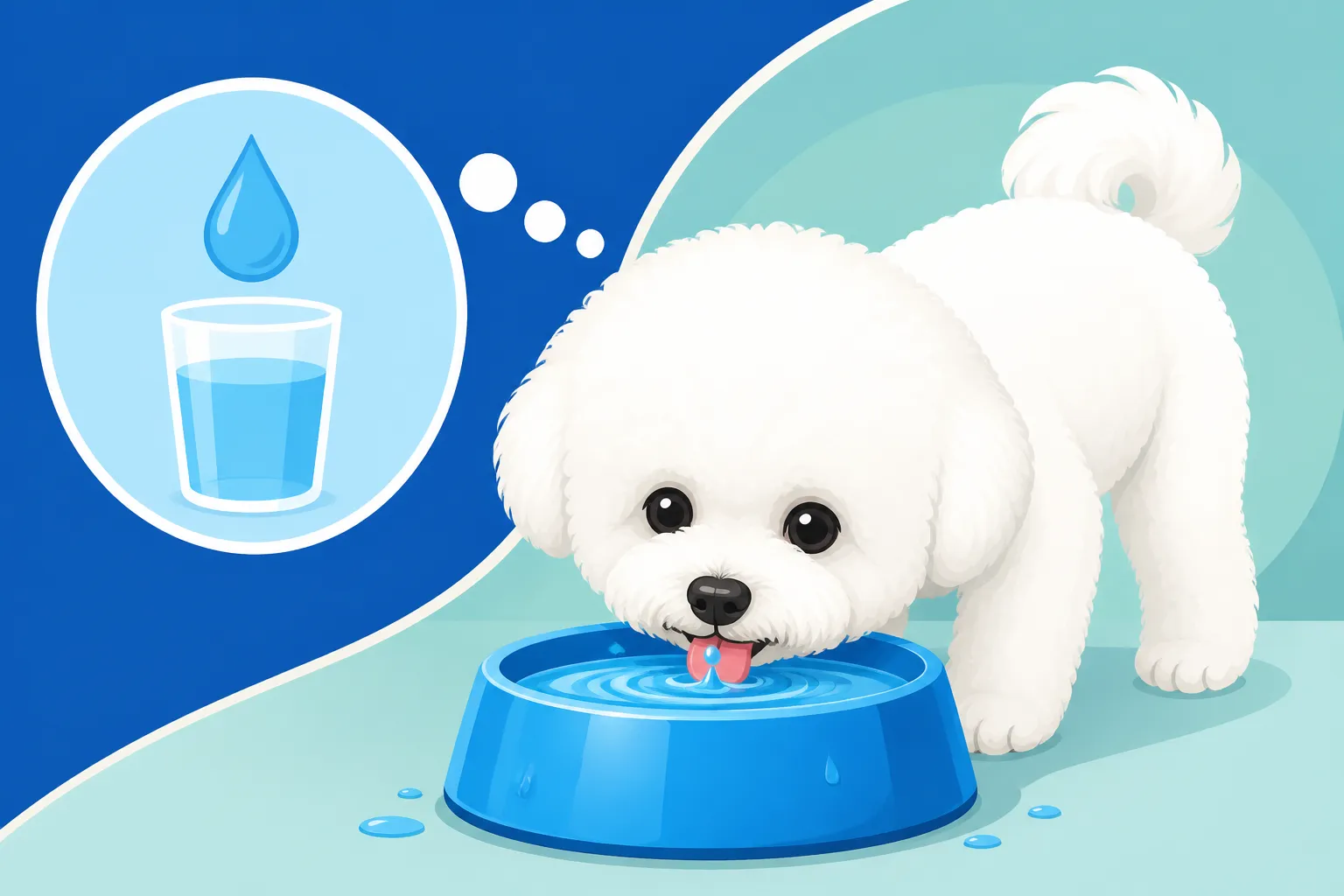
Generally, dogs should drink about half to one ounce of water per pound of body weight per day. So, for a typical Bichon Frise weighing around 12-18 pounds, that translates to roughly 6 to 18 ounces of water daily. This might not sound like a lot when you’re looking at a standard water bowl, but remember, this is total intake, which includes moisture from their food. If your Bichon eats mostly dry kibble, their direct water consumption will naturally be higher than a dog on a wet food diet. It's not always about seeing them gulping down huge amounts at once; consistent, smaller drinks throughout the day are often more indicative of good habits.
However, this is just a guideline. A hot summer day, an extra-long play session, or even just increased stress can push these requirements higher. What looks "normal" for one Bichon might be slightly too little or too much for another, depending on their unique metabolism and environment. The key is to establish a baseline for your dog and notice significant deviations.
Why Hydration is Crucial for Bichons: A Focus on Health Risks
For Bichon Frises, adequate hydration isn't just about general well-being; it's a critical factor in preventing and managing some health conditions that this breed is unfortunately predisposed to. One of the biggest concerns for Bichons is the formation of bladder stones, particularly calcium oxalate stones. Proper water intake helps to keep their urine diluted, which makes it harder for minerals to crystallize and form these painful stones. Think of it like a river: a strong, flowing river carries sediment away, but a stagnant pond allows it to settle and accumulate.
Beyond urinary health, hydration supports every bodily function, from organ function and nutrient absorption to temperature regulation. A dehydrated Bichon might experience sluggishness, a dull coat, or even become more susceptible to heatstroke during warmer months. Given their fluffy double coat, temperature regulation is already something to keep a close eye on. Dehydration can exacerbate these issues, making them feel unwell and even putting them at serious risk. Why a Bichon Frise Forms Stones Twenty Times as Often is a truly sobering read on this very topic.
The Link Between Water Intake and Urinary Health
Let's dive a little deeper into the stone issue. Bichon Frises are unfortunately genetically inclined to form calcium oxalate stones. These stones are notoriously difficult to dissolve with diet alone and often require surgical removal. This is where consistent, generous water intake becomes your best defense. When your Bichon drinks plenty, their urine volume increases, and the concentration of stone-forming minerals decreases. This dilution literally "washes out" tiny crystals before they have a chance to clump together and grow into problematic stones.
Think of it like this: if your dog's urine is highly concentrated, it's a rich soup of minerals, perfect for crystallization. But if it's dilute, it's a weak broth, less likely to form solids. This is why veterinarians often recommend not just increasing water intake but also considering prescription diets that encourage drinking and create a urine environment less hospitable to stone formation. The Diet a Bichon Frise Stays On for Life highlights this ongoing commitment. It's a lifelong management strategy for many Bichons, and water is the cornerstone of that strategy.
Recognizing Signs of Dehydration in Your Bichon Frise
Spotting dehydration in a fluffy Bichon Frise can be trickier than you might think. Their luxurious coat can mask some physical signs, and their generally cheerful disposition might make subtle changes hard to notice. But knowing what to look for can make all the difference.
Subtle Indicators You Might Miss
Sometimes, the signs of low-level dehydration aren't dramatic. You might notice your Bichon is just a little less energetic than usual, perhaps less keen on their usual playtime or walks. Their nose might seem drier than normal, or their gums a bit tacky instead of slick and moist. Another subtle sign can be a slight decrease in urine output or urine that appears darker and more concentrated than usual. If you're a diligent owner who tracks their potty breaks, this could be a red flag.
One crucial area to check, often overlooked, is the skin turgor. Gently lift the skin over your Bichon’s shoulders or neck, pull it up slightly, and then let it go. In a well-hydrated dog, the skin should snap back into place almost immediately. If it's slow to return or "tents" for a moment, it could indicate mild dehydration. This isn't always obvious through all that fur, so you might need to feel carefully. These small changes, when observed together, should prompt you to encourage more water intake.
Obvious Symptoms Requiring Immediate Attention
When dehydration becomes more severe, the symptoms become much more pronounced and warrant immediate veterinary attention. These include:
- Sunken Eyes: Their bright, alert eyes might appear noticeably sunken or dull.
- Dry, Pale, or Tacky Gums: Instead of a healthy pink and moist texture, the gums will feel sticky and look paler.
- Loss of Skin Elasticity (Severe Tent Test): If the skin stays tented for several seconds after being gently lifted, your Bichon is significantly dehydrated.
- Lethargy and Weakness: They might be visibly sluggish, unwilling to move, or collapse.
- Vomiting and Diarrhea: These can both cause and be symptoms of dehydration, creating a dangerous cycle.
- Panting and Increased Heart Rate: Especially if they haven't been exercising, these can be signs their body is struggling.
If you observe any of these more severe signs, don't delay. Dehydration can quickly become life-threatening, particularly in smaller dogs like Bichon Frises, as their body mass is smaller and they lose fluids relatively faster. A visit to the emergency vet is crucial to get them rehydrated safely, often with intravenous fluids. Whether a Straining Bichon Frise Is an Emergency also covers situations where urinary issues are exacerbated by poor hydration.
Checking for Dehydration at Home
Beyond the skin tent test, there are a couple of other simple ways you can regularly check your Bichon's hydration status at home. One is to check their capillary refill time. Gently lift your Bichon’s lip and press your finger firmly on their gum until the spot turns white. Remove your finger and count how long it takes for the color to return. In a well-hydrated dog, the pink color should return in less than two seconds. If it takes longer, it could indicate dehydration.
Another quick check is to feel their tongue. A well-hydrated dog will have a moist, slippery tongue. A dehydrated dog's tongue might feel dry or even rough. While these at-home checks are helpful, they are not a substitute for professional veterinary assessment, especially if you have serious concerns. Consistent observation of your dog's daily habits, energy levels, and overall demeanor is often the most reliable "check."
Factors Influencing Your Bichon Frise's Water Intake
It's easy to assume your Bichon Frise is just being fussy about their water, but often, there are very real reasons why they might not be drinking enough. Understanding these factors can help you address the root cause and encourage better hydration habits.
Environmental and Lifestyle Considerations
The environment your Bichon lives in plays a huge role in their hydration needs and habits. During hot weather, especially with their dense double coat, a Bichon Frise will naturally need more water to regulate their body temperature. If it's humid, they might pant more, losing fluids. Conversely, in colder months, you might think they need less water, but indoor heating can be very drying, still increasing their need for fluids.
Their lifestyle also matters. A highly active Bichon who enjoys long walks, agility, or vigorous play sessions will require significantly more water than a more sedentary couch potato. If you’ve just had a lively "Bichon Blitz" session, they’ll definitely be thirstier! Furthermore, stress or anxiety can sometimes reduce a dog's appetite and thirst, as can changes in routine or environment, like a move to a new house or even just houseguests. Providing multiple water sources and ensuring they're always accessible and appealing, even during busy times, is key.
Dietary Habits and Food Choices
What you feed your Bichon Frise significantly impacts how much additional water they'll seek out.
- Dry Kibble: If your Bichon primarily eats dry kibble, they will need to drink a lot more water independently to meet their hydration needs. Kibble contains a very low moisture content, typically around 10%.
- Wet Food/Canned Food: Wet food, on the other hand, can be up to 75-80% water. A dog eating a primarily wet food diet will naturally drink less from their bowl because a significant portion of their daily water intake comes directly from their meals. This is often a go-to strategy for vets when trying to increase a dog's overall fluid intake, especially for breeds prone to urinary issues. Many prescription urinary diets, available through vets or online retailers like Chewy with a vet's authorization, come in both wet and dry forms, making wet food a great option.
- Home-cooked or Raw Diets: These diets also tend to have a higher moisture content, similar to wet commercial foods, reducing the need for extensive bowl drinking.
It's also worth considering the palatability of their food. If your Bichon isn't enjoying their meal, they might eat less, which can indirectly affect their overall fluid balance if they're relying on food moisture.
Age, Activity Level, and Individual Quirks
Just like people, Bichons are individuals!
- Age: Puppies tend to need more water per pound of body weight because they are growing rapidly and have higher metabolisms. Senior Bichons, on the other hand, might drink less if they're less active, or they might drink more if they have age-related conditions like kidney disease or diabetes. Keeping a close eye on your senior Bichon's drinking habits is essential, as changes can indicate underlying health issues. Caring for a Bichon Frise Past Eleven emphasizes monitoring older dogs.
- Activity Level: We touched on this, but a Bichon who runs around the dog park for an hour will be far thirstier than one who prefers to nap all day. Adjusting water availability and encouraging drinks after exercise is important.
- Individual Quirks: Some Bichons are simply not big drinkers. They might prefer running water, only drink from certain bowls, or be very sensitive to the taste of tap water. Other Bichons might love "people water" (from your glass) or only drink when you are in the room. Paying attention to these quirks can help you tailor your approach to encourage better hydration. Some dogs even prefer very cold water, while others like it room temperature.
Strategies to Encourage Your Bichon Frise to Drink More
If you're noticing your Bichon Frise isn't drinking enough, don't despair! There are many effective, often simple, strategies you can employ to get them to lap up more of that vital fluid. It often comes down to making water more appealing and accessible.
Optimizing Water Bowl Placement and Type
Sometimes, the simplest changes make the biggest difference.
- Multiple Bowls: Don't just have one water bowl in the kitchen. Place several bowls in different locations around your home – in the living room, by their favorite nap spot, or even outside if they spend time there. This increases the chances they’ll pass by one and take a drink.
- Bowl Material: Some dogs develop a preference or aversion to certain materials. Plastic bowls can sometimes retain odors or flavors, especially if not cleaned frequently, which might deter some sensitive Bichons. Try ceramic, stainless steel, or glass bowls. Stainless steel bowls are often recommended by vets for hygiene reasons and are generally well-tolerated.
- Cleanliness: This is paramount. Imagine drinking from a dirty glass! Water bowls should be washed daily, not just refilled. Algae, bacteria, and dust can accumulate quickly, making the water unappetizing. A quick wash with soap and water, or even a run through the dishwasher, can work wonders.
- Fresh Water: Just like cleanliness, freshness matters. Change the water at least twice a day, or more frequently if it gets stale or warm, especially in hot weather.
The Appeal of Water Fountains and Enhanced Water Options
Many Bichons are enticed by moving water.
- Pet Water Fountains: A pet water fountain can be a game-changer. The sound and sight of bubbling or flowing water can be incredibly appealing to dogs, mimicking natural water sources. The continuous filtration in most fountains also keeps the water fresher and often cooler, which can further encourage drinking. Brands like PetSafe or Catit (which work great for small dogs too!) are widely available online, including on Amazon.
- Adding Flavor (Safely): For those truly reluctant drinkers, you can try adding a tiny bit of flavor to their water. This should be done sparingly and carefully to avoid upsetting their stomach or adding unwanted calories.
- Low-sodium broth: A teaspoon of plain, low-sodium chicken or beef broth (ensure no onion or garlic!) can make water much more interesting.
- Ice cubes: Many dogs love playing with and licking ice cubes, especially if they’re flavored. You can even make ice cubes from diluted broth or blend in a bit of pumpkin puree.
- Water from canned tuna/salmon: A tiny splash of the water from a can of tuna or salmon (packed in water, not oil!) can be very enticing. Again, small amounts only.
- Filtered Water: If your tap water has a strong chemical smell (like chlorine) or a distinct taste, your Bichon might be averse to it. Try offering filtered water (from your fridge dispenser or a pitcher filter) or even bottled spring water. Some owners notice a significant increase in consumption with this change.
Incorporating More Moisture Through Diet
This is one of the most effective ways to boost your Bichon's overall fluid intake without them even realizing it.
- Switch to Wet Food: If your Bichon Frise is currently on a dry kibble diet, consider switching to an all-wet food diet or incorporating wet food as a topper. As mentioned, wet food has a much higher moisture content. This is often recommended by vets for Bichons prone to urinary stones. You can find a wide range of wet food options, including specific urinary health formulas, on platforms like Chewy or your local pet store.
- Add Water to Kibble: If a full switch isn't feasible or desired, simply add some warm water (or even low-sodium broth) to their dry kibble. Let it sit for a few minutes to soften, creating a gravy-like consistency. Many dogs find this more palatable, and it significantly increases the meal's moisture content.
- Fresh Fruits and Vegetables: Offer small, safe, hydrating fruits and vegetables as treats. Slices of cucumber, watermelon (seedless!), or apple (core and seeds removed) are excellent sources of water and beneficial nutrients. Always introduce new foods slowly and in small quantities to avoid digestive upset, and research what’s safe for dogs.
- Hydrating Dog Food Toppers: Some companies, like Ollie, offer fresh, human-grade dog food that is naturally high in moisture, making them an excellent choice for improving hydration. Even if you don't switch entirely, a small portion as a topper can help.
- Specialty Treats: Be mindful of treats. If your Bichon is on a specific diet for stone prevention, ensure any treats you give are compatible. There are even specialty "dental chews" or "hydration treats" that incorporate extra moisture or promote water intake, though always check ingredients.
Here’s a quick summary table of strategies:
| Strategy Category | Specific Action | Why it Helps |
|---|---|---|
| Water Accessibility & Appeal | Provide multiple water bowls | Increases opportunities for drinking; convenience |
| Use different bowl materials | Addresses material preferences; can reduce odors | |
| Clean bowls daily | Removes bacteria, algae, and keeps water fresh | |
| Change water frequently | Ensures water is cool and appealing | |
| Introduce a pet water fountain | Moving water entices many dogs; often filtered & cooler | |
| Offer filtered or bottled water | Eliminates potential off-tastes from tap water | |
| Dietary Adjustments | Switch to a wet food diet | Significantly increases moisture intake from meals |
| Add water/broth to kibble | Softens food, adds moisture, can enhance flavor | |
| Offer hydrating fruits/vegetables | Provides moisture and nutrients as healthy treats | |
| Use high-moisture dog food toppers | Boosts hydration without a full diet change | |
| Flavor & Engagement | Add low-sodium broth to water | Makes water more palatable and interesting |
| Offer ice cubes (plain or flavored) | Fun and refreshing; encourages licking | |
| Make "pudding" from wet food and water | Highly enticing, especially for picky drinkers |
Whether a Water Fountain Encourages a Bichon Frise goes into more detail on how these devices can transform your dog's drinking habits. Remember, consistency is key. Keep trying different methods, observe your Bichon’s preferences, and you’ll find what works best for them!
When to Be Concerned: Underlying Health Issues and Vet Visits
While many Bichons simply need a little encouragement to drink more, sometimes a lack of thirst or a sudden increase in thirst can be a red flag for an underlying health condition. It’s important to know when your efforts at home aren't enough and professional medical advice is needed.
Common Medical Conditions Affecting Thirst or Urination
Several health conditions can directly impact your Bichon Frise's water intake and urination patterns.
- Urinary Tract Infections (UTIs): A UTI can cause increased urgency and frequency of urination, but sometimes dogs might also drink less due to discomfort. Conversely, if a UTI is present, increased water intake can help flush bacteria, but the underlying infection still needs treatment. Untreated UTIs can also contribute to stone formation.
- Bladder Stones: We've covered this extensively, but the presence of stones themselves can lead to discomfort, straining, and sometimes a reluctance to drink if it causes pain, or paradoxically, increased drinking if they are trying to flush out discomfort. It's a vicious cycle where poor hydration contributes to stones, and stones can then impact hydration. The First Signs a Bichon Frise Has Stones details what to look for.
- Kidney Disease: This is a serious condition where the kidneys lose their ability to concentrate urine. Dogs with kidney disease often drink and urinate excessively in an attempt to flush out toxins that their kidneys can no longer efficiently remove. While this looks like good hydration, it’s actually a compensatory mechanism for a failing organ.
- Diabetes: Diabetic dogs often exhibit excessive thirst and urination (polydipsia and polyuria). This is because high blood sugar levels spill into the urine, pulling water with them, leading to dehydration and increased drinking.
- Cushing's Disease: This endocrine disorder, more common in older Bichons, can also lead to increased thirst and urination. The excess cortisol in their system affects kidney function and water balance. The Signs of Cushing's in a Bichon Frise is a valuable resource if you suspect this condition.
- Pain or Discomfort: Any generalized pain or discomfort, whether from arthritis, dental issues, or internal upset, can cause a dog to become lethargic and lose interest in eating and drinking.
It's crucial to remember that changes in drinking habits, whether less or more, should always be noted and discussed with your vet.
When to Consult Your Veterinarian
So, when do you stop trying home remedies and pick up the phone to your vet?
- Sudden Changes: Any abrupt and significant change in your Bichon's drinking habits – either suddenly drinking much less or much more than usual – warrants a vet visit.
- Accompanying Symptoms: If reduced water intake is accompanied by other worrying symptoms like lethargy, vomiting, diarrhea, loss of appetite, straining to urinate, blood in urine, or general weakness, seek immediate veterinary attention.
- Failed Home Strategies: If you've diligently tried various strategies to encourage drinking for a few days to a week and see no improvement, or if your Bichon remains lethargic despite your best efforts, it's time for a professional check-up.
- Suspected Dehydration: If your at-home checks (skin tent test, gum stickiness, capillary refill time) indicate moderate to severe dehydration, don't wait.
- Known Predisposition: If your Bichon has a history of bladder stones or other urinary issues, or if there's a family history of kidney disease or diabetes, be extra vigilant with their hydration and consult your vet at the first sign of trouble. Whether a Bichon Frise Should Be Urine Tested Yearly is excellent advice for proactive monitoring.
Diagnostic Tests for Hydration and Kidney Function
When you visit the vet with concerns about your Bichon's water intake, they will likely perform a thorough physical examination and recommend several diagnostic tests to pinpoint the cause.
- Urinalysis: This is a fundamental test that checks the concentration of your dog's urine, looking for signs of infection (bacteria, white blood cells), crystals, blood, protein, and glucose. It's an invaluable tool for assessing kidney function and diagnosing UTIs or bladder stone precursors.
- Blood Work: A complete blood count (CBC) and a biochemistry profile will assess overall health, including red and white blood cell counts, and key organ function indicators for kidneys (BUN, creatinine) and liver. It can help diagnose kidney disease, diabetes, Cushing's, and other systemic issues.
- Imaging: If stones are suspected, your vet may recommend X-rays or an ultrasound of the bladder and kidneys. These imaging techniques can visualize stones, assess kidney size and structure, and identify any blockages. Whether an Ultrasound Finds a Bichon Frise's Stones explains this diagnostic approach.
- Fluid Challenge/Stimulation Tests: In some cases, to properly assess kidney function or diagnose specific hormonal disorders like Cushing's, your vet might perform more specialized tests involving monitoring blood and urine responses to certain medications or fluid administration.
Understanding your Bichon Frise’s hydration needs and being proactive can literally save their life. Keep an eye on them, offer them plenty of appealing water sources, and don't hesitate to contact your vet if you have concerns. Your fluffy friend relies on you to keep them healthy and happy!
Disclaimer
This article is for general informational purposes only and does not constitute professional advice. Laws, prices and regulations vary by location and change over time. Consult a qualified professional for guidance on your specific situation.