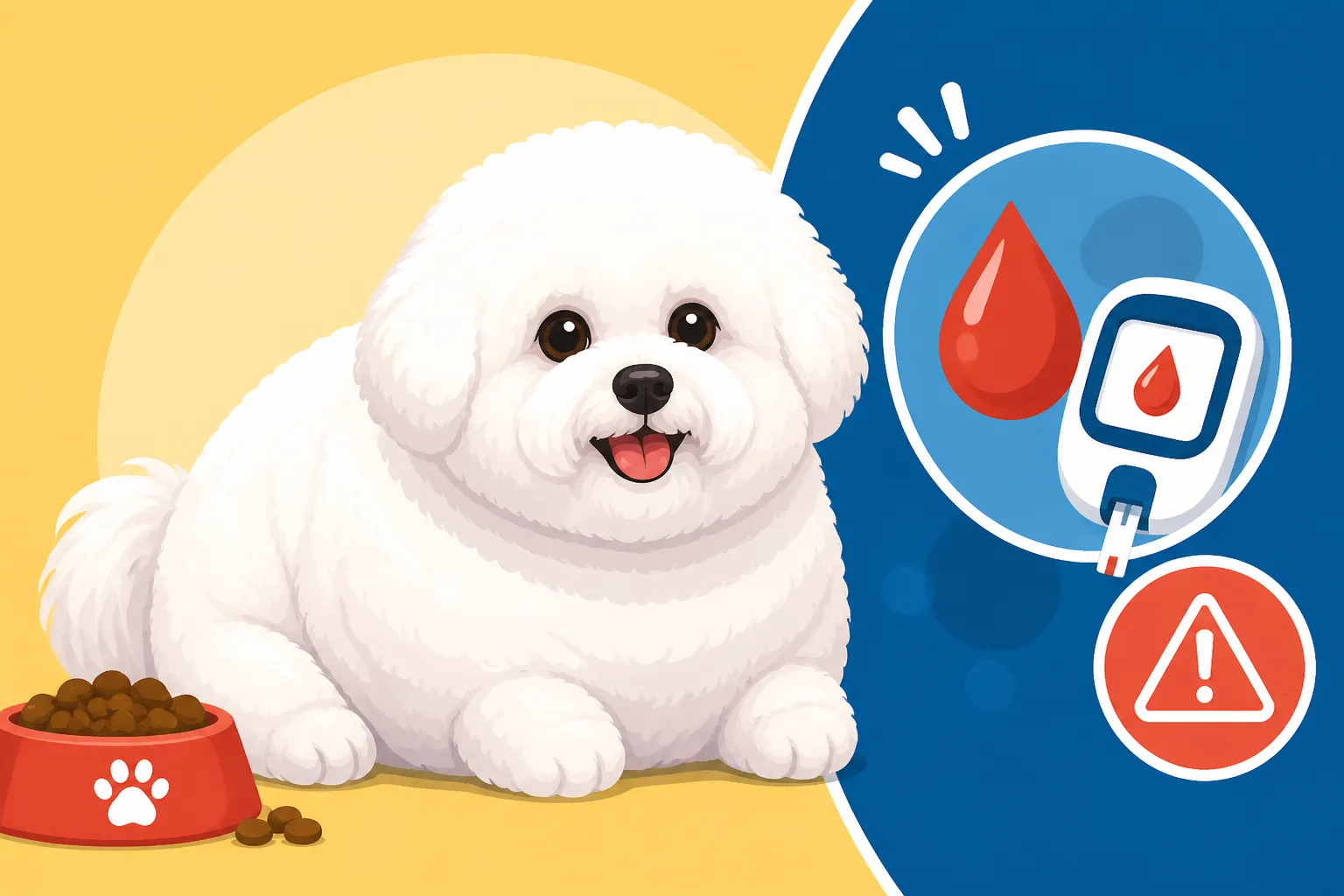
Whether an Overweight Bichon Frise Risks Diabetes
It's a common sight: a fluffy, little Bichon Frise, maybe a bit rounder than they used to be, curled up on the sofa. We all love to spoil our furry companions, and a little extra chub can seem endearing. But beneath that soft, white coat, a few extra pounds can be a silent threat, potentially setting the stage for serious health issues like diabetes. This guide will explore the often-overlooked link between your Bichon Frise's weight and their risk of developing diabetes, helping you understand the dangers and take proactive steps to keep them healthy and happy for years to come.
Understanding What "Overweight" Means for Your Bichon Frise
It's easy for us dog parents to underestimate our Bichon's weight. Their fluffy coats can hide a multitude of sins, making a pudgy belly look simply "cuddly" rather than a health concern. However, carrying excess weight isn't just about appearance; it places a significant strain on their small bodies and internal systems.
How to Spot if Your Bichon Frise is Overweight
Knowing if your Bichon Frise is carrying too much weight requires a bit more than just stepping on a scale. It involves a hands-on assessment and observing their daily habits. The ideal way to tell is through a body condition score (BCS), which vets use, but you can do a good preliminary check at home.
First, the rib check: Gently run your hands along your Bichon's sides. You should be able to feel their ribs quite easily, almost like knuckles under a thin layer of skin, without having to press hard. If you have to dig your fingers in to locate them, or if you can't feel them at all, that's a red flag. Next, look down at your Bichon from above. You should see a noticeable waistline, an indentation behind their ribs, before their hips. If your Bichon looks like a furry cylinder from head to tail, with no discernible waist, they're likely overweight. Lastly, check their profile. There should be an abdominal tuck, meaning their belly should tuck up slightly from their chest to their hind legs, not sag or hang low. Beyond these physical cues, pay attention to their energy levels. Are they less enthusiastic about walks? Do they tire more easily during playtime? Are they struggling to jump onto the sofa or into the car? These can all be subtle Signs a Bichon Frise Is Carrying Too Much Weight. It's often tough for owners to be objective, but these physical and behavioral changes are critical indicators.
The Ideal Weight Range for a Bichon Frise
While it's tempting to look for a specific number on the scale, the "ideal weight" for a Bichon Frise isn't a single, fixed figure. It varies based on individual genetics, bone structure, and even gender. Generally, adult Bichon Frises typically weigh somewhere in the range of 12 to 18 pounds. However, a lean, athletic Bichon might be on the lower end, while a slightly more robust, but still healthy, one could be on the higher side. What's far more important than the exact number is their body condition score.
Veterinarians use a 5-point or 9-point body condition scoring system. On a 5-point scale, a score of 3 is ideal: ribs easily palpable, visible waist, and an abdominal tuck. A score of 4 or 5 indicates overweight or obese. On a 9-point scale, a 4 or 5 is ideal. The crucial takeaway here is that you're aiming for that healthy physique, not just a number. If your Bichon's weight pushes them outside this healthy range, even by a couple of pounds, it can have a disproportionate impact on their small frame and internal organs, significantly increasing their risk for various health problems, including metabolic conditions like diabetes. Always consult your veterinarian to determine the most appropriate ideal weight and body condition for your specific dog.
Here's a simplified body condition score guide to help you assess your Bichon Frise at home:
| Condition Score | Appearance | Ribs | Waist & Abdomen | Energy Level |
|---|---|---|---|---|
| Too Thin | Ribs, spine, and pelvic bones easily visible | Very easily visible and felt, no fat covering | Exaggerated tuck, very prominent waist | Potentially low, sometimes hyper |
| Ideal Weight | Ribs easily felt, smooth contour | Easily palpable, minimal fat covering | Clearly visible waist, noticeable abdominal tuck | Alert, playful, good stamina |
| Overweight | Ribs palpable with difficulty, broad back | Harder to feel, moderate fat covering | Waist barely visible or absent, slight abdominal sag | Reduced stamina, less eager to play |
| Obese | Ribs very difficult to feel, heavy fat deposits | Covered by thick fat layer, impossible to count ribs | No waist, abdominal distention, significant sag | Lethargic, unwilling to exercise |
The Critical Link Between Obesity and Diabetes in Dogs
For us humans, the connection between carrying extra weight and developing type 2 diabetes is widely known. It's no different for our canine companions. Obesity is a primary risk factor for diabetes mellitus in dogs, and it's a concern every Bichon Frise owner should take seriously.
How Excess Fat Affects Insulin Sensitivity
Let's break down the science a little. When your Bichon Frise eats, their body converts carbohydrates into glucose (sugar), which is then absorbed into the bloodstream. Insulin, a hormone produced by the pancreas, acts like a key, unlocking cells to allow glucose to enter and be used for energy. This keeps blood sugar levels balanced. However, when a dog is overweight, their body's cells can become less responsive to insulin. This is known as insulin resistance.
Imagine the key (insulin) trying to open a lock (the cell). In an overweight dog, the lock becomes "sticky" or partially jammed, so the key doesn't work as effectively. This means that even with insulin present, glucose struggles to get into the cells, leading to higher levels of sugar remaining in the bloodstream. To try and compensate for this, the pancreas goes into overdrive, producing even more insulin to force those sticky locks open. Over time, this constant overwork can exhaust the pancreas.
Pancreatic Strain and Diabetes Development
The pancreas is an incredible organ, but it has its limits. If it has to continuously produce excessive amounts of insulin to counteract insulin resistance caused by obesity, it can eventually become damaged and less efficient. Think of it like a small engine constantly running at maximum capacity; eventually, it wears out.
When the pancreatic cells responsible for insulin production (beta cells) become depleted or dysfunctional from chronic overexertion, they can no longer produce enough insulin to manage blood sugar effectively. At this point, the dog develops diabetes mellitus. This means their body can't properly regulate blood glucose, leading to persistently high blood sugar levels, which can cause a cascade of health problems throughout the body. For a Bichon Frise, whose overall health is already something we monitor closely, avoiding this pancreatic strain through weight management is incredibly important.
Specific Risks for Bichon Frises and Weight-Related Issues
While any dog can be affected by obesity, Bichon Frises have certain characteristics and predispositions that make the weight-diabetes link particularly pertinent to their care. Understanding these can help owners be more vigilant.
Genetic Predisposition vs. Lifestyle Factors
Bichon Frises are generally known for their love of food and their often less intense exercise needs compared to larger, more active breeds. This combination can set them up for weight gain if their diet and activity aren't carefully managed. Some breeds do have a genetic predisposition to diabetes, and while Bichons aren't typically at the top of that list like Samoyeds or Poodles, the genetic dice can always roll unexpectedly in any individual dog. What is certain is that if a dog carries any genetic inclination towards diabetes, becoming overweight will significantly magnify that risk. Lifestyle factors, therefore, become paramount.
A sedentary lifestyle, common in many pampered house dogs, coupled with free-feeding or excessive treats, creates the perfect storm for weight gain. It's easy for small dogs like Bichons to gain weight quickly because even a small excess in calories makes a big difference to their tiny bodies. A single extra biscuit might be negligible for a Labrador, but for a 15-pound Bichon, it can be a substantial portion of their daily caloric intake. This means owners must be incredibly diligent with portion control and activity. The Diet a Bichon Frise Stays On for Life (even if not for stones, but for general health) is a common topic of discussion with vets for good reason.
Other Health Issues Exacerbated by Excess Weight
Beyond the direct risk of diabetes, being overweight compounds several other health issues that Bichon Frises are already prone to, creating a cycle of declining health. One major concern is joint problems. Bichons can be susceptible to conditions like Slipping Kneecaps in a Bichon Frise (luxating patellas) and even arthritis as they age. Extra weight puts immense strain on these delicate joints, worsening pain, accelerating cartilage degradation, and making it even harder for them to exercise. This creates a vicious cycle: pain leads to less movement, less movement leads to more weight gain, which leads to more pain.
Overweight Bichons also face increased risks for respiratory problems, especially if they have any degree of collapsing trachea or brachycephalic tendencies (though Bichons are not considered brachycephalic, severe obesity can mimic some of the breathing challenges). Their cardiovascular system also works harder, increasing the risk of heart disease. Furthermore, skin folds can develop or worsen with obesity, creating warm, moist environments perfect for yeast and bacterial infections, adding to the list of health woes. An overweight Bichon is simply more vulnerable across the board, making proactive weight management a cornerstone of their long-term well-being.
Preventing and Managing Weight in Your Bichon Frise
The good news is that weight management for your Bichon Frise is largely within your control. It's about consistency, education, and making informed choices that prioritize their health above all else.
Dietary Adjustments and Portion Control
The foundation of weight management starts in the food bowl. Many Bichon Frise owners inadvertently overfeed their dogs, often by not accurately measuring portions or by free-feeding. Instead of "eyeballing" it, invest in a measuring cup and stick to precise portion sizes recommended by your veterinarian or the dog food manufacturer's guidelines, adjusting based on your dog's activity level and current weight. Remember, these guidelines are often for active adult dogs, so a less active Bichon might need even less. How Much Food a Bichon Frise Eats Monthly will tell you a lot about typical consumption, but individual needs vary greatly.
Consider the type of food as well. High-quality kibble with appropriate protein and fiber levels can help them feel full. For dogs needing to lose weight, your vet might recommend a prescription weight-management diet, which is typically lower in calories and higher in fiber. If you're exploring fresh food options, brands like Ollie can offer carefully portioned, nutrient-dense meals that might help with weight control, but always discuss with your vet first to ensure it meets your Bichon's specific needs and caloric requirements. Avoid table scraps entirely. Human food, even in small amounts, can add significant calories and unbalance their diet, often contributing to a picky eating habit. If your Bichon Frise Is a Fussy Eater, work with your vet to find a palatable, healthy food they will enjoy while still managing calories.
Exercise Routines Tailored for a Bichon Frise
While Bichon Frises aren't typically marathon runners, consistent, appropriate exercise is vital for maintaining a healthy weight and overall fitness. Don't underestimate the power of daily walks. Aim for at least two walks a day, 15-30 minutes each, depending on your dog's age and fitness level. If your Bichon is older or has joint issues, shorter, more frequent strolls might be better. A brisk pace that keeps them engaged and moving is ideal.
Beyond walks, incorporate playtime. Interactive toys, a game of fetch in a safe, enclosed area, or even indoor games can burn calories and provide mental stimulation. Puzzle feeders can also be a great way to make mealtime more engaging and burn a few extra calories as they "work" for their food. If your Bichon enjoys it, consider brief training sessions; teaching new tricks or refining old ones provides mental exercise that also contributes to calorie expenditure. You might be surprised at how much energy a Bichon can burn with focused activity. Remember, even a small increase in daily activity can make a big difference over time. If you work long hours, you might consider Whether a Bichon Frise Needs a Dog Walker to ensure they get enough mid-day activity.
Smart Snacking and Treat Choices
Treats are often where extra calories sneak in. We love to give them, and our Bichons love to receive them! However, treats should be considered part of their daily caloric intake, not an addition. If your Bichon needs to lose weight, you might need to cut out commercial treats entirely or switch to very low-calorie alternatives.
Instead of store-bought biscuits, consider using small pieces of steamed green beans, carrots, or apple (without seeds) as healthy, low-calorie treats. These provide crunch and satisfaction without the caloric punch. For training, break commercial treats into tiny, pea-sized pieces to stretch them further and reduce calorie intake. You can also use a portion of their daily kibble as treats. Interactive toys filled with a small amount of their regular food can also be a rewarding alternative. When purchasing treats, always check the calorie count on the packaging. Brands available on Chewy or Amazon often list nutritional information, allowing you to make more informed choices. Remember, the goal is to reward and reinforce good behavior without undermining your Bichon's weight management efforts.
Recognizing the Signs of Diabetes in Your Bichon Frise
Despite our best efforts, sometimes health conditions develop. Being vigilant and knowing the early signs of diabetes in your Bichon Frise can lead to quicker diagnosis and more effective management, potentially saving their life.
Increased Thirst and Urination (PU/PD)
One of the most classic and noticeable signs of diabetes in dogs is increased thirst and urination, often referred to as PU/PD (polydipsia/polyuria). If you notice your Bichon Frise constantly emptying their water bowl and demanding more, or if they're having accidents in the house when they were previously perfectly housetrained, this is a major red flag.
The reason for this is directly related to high blood sugar. When there's too much glucose in your Bichon's bloodstream, their kidneys try to filter it out. Glucose acts as an osmotic diuretic, meaning it pulls water along with it, causing the kidneys to excrete more urine. This excessive urination then leads to dehydration, making your Bichon feel incredibly thirsty, so they drink more, perpetuating the cycle. This isn't just a slight increase; owners often describe it as their dog drinking "constantly" or having a sudden, inexplicable loss of bladder control. If you're suddenly needing to let your Bichon out much more frequently or noticing large puddles of urine indoors, it's time to call the vet immediately. Whether a Cushing's Bichon Frise Drinks Constantly is another condition with similar signs, so a vet visit is essential for accurate diagnosis.
Changes in Appetite and Weight Loss (Despite Eating)
Another set of confusing but critical signs involves appetite and weight. You might notice your Bichon Frise has an insatiable appetite, seemingly always hungry, even right after eating a full meal. This increased hunger is called polyphagia. Despite eating more, however, diabetic dogs often lose weight.
This paradoxical combination happens because, even though there's plenty of glucose in the bloodstream, without enough effective insulin, the cells are essentially starving. The glucose can't get into the cells to be used for energy. So, your Bichon's body starts breaking down its own fat and muscle reserves for fuel, leading to weight loss. The dog feels hungry because their cells are screaming for energy, but the food they eat isn't being properly utilized. This chronic cellular starvation can also lead to a dull coat, lethargy, and a general decline in their overall condition. If your Bichon Frise is eating voraciously but still losing weight, or seems much more tired than usual, these are urgent symptoms that require immediate veterinary attention. Catching these signs early is crucial for starting treatment and improving your Bichon's prognosis, potentially avoiding complications like Diabetes in a Bichon Frise going undiagnosed.
Conclusion
Seeing your Bichon Frise thrive through their The Fourteen to Fifteen Years a Bichon Frise Lives is every owner's dream, and proactive care, especially regarding weight, plays a massive role in achieving that. The connection between an overweight Bichon Frise and the increased risk of diabetes is clear and significant. It's not just about aesthetics; it's about safeguarding their pancreas, supporting their joints, and ensuring their overall metabolic health. By committing to accurate portion control, a balanced diet, regular appropriate exercise, and smart treat choices, you are building a strong foundation for a long, healthy life for your furry companion. Regular veterinary check-ups are also indispensable, allowing your vet to monitor their weight, body condition, and catch any early signs of potential health issues before they become serious. Your vigilance and love can make all the difference in preventing diabetes and keeping your Bichon Frise happily bouncing along for many years to come.
Disclaimer
This article is for general informational purposes only and does not constitute professional advice. Laws, prices and regulations vary by location and change over time. Consult a qualified professional for guidance on your specific situation.