Whether a Bichon Frise’s Sanitary Area Needs Trimming
As a Bichon Frise parent, you know the daily dance with that glorious cloud-like coat. It's truly a thing of beauty, but let's be honest, it also comes with its own unique set of challenges. One area that often gets overlooked until it becomes a sticky, uncomfortable problem is your Bichon Frise's sanitary area. This guide is here to walk you through exactly why trimming this delicate region isn't just a recommendation but an absolute necessity for their comfort and health, and how you can manage it effectively.
Understanding the "Sanitary Area" for a Bichon Frise
When we talk about a dog's "sanitary area," it might sound a bit vague, but for a Bichon Frise, it refers to a very specific set of anatomical zones that are critical for their cleanliness and well-being. This isn't just about aesthetics; it's deeply tied to preventing discomfort, infections, and even serious blockages. Ignoring this area can lead to truly unpleasant and unhygienic situations for both you and your fluffy companion.
What Exactly Constitutes the Sanitary Area?
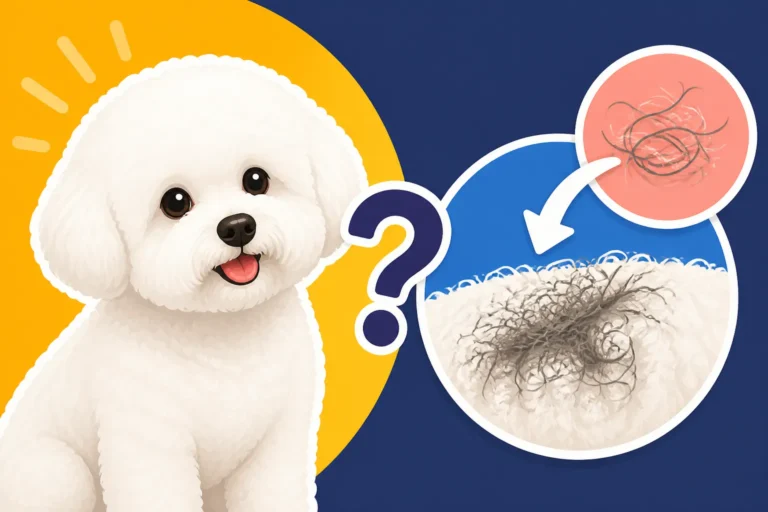
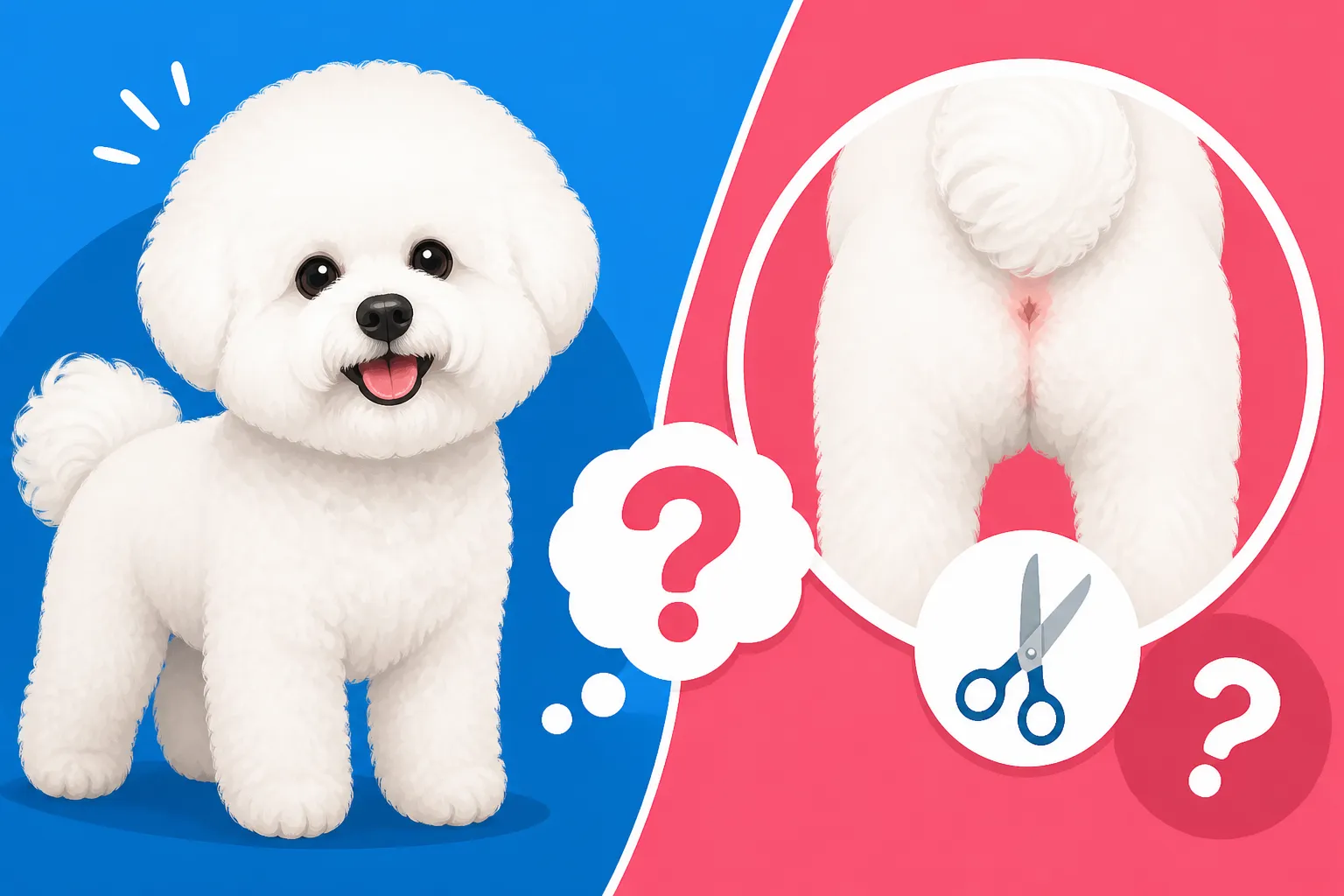
For our beloved Bichons, the sanitary area primarily encompasses the fur around their anus and genitals. Specifically, this includes the hair immediately surrounding the anal opening, the fur on the underside of the tail, and the hair around the vulva for females or the prepuce for males. Think of it as the "business end" where hygiene is paramount. A dense, fluffy coat like a Bichon's means this area is often thickly covered, creating a perfect trap for bodily waste. Without careful management, this soft, long fur can quickly become soiled, matted, and problematic. It's a delicate balance to trim effectively without causing irritation or injury, which is why understanding its boundaries is so important.
Why This Area is Prone to Trouble
The thick, curly, non-shedding coat of a Bichon Frise is what makes them so endearing, but it's also precisely why their sanitary area is a magnet for trouble. Unlike many breeds with shorter, coarser hair, a Bichon's fur in this region can easily become contaminated with feces or urine. Imagine trying to keep a fluffy white cotton ball pristine in a muddy puddle – that's often the daily struggle. Fecal matter can get caught in the long hair around the anus, creating unpleasant "dags" that can harden and become incredibly painful. For females, urine can soak the fur around the vulva, leading to urine scald, skin infections, and a persistent odor. Males aren't immune either, with urine often wetting the belly fur near the prepuce. This constant dampness and accumulation of waste create a breeding ground for bacteria and yeast, leading to skin irritation, redness, and itching. It’s a vicious cycle that can quickly turn a minor oversight into a significant health concern, impacting your dog's overall comfort and happiness.
The Undeniable Need for Trimming
Let's be blunt: trimming your Bichon Frise's sanitary area is not optional. It's a non-negotiable part of responsible Bichon ownership. Anyone who tells you otherwise simply hasn't dealt with the reality of matted faecal matter or urine scald on a long-coated dog. It's a preventative measure that saves your dog from discomfort and you from some truly gross cleanup jobs. Trust me, a little regular maintenance goes a very long way in keeping your furry friend happy and healthy.
Preventing Fecal and Urine Accumulation
The most obvious and immediate benefit of trimming the sanitary area is preventing the accumulation of waste. Without a clear path, feces can get hopelessly tangled in the long, soft fur around the anus. This isn't just gross; it can dry, harden, and literally block your dog's ability to defecate comfortably. Imagine having something stuck there constantly pulling at your skin – it's incredibly painful and can lead to stool retention or even impaction. Similarly, for both male and female Bichons, urine can saturate the surrounding fur, leading to persistent dampness. This moisture against the skin causes painful urine scald, similar to diaper rash in babies. It burns, itches, and can become a portal for bacterial infections. A clean, short sanitary trim ensures that urine and feces can pass cleanly without getting trapped in the coat, keeping your Bichon much more comfortable and reducing the risk of these common, preventable issues. This is a primary reason why a regular trim is so important for their daily comfort and ability to relieve themselves without struggle.
Avoiding Mats and Skin Irritation
Beyond direct waste accumulation, the sanitary area is also highly prone to matting, which is a major source of discomfort and skin irritation for Bichons. The fine, dense undercoat combined with the longer outer coat easily tangles, especially when it's frequently damp or soiled. Once mats form in this delicate region, they can quickly tighten and pull on the skin, causing pain and restricting movement. These mats can also trap moisture and debris against the skin, creating an ideal environment for bacterial and yeast infections to flourish. This can lead to hot spots, redness, inflammation, and persistent itching, making your dog miserable. Many owners report their Bichons becoming withdrawn or even aggressive when touched in these sensitive, matted areas because it’s simply too painful. A proactive sanitary trim significantly reduces the likelihood of matting in these high-friction, high-moisture zones. It's far easier to prevent a mat than to deal with one that's already tightly formed and potentially causing skin issues. Regular trims contribute directly to a healthier, happier skin and coat for your Bichon.
Impact on Overall Hygiene and Health
The benefits of a well-maintained sanitary area extend far beyond just preventing immediate problems; they contribute significantly to your Bichon Frise's overall hygiene and long-term health. A clean sanitary area means a cleaner dog, which in turn means a cleaner home environment for you. No more worrying about dingleberries dropping on the carpet or lingering urine odors in their bedding. Furthermore, by preventing urine scald and matting, you're actively reducing the chances of secondary bacterial or yeast infections that can escalate into more serious dermatological conditions. For instance, if a skin infection takes hold due to persistent dampness or irritation, it might require veterinary attention, including antibiotics or antifungals, which can be costly and stressful for your pet. What Treating a Bichon Frise's Skin Costs Every Year details some of the expenses involved. Keeping the fur short also allows for better air circulation, promoting healthier skin. Regular inspections and trims also give you a chance to check for any abnormalities, such as unusual lumps, bumps, or discharges, allowing for early detection of potential health issues. This proactive approach to grooming is a cornerstone of responsible pet care, enhancing both your Bichon's quality of life and your peace of mind.
How to Approach Sanitary Trimming Safely
Trimming your Bichon Frise's sanitary area can seem daunting, especially if you're new to it. It's a sensitive region, and your dog's comfort and safety are paramount. However, with the right tools, a calm approach, and a bit of practice, it's absolutely something you can manage at home between professional grooming appointments. Don't rush, and always prioritize your dog's well-being over getting a perfect trim the first time.
Tools of the Trade for Home Grooming
Having the right tools is crucial for a safe and effective sanitary trim. First, invest in a good pair of blunt-nosed grooming scissors. These are specifically designed with rounded tips to minimize the risk of accidental pokes or cuts, especially in such a delicate area. You can find excellent options on platforms like Chewy or Amazon. For those who prefer clippers, small, quiet, cordless trimmers are ideal. Look for models designed for delicate areas or "paw pad" trimmers, as they often have smaller blades that are easier to maneuver. A good quality pet-specific clipper will reduce pulling and irritation. Brands like Wahl or Andis often offer suitable models. Always make sure your clipper blades are clean, sharp, and cool to prevent "clipper burn." You'll also want a sturdy grooming comb to brush the hair away from the skin before trimming and a bottle of styptic powder, just in case you nick the skin (it happens, even to pros!). A grooming table with a non-slip surface or a comfortable, elevated spot where your dog feels secure can also make a huge difference.
Step-by-Step Guide for At-Home Trimming
Before you begin, ensure your Bichon is calm and relaxed. A short walk or playtime beforehand can help. Gather all your tools and work in a well-lit area.
- Preparation is Key: Start by gently brushing the hair in the sanitary area with a fine-toothed comb to remove any tangles or debris. This also helps you see the natural lay of the coat. If there are any stubborn mats, try to carefully work them out with a dematting spray or a wider comb, or opt for a professional groomer if they're too tight. Trying to cut through a mat can be risky.
- Positioning Your Bichon: For males, it's often easiest to have them stand or lie on their side. For females, gently lift their tail over their back and have them stand. You might need a second person to help hold them steady and offer treats.
- The "Anus" Area: With your blunt-nosed scissors or small clippers, carefully trim the hair directly around the anal opening. You want to create a small, clear perimeter, ensuring no hair is long enough to catch feces. Always point the tips of the scissors away from the skin, or use clippers with the blade flat against the skin (moving with the grain of the hair) to avoid cutting. Keep this area tidy and short, but not completely bald, as a little bit of hair provides a natural protective barrier.
- The "Genital" Area:
- For Females: Gently separate the fur around the vulva and trim it short. The goal is to prevent urine from wicking up into the surrounding coat. Use your non-trimming hand to gently pull the skin taut and away from the fur you're cutting, creating a flat surface. Again, blunt-nosed scissors are your friend here.
- For Males: Carefully trim the hair around the prepuce. This helps prevent urine from staining the belly fur and reduces moisture accumulation, which can lead to skin irritation. You can use clippers or scissors, being extra cautious of the delicate anatomy.
- Under the Tail: Don't forget the underside of the tail, especially near the base, as this fur can also become soiled. Trim it to a consistent short length with the rest of the sanitary area.
- Finishing Up: After trimming, give the area a quick wipe with a pet-safe grooming wipe to remove any loose hairs or dust. Reward your Bichon with praise and a favorite treat for their cooperation! Regular practice will make both of you more comfortable. This step-by-step approach should be performed every few weeks, or as needed, depending on your dog's coat growth and daily activities.
When to Seek Professional Grooming Help
While at-home sanitary trims are definitely doable, there are times when calling in a professional groomer is the best, safest, and most stress-free option. If your Bichon's coat is severely matted in the sanitary area, it's incredibly difficult and risky to try to remove them yourself without causing pain or injury. A professional groomer has specialized tools and expertise to safely de-mat or shave down these areas. If your dog is particularly squirmy, anxious, or reactive to grooming, a groomer can often handle them with greater ease and safety, potentially even using a gentle muzzle if necessary. They're also trained to identify early signs of skin conditions or other issues you might miss. Think of a professional groomer as a partner in your Bichon's care; they can handle the trickier aspects, giving you peace of mind. Plus, a full professional groom will ensure your Bichon looks and feels fantastic from head to paw, not just in the sanitary zone! How Often a Bichon Frise Needs Grooming is a good resource for understanding how frequently these professional visits might be needed.
Maintaining the Sanitary Area Between Trims
A sanitary trim isn't a "one and done" solution; it's an ongoing commitment, especially with a breed like the Bichon Frise. Their fast-growing, dense coat means that cleanliness needs consistent attention between full trims. Thankfully, there are several simple habits you can adopt daily and weekly to keep that delicate area pristine and comfortable, reducing the need for emergency interventions.
Daily Checks and Wipes
Incorporating a quick daily check and wipe-down into your routine can make a world of difference for your Bichon's sanitary area. After every potty break, especially after defecation, take a moment to inspect the fur around their bottom. If you notice any fecal residue, gently wipe it away with a pet-safe grooming wipe. Brands like Earthbath or similar products found on Chewy or Amazon are excellent for this – just make sure they're alcohol-free and fragrance-free to avoid irritation. For females, a quick wipe around the vulva can help prevent urine scald, particularly if they tend to squat low. This daily habit prevents small issues from becoming big, matted, smelly problems. It also gets your Bichon used to being handled in that area, making future trimming sessions much less stressful. Consider it like brushing their teeth – a small, consistent effort that yields huge long-term benefits for their hygiene and your peace of mind.
The Role of Diet in Fecal Consistency
It might not seem directly related to trimming, but your Bichon Frise's diet plays a significant role in the consistency of their stools, which directly impacts how clean their sanitary area stays. A dog on a high-quality, balanced diet that agrees with their digestive system will typically produce firm, well-formed stools that are easy to pick up and less likely to smear or cling to surrounding fur. On the other hand, a diet that causes loose stools, diarrhea, or excessive gas will inevitably lead to a messier sanitary area, increasing the frequency with which you need to clean and potentially trim. If your Bichon frequently has soft stools, it's worth discussing their diet with your vet. They might recommend a prescription diet or a food specifically formulated for sensitive stomachs. Even premium dog foods available through services like Ollie, known for their fresh, human-grade ingredients, can make a difference in stool quality. Always introduce new foods gradually to avoid upsetting their stomach, and monitor their stool consistency closely. A healthy gut means a cleaner butt!
Regular Baths and Drying
Even with daily wipes and a good diet, regular bathing is still essential for maintaining overall cleanliness, including the sanitary area. A full bath every 2-3 weeks, or more frequently if your Bichon gets particularly dirty, helps keep their coat clean and fresh. When bathing, pay special attention to thoroughly shampooing and rinsing the sanitary region. Use a gentle, dog-specific shampoo. Which Shampoo Suits an Itchy Bichon Frise might be helpful if your dog also suffers from skin sensitivities. However, the drying process is just as, if not more, critical for Bichons. Their dense double coat can trap moisture against the skin for extended periods, especially in the sanitary area, leading to skin irritation and potential infections. After bathing, use a high-velocity pet dryer (if your dog tolerates it) or a regular hairdryer on a cool setting, brushing the hair as you dry to ensure the coat is completely dry down to the skin. Never leave a Bichon to air dry, especially in the sanitary area. Proper drying helps prevent matting and ensures the skin remains healthy and free from moisture-related issues, creating a fresh foundation for cleanliness.
Disclaimer
This article is for general informational purposes only and does not constitute professional advice. Laws, prices and regulations vary by location and change over time. Consult a qualified professional for guidance on your specific situation.