Whether a Show Trim Is Practical for a Pet Bichon Frise
It's completely understandable to look at those beautiful, fluffy Bichon Frise show dogs and wonder if you could achieve that same iconic "powder puff" look for your beloved pet. The allure of that perfectly rounded head and cloud-like body is powerful, but many of us quickly discover that what looks effortless in the show ring is often a monumental undertaking at home. This guide will explore whether maintaining a show trim is a practical reality for the average pet owner, or if there's a more realistic approach to keeping your Bichon looking fabulous without the immense commitment.
Understanding the Show Trim Ideal
The Bichon Frise show trim is a hallmark of the breed, a meticulously crafted look that accentuates their merry disposition and charming features. It's more than just a haircut; it's an art form that requires specific skills, tools, and a deep understanding of the breed standard.
The 'Powder Puff' Standard
When we talk about a "show trim" for a Bichon Frise, we're envisioning the classic "powder puff" look. This isn't just a fluffy dog; it's a specific silhouette designed to highlight the dog's structure, gait, and overall appeal according to breed standards. The coat is scissored into a rounded, balanced shape, with a pronounced, perfectly spherical head that frames the face. The body coat should appear soft, dense, and full, not clipped short or choppy. This look demands a certain length and texture of coat to achieve that characteristic "spring back" quality, giving the dog its buoyant appearance. It's a look that screams elegance and pristine grooming, making the Bichon almost float across the ring.
This ideal isn't just for aesthetics; it's a functional representation of what the breed should embody. Every curve, every feathering of the coat, contributes to an overall impression of joyful vitality. Think of it like a carefully sculpted masterpiece, where each strand of hair plays a role in creating the desired effect. The goal is to present a dog that is in peak condition, with a coat that is flawlessly white, impeccably clean, and expertly shaped, ensuring it truly lives up to its heritage as a charming companion dog. This level of precision is typically achieved through hours of dedicated grooming by professionals or highly experienced owners who understand the intricacies of The Powder Puff Outline a Bichon Frise Is Scissored Into.
The Skill and Time Involved
Achieving and maintaining a show trim is incredibly time-consuming and requires significant skill. Professional show groomers spend years honing their craft, learning how to use scissors, combs, and dryers to create that perfect silhouette. It's not about simply taking a pair of clippers to the coat; it involves hand scissoring, precise shaping, and meticulous attention to detail. Every hair must be in its place, and the coat must be brushed and fluffed to perfection. This means regular, often daily, brushing and combing to prevent mats, along with frequent baths and thorough blow-drying to achieve that characteristic fluffiness.
Imagine dedicating at least an hour every day to brushing and line-combing your dog's coat, ensuring no tangles are forming deep within. Then, factor in a bath every week or two, which isn't just a quick dunk. It involves specialized whitening shampoos, conditioners, and a lengthy blow-drying process, meticulously brushing the hair while it dries to achieve maximum volume and prevent frizz. All this is before the actual scissoring, which can take several hours in itself. For most pet owners, juggling work, family, and other commitments, finding this kind of dedicated time can feel nearly impossible. It’s a full-time hobby for those who compete, not a casual task.
Practicality for the Everyday Pet Parent
Stepping out of the show ring and into real life, the demands of a show trim quickly become apparent. What works for a dog whose primary job is to look pristine in a controlled environment doesn't always translate well to the active, playful life of a beloved pet.
The Maintenance Demands
The sheer volume of maintenance required for a show trim is often the biggest hurdle for pet parents. We're talking about daily brushing and combing from skin to tip to prevent mats, especially in areas like behind the ears, under the legs, and around the sanitary regions. A Bichon Frise's coat grows continuously and sheds very little, meaning dead hair gets trapped in the coat, forming mats if not brushed out. If you miss a day, or even a few hours during active play, you could be dealing with painful tangles. These mats can pull on the skin, cause discomfort, and if severe enough, require a full shave-down, which is heartbreaking for both dog and owner. How Long Brushing a Bichon Frise Takes often surprises new owners.
Beyond daily brushing, the show trim requires frequent bathing, usually weekly or bi-weekly, to keep that white coat pristine. This isn't just for cleanliness; it's crucial for preventing yellowing and maintaining coat health and texture. Each bath must be followed by a thorough blow-dry using a high-velocity dryer and brush-out to prevent matting and achieve the signature "powder puff" volume. Missing even one of these steps can quickly lead to a matted, dull, and unkempt coat. This rigorous routine is a massive time commitment and can be physically demanding, especially for owners who might have limited mobility or time.
Lifestyle Considerations
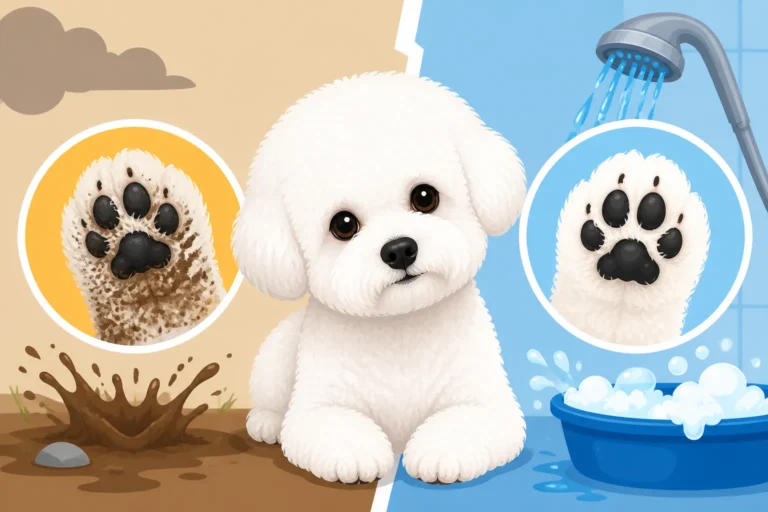
A show trim might look glamorous, but it often isn't practical for a Bichon Frise that lives a typical dog's life. Imagine your fluffy companion romping in the park, rolling in grass, or investigating puddles – all natural dog behaviors that are practically banned for a show dog in the days leading up to an event. A show-length coat acts like a magnet for dirt, burrs, leaves, and everything else outdoors. What's a quick rinse for a shorter-haired dog turns into a full bath and blow-dry session for a show-trimmed Bichon.
Consider the weather: rain, snow, or even damp grass can cause the long, fluffy coat to mat instantly. Hot, humid weather can also make a full, thick coat uncomfortable for your dog, despite its airy appearance. Moreover, a dog with a show trim might be more prone to tear staining around the eyes and staining on the feet and muzzle from eating and drinking, requiring constant vigilance and cleaning. If your Bichon loves to run, play, and be a dog, a show trim can become a source of stress and constant cleanup, rather than a joy. It really comes down to whether you want a canine companion or a living sculpture.
The Cost and Commitment
Beyond the time investment, maintaining a show trim comes with a significant financial commitment, whether you choose professional grooming or attempt to do it yourself.
Professional Grooming Expenses
Opting for professional grooming to maintain a show trim is undoubtedly the easiest route for many, but it comes with a considerable price tag. Bichon Frises need grooming every 4-6 weeks, and a show trim is one of the most labor-intensive styles, often commanding a higher fee. A standard pet trim is already a significant expense, but a show trim requires even more meticulous scissoring, bathing with specialized products, and extended drying time, making it much more costly per visit. These frequent visits add up over the year.
While specific prices vary widely by location and groomer, you can expect show-style grooming appointments to be on the higher end of the scale for a small dog. This doesn't even account for potential extra charges if your dog arrives matted because of insufficient home care between appointments. Some owners might try to stretch out grooming appointments to save money, but with a show trim, this often leads to severe matting and potential additional charges for dematting, or even a necessary shave-down, which defeats the purpose. What a Full Bichon Frise Groom Costs can be surprising for new owners, and a show trim amplifies that cost.
Home Grooming Realities
Many owners consider home grooming to save money, but maintaining a show trim at home is a steep learning curve with its own financial implications. First, you'll need a considerable investment in high-quality grooming tools: professional-grade clippers (even for touch-ups), various scissors (straight, curved, thinning), a good slicker brush, several metal combs, a forced-air dryer, a grooming table, and a wide array of specialized shampoos and conditioners. Brands like Andis, Wahl, and Chris Christensen are popular choices for professional-level tools, and you can find many of these items on platforms like Chewy or Amazon.
Beyond the initial investment, you'll need ongoing supplies, from shampoos to ear cleaners and nail trimmers. More importantly, you'll need the dedication to learn the techniques. This might involve enrolling in grooming courses, watching countless online tutorials, and practicing tirelessly. Mistakes are inevitable, and a bad cut can take months to grow out. For most, the time, effort, and expense of acquiring the skills and tools make consistent show-quality home grooming an impractical dream. It's a skill that takes years to master, not weeks.
Alternatives to the Show Trim
If the full show trim feels overwhelming, don't despair! There are many fantastic, more manageable grooming styles that still celebrate the Bichon Frise's charm while fitting perfectly into a pet owner's busy life.
The Pet Trim and Its Benefits
For most pet Bichons, a practical "pet trim" is the ideal solution. This style keeps the coat shorter and more manageable, usually clipped with a longer blade length (like 1/2 inch or 3/4 inch) on the body, while still leaving enough fluff to maintain that endearing Bichon appearance. The head can still be scissored into a lovely rounded shape, perhaps not as voluminous as a show trim, but still very cute and characteristic. The legs and tail might be left a bit longer, allowing for some of that fluffy aesthetic without the extreme length that invites matting.
The benefits of a pet trim are numerous. It drastically reduces the frequency and intensity of brushing required, often shifting from daily to every other day or even every few days, depending on the coat length. Baths become less frequent, perhaps every 2-3 weeks, and drying time is significantly cut down. This means less stress for both you and your dog, more time for play, and fewer painful matting incidents. Your Bichon will be more comfortable in all weather, and less prone to picking up debris or getting dirty. It's a happy medium that allows your dog to look adorable and be comfortable, without demanding a second job from you as a groomer. This often allows for a healthier skin and coat too, as Whether a Bichon Frise’s Skin Goes Pink can sometimes be related to irritation from overly dense, matted coats.
Adapting the Style to Your Life
The beauty of a pet trim is its flexibility. You can work with your professional groomer to find a length and style that suits your specific lifestyle. Do you live in an area with a lot of mud or burrs? A shorter body clip will be more practical. Does your dog love swimming? A slightly shorter overall length will dry faster. You can still ask for that cute round head and fluffy tail without committing to the full show length everywhere else. Many groomers are adept at creating a "modified Bichon look" that takes the breed's classic features and makes them practical for everyday life.
If you enjoy some home grooming, you can maintain shorter trims more easily between professional appointments. Regular brushing with a good slicker brush and comb, available at retailers like Ollie (which also offers pet food and treats that might be helpful for rewarding good grooming behavior), will keep the coat healthy and mat-free. You might even learn to do simple face and sanitary trims yourself, extending the time between full professional grooms. It’s about finding a balance that ensures your Bichon looks great, feels comfortable, and fits seamlessly into your family's routine, allowing you both to enjoy life without constant worry over a pristine show coat.
| Feature | Show Trim | Pet Trim |
|---|---|---|
| Coat Length | Long, full, meticulously scissored to standard | Shorter body, varied lengths on legs/head |
| Grooming Frequency | Daily brushing, weekly/bi-weekly professional groom | Every 2-3 days brushing, monthly professional groom |
| Time Commitment | Very High (hours daily/weekly) | Moderate (minutes daily/weekly) |
| Cost | High (specialized professional service & tools) | Moderate (standard professional service & tools) |
| Practicality | Low (for active pets, prone to dirt/mats) | High (easy maintenance, comfortable for pet) |
| Appearance Goal | Breed standard "powder puff" silhouette | Cute, fluffy, clean, and comfortable |
The idea of a show trim for a pet Bichon Frise is certainly appealing, and it's a testament to the breed's inherent beauty. However, the reality of the daily dedication, specialized skills, and financial commitment required often makes it an impractical choice for the average pet parent. Embracing a modified pet trim allows your Bichon to embody its cheerful spirit, stay comfortable and clean, and still look absolutely adorable, without turning grooming into a full-time job for you. Your furry friend will thank you for prioritizing their comfort and playtime!
Disclaimer
This article is for general informational purposes only and does not constitute professional advice. Laws, prices and regulations vary by location and change over time. Consult a qualified professional for guidance on your specific situation.