Whether Brushing Every Other Day Is Enough
It's a common question, and honestly, a source of major frustration for many new Bichon Frise parents: just how much grooming does this adorable, fluffy cloud really need? You see those beautiful, pristine Bichons on Instagram or at dog shows, and then you look at your own little floof, perhaps already developing tiny tangles after a couple of days, and wonder if you're doing something wrong. The truth is, the Bichon Frise coat is unique, and what might be "enough" brushing for another breed often falls short for our curly-haired companions. This guide will dive deep into the specific needs of the Bichon coat and explore whether brushing every other day truly cuts it.
The Unique Nature of the Bichon Frise Coat and Its Predisposition to Matting
Let's start by understanding what makes the Bichon Frise's coat so special, and simultaneously, so demanding. It’s not just a cute, fluffy exterior; it’s a finely tuned, low-shedding marvel that requires consistent attention to stay healthy and mat-free.
Understanding the Double Coat and Its Growth Cycle
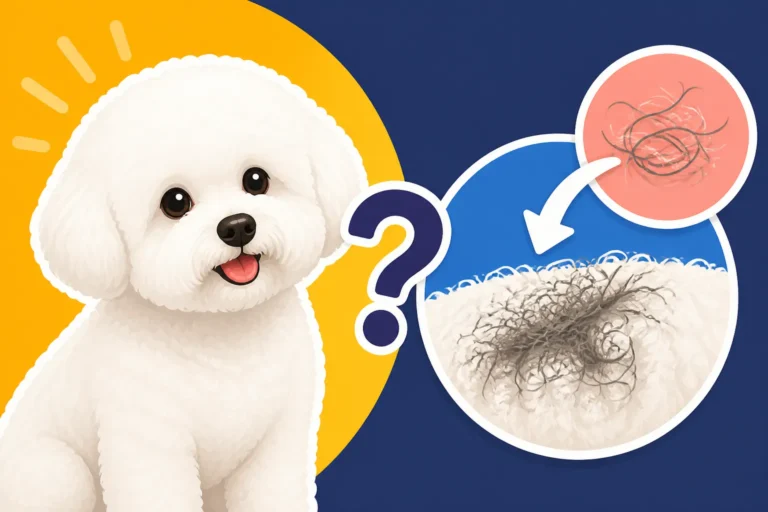
Unlike many breeds that "blow" their coat seasonally, the Bichon Frise possesses a double coat that continuously grows, much like human hair. This coat consists of a soft, dense undercoat and a coarser, curly outer coat. The "non-shedding" characteristic that makes them so appealing to allergy sufferers is also what makes them prone to matting. Instead of falling out onto your furniture, dead hair gets trapped within the dense, curly living coat. Imagine trying to comb through a tangled ball of wool that's constantly growing and interweaving with itself – that's essentially what happens with a Bichon's coat if not regularly brushed.
This continuous growth means that every single day, new hair is pushing up, and old hair is ready to shed but has nowhere to go. If not gently, but thoroughly, separated and removed, this trapped dead hair quickly forms knots. These knots then tighten with movement, moisture, and friction, leading to painful mats. It’s not just about aesthetics; mats pull on the skin, causing discomfort, irritation, and can even hide skin infections. Understanding Whether a Bichon Frise Coat Is Curly or Wavy can give you a better grasp of the texture you're dealing with, which directly impacts matting.
Why Mats Form So Quickly
The speed at which mats can develop in a Bichon Frise coat can be truly astounding, and often disheartening, for owners who are trying their best. It feels like you just brushed them, and suddenly, there’s a new tangle behind an ear or under an armpit. Why does this happen?
Firstly, the curly texture itself is a magnet for tangles. Each strand of hair, instead of lying straight, twists and turns, making it easier for them to hook onto each other. When you add the constantly shedding undercoat to this equation, it creates a perfect storm for mat formation. Secondly, everyday activities contribute immensely. A quick roll in the grass, a playful romp with another dog, even just sleeping can create friction that tightens the coat. Areas of high friction, like behind the ears, under the legs (armpits), around the collar, or where a harness sits, are notorious hotspots. Moisture, whether from a bath that isn't thoroughly brushed out, humidity, or even just drool around the mouth, can also cause the hair to clump and felt together almost instantly. It's truly a battle to keep Whether Loose Hair Trapped in the Coat Causes Mats from becoming a full-blown issue.
The Reality of "Enough" Brushing for a Bichon Frise
So, with all that in mind, is brushing every other day truly enough? The short answer for most Bichons is: probably not. While it's certainly better than nothing, it's often a recipe for frustration and the eventual development of stubborn mats.
Factors Influencing Brushing Frequency
To truly determine "enough," you need to consider several factors that influence how quickly your Bichon's coat will tangle:
- Coat Length: This is perhaps the biggest factor. A Bichon kept in a very short puppy cut (say, half an inch or less) might genuinely get by with every-other-day brushing, or even less, because there simply isn't enough length for significant matting to occur. However, if you prefer the traditional "powder puff" look or even a slightly longer pet trim, daily brushing becomes non-negotiable.
- Activity Level: A sedentary Bichon who spends most of its time on a lap will tangle less than one who loves to run through bushes, play fetch vigorously, or wrestle with canine friends. More activity equals more friction, and more opportunity for debris to get caught in the coat.
- Individual Coat Texture: Believe it or not, not all Bichon coats are exactly alike. Some have a slightly softer, silkier coat that might mat a touch less, while others have a very dense, cottony coat that seems to felt just by looking at it. This is often something you learn about your specific dog.
- Environmental Factors: Humidity can make a coat more prone to tangling. If your dog gets wet frequently (e.g., from rain, dew, or swimming), and isn't thoroughly dried and brushed afterward, mats will form.
- Age and Health: Puppy coats can be particularly tricky as they transition to adult fur, leading to increased matting (you might notice this around The Months a Bichon Frise Puppy Coat Changes). Older Bichons, especially if they have arthritis or other health issues, might not tolerate long grooming sessions, requiring more frequent, shorter brushes to compensate.
For a Bichon with a medium to long coat, living a normal, playful dog life, skipping a day of brushing means two days of dead hair accumulation and two days of potential mat formation. Those two days can often be enough for small tangles to tighten into solid, difficult-to-remove mats.
The Bare Minimum vs. Optimal Care
When we talk about "brushing every other day," we're often talking about the bare minimum, a frequency that might just keep severe matting at bay for some dogs under ideal conditions (like a very short cut). But it's far from optimal care for the majority of Bichons.
The "Every Other Day" Scenario: If you brush every other day, you're essentially allowing small tangles to start forming and potentially tighten on the "off" day. When you come back to brush, you'll likely encounter more resistance, making the session longer and potentially less pleasant for your dog. It's often a reactive approach, trying to untangle what has already begun to form, rather than a proactive one that prevents tangles in the first place. For areas like the armpits or behind the ears, even skipping one day can lead to felted patches that are hard to get out without causing pain.
Optimal Care: Daily Brushing: For the vast majority of Bichon Frises, especially those with longer coats, daily brushing is the gold standard. A quick 10-15 minute session each day can prevent small tangles from becoming big problems. This proactive approach makes brushing a much easier, faster, and more comfortable experience for your dog. It keeps the coat healthy, promotes good air circulation to the skin, and reduces the chances of painful matting. It also makes professional grooming sessions more pleasant, and potentially less costly, as the groomer won't have to spend excessive time (or charge extra fees) dematting. Investing in this daily routine from puppyhood, much like ensuring a healthy diet from brands like Ollie (though food doesn't prevent matting, overall health impacts coat quality), sets your Bichon up for a lifetime of comfortable grooming.
Establishing an Effective Grooming Routine Beyond Brushing
Brushing is a cornerstone, but it's part of a larger, integrated grooming strategy. A comprehensive approach ensures your Bichon's coat and skin remain healthy and beautiful.
Essential Tools and Techniques for a Bichon Frise
Having the right tools is half the battle when grooming a Bichon. You can't just grab any old brush and expect success.
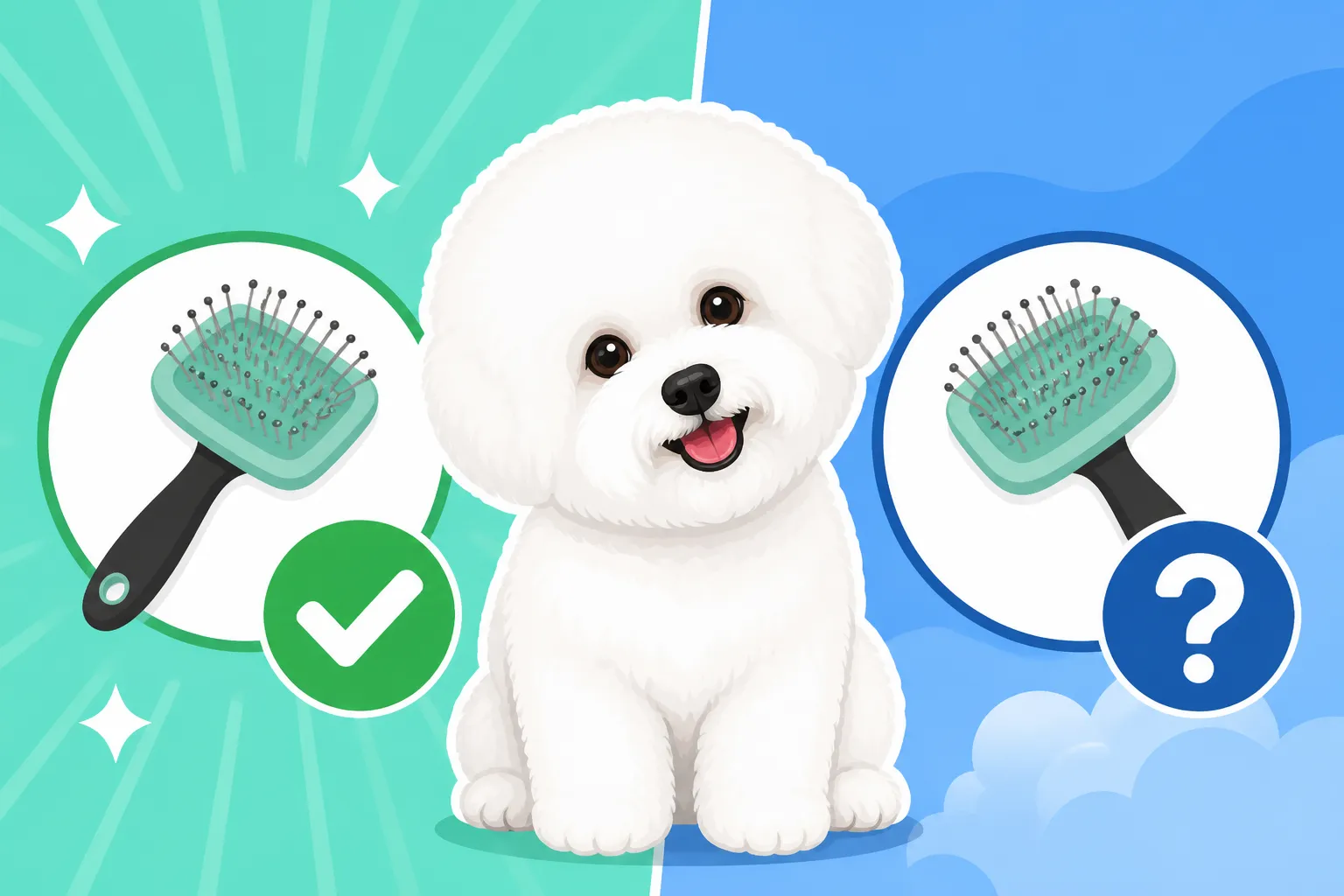
- Slicker Brush: This is your primary weapon against mats. Look for one with fine, bent wire pins. It should be firm enough to get through the dense coat but gentle enough not to scratch the skin. Brands like Chris Christensen offer excellent quality slicker brushes that are highly recommended for Bichon coats, and you can often find them on sites like Amazon or Chewy. Use it with a light touch, working in sections.
- Metal Comb: A good quality metal comb with both wide and narrow teeth is indispensable. This is your "check" tool. After using the slicker brush, run the comb through the coat. If the comb glides smoothly, you've done a good job. If it snags, you've found a tangle that needs more attention with the slicker. A fine-toothed comb is especially useful for the face and around the eyes.
- Detangling Spray: A good detangling spray can make a huge difference, especially if you encounter a stubborn knot. It lubricates the hair, making it easier to separate without breakage or pulling.
- Line Brushing Technique: This is crucial for Bichons. Instead of just brushing over the top of the coat, you need to brush in layers, or "lines." Start at the bottom of a leg or flank, part the hair horizontally, and brush a small section from the skin outwards. Hold the top layer of hair up with one hand, and brush the section below it. Work your way up the body, ensuring the brush reaches all the way to the skin. This prevents mats from forming close to the skin, which are the most painful and difficult to remove. This technique is key to Whether a Slicker Reaches a Bichon Frise's Skin and then making sure Whether a Comb Should Follow the Brush to confirm your work. Whether Line Brushing Is Necessary on a Bichon Frise is not just a suggestion; it's a necessity for this breed.
The Role of Professional Grooming and Baths
While daily home brushing is critical, it doesn't replace professional grooming. Think of it as teamwork between you and your trusted groomer.
- Regular Professional Grooms: A professional groomer not only clips and scissored your Bichon into that beautiful "powder puff" shape or a neat pet trim, but they also have high-velocity dryers that help straighten the curl for easier brushing and ensure the coat is thoroughly dry to prevent felting. They have specialized tools and expertise to address areas you might miss or struggle with. Most Bichons benefit from a full professional groom every 4-6 weeks. This frequency ensures their coat stays manageable and prevents severe matting. You should also consider How Often a Bichon Frise Needs a Full Groom when planning your budget and time.
- Bathing at Home: Frequent bathing (every 1-3 weeks, depending on lifestyle) is important for keeping the white coat clean and free of skin irritants. However, bathing a Bichon without proper technique can actually cause matting. Always brush out any tangles before bathing. Use a shampoo and conditioner appropriate for their coat type. The most critical step after bathing is thorough drying. You must blow-dry the coat completely, brushing as you go, to ensure every strand is separated and dry. Letting a Bichon air dry is an open invitation for mats to form and tighten as the curls dry haphazardly. For more insights on this, read up on Whether Medicated Baths Control a Bichon Frise's Infections if your Bichon has sensitive skin.
Troubleshooting Common Brushing Challenges
Even with the best intentions and tools, grooming a Bichon can sometimes feel like a test of patience. It’s okay; many owners face similar struggles.
When Brushing Becomes a Battle
If your Bichon fights every brushing session, it’s not only stressful for both of you, but it also makes it harder to do a thorough job, leading to more mats in the long run.
- Start Young and Make it Positive: The best time to introduce grooming is during puppyhood. Keep sessions short, positive, and full of praise and treats. Associate the brush with good things. Let them sniff the tools, touch them gently, and reward calm behavior. Even if they are older and already have an aversion, you can try to re-condition them.
- Short, Frequent Sessions: Instead of one long, arduous session every few days, try very short, daily sessions. Focus on just one area at a time—maybe a leg one day, the back another, then the ears. This reduces the overwhelming feeling for the dog.
- Proper Restraint (Gentle!): Sometimes, a little gentle restraint is necessary, especially if you're alone. A non-slip grooming table can be incredibly helpful for your back and for keeping your dog in one spot. Using a grooming arm and loop (always supervised!) can help them stand still without you having to hold them physically. The goal is to make them feel secure, not trapped.
- Address Discomfort: If your Bichon truly hates brushing, consider if there's an underlying reason. Are you pulling on mats? Is their skin sensitive? Are they in pain from arthritis? A vet check-up might be in order, especially if it's a sudden change in behavior. Always ensure you're not pulling or causing pain; this only reinforces their dislike.
Recognizing and Dealing with Mats Already Present
Despite your best efforts, mats can and will happen. Knowing how to handle them is crucial.
- Small, Loose Tangles: For small tangles, a detangling spray and careful work with a slicker brush, followed by a comb, can often do the trick. Work on the very edge of the tangle, gently separating a few hairs at a time.
- Tight, Persistent Mats: If you encounter a tight mat that won't budge with gentle brushing and spray, do not try to yank it out. This is incredibly painful for your dog and can tear their skin. Your options are:
- Mat Splitter: A specialized tool designed to cut through mats without cutting the dog's skin. Use it very carefully, never pulling the skin into the blade.
- Clippers: In some cases, careful use of small clippers (with a very short blade, like a #10) can get underneath a mat and gently shave it off, but this requires skill and extreme caution to avoid "nicking" the skin, which is very easy to do under a tight mat.
- Professional Groomer: For large, tight, or skin-bound mats, the safest and kindest option is almost always a professional groomer. They have the experience, tools, and understanding of dog anatomy to remove mats with the least amount of discomfort. Often, a severely matted Bichon will require a complete shave-down for their comfort and safety. It's tough to see your fluffy friend go bald, but it's much better than the pain of dematting. It’s important to understand Whether a Matted Bichon Frise Must Be Shaved and be prepared for that possibility.
Here’s a quick overview of brushing frequency based on common scenarios:
| Factor | Coat Length (Approx.) | Activity Level | Minimum Brushing Frequency | Optimal Brushing Frequency | Common Outcome if Less |
|---|---|---|---|---|---|
| Puppy Cut | 0.5 – 1 inch | Low to Moderate | Every other day | Daily | Minor tangles |
| Pet Trim | 1 – 2 inches | Moderate to High | Daily | Twice Daily | Frequent mats |
| Show/Long Coat | 2+ inches | Any (even low) | Twice Daily | Multiple times daily | Severe matting |
| Active Dog | Any | High | Daily | Twice Daily | Debris, mats, skin issues |
| Humid Climate | Any | Any | Daily | Twice Daily | Faster mat formation |
| Puppy (coat change) | 6-12 months | Any | Twice Daily | Twice Daily | Rapid, tight mats |
Ultimately, brushing your Bichon Frise isn't just about keeping them looking good; it's a fundamental part of their health and well-being. While brushing every other day might seem sufficient, for most Bichons, especially those with longer coats or active lifestyles, it's simply not enough to prevent uncomfortable and potentially painful matting. Daily, thorough line brushing with the right tools, combined with regular professional grooming, is the optimal approach to keeping your Bichon's iconic coat healthy, happy, and truly free from tangles. The effort is significant, but the reward is a comfortable, joyful companion.
Disclaimer
This article is for general informational purposes only and does not constitute professional advice. Laws, prices and regulations vary by location and change over time. Consult a qualified professional for guidance on your specific situation.