Which Prescription Diet Suits a Bichon Frise With Stones
It’s incredibly disheartening when your beloved Bichon Frise is diagnosed with bladder stones, and even more so when you realize how critical their diet becomes. This isn't just about feeding them; it's about actively preventing painful, recurring stones that can lead to emergency vet visits and even surgery. This comprehensive guide will walk you through understanding why certain prescription diets are essential for your Bichon, what specific ingredients and nutritional profiles to look for, and how to successfully transition and maintain your dog on a stone-preventing regimen for a healthier, happier life.
Understanding Why Diet is Crucial for Bichon Frise Stones
When your vet first tells you your Bichon Frise has bladder stones, it can feel overwhelming. You might wonder how something like food could make such a difference, but for these little white fluffballs, diet is often the cornerstone of prevention. It's not just a casual suggestion; it's a lifeline to preventing future pain and medical interventions.
The Specific Stone Type Bichons Are Prone To
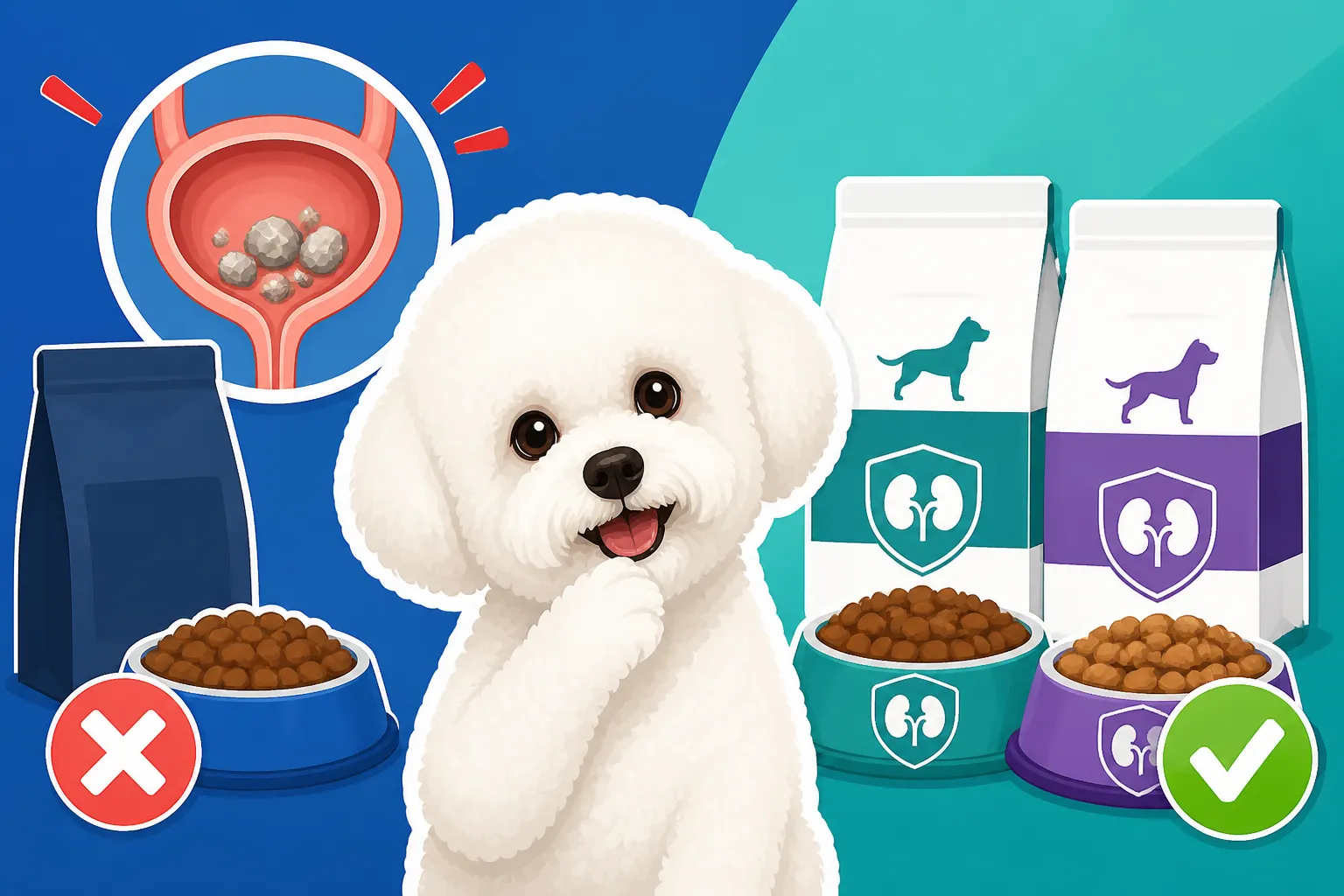
For many Bichon Frises, the primary culprit when it comes to bladder stones is calcium oxalate. This isn't a random occurrence; it's something these dogs are unfortunately genetically predisposed to. You might feel a pang of guilt wondering if you did something wrong, but often, it's just part of their breed's unique sensitivities. These stones form when there's an excess of calcium and oxalate in the urine, and certain conditions in the bladder create the perfect environment for these crystals to clump together and grow. Unlike some other stone types, calcium oxalate stones cannot be dissolved with diet alone once they've formed, which is why prevention is so utterly critical. It’s a battle against recurrence once the first stone has been found and removed, and diet is your main weapon. Many owners grapple with The Stone That Comes Back a Year After Bichon Frise Surgery, and that's often where diet steps in as a preventative measure.
How Diet Influences Stone Formation
Think of your Bichon's bladder as a tiny chemical factory. Everything they eat and drink passes through their system, and the byproducts end up in their urine. A diet that's high in certain minerals, or one that consistently creates urine with a specific pH level, can inadvertently create the perfect breeding ground for stone formation. For calcium oxalate stones, this means avoiding excessive calcium and oxalate, while also keeping the urine slightly alkaline, which encourages these crystals to form.
On the flip side, a properly formulated prescription diet works to counteract these conditions. It's designed to make the urine less hospitable for crystal formation, often by adjusting mineral levels, promoting a more acidic urine pH (for calcium oxalate stones, slightly acidic is better than alkaline, but the main goal is dilution), and encouraging increased water intake. It's a precise balancing act that regular dog food simply isn't engineered to do. For a deeper dive into the root cause, you might want to read Why a Bichon Frise Forms Stones Twenty Times as Often.
The Goal of a Prescription Urinary Diet
The ultimate goal of putting your Bichon Frise on a prescription urinary diet isn't just to manage symptoms; it's to create a urinary environment where calcium oxalate crystals are much less likely to form and grow into troublesome stones. This means several things: promoting increased thirst and urine volume, diluting the concentration of stone-forming minerals in the urine, and helping to maintain an optimal urine pH.
For many owners, the idea of a "prescription diet" feels like a huge commitment, and it certainly is. But consider it an ongoing, daily treatment plan disguised as food. It’s about minimizing recurrence, reducing the risk of blockages, and sparing your beloved companion from pain and repeated surgeries. It's truly an investment in their long-term health and comfort, aiming to stop the cycle of How Often a Bichon Frise's Stones Return.
Key Components of a Stone-Preventing Diet for Bichons
Choosing the right prescription diet for your Bichon Frise with a history of calcium oxalate stones isn't just about grabbing any bag that says "urinary health." It's about understanding the specific nutritional levers that these specialized foods pull to safeguard your dog's bladder. Your vet will guide you to the specific formulation, but knowing why it works can make you a more confident advocate for your dog's health.
Moisture Content: Wet Food vs. Dry Kibble
One of the most powerful tools in preventing stone recurrence is urine dilution. Simply put, the more water your Bichon drinks and the more dilute their urine is, the harder it is for crystals to clump together and form stones. This is where moisture content in food plays a starring role.
Wet prescription food, like those available from brands on platforms like Chewy or Amazon, naturally contains a very high percentage of water, often 75-80% or more. This means your Bichon is getting a significant amount of hydration with every meal, helping to keep their urine consistently dilute. Many vets strongly recommend wet food for stone-formers for this very reason. It’s a proactive measure that’s built right into their dinner! Even if your Bichon is a reluctant drinker, wet food can circumvent that challenge by sneaking in extra fluid. It might seem like a small detail, but this single factor can make a monumental difference. You may be interested in Whether Wet Food Helps a Bichon Frise's Stones.
While dry prescription kibble is available and can be effective, it typically has a much lower moisture content, usually around 10%. If your Bichon is on dry food, it becomes even more vital to actively encourage water intake throughout the day. This might mean adding water to their kibble, using a pet fountain, or offering broth (low-sodium, unseasoned). The critical takeaway is that dilution is key, and wet food makes achieving that dilution much easier and more consistent for most Bichons.
Controlled Mineral Levels
For calcium oxalate stones, the diet needs to be carefully formulated to manage the intake of certain minerals. It's not about eliminating them entirely, as minerals are essential, but about ensuring they are at optimal, non-excessive levels to prevent crystal formation.
- Calcium and Oxalate: Prescription diets for calcium oxalate stones will have controlled levels of calcium and be designed to reduce oxalate absorption. Oxalate is a compound found in many plant-based foods, and when it binds with calcium in the urine, it forms calcium oxalate crystals. These diets minimize these precursors without causing deficiencies. This is a primary reason why Whether a Low Oxalate Diet Is Enough for a Bichon Frise is such a common question – it's a huge part of the puzzle.
- Sodium: You might notice that some urinary diets have slightly elevated sodium levels. This isn't just for taste; it's a clever way to encourage your Bichon to drink more water. Increased sodium triggers thirst, which, as we discussed, leads to more dilute urine and helps flush out potential crystal formers.
- Phosphorus and Magnesium: While more directly implicated in struvite stones, appropriate levels of phosphorus and magnesium are also maintained in calcium oxalate diets to ensure overall urinary tract health and prevent other stone types from forming down the line. It’s about a holistic approach to bladder health.
Urine pH Management
The pH of your Bichon's urine plays a significant role in crystal formation. Different types of stones form more readily at different pH levels.
For calcium oxalate stones, the goal is often to maintain a neutral to slightly acidic urine pH, usually between 6.0 and 6.5. This range makes it less favorable for calcium oxalate crystals to precipitate out of the urine and combine. Too acidic, however, and you could risk other problems, so it's a careful balance. Prescription diets achieve this by carefully selecting ingredients that influence urine acidity. Your vet might even recommend monitoring your Bichon's urine pH at home with test strips, especially during the initial phases or if there's concern about recurrence. Understanding Whether a Bichon Frise Needs Urine pH Monitored can empower you to work more closely with your vet.
Sodium Levels for Increased Thirst
As touched upon briefly, prescription urinary diets often feature slightly higher, yet still safe, levels of sodium. This isn't an arbitrary choice; it's a calculated move designed to stimulate your Bichon's thirst mechanism.
When a dog consumes more sodium, their body naturally signals a need for more water to maintain electrolyte balance. This increased water intake is paramount for diluting urine. Imagine the urine as a soup: the more water you add, the less concentrated the ingredients are. In the same way, diluting the urine means that stone-forming minerals like calcium and oxalate are less concentrated, making it harder for them to bond together and form crystals. This constant flushing action helps to sweep away microscopic crystals before they have a chance to grow into larger, problematic stones. It’s a gentle, continuous detox for their urinary system, and it's a key reason why these diets are so effective. For more on this, check out Whether Diluting Urine Prevents Bichon Frise Stones.
Navigating the World of Prescription Diets
Stepping into the world of prescription diets can feel like a maze, especially with so many brands and types available. But remember, this isn't a choose-your-own-adventure; your vet's guidance is paramount. They're the ones who truly understand your Bichon's specific needs based on stone analysis and overall health.
Why Your Vet's Prescription is Non-Negotiable
This point cannot be stressed enough: a prescription diet for bladder stones is a medical treatment, not just a fancy dog food. It requires a veterinarian's authorization for a reason. Your vet will have analyzed your Bichon's stones (if they were removed) to confirm they are calcium oxalate. They will also have assessed your dog's overall health, including kidney function, to ensure the diet is appropriate and won't cause other health issues.
Trying to self-prescribe a "urinary health" food from a pet store without a vet's approval can be incredibly risky. These over-the-counter options are usually general preventative formulas and lack the specific, precise nutritional adjustments needed to manage confirmed calcium oxalate stones. In fact, feeding the wrong type of urinary diet could exacerbate the problem or even lead to the formation of different types of stones. Always have that conversation with your vet. They are your best resource and can explain Whether a Bichon Frise Must Stay on the Diet Forever and why.
Common Brands and What They Offer
Once you have your vet's recommendation, you'll likely encounter a few prominent brands that dominate the prescription veterinary diet market. These companies invest heavily in research and development to create diets with clinically proven efficacy.
Some of the most common brands include Royal Canin Veterinary Diet, Hill's Prescription Diet, and Purina Pro Plan Veterinary Di Diets. Each of these typically offers specific formulas designed for calcium oxalate stone prevention, often available in both wet and dry versions.
- Royal Canin Urinary SO: This is a very popular choice. Its formulas are designed to promote a low relative supersaturation (RSS) for calcium oxalate, meaning it reduces the concentration of ions that form these stones. It also helps to increase urine volume and maintain an appropriate pH.
- Hill's Prescription Diet c/d Multicare: Hill's c/d line is also widely prescribed. Their Multicare formula is specifically designed to reduce the risk of both calcium oxalate and struvite stones, which is a great benefit if there's any uncertainty or mixed stone types. It aims to achieve an optimal urine pH and dilute the urine.
- Purina Pro Plan Veterinary Diets UR Urinary St/Ox: Purina's UR formula also targets both calcium oxalate and struvite stones. It works by increasing urine volume and creating an undesirable environment for crystal formation.
You'll usually find these specialized diets through your vet's office, or with a prescription, you can often purchase them online via retailers like Chewy or even Amazon, which can sometimes offer subscription services for regular delivery. When buying, always double-check that you're getting the exact formula recommended by your vet, as variations exist for different stone types.
What to Expect When Switching Foods
Changing your dog's food, especially to a prescription diet, needs to be done gradually. Your Bichon Frise's digestive system needs time to adjust, otherwise, you might end up with an upset stomach, diarrhea, or a refusal to eat the new food entirely.
Start by mixing a small amount of the new prescription food with their old food, gradually increasing the proportion of the new food over 7-10 days. For example, you might do 25% new food for a few days, then 50%, then 75%, until they are fully on the new diet. Watch for any signs of digestive upset like vomiting, diarrhea, or reduced appetite. If you notice any issues, slow down the transition even further.
Some Bichons might be a bit resistant to the new taste or texture, especially if they’ve been used to a particular food for a long time. This is where patience and persistence come in. If they refuse to eat, don't just leave the bowl out all day; pick it up after 15-20 minutes and try again at the next mealtime. This can help them understand that this is their new food and the only option available. For stubborn cases, your vet might have tips or even recommend specific palatability enhancers for a short period. It’s also important to remember Whether a Fussy Bichon Frise Refuses the Urinary Diet is a common challenge for many owners.
Troubleshooting a Fussy Eater
Let's be honest, Bichons can be notoriously particular eaters. When you introduce a new prescription diet, especially if it's wet food with a different texture or smell, you might face some resistance. Don't despair; many owners have navigated this challenge successfully.
First, try to make the food more appealing. If it's wet food, gently warming it slightly can enhance its aroma. Some dogs respond well to a tiny bit of low-sodium chicken or beef broth mixed in, but check with your vet first to ensure it won't interfere with the diet's formulation. If you're offering dry kibble, adding a little warm water to create a gravy-like consistency can sometimes do the trick.
Another strategy is to be consistent with meal times. Offer the food for 15-20 minutes, then take it away until the next meal. This creates a clear expectation and prevents your Bichon from grazing, which can make them even fussier. Avoid offering any other food or treats (unless they are vet-approved, stone-safe options) during this transition, as this can undermine the process. Remember, your Bichon's health depends on them eating this food, so gentle firmness is key. It's a journey, and sometimes, trying different textures or even a different brand (with your vet's approval, of course) might be necessary to find what your furry friend will accept.
Here's a quick comparison of popular prescription diet features for calcium oxalate stone prevention:
| Feature | Royal Canin Urinary SO | Hill's c/d Multicare | Purina Pro Plan Vet Diets UR St/Ox |
|---|---|---|---|
| Primary Stone Target | Calcium Oxalate (and Struvite) | Calcium Oxalate & Struvite | Calcium Oxalate & Struvite |
| Urine Dilution | High (especially wet varieties) | High | High |
| pH Management Goal | Optimal urine pH for stone prevention (~6.0-6.5 for CO) | Optimal urine pH for stone prevention (~6.0-6.5 for CO) | Optimal urine pH for stone prevention (~6.0-6.5 for CO) |
| Ingredient Focus | Controlled mineral levels, RSS reduction | Controlled mineral levels, antioxidant blend | Controlled mineral levels, high moisture wet food |
| Availability | Vet clinics, Chewy, Amazon (with Rx) | Vet clinics, Chewy, Amazon (with Rx) | Vet clinics, Chewy, Amazon (with Rx) |
| Key Benefit | Highly palatable, consistent results | Addresses multiple stone types, comprehensive | Good for palatability, promotes high water intake |
Beyond the Bowl: Complementary Stone Prevention Strategies
While the prescription diet is the star player in preventing calcium oxalate stones in your Bichon Frise, it's not the only thing you can do. A holistic approach that includes consistent hydration, careful treat selection, and regular veterinary check-ups creates the strongest defense against recurrence.
Water, Water, Everywhere!
We've already talked about the importance of urine dilution, and while wet food helps immensely, encouraging your Bichon to drink more plain water is equally vital. Think of it as continuously flushing their system.
- Multiple Water Stations: Place several water bowls around your home – in their favorite lounging spots, near their food, even in the bedroom. This increases the chances they'll take a sip more often.
- Fresh and Clean: Always provide fresh, clean water. Change it daily, and clean the bowls regularly to prevent bacterial buildup and make it more inviting. Some dogs are particular about the taste of tap water, so a filtered water dispenser might be an option.
- Water Fountains: Many dogs are fascinated by running water and will drink more from a pet water fountain. The gentle gurgling and constant movement can entice even reluctant drinkers.
- Add Water to Food: If using dry prescription kibble, adding a bit of warm water to create a "soup" can significantly boost their daily fluid intake.
- Ice Cubes: For some Bichons, ice cubes can be a fun treat and a way to get extra water into them, especially on warmer days. Just make sure they're not too big to be a choking hazard. Remember that Whether a Bichon Frise Should Be Encouraged to Drink isn't just a suggestion; it's a critical part of their stone prevention plan.
Treats and Supplements: The Hidden Dangers
This is where many well-meaning owners inadvertently sabotage their Bichon's stone prevention efforts. A prescription diet is a finely tuned medical tool; introducing "outside" foods, even in small amounts, can throw that balance completely off.
- No "People Food": Absolutely no table scraps, period. Many human foods are high in sodium, phosphorus, and other minerals that are precisely what the prescription diet is trying to control. Even tiny bits can add up.
- Prescription-Safe Treats Only: Ask your vet if there are any specific treats formulated to be compatible with your Bichon's urinary diet. Some brands make treats that align with their urinary formulas. If not, simple, bland options like a tiny piece of cooked, unseasoned chicken breast (in very small quantities) might be approved by your vet, but always check first. The temptation to give "just one" little treat is huge, but it's a risk you really don't want to take. Consider Whether One Treat Can Restart a Bichon Frise Stone and how impactful even seemingly innocent snacks can be.
- Supplements Caution: Do not add any supplements (vitamins, minerals, joint supplements, etc.) to your Bichon's diet without explicit approval from your veterinarian. Many supplements contain minerals or acids that could interfere with the delicate balance of the prescription diet and actually promote stone formation. Even vitamin C, often seen as harmless, can acidify urine and increase oxalate excretion, which is exactly what you want to avoid for calcium oxalate stones. For this reason, it's worth understanding Whether Vitamin C Is Bad for a Bichon Frise.
Regular Monitoring and Vet Check-ups
Just like any chronic medical condition, preventing stone recurrence requires ongoing vigilance and professional oversight. This isn't a "set it and forget it" situation.
- Routine Urine Tests: Your vet will likely recommend regular urinalysis to check the urine's pH, specific gravity (to assess dilution), and to look for any microscopic crystals or signs of infection. Infections can sometimes be a precursor to stone formation or recurrence.
- Bladder Imaging: Depending on your Bichon's history and the vet's recommendations, periodic X-rays or ultrasounds of the bladder might be advised. These imaging techniques can detect new stones while they are still small, allowing for earlier intervention. It's often asked Whether a Bichon Frise Should Be X Rayed Yearly and for many stone-formers, regular imaging is indeed part of their long-term management.
- Communicate Any Changes: If you notice any changes in your Bichon's urination habits – straining, frequent small urinations, accidents in the house, blood in the urine, or excessive licking of the genital area – contact your vet immediately. These can be signs of stone recurrence or a urinary tract infection. Prompt action is critical, especially given the risk of a blockage for male Bichons.
- Adherence to Diet: Be completely open with your vet about how strictly you are adhering to the diet. It's easy to feel embarrassed if you've given a forbidden treat, but honesty allows your vet to understand the full picture and adjust their recommendations if needed. Your vet is your partner in keeping your Bichon healthy.
Disclaimer
This article is for general informational purposes only and does not constitute professional advice. Laws, prices and regulations vary by location and change over time. Consult a qualified professional for guidance on your specific situation.