Whether a Bichon Frise’s Coat Goes Cream in Sun
Oh, the quintessential Bichon Frise coat! That cloud-like, pristine white fluff is truly one of their most charming features. But if you’ve noticed your darling Bichon’s snow-white fur taking on a subtle, sometimes not-so-subtle, creamy or yellowish tint, especially after a lovely day basking in the sunshine, you’re certainly not alone. It’s a common frustration many Bichon parents face, wondering if the sun is truly to blame or if there's something else going on. This guide is here to shed some light on why your Bichon's beautiful coat might develop a creamy hue in the sun, what other factors contribute, and most importantly, how to help maintain that dazzling white everyone adores.
The Science Behind Your Bichon Frise's Coat Discoloration in the Sun
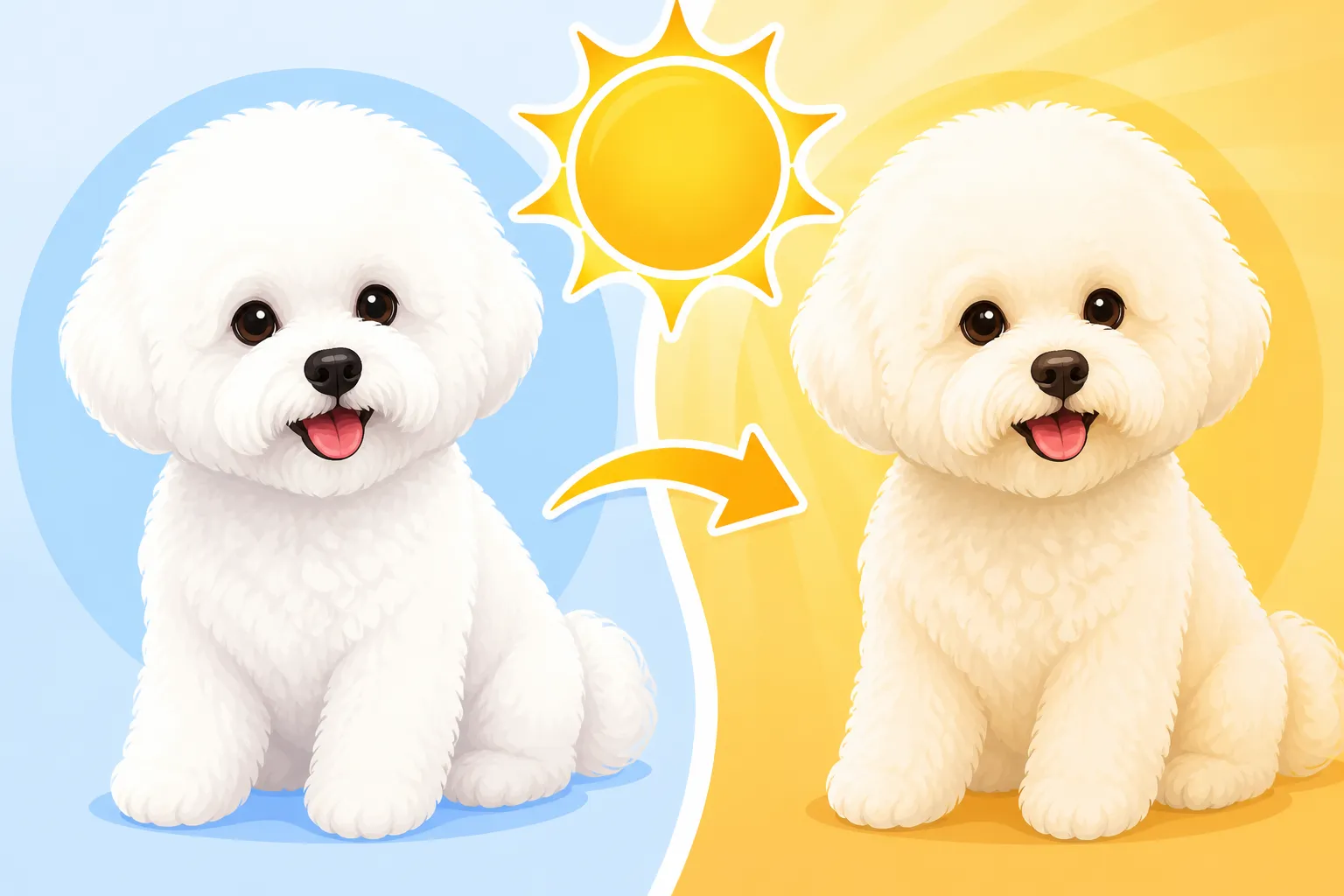
It's easy to assume the sun is simply "bleaching" your Bichon's coat, but the reality is a little more complex. Sunlight, and especially its ultraviolet (UV) rays, can indeed have a significant impact on your dog's fur, but it's not always a straightforward lightening effect. Often, what we see as "creaming" or "yellowing" is a result of several factors working together.
How Sunlight Interacts with Hair Pigments
Just like human hair, dog fur contains pigments that give it color. In a pure white Bichon Frise, the absence of strong pigments is what makes their coat appear white. However, even white hair isn't completely devoid of all color components. It's more like a canvas that can be subtly influenced. When exposed to UV radiation from the sun, these minimal pigments, along with the proteins in the hair shaft, can undergo a chemical reaction. This process, often called photo-oxidation, can break down or alter the structural integrity of the hair, leading to a yellowish or creamy appearance. Think of it like old paper turning yellow over time – it's an oxidative process. The sun acts as a catalyst, accelerating this natural change. It's not always about adding color, but about altering the way existing, even faint, elements within the hair reflect light.
The Role of Natural Oils and Oxidation
Your Bichon’s skin produces natural oils (sebum) that are essential for a healthy coat and skin barrier. These oils are typically clear or slightly yellowish. When these oils are exposed to sunlight and air, they can oxidize. Oxidized oils can then bind to the hair shaft, causing a yellowish discoloration. Imagine leaving cooking oil out in the sun for a long time – it can get thick and discolored. The same principle applies, albeit subtly, to the natural oils on your Bichon’s coat. These oils are crucial for protecting the hair, but in combination with sun exposure, they can ironically contribute to the very staining you’re trying to avoid. This effect is often most noticeable on areas of the coat that are frequently touched, like around the muzzle or paws, where oils are transferred from petting or licking, and then exposed to sunlight.
Understanding the Bichon's Unique Coat Structure
The Bichon Frise has a distinctive double coat: a soft, dense undercoat and a coarser, curly outer coat. This unique texture is what gives them their famous powder puff appearance. However, this structure also makes them particularly susceptible to collecting environmental particles and absorbing oils. The curly, dense nature of the coat means that it can hold onto dust, pollen, and other tiny elements from the environment more readily than a straight, smooth coat might. When these particles are present on the coat, and then exposed to the sun, they can amplify the yellowing effect. Furthermore, the hair shafts themselves, being less pigmented, might be more prone to the oxidative damage mentioned earlier. It’s a delicate balance of beauty and vulnerability when it comes to that magnificent white fluff. To maintain that signature look, it requires dedicated care and understanding of its specific characteristics, especially when considering The Powder Puff Outline a Bichon Frise Is Scissored Into.
Beyond the Sun: Other Culprits Behind a Creamy Coat
While the sun can certainly play a role in giving your Bichon’s coat a creamy tint, it’s rarely the sole offender. Many other environmental, dietary, and physiological factors can contribute to discoloration, often mimicking or exacerbating sun-induced yellowing. Understanding these other sources is crucial for a holistic approach to keeping your Bichon Frise truly white.
Environmental Factors and Everyday Stains
Life happens, and sometimes, those everyday occurrences are the biggest culprits for staining a white coat. Think about it: your Bichon loves to roll in the grass, dig in the dirt, or maybe even playfully splash in puddles. All of these activities can leave behind subtle, or not-so-subtle, stains that, when combined with sun exposure, can become set or more visible.
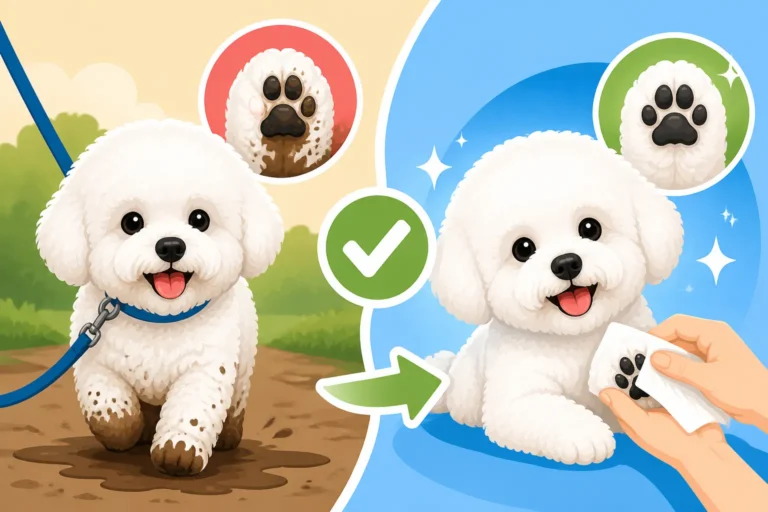
- Grass and Dirt Stains: After a vigorous romp in the park, your Bichon might come home with greenish-yellow tints, especially on their paws and belly. If these aren't promptly washed out, they can become embedded in the coat over time, giving a generally dull or yellowish appearance.
- Urine Stains: This is a big one, particularly for male Bichons or those who are less meticulous with their potty habits. Urine contains pigments and waste products that can cause significant yellowing around the hindquarters and inner thighs. Even a few drops can, over time, build up into a noticeable stain. This is especially true if your Bichon doesn't squat completely or lifts a leg clumsily. Regular inspection and cleaning of this area is key. Whether a Bichon Frise's Sanitary Area Needs Trimming is a topic often discussed by groomers for good reason!
- Pollen and Dust: During certain seasons, pollen can settle on your Bichon's coat, especially if they spend a lot of time outdoors. This fine powder can contribute a yellowish hue, and like other environmental factors, it can get trapped in the dense curls of their fur. Similarly, household dust, while seemingly innocuous, can also accumulate and dull the coat's brilliance.
The Impact of Diet and Hydration on Coat Health
What goes into your Bichon can absolutely show up on their coat. Nutrition plays a vital role in the health, strength, and even the color of their fur.
- Dietary Factors: Some commercial dog foods, especially those with artificial colors or high levels of certain ingredients (like beta-carotene), can, in rare cases, contribute to a yellowish tint over time. More commonly, a diet lacking in essential fatty acids (like Omega-3 and Omega-6) can lead to a dull, unhealthy coat that is more prone to staining and breakage. A high-quality diet provides the building blocks for strong, vibrant hair. While specific brands vary, you can find excellent nutritional options on platforms like Chewy or Amazon, making it easier to choose a diet that supports a healthy coat. Even specialized fresh food services like Ollie prioritize high-quality ingredients, which can make a noticeable difference in overall coat health.
- Water Quality: Believe it or not, the water your Bichon drinks and is bathed in can also be a factor. Hard water, rich in minerals like iron, can leave behind residue that builds up on the coat and can cause discoloration, especially a reddish or yellowish tint. If you suspect this is an issue, consider offering filtered water or bathing with filtered water if possible.
- Hydration: Proper hydration is paramount for overall health, including skin and coat condition. A well-hydrated dog will have healthier skin and a stronger hair shaft, making it less susceptible to damage and staining. Ensuring your Bichon always has access to fresh, clean water is a simple yet effective preventative measure.
Tear, Saliva, and Licking Stains – The Unsung Heroes of Discoloration
These are arguably the most common and persistent sources of staining on a Bichon Frise. Their pristine white fur makes every little stain pop.
- Tear Stains: The reddish-brown streaks under a Bichon’s eyes are iconic but unwanted. These are caused by porphyrins, iron-containing molecules excreted in tears, which turn reddish-brown when exposed to light and air. Factors like genetics, blocked tear ducts, allergies, or even certain food ingredients can exacerbate tear staining. It's a constant battle for many Bichon owners, and understanding The Tear Stains Under a Bichon Frise's Eyes is key to managing them.
- Saliva Stains: Similar to tears, saliva also contains porphyrins and other compounds that can cause reddish-brown discoloration. Bichons often lick their paws, chests, and even flanks, especially if they have allergies or itchy skin. If your Bichon licks their paws raw, you’ll not only see the staining but also potentially skin irritation. This licking, combined with the subsequent drying and exposure to air and sun, can leave unsightly marks.
- Anal Gland Expression: While less common, issues with anal glands can sometimes lead to a brownish stain around the tail and hindquarters if your dog scoots or leaks.
Each of these factors, individually or in combination, can contribute to your Bichon Frise's coat appearing cream or yellow, even without direct intense sun exposure. The sun often just makes these existing discolorations more pronounced.
Proactive Strategies to Protect Your Bichon's Brilliant White
Now that we’ve explored why your Bichon’s coat might be turning cream or yellow, let’s talk about what you can actively do to keep that magnificent white fluff looking its best. Proactive care is truly the name of the game when it comes to maintaining a pristine Bichon coat.
Regular Grooming as Your First Line of Defense
Grooming isn't just about making your Bichon look pretty; it's a vital health and hygiene practice, especially for their unique coat. Consistent grooming is the single most effective way to combat discoloration, whether from sun, environmental factors, or bodily secretions.
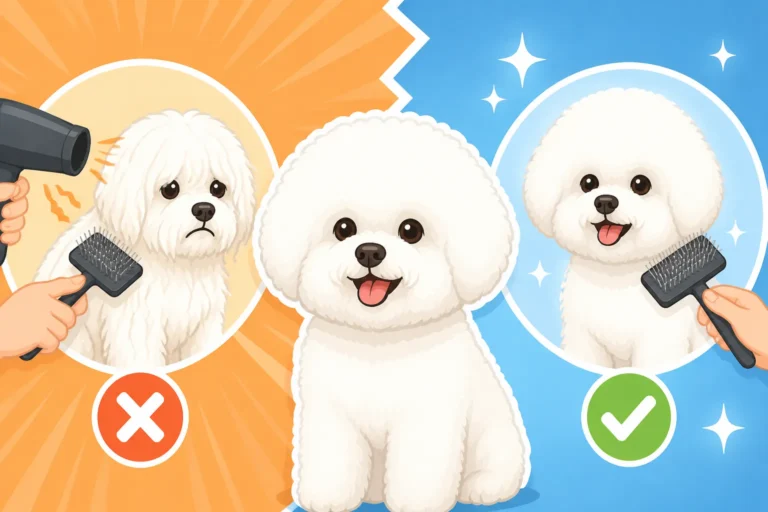
- Daily Brushing: This is non-negotiable for a Bichon. Daily brushing, using a slicker brush and a metal comb, helps remove loose hair, dirt, debris, and distributes natural oils evenly. More importantly, it prevents matting, which can trap moisture and dirt, exacerbating staining. How Long Brushing a Bichon Frise Takes might seem like a lot, but it's an investment in their coat health. By doing this, you're not just preventing tangles, you're actively removing potential staining agents before they set.
- Frequent Baths: While you don't want to over-bathe and strip natural oils, a Bichon Frise with a white coat needs regular washing. The frequency depends on their lifestyle – a dog that plays in the mud weekly will need more baths than an indoor couch potato. For many Bichons, a bath every 1-3 weeks is ideal. This washes away accumulated dirt, pollen, urine, and saliva residue before it can cause permanent staining. Always ensure you rinse thoroughly; leftover shampoo residue can also attract dirt and contribute to dullness or irritation. If you find yourself needing to wash your Bichon often, ensure you are using gentle, appropriate products.
- Professional Grooming: Schedule regular appointments with a professional groomer. They have the tools, expertise, and specialized products to deep clean, demat, and scissor your Bichon into that perfect "powder puff" shape. They can also address specific staining concerns and give you tailored advice. How Often a Bichon Frise Needs a Full Groom is usually every 4-6 weeks for pet Bichons, and even more frequently for show dogs.
Choosing the Right Shampoos and Conditioners
The products you use on your Bichon's coat can make a world of difference. Not all shampoos are created equal, and for a white coat, specific formulations are best.
- Whitening Shampoos: Look for shampoos specifically designed for white coats. These often contain optical brighteners that enhance the perception of white without harsh bleaching agents. They work by absorbing UV light and re-emitting blue light, which cancels out yellow tones, making the coat appear brighter. Which Shampoo Keeps a Bichon Frise White is a common question, and there are many excellent options available on Chewy or Amazon.
- Gentle, Hypoallergenic Formulations: If your Bichon has sensitive skin or allergies, choose a gentle, hypoallergenic shampoo. Harsh chemicals can irritate the skin, leading to more licking and scratching, which, in turn, can cause more saliva staining. Some whitening shampoos can be quite strong, so balance whitening power with skin sensitivity.
- Conditioners: Always follow up with a good conditioner. Conditioner helps to seal the hair shaft, making it smoother and less prone to absorbing stains. It also adds moisture, improves manageability, and reduces static, which can attract dirt. A well-conditioned coat is generally healthier and brighter.
- Targeted Stain Removers: For persistent tear or saliva stains, there are topical stain removers available. Use these carefully and always follow the product instructions to avoid irritation, especially around the eyes. Some owners find success with daily wiping using a damp cloth or specialized wipes to prevent stain buildup.
Environmental Management and Sun Protection
While Bichons love a good sunbath, minimizing prolonged, direct sun exposure, especially during peak UV hours, can certainly help.
- Shady Spots: Encourage your Bichon to rest in shaded areas when outdoors for extended periods. A patio umbrella, a shady tree, or even a doggie playpen with a cover can provide welcome relief from intense sun.
- Limited Exposure During Peak Hours: Just like with humans, the sun’s UV rays are strongest between 10 AM and 4 PM. If possible, schedule your longer walks or outdoor play sessions for earlier mornings or later afternoons.
- Protective Clothing: For Bichons prone to severe sun-induced yellowing, consider lightweight, breathable UV-protective clothing, like a dog shirt, for extended outdoor periods. This provides a physical barrier against the sun's rays.
- Clean Living Environment: Regularly clean your dog’s bedding, toys, and any areas where they spend a lot of time. This reduces the accumulation of dirt, dust, and dander that can transfer to their coat. Keeping a White Bichon Frise Actually White truly requires attention to all these details.
By integrating these proactive strategies into your routine, you'll be well on your way to protecting that dazzling white coat and minimizing any sun-induced or other forms of discoloration.
Addressing an Already Creamy Coat: Can You Reverse It?
So, you’ve noticed that creamy tinge has already set in despite your best efforts. The good news is that for most cases of sun-induced or superficial staining, reversal or significant improvement is definitely possible. It takes consistency, the right techniques, and sometimes a bit of patience.
Deep Cleaning and Whitening Treatments
If the yellowing or creaming is already noticeable, your first line of attack will be a thorough deep cleaning and specialized whitening treatments.
- Professional Grooming: This is often the most effective first step. Professional groomers have access to industrial-strength whitening shampoos and conditioners that are safe for dogs. They also have specialized bathing systems and high-velocity dryers that can thoroughly clean and fluff the coat, often revealing a brighter white underneath. A groomer can assess the type and extent of the staining and recommend the best course of action. They can work wonders with stubborn discolorations that might be too challenging to tackle at home.
- Repeated Whitening Baths at Home: For persistent but not severe yellowing, you might need a series of whitening baths at home. Don't expect a miracle after one wash. Use a high-quality whitening shampoo, lather thoroughly, and allow it to sit on the coat for the recommended time (usually 5-10 minutes, but check the specific product instructions). Rinse meticulously. You might need to repeat this process weekly for a few weeks to see significant improvement. Remember, Whether Whitening Shampoo Damages a Bichon Frise's Coat is a concern, so always choose reputable brands and follow directions carefully.
- Blueing Shampoos: Some whitening shampoos contain a slight blue or purple tint. This is because blue cancels out yellow on the color spectrum, making the white appear brighter. These are very effective for toning down yellowish hues. However, use them sparingly and rinse thoroughly, as leaving them on too long can give your Bichon a bluish tint!
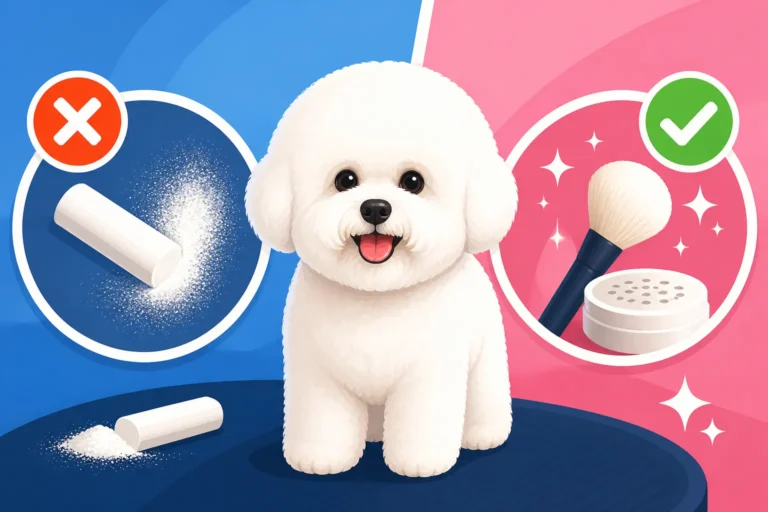
- Homemade Solutions (with caution): Some owners try diluted apple cider vinegar rinses or baking soda pastes for mild staining. If you choose to explore these, always do a patch test first to ensure no skin irritation. Dilute apple cider vinegar significantly (e.g., 1 part vinegar to 10 parts water) and rinse thoroughly afterwards. Baking soda can be mixed with water to form a paste and gently massaged into stained areas, then rinsed completely. However, these are generally less effective than commercial whitening products and should be approached with care.
Long-Term Maintenance for a Brighter Future
Once you’ve achieved a brighter coat, the real work begins: maintaining it. This isn't a one-and-done fix; it's an ongoing commitment to care.
- Consistent Routine: Stick to your newfound routine of regular brushing, appropriate bathing, and professional grooming appointments. This consistent care is what prevents new stains from setting in and old ones from returning. Think of it as protecting your investment in their beautiful coat.
- Dietary Review: Re-evaluate your Bichon's diet with your vet. Ensuring they are on a high-quality food with good levels of essential fatty acids can contribute to overall coat health and resilience against staining. Sometimes, addressing underlying allergies through diet can reduce licking, and thus, saliva staining.
- Address Underlying Health Issues: If the staining is severe or seems intractable, consult your veterinarian. Persistent tear staining, for instance, might indicate a blocked tear duct or an allergy that needs medical attention. Excessive licking and saliva staining could point to skin allergies, yeast infections, or discomfort that a vet can diagnose and treat. For example, Washing a Bichon Frise Whose Skin Is Inflamed requires careful consideration of the underlying issue. Addressing these health concerns will not only improve your Bichon’s comfort but also reduce the sources of staining.
When to Consult a Professional Groomer or Vet
Knowing when to seek professional help is vital. Don't hesitate if:
- Staining is Severe and Resistant: If you've tried all the home remedies and regular grooming, but the creamy color persists or worsens, a professional groomer can offer specialized treatments or advice. They might even suggest a shave down if the coat is too far gone, allowing it to grow back fresh and white, albeit temporarily changing the iconic look.
- Skin Irritation is Present: If your Bichon’s skin is red, itchy, or irritated alongside the staining, it’s time for a vet visit. This could indicate allergies, infections, or other dermatological issues that need medical treatment, which might involve special shampoos, medications, or dietary changes.
- Sudden Onset of Staining: A sudden, unexplained change in coat color or the appearance of new, unusual stains warrants a vet check. This could be a symptom of an underlying health problem not immediately apparent.
- Excessive Licking or Tear Production: If your Bichon is constantly licking or has excessive tear production, it's a sign that something is amiss. A vet can investigate potential causes like allergies, eye problems, or dental issues, which often contribute to staining.
By being diligent and observant, you can ensure your Bichon Frise maintains that gorgeous, vibrant white coat that truly makes them shine. It’s a labor of love, but one that is well worth it for these charming companions!
Disclaimer
This article is for general informational purposes only and does not constitute professional advice. Laws, prices and regulations vary by location and change over time. Consult a qualified professional for guidance on your specific situation.