Whether a Bichon Frise Coat Should Spring Back
Many Bichon Frise owners dream of that iconic, fluffy, cloud-like coat, but often find themselves wrestling with a coat that either lies flat and lifeless, or seems to magically poof up into an unruly frizz just minutes after being brushed. You're probably wondering, should a Bichon Frise coat really "spring back" with that perfect bounce? This guide is here to demystify the ideal Bichon Frise coat, explaining exactly what "spring back" means for its texture, what contributes to a healthy, bouncy coat, and how you can achieve that sought-after resilience in your beloved companion's pristine white fluff.
What "Spring Back" Really Means for a Bichon Frise's Coat
When we talk about a Bichon Frise coat "springing back," we're not just referring to a general fluffiness or volume. It's a specific characteristic that speaks to the health, structure, and proper grooming of this unique breed's double coat. It’s about more than just aesthetics; it's a hallmark of a well-maintained and thriving Bichon.
The Signature "Powder Puff" Look
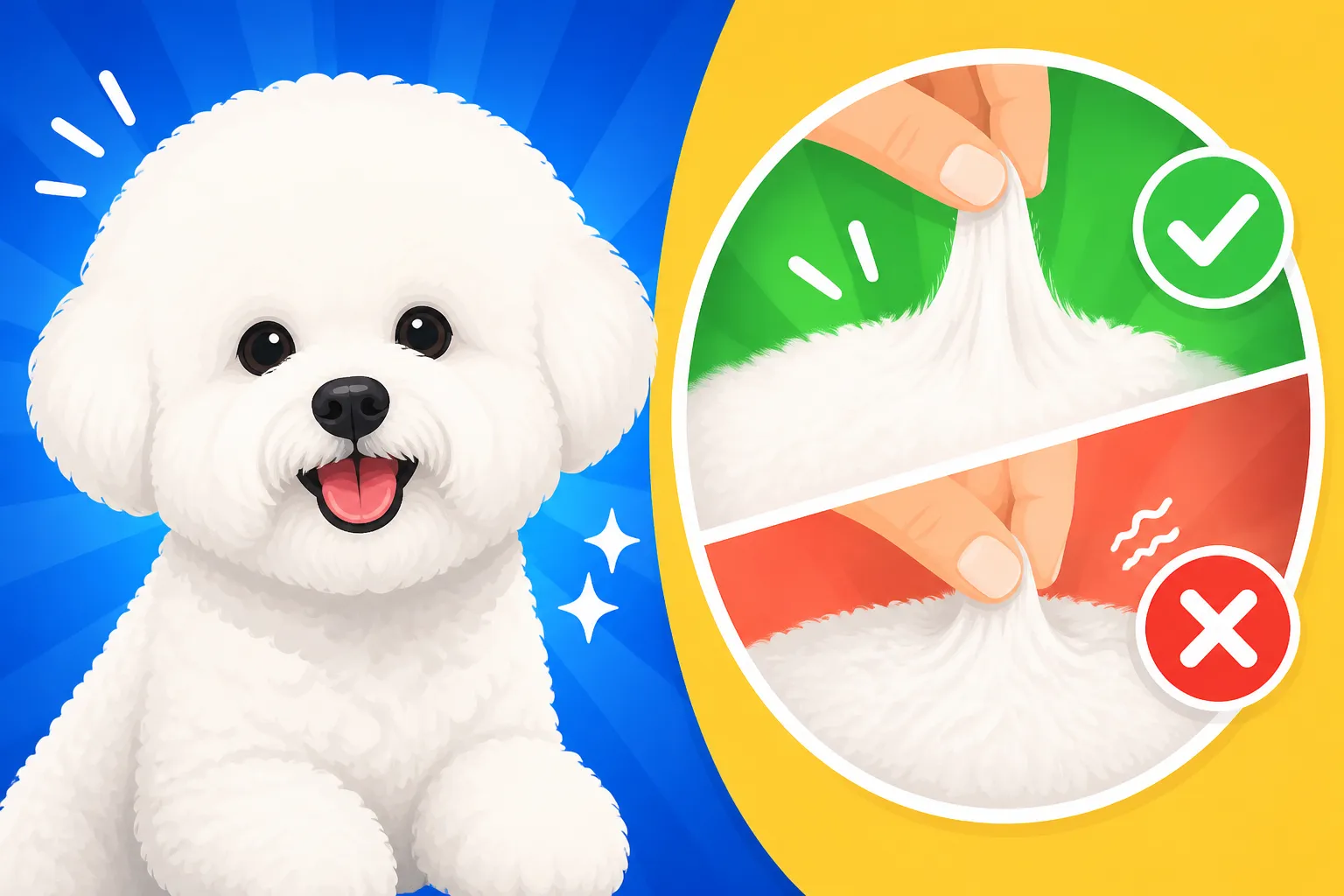
The ideal Bichon Frise coat, often described as a "powder puff," has a distinct texture that is both soft to the touch and incredibly resilient. Imagine gently pressing your hand into a cloud; when you lift it, the cloud reforms, maintaining its shape and volume. That's the essence of the "spring back" quality. It's not stiff or coarse, but rather soft, yet firm, with a natural bounce that allows the coat to stand away from the body without being harsh. It holds its shape beautifully, giving the dog that perfectly rounded, cotton-ball appearance. When brushed, the individual hairs should separate easily and then settle back into a voluminous, structured curl or wave, rather than collapsing or appearing limp. This is what judges look for in the show ring, and what most owners aspire to at home.
Beyond Just Poofiness: Resilience and Elasticity
The "spring back" quality is a direct indicator of the coat's resilience and elasticity. Healthy Bichon Frise hair shafts are flexible and robust, capable of bending without breaking and returning to their natural, curly state. This elasticity prevents the coat from flattening under its own weight or becoming easily matted. If your Bichon’s coat feels brittle, breaks easily, or just lies flat no matter how much you brush it, those are signs that its resilience is compromised. The outer coat, which is curlier and coarser, works in harmony with the softer, denser undercoat to create this effect. Together, they create a cushion of air that gives the coat its volume and protective qualities. A truly healthy coat will have a lively, airy feel, and it won't clump together or feel greasy. It's a testament to good internal health and meticulous external care.
Why a Healthy Bichon Frise Coat Springs Back (and Why It Matters)
Understanding the mechanics behind this characteristic is key to appreciating why it's so important. It's not just a fancy term; it’s rooted in the very structure of the Bichon's unique coat type and is indicative of their overall well-being.
The Science of the Bichon Frise Double Coat
A Bichon Frise possesses a distinctive double coat, a feature that's crucial to its "spring back" quality. This isn't just one type of hair; it's a complex interplay of two layers. The outer coat consists of rather coarse, curly hairs that stand away from the body. Beneath this lies a soft, dense undercoat. It's the combination of these two textures, and the way they interlock, that creates the signature resilient "powder puff" look. The coarser guard hairs provide the structure, acting like tiny springs, while the soft undercoat provides the density and insulation.
When this double coat is healthy and well-maintained, the individual hairs are strong and elastic. Each strand has a natural curl or wave. When brushed out, these curls temporarily straighten, but due to their inherent structure and elasticity, they want to return to their coiled state, pushing against each other to create volume and that bouncy, "spring back" effect. Think of it like a coil spring in a mattress; it compresses but then pushes back to its original form. If you want to delve deeper into the specific texture, you might be interested in reading Whether a Bichon Frise Coat Is Curly or Wavy. This unique structure is also why Bichons are often considered "hypoallergenic," as their shed hair tends to get trapped within the dense coat rather than falling out, which can also lead to matting if not properly brushed.
The Role of Hydration and Healthy Hair Follicles
Beyond the physical structure of the hair, the health of the individual hair shafts and their follicles plays a massive role in the "spring back" phenomenon. Hair that is well-hydrated from within is more elastic and less prone to breakage. Imagine dry, brittle hair versus hair that's moisturized and supple; the latter will have more bounce and flexibility. This hydration starts from the inside out, influenced by your Bichon's diet and overall systemic health. Essential fatty acids, vitamins, and minerals are crucial for healthy skin and hair growth. If a Bichon is lacking in these nutrients, their coat can become dull, dry, and lose its natural elasticity, making it unable to "spring back" as it should.
Healthy hair follicles are also paramount. These are the tiny organs in the skin that produce hair. If follicles are inflamed, clogged, or otherwise unhealthy due to skin issues, allergies, or poor nutrition, the hair they produce will be weak, thin, or abnormal in texture. This weaker hair won't have the structural integrity or elasticity needed to stand away from the body or spring back after brushing. So, a truly bouncy, resilient coat is a beautiful external manifestation of a healthy dog from the inside out. When the hair shafts are strong, and the follicles are producing vibrant, healthy hair, the coat naturally has that desirable lively quality.
Factors That Affect a Bichon Frise Coat's Springiness
Achieving and maintaining that perfect "spring back" in your Bichon's coat isn't always easy. Several factors can either help or hinder this characteristic, and understanding them is the first step towards a consistently beautiful coat.
Grooming Practices: The Good, the Bad, and the Matted
Your daily and weekly grooming routine is arguably the single most impactful factor on your Bichon's coat texture and its ability to spring back.
- Proper Brushing and Combing: Consistent, thorough brushing is non-negotiable for a Bichon. Without it, the dense undercoat and curly outer coat will quickly tangle and mat. Mats pull on the skin, are painful, and prevent air circulation, leading to skin issues. A matted coat is a flattened, lifeless coat that has lost all its spring. You need to line brush down to the skin, using a good slicker brush and then following with a metal comb to ensure all tangles are removed. This separates the hairs, allowing them to stand away from the body. If you’re struggling with this, consider reading How Long Brushing a Bichon Frise Takes or Which Brush Suits a Bichon Frise for more guidance. A coat that isn't regularly detangled can't spring back because the hairs are literally stuck together.
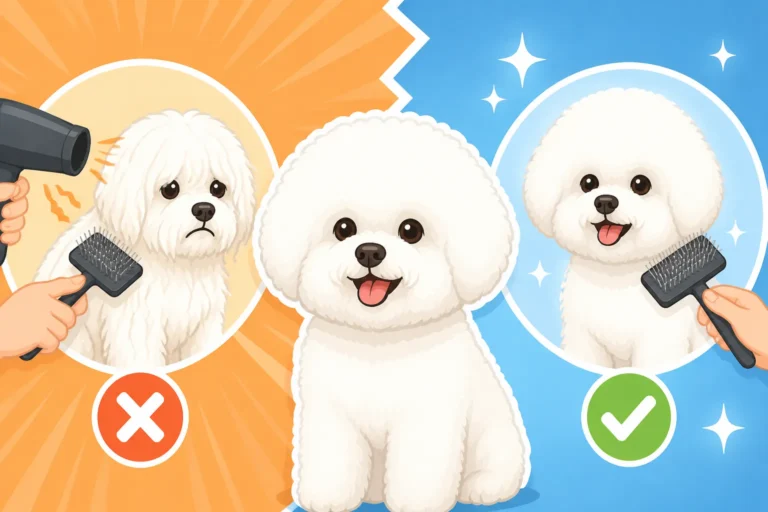
- Bathing Techniques: The way you bathe your Bichon matters immensely. Using shampoos and conditioners specifically designed for white, curly, or hypoallergenic coats can make a huge difference. Crucially, rinsing thoroughly is vital. Residue from shampoo or conditioner can weigh down the coat, making it feel greasy or sticky, and preventing it from springing back. After bathing, proper drying is just as important. Blow-drying the coat while brushing it straight then allowing the natural curl to return helps set the desired texture and volume. Air drying a Bichon is a recipe for a matted, flat coat.
- Frequency of Grooming: Bichons need frequent professional grooming, usually every 4-6 weeks, in addition to daily home care. A professional groomer not only trims the coat to the correct "powder puff" outline but also uses specialized tools and techniques to ensure the coat is thoroughly cleaned, conditioned, and dried to maximize its spring and volume. Waiting too long between grooms can result in significant matting, which then requires shaving, essentially resetting the coat and losing that desirable springiness for a time. Drying a Bichon Frise Into the Powder Puff Shape is a good resource if you are keen on learning more about this.
Nutrition and Overall Health
What goes into your Bichon directly impacts the quality of what comes out (or rather, grows out) in their coat.
- Dietary Quality: A diet rich in high-quality protein, essential fatty acids (like Omega-3 and Omega-6), vitamins (especially A, E, and B-complex), and minerals (like zinc) is fundamental for a healthy, vibrant coat. These nutrients support healthy skin, strong hair follicles, and resilient hair shafts. Low-quality foods with fillers or artificial ingredients can lead to dull, dry, and brittle coats that lack elasticity and shine, and thus, the ability to spring back. Consider looking at brands like Ollie, which offers fresh, human-grade food, or explore options on Chewy for high-quality kibble. A good diet can dramatically improve skin and coat health over time.
- Hydration: Just as with humans, adequate water intake is vital for canine health, including skin and coat quality. Dehydration can lead to dry skin and hair. Ensure your Bichon always has access to fresh, clean water.
- Underlying Health Conditions: Certain health issues can manifest in the coat. Hypothyroidism, for example, can cause a dry, brittle, or thinning coat. Allergies often lead to inflamed skin, excessive licking, and poor coat quality. Parasites, skin infections, or even internal diseases can strip the coat of its natural luster and springiness. If you notice a sudden change in your Bichon's coat texture that isn't explained by grooming, a vet visit is always a good idea to rule out any underlying medical problems. For general health information, What Bichon Frises Are Most Often Treated For can provide broader context.
Environmental Influences and Age
Even things you can't always control can play a part in your Bichon's coat quality.
- Humidity and Weather: High humidity can sometimes make a Bichon's coat frizz or feel heavy, while very dry climates can lead to static and dryness. Protecting your Bichon from harsh weather, like extreme sun or cold, can also help preserve coat health.
- Wear and Tear: Constant rubbing against furniture, rough playing, or even the friction from a harness can cause matting and breakage, especially in delicate areas like the chest, armpits, and behind the ears.
- Age-Related Changes: Just like people, dogs' coats can change with age. Puppy coats are typically softer and finer, then transition to a denser adult coat. Senior Bichons might experience thinning, dullness, or changes in texture as their metabolism slows down and nutrient absorption might decrease. Understanding The Months a Bichon Frise Puppy Coat Changes can help you prepare for these transitions.
Restoring and Maintaining Your Bichon Frise's Ideal Coat Texture
If your Bichon's coat isn't quite living up to its "powder puff" potential, don't despair! With consistent effort and the right approach, you can significantly improve its health and springiness.
The Right Tools and Techniques
Having the correct grooming tools is half the battle. You wouldn't try to sculpt with a butter knife, and you shouldn't try to groom a Bichon with subpar brushes.
- Slicker Brush and Metal Comb: These are your absolute essentials. A good quality slicker brush with flexible pins will effectively remove loose undercoat and tangles without damaging the delicate outer coat. Always follow up with a metal comb, making sure it glides smoothly through the coat from skin to tip. If the comb snags, there's still a tangle that the slicker missed. For more details on this, check out Whether a Slicker Reaches a Bichon Frise's Skin.
- Shampoos and Conditioners: Invest in high-quality products formulated for white coats or curly, sensitive skin. Look for ingredients that moisturize and strengthen the hair, avoiding harsh chemicals. Many brands offer whitening shampoos that don't use harsh bleaches but rely on optical brighteners or natural enzymes to keep the coat gleaming. A good conditioner helps detangle and adds elasticity. Don't forget to rinse thoroughly – any residue will weigh down the coat and make it feel greasy. You can find a wide range of these products on platforms like Amazon or Chewy.
- High-Velocity Dryer: While not strictly necessary for every pet owner, a high-velocity dryer (often called a force dryer) is a game-changer for Bichon coats. It blasts water out of the coat quickly, reduces drying time, and, most importantly, helps to straighten and fluff the coat as it dries, encouraging that natural stand-off and spring. If you don't have one, a good quality human hairdryer on a cool or low-heat setting, combined with diligent brushing, can work, but it will take longer.
Establishing a Consistent Grooming Routine
Consistency is paramount. A sporadic approach to grooming will only lead to a matted, flat coat.
- Daily Brushing: A quick, thorough daily brush-through is ideal. This prevents small tangles from becoming major mats and keeps the coat airy. Focus on friction areas like behind the ears, under the armpits, and where harnesses rub.
- Weekly Baths (if needed): While some Bichons might need a bath every 1-2 weeks due to their white coat or skin conditions, others can go longer. However, never let a dirty, greasy coat sit for too long, as dirt and oil can also weigh down the hair and strip its natural spring. Always brush before bathing to avoid setting in mats.
- Professional Grooming Schedule: Work with a professional groomer to establish a regular 4-6 week schedule. They have the expertise and equipment to keep your Bichon's coat in optimal condition, from trimming to managing that distinctive "powder puff" shape. Regularly visiting a groomer also helps identify any potential skin or coat issues early. This can significantly reduce the amount of time you spend tackling extensive matting.
Dietary Support for a Lustrous Coat
What your Bichon eats directly influences its coat. Think of food as the building blocks for healthy hair.
- Balanced, High-Quality Food: Ensure your Bichon is on a complete and balanced diet. Look for foods with real meat as the first ingredient and a good balance of fats, carbohydrates, and fiber. Brands like Ollie, known for their fresh, whole-food ingredients, can contribute significantly to coat health by providing easily digestible nutrients. If you're using traditional kibble, research reputable brands available on sites like Chewy that prioritize quality ingredients.
- Omega Fatty Acid Supplements: Often, adding an Omega-3 and Omega-6 fatty acid supplement (like fish oil or flaxseed oil) can dramatically improve skin hydration and coat shine and elasticity. Always consult your vet before adding any supplements to your dog's diet to ensure correct dosage and suitability for your pet's individual needs.
- Treats That Match the Diet: Remember that even treats contribute to overall nutrition. If your Bichon is prone to dry skin or a dull coat, ensure treats are also made from wholesome ingredients. Avoid sugary or highly processed treats that offer little nutritional value.
By combining the right tools, a consistent grooming schedule, and a nourishing diet, you'll be well on your way to achieving and maintaining that beautiful, resilient, and springy Bichon Frise coat that stands as a testament to their health and your dedicated care. It takes effort, but the joy of seeing your Bichon truly embody that cheerful, cloud-like charm is absolutely worth it.
Disclaimer
This article is for general informational purposes only and does not constitute professional advice. Laws, prices and regulations vary by location and change over time. Consult a qualified professional for guidance on your specific situation.