Whether Brushing While Drying Sets the Coat
If you've ever bathed your beloved Bichon Frise, only to have them emerge from their towel looking like a damp, unruly mop rather than the fluffy cloud you adore, you know the struggle is real. Achieving that signature powder-puff look isn't just about a good bath; it's about mastering the art of brushing while drying, a technique absolutely essential for setting their unique coat correctly and preventing those dreaded mats. This guide will walk you through why this process is so vital and how to get it right every time, transforming your soggy Bichon into a pristine, fluffy marvel.
Why Brushing While Drying Is Essential for Your Bichon Frise's Coat
Let's be honest, the Bichon Frise coat is a double-edged sword: beautiful, hypoallergenic, and utterly delightful to touch, but also notoriously high-maintenance. It’s not like a smooth-coated breed where a quick towel-dry and a shake are enough. A Bichon's coat demands a specific drying technique, and brushing while drying is at the very heart of it. Without this crucial step, you're not just missing out on the aesthetic; you're actively inviting a host of coat problems.
Understanding the Bichon Frise Coat Structure
A Bichon Frise has a unique double coat that is both dense and curly. They possess a soft, fine undercoat and a coarser, curlier outer coat. This combination is what gives them their characteristic soft, springy texture, often described as a "powder puff." Unlike many shedding breeds where loose hair falls out, a Bichon's shed hair tends to get caught within this dense, curly matrix. If not regularly brushed out, these trapped hairs quickly intertwine with the healthy growing coat, forming tangles that rapidly progress into tight, uncomfortable mats. Think of it like a Velcro trap for loose hair. If you let that coat air dry or simply rub it with a towel, those curls will shrink and tighten, essentially locking any trapped loose hair and creating a breeding ground for mats that are incredibly difficult, and often painful, to remove.
Preventing Mats and Skin Issues
The primary reason brushing while drying is non-negotiable for a Bichon is mat prevention. When the coat is wet, the individual hairs are more pliable and prone to clumping together. As water evaporates, these clumps become tighter, forming mats close to the skin. These mats aren't just cosmetic; they can be incredibly painful for your dog. They pull on the skin, restrict movement, and can even hide underlying skin infections or parasites.
Imagine trying to brush through a matted mess on a dry coat. It's tough, pulls the skin, and can make your Bichon dread grooming sessions. By brushing systematically as you dry, you're effectively separating each hair, ensuring it dries straight and fluffy, not tangled and matted. This open, fluffy coat also allows for better air circulation to the skin, helping to prevent moisture-related skin issues that can develop beneath a dense, wet, matted coat. This is especially important for a breed known for The Atopic Skin a Bichon Frise Is Born With.
Achieving the Signature "Powder Puff" Look
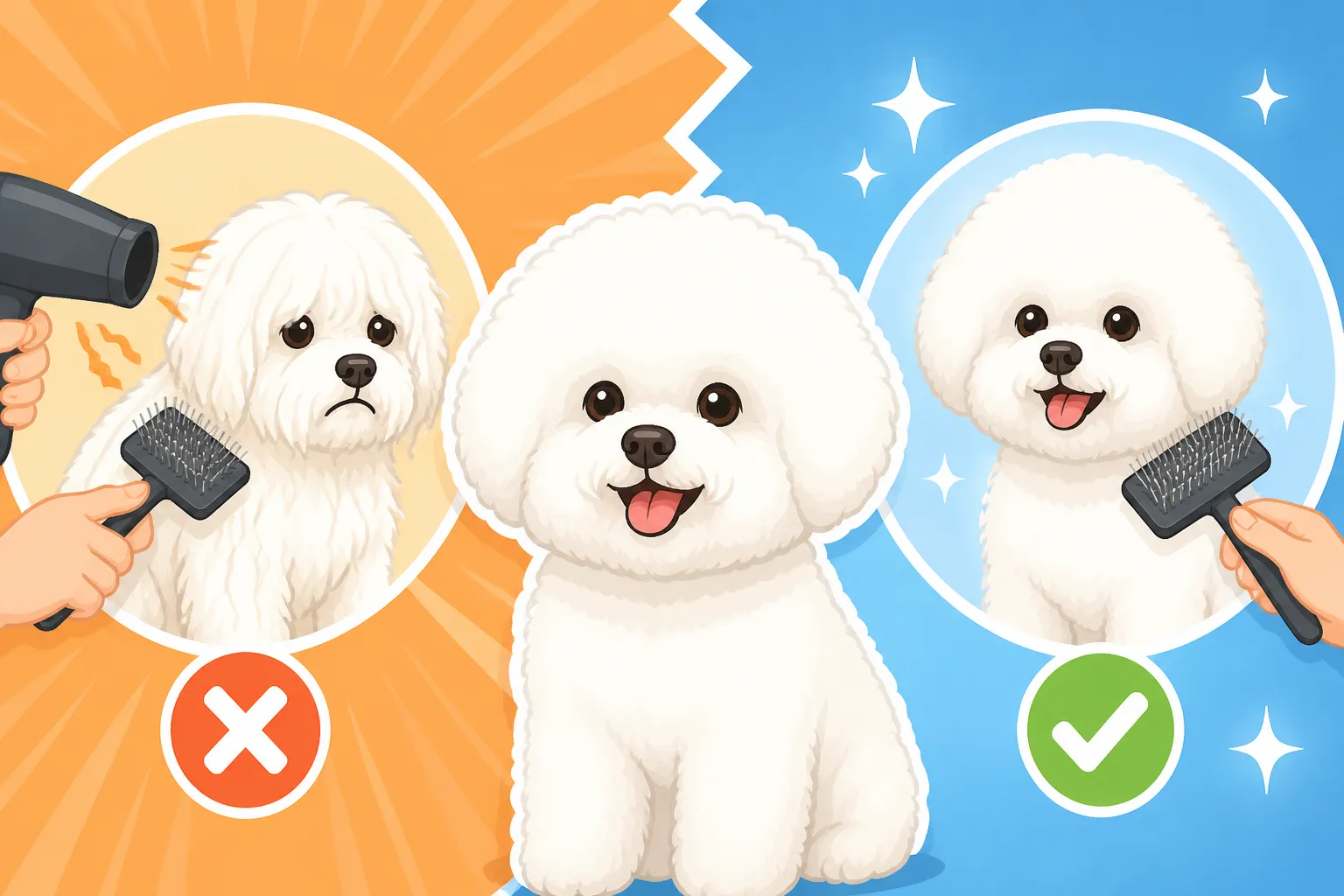
Beyond health and comfort, brushing while drying is the secret sauce for achieving that iconic, buoyant "powder puff" look. If you simply let a Bichon air dry, or even just blast them with a dryer without brushing, their natural curls will spring back and contract, resulting in a more disheveled, curly, and often matted appearance. The coat won't have that airy, cloud-like volume that is so characteristic of the breed and that breeders strive for when they talk about The Powder Puff Outline the Bichon Frise Standard Describes.
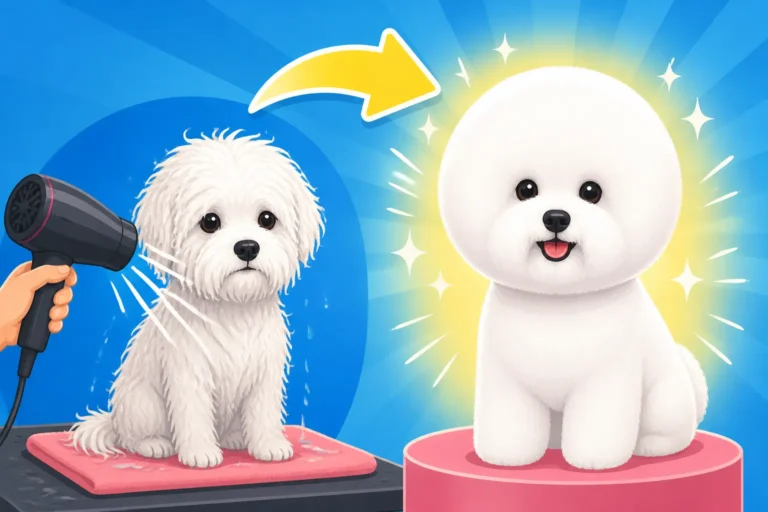
The act of brushing while the hair is still damp, and gently pulling it straight as it dries, stretches out the curls and fluffs the coat. This technique encourages the coat to stand away from the body, giving it volume and that pristine, rounded silhouette. It's a foundational step that a groomer would never skip, and something that you, as a Bichon owner, will greatly benefit from mastering for the overall health and appearance of your furry friend.
Essential Tools for Successful Drying and Setting the Coat
Before you even think about starting your drying process, having the right tools on hand is half the battle. Skimping on quality here can make a huge difference in the outcome and your Bichon's comfort. Trust me, trying to untangle a half-dried, matted Bichon with the wrong brush is a nightmare no one needs.
High-Velocity Dryer vs. Regular Hair Dryer
This is perhaps the most critical distinction. While your human hair dryer might seem like a convenient option, it's generally not ideal for a Bichon Frise's dense coat. Regular human hair dryers blow hot air, which can easily overheat your dog's skin, especially when directed at one spot for too long. They also typically don't have enough force to effectively separate the dense hairs of a Bichon's double coat.
A high-velocity (HV) dog dryer, on the other hand, is a game-changer. These dryers are designed to blast air at a much higher volume and speed, rather than relying solely on heat. This powerful airflow works wonders by:
- Forcing water out of the coat: This dramatically speeds up drying time, which is a blessing for dense-coated breeds.
- Separating individual hairs: The force of the air helps to straighten and fluff each hair, making it easier to brush and preventing mat formation.
- Operating at cooler temperatures: While some HV dryers have a low heat setting, the primary drying power comes from air movement, making them safer for your dog's skin.
You can find excellent options for high-velocity dryers online through retailers like Chewy or Amazon. Look for models with adjustable speeds and, if possible, variable temperature settings to give you maximum control.
The Right Brushes and Combs
You'll need a couple of key items in your grooming arsenal:
- Slicker Brush: This is your main workhorse. A good quality slicker brush with fine, bent wire bristles is indispensable for separating the coat as it dries. Choose one with a comfortable handle and soft tips that won't scratch your dog's skin. The bristles should be long enough to reach through their dense coat all the way to the skin. For more on selecting the right one, check out Which Brush Suits a Bichon Frise.
- Metal Comb: A sturdy metal comb with both wide and fine-toothed sections is crucial for checking your work and ensuring no mats are left behind. Use the wide-toothed side for initial detangling (pre-bath!) and the finer side to check for any hidden knots after drying. This ensures you’re not just brushing the top layer; you’re truly getting through to the skin. Remember, Whether a Comb Should Follow the Brush is a resounding yes!
- Pin Brush (Optional): While a slicker is primary, a pin brush can be useful for longer coats or for a gentler initial fluffing. However, for thorough dematting and coat separation during drying, the slicker remains superior.
It’s important to invest in quality tools. Cheap brushes can be ineffective, painful for your dog, and won't last.
Conditioning Sprays and Dematting Solutions
Even with the best brushing technique, a little extra help can go a long way, especially for a Bichon's prone-to-matting coat.
- Leave-in Conditioner/Grooming Spray: A light, leave-in conditioning spray applied to the damp coat before drying can help lubricate the hair, making it smoother, easier to brush, and more resistant to tangles. Look for sprays specifically designed for dogs that are tearless and gentle. These sprays often help hydrate the skin too.
- Dematting Spray: If you encounter a stubborn tangle during the drying process, a dematting spray can help loosen it without causing undue pain. Apply a small amount directly to the mat, let it soak in for a minute, and then gently work the mat out with your slicker brush or the wide-toothed end of your comb, working from the outside of the mat inwards.
Having these products on hand can turn a frustrating grooming session into a much more pleasant experience for both you and your Bichon Frise.
Step-by-Step Guide to Brushing While Drying Your Bichon Frise
Okay, let's get down to business! This is where the magic happens and you transform your wet floof into a pristine powder puff. Consistency and technique are key here. Don't rush it, and be patient with yourself and your dog.
Pre-Bath Prep: The Foundation for Success
You might be thinking, "Pre-bath? I thought this was about drying!" And you'd be right, but the drying process starts before the bath. Seriously, this step is non-negotiable for a Bichon.
- Thorough Brushing: Before your Bichon even sees the water, give them a complete, head-to-tail brush-out with your slicker brush and metal comb. Any mats present when the coat is dry will tighten up like concrete once wet, making them nearly impossible to remove without shaving or significant pain. Use the line brushing technique to ensure you reach down to the skin, checking every single inch for tangles. For detailed guidance, refer to Whether Line Brushing Is Necessary on a Bichon Frise. If you find mats, gently work them out before bathing. If they're too tight, it might be safer to consult a professional groomer or carefully snip them out with blunt-nosed scissors (always pointing away from the skin!).
- Gather Your Tools: Have everything you need within arm's reach before the bath. This includes shampoo, conditioner, towels, your high-velocity dryer, slicker brush, metal comb, and any conditioning or dematting sprays. This prevents you from fumbling around with a wet dog.
The Bath: A Clean Start
A good bath sets the stage for a great dry.
- Use Quality Products: Bathe your Bichon using a high-quality dog shampoo and conditioner, rinsing thoroughly to remove all product residue. Residue can make the coat feel sticky, attract dirt, and contribute to matting. A good conditioner will help smooth the hair cuticle, making it easier to brush through.
- Squeeze, Don't Rub: After rinsing, gently squeeze excess water from your Bichon's coat. Avoid vigorous rubbing with a towel, as this can create tangles even before you start drying. Just pat and gently squeeze.
The Drying Process: Brushing and Blowing Technique
This is the main event! The goal is to dry and brush simultaneously, separating each hair strand as it dries to achieve that fluffy, mat-free coat.
- Towel Dry Thoroughly: Start by gently towel-drying your Bichon to remove as much surface water as possible. Again, pat and squeeze, don't rub.
- Start with the HV Dryer: Begin using your high-velocity dryer. If your dog isn't used to it, start on a low setting and slowly increase the speed as they get comfortable. The noise can be a bit startling at first, so introduce it gradually. Many Bichons get used to it quickly, especially if rewarded with treats. Make sure the nozzle isn't too close to the skin to avoid irritation.
- Section by Section, Brush as You Go: This is where the "brushing while drying" really comes in.
- Pick a Starting Point: Many groomers start with the hindquarters or a leg, as these areas tend to be more tolerant.
- Isolate a Section: Using one hand, hold a section of hair.
- Direct Air and Brush: With your other hand, direct the nozzle of the HV dryer onto that section while simultaneously brushing with your slicker brush. Brush with the airflow, gently pulling the hair straight as it dries. You want to see the hair lift and separate, drying in a fluffy, straight manner.
- Work Methodically: Move in small sections, making sure each area is completely dry and tangle-free before moving to the next.
- Focus on Problem Areas: Pay extra attention to areas prone to matting: behind the ears, under the armpits, the groin, and around the tail. These areas are often overlooked and are hotspots for mats.
- Full Body Drying: Continue this process over the entire body: legs, body, head, and tail. For the face, you might need to lower the dryer speed or use a regular hairdryer on a cool setting, being very careful around the eyes and ears. Many Bichons object to having their faces done, so patience and positive reinforcement are key.
- Comb Check: Once you think your Bichon is fully dry, use your metal comb to go through the entire coat, section by section, starting from the skin. If the comb glides through easily without snagging, you've done a fantastic job! If it snags, you've found a damp spot or a hidden tangle. Go back with the dryer and slicker brush until the comb passes freely. This comb check is crucial to ensure Whether a Comb Should Follow the Brush and catch any missed spots.
- Final Fluff: Once completely dry and tangle-free, you can give a final light brush-over with your slicker to ensure maximum fluffiness.
Brushing while drying might take a good amount of time, especially at first. For a more detailed look into managing the entire drying process, check out How Long Drying a Bichon Frise Takes. But with practice, you'll become more efficient, and your Bichon will get used to the routine. The results—a beautifully fluffy, healthy, and mat-free coat—are absolutely worth the effort.
Common Pitfalls and How to Avoid Them
Even with the best intentions, drying a Bichon's coat can present some challenges. Knowing what to look out for can save you a lot of frustration and keep your Bichon comfortable.
Incomplete Drying Leading to Mats
This is probably the most common mistake. It's easy to think your Bichon is dry when the top layer feels fluffy and dry to the touch. However, their dense double coat can hide pockets of dampness close to the skin. These damp areas are prime candidates for matting once your dog moves around and the coat settles. Remember Whether a Damp Bichon Frise Mats Faster – the answer is a resounding yes!
How to avoid it:
- The Comb Test is Your Friend: Always, always, always finish with a thorough comb test. Use a metal comb to gently part the hair down to the skin in multiple places all over their body. If the comb glides through easily without resistance, it's truly dry. If you hit any snags or feel dampness, go back with the dryer and slicker brush.
- Work in Small Sections: Don't try to dry a large area at once. Concentrate on small, manageable sections, ensuring each one is bone dry before moving on.
- Feel the Skin: Periodically reach down and feel your dog's skin. It should feel dry and warm, not cool or damp.
Overheating Your Bichon
While high-velocity dryers primarily use force rather than heat, leaving the nozzle too close to your dog's skin for too long, or using a human hairdryer on a hot setting, can lead to overheating or even skin burns. Bichons are small and can overheat more quickly than larger breeds.
How to avoid it:
- Keep the Nozzle Moving: Continuously move the dryer nozzle. Never hold it stationary on one spot for more than a couple of seconds.
- Use Low/Cool Heat Settings: If your HV dryer has a heat setting, use the lowest or cool air option. For human hairdryers, use only the cool or low-heat setting and keep it at a distance.
- Monitor Your Dog's Comfort: Watch for signs of discomfort like panting, trying to move away excessively, or licking their lips. Take breaks if needed.
- Consider Drying Sleeves: For dogs particularly sensitive to the dryer, some owners use grooming sleeves or covers that help direct airflow more safely, but the most important thing is active drying and brushing.
Causing "Brush Burn" or Skin Irritation
Using the wrong brush, using too much pressure with a slicker brush, or brushing dry hair too aggressively can cause "brush burn" – a form of skin irritation that looks like redness or abrasions. This is painful for your dog and can make future grooming sessions a battle.
How to avoid it:
- Use the Right Tools: As discussed, a quality slicker brush with protected tips is essential. Avoid brushes with sharp, exposed metal points.
- Gentle Pressure: Use a light touch with the slicker brush. The bristles should just reach the skin, not scrape it. Let the dryer do most of the work in separating the hair; the brush is there to guide and straighten.
- Brush Only Damp/Wet Hair: While doing a pre-bath brush-out is important, for the drying phase, ensure the hair is at least damp before brushing. Brushing completely dry, tangled hair can be painful and ineffective.
- Regular Brushing: The more regularly you brush your Bichon, the less likely you are to encounter significant matting, making drying less strenuous for both of you. Aim for regular brushing sessions, perhaps even daily or Whether Brushing Every Other Day Is Enough to keep their coat in top condition.
By being mindful of these common pitfalls and implementing these preventative measures, you can make the brushing-while-drying routine a positive and successful experience, resulting in a happy, healthy, and wonderfully fluffy Bichon Frise every time.
Maintaining That Perfect Fluff Between Grooms
You’ve mastered the art of brushing while drying, and your Bichon is a glorious cloud of white fluff. Now, how do you maintain that pristine look and prevent the dreaded matting from creeping back in between those essential full grooming sessions? It’s all about consistent daily care and a proactive approach.
Daily Brushing Routine
This cannot be stressed enough: a Bichon Frise needs daily brushing. Their unique coat, which continuously grows and traps shed hair, is a mat-making machine if left unattended for even a few days. Think of it as a commitment, like walking them or feeding them.
- Quick Daily Line Brush: Dedicate 5-10 minutes each day to a quick line brush with your slicker brush and metal comb. Focus on the high-friction areas: behind the ears, armpits, tail, and groin. These are the spots where mats start to form fastest. You don't need to do a full, hour-long session every day, but consistent shorter sessions prevent tiny tangles from becoming monstrous mats. For more on this technique, revisit Whether Line Brushing Is Necessary on a Bichon Frise.
- Check for Tangles: As you brush, feel for any small knots or tangles. It's much easier to gently brush out a tiny tangle than to tackle a large mat that has tightened over several days.
- Use a Detangling Spray: A light spritz of a canine-safe detangling spray can make daily brushing more pleasant and effective, especially if your Bichon’s coat is on the longer side. You can often find great options from brands like Chewy or Amazon.
Managing Coat Growth and Professional Grooming Schedules
Even with diligent home care, a Bichon Frise needs regular professional grooming. Their coat doesn't stop growing, and maintaining the proper "powder puff" shape requires skilled scissoring.
- Regular Grooming Appointments: Plan for professional grooming every 4-6 weeks. This schedule allows the groomer to trim, bathe, and thoroughly dry the coat, keeping it in optimal condition. Trying to stretch these appointments too far will inevitably lead to matting that only a complete shave-down can resolve. Regular trips to the groomer also help identify any skin issues early on. For more on how often your Bichon needs this care, check out How Often a Bichon Frise Needs a Full Groom.
- Communicate with Your Groomer: If you're doing thorough home grooming, let your groomer know! They'll appreciate the effort and can focus on the skilled shaping. If you're struggling with a particular area, ask them for tips specific to your dog's coat.
- Consider a "Pet Trim": While the show ring demands a specific elaborate trim, for everyday life, a slightly shorter "pet trim" can be more manageable while still retaining the Bichon's characteristic charm. Discuss options with your groomer to find a style that works for your lifestyle and your dog's comfort.
Addressing Specific Areas Prone to Matting
Some areas on a Bichon are notorious mat magnets, even with regular brushing.
- Ears and Neck: The hair behind the ears and around the collar area gets a lot of friction and can mat quickly. Be extra diligent here during daily brushing. Consider a flat collar or harness that minimizes rubbing on these sensitive areas.
- Paws and Legs: The hair on the paws and legs can pick up debris and moisture, leading to tangles. Pay attention to these areas, especially after walks, and consider keeping the paw pad hair neatly trimmed.
- Sanitary Areas: Keep the hair around your Bichon's sanitary areas trimmed short to prevent waste from sticking to the coat, which can quickly lead to mats and hygiene issues.
- Beard and Muzzle: Food and water can easily cause the hair around your Bichon's mouth to clump and tangle. Wiping their face after meals and offering water from a gravity feeder or water bottle can help reduce staining and matting.
Maintaining your Bichon Frise's coat is a commitment, but it’s a rewarding one. Not only does it keep them looking their best, but it's also a vital part of their overall health and comfort. By dedicating time to daily brushing and adhering to a regular professional grooming schedule, you’ll ensure your fluffy companion stays happy, healthy, and mat-free.
Disclaimer
This article is for general informational purposes only and does not constitute professional advice. Laws, prices and regulations vary by location and change over time. Consult a qualified professional for guidance on your specific situation.