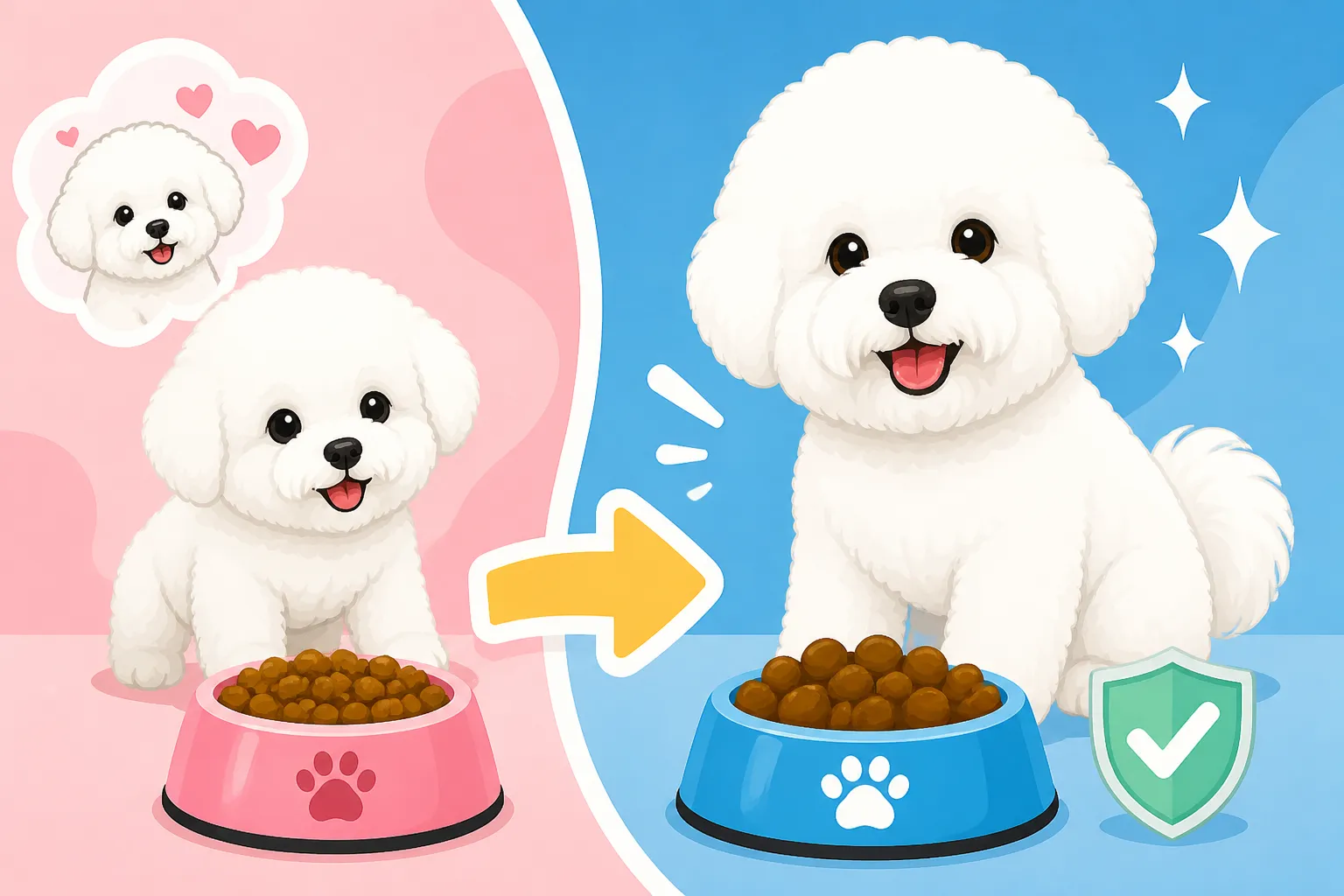
When a Bichon Frise Moves to Adult Food
One of the most common questions new Bichon Frise parents have is about feeding – specifically, when that adorable fluffball needs to make the big switch from puppy kibble to adult dog food. It can feel like a guessing game, and getting it wrong can lead to tummy troubles or even affect their long-term health. This guide will walk you through everything you need to know about transitioning your Bichon Frise to adult food, from understanding their changing nutritional needs to making the switch smoothly.
Understanding Puppy Nutritional Needs vs. Adult Needs
It's easy to think that dog food is just dog food, but there's a huge difference between what a growing Bichon Frise puppy needs and what an adult Bichon Frise thrives on. Their bodies are working overtime during those crucial first months, and their diet needs to reflect that intense period of development.
The Energy Demands of a Growing Bichon Frise Puppy
Imagine trying to build a house from the ground up, all while running a marathon every day! That's a bit like what a Bichon Frise puppy's body is doing. They're growing rapidly, developing bones, muscles, and organs, and they have an incredible amount of energy. Their metabolism is much faster than an adult dog's, burning through calories at an impressive rate. This means they need a diet that is far more calorie-dense than an adult dog's. Puppy food is specifically formulated to provide this higher energy content, ensuring they have enough fuel for all that running, playing, and growing. Without adequate calories, their growth can be stunted, or they might not have the energy levels expected for a vibrant young Bichon.
Beyond just sheer calories, the type of energy matters. Puppy foods typically have higher fat content, which is a concentrated source of energy crucial for puppies. Their little bodies are like tiny engines, and they need high-octane fuel to power all the amazing developmental milestones they're hitting. Skipping out on this vital energy source can leave them feeling sluggish or, worse, compromise their physical development.
Essential Nutrients for Puppy Development
It's not just about energy; it's also about the building blocks. Puppy food isn't just a miniaturized version of adult food; it's a carefully balanced nutritional powerhouse designed to support every aspect of a developing Bichon Frise. For instance, puppies require higher levels of protein to build strong muscles and tissues. Their bones are still forming and strengthening, so the calcium and phosphorus levels in puppy food are precisely balanced to support healthy skeletal development, preventing issues that could arise from either too much or too little of these minerals.
Beyond the major macronutrients, puppy diets are enriched with critical micronutrients and fatty acids. DHA, an omega-3 fatty acid, is particularly important for brain and vision development. Antioxidants help support their still-developing immune systems, which are constantly being challenged as they explore the world. These specific nutrient profiles are meticulously crafted to ensure that a Bichon Frise puppy gets everything they need to grow into a healthy, robust adult. Without these targeted nutrients, a puppy might not reach its full potential, potentially facing health issues down the line.
Why Adult Food Isn't Suitable for Puppies
Feeding adult food to a Bichon Frise puppy prematurely can inadvertently shortchange their development. Because adult food contains fewer calories and often lower levels of critical nutrients like protein, calcium, and phosphorus, a puppy on an adult diet might not receive the necessary fuel and building blocks for optimal growth. This can lead to nutritional deficiencies, impacting bone development, muscle growth, and overall vitality. Imagine trying to grow a sturdy tree without enough sun and water – it simply won't thrive.
Conversely, some adult dog foods might be too rich in certain minerals for a puppy, potentially leading to developmental orthopedic diseases, especially in larger breeds, though still a concern for fast-growing small breeds. The protein-to-fat ratio and the balance of vitamins and minerals in adult food are tailored for maintenance, not rapid growth. This means a puppy eating adult food could either become underweight and fail to thrive, or, paradoxically, if overfed to compensate for lower calorie density, could end up gaining unhealthy weight from an imbalanced diet, putting undue stress on their developing joints. It's a delicate balance that puppy-specific formulas are designed to achieve.
The Right Age to Transition Your Bichon Frise
Knowing when to switch can be tricky, as there isn't one universal date on the calendar that applies to every single dog. However, there are general guidelines, and understanding your Bichon Frise's individual growth trajectory is key.
General Guidelines for Small Breeds
For most small breed dogs, like our beloved Bichons, the transition from puppy food to adult food typically occurs between 9 and 12 months of age. Small breeds mature faster than larger breeds, both physically and nutritionally. While a giant breed might need puppy food for up to two years, a Bichon Frise reaches its adult size and bone density much sooner. By 9-12 months, most Bichons have done the majority of their growing and their rapid developmental phase is largely complete. Their growth plates have closed, and their energy needs begin to stabilize, shifting from intense growth to maintenance.
It’s tempting to keep them on puppy food longer, especially if they’re still acting like puppies, but excessive calories and nutrients after growth is complete can lead to unhealthy weight gain and put them at risk for other health issues. Conversely, switching too early can deprive them of essential building blocks needed to complete their development. Always consider these general guidelines as a starting point, but be prepared to adjust based on your individual dog's needs. You can refer to guides like How Much a Bichon Frise Puppy Eats at Four Months to track their early intake and see how quickly they're growing.
Factors Influencing the Timing for Bichon Frises
While 9 to 12 months is a common window, a few specific factors can influence the precise timing for your Bichon Frise. First, individual growth rates vary. Some Bichons might reach their full adult size and weight a little earlier, perhaps closer to 8 or 9 months, while others might take a full year. Observe your dog's physical development: are they still growing visibly? Have they filled out to what looks like their adult frame? If you’re unsure, a quick chat with your veterinarian is always the best course of action. They can assess your Bichon's body condition score and growth trajectory to give you personalized advice.
Secondly, spaying or neutering can also play a role. Once a dog is spayed or neutered, their metabolism can slow down, and their caloric needs often decrease. If your Bichon Frise is undergoing this procedure around the 6-9 month mark, your vet might suggest transitioning to adult food a bit sooner, or at least being more vigilant about portion control. The goal is to prevent unhealthy weight gain, which can exacerbate other health conditions in later life. Keeping an eye on their weight and activity levels is paramount as they approach adulthood.
Signs Your Bichon Frise Might Be Ready
Your Bichon Frise will often give you subtle clues when they're ready for the switch. The most obvious sign is a noticeable slowdown in their growth. That explosive puppy growth spurt starts to taper off, and you'll find they aren't getting taller or longer at the same rapid pace. They'll start to look more like a miniature adult dog than a gangly puppy. If you weigh them regularly, you'll see their weight plateau.
Another key indicator is their body condition. Are they looking a little too plump, even though you’re feeding the recommended puppy portions? Puppy food is rich, and if their growth has slowed but their intake hasn't, they can easily become overweight. You should be able to easily feel your Bichon's ribs without seeing them, and they should have a discernible waist when viewed from above. If they're developing a "potbelly" look that isn't due to stones or The First Signs a Bichon Frise Has Stones, it could be a sign they're consuming more calories than they need for maintenance, and it's time to consider adult food. Increased energy levels combined with less visible growth can also signal readiness.
The Transition Process: A Gentle Approach
Once you've determined your Bichon Frise is ready for adult food, don't just dump out their puppy kibble and replace it! A sudden change can wreak havoc on their digestive system, leading to upset stomachs, diarrhea, or even a refusal to eat the new food. A gradual transition is the kindest and most effective way to introduce their new diet.
Why a Gradual Change is Key
A dog's digestive system, much like ours, relies on a delicate balance of enzymes and gut bacteria to process food efficiently. Puppy food and adult food have different compositions—varying protein, fat, and fiber levels—which means the enzymes needed to break them down and the gut microbes that thrive on them are also different. Introducing a new food abruptly is like suddenly switching your car from gasoline to diesel; the engine won't know what to do!
A sudden change can lead to gastrointestinal upset, manifesting as diarrhea, vomiting, or excessive gas. Not only is this uncomfortable for your Bichon Frise, but it's also messy and stressful for you. Diarrhea, especially in small breeds, can quickly lead to dehydration, which can be serious. By gradually mixing the new food with the old, you allow your dog's digestive system, and its resident beneficial bacteria, to slowly adjust to the new ingredients and nutrient profile. This gentler approach helps to prevent digestive distress and ensures a smooth, stress-free transition for your furry friend.
Step-by-Step Guide to Switching Foods
Transitioning your Bichon Frise to a new food should be a slow, deliberate process, typically spanning 7 to 10 days. Here's a simple, day-by-day guide to help you make the switch:
- Days 1-2: 75% Old Food, 25% New Food. Start by replacing just a quarter of their regular puppy food with the new adult food. Mix it thoroughly so they can't pick out the old kibble. Monitor their appetite and stool consistency closely.
- Days 3-4: 50% Old Food, 50% New Food. If all goes well and their digestion seems fine, increase the new food to half of their meal. Continue to observe for any signs of upset.
- Days 5-6: 25% Old Food, 75% New Food. Now, the new food should make up the majority of their meal. This is often where any subtle digestive sensitivities might show up, so pay extra attention.
- Days 7-10: 100% New Food. If your Bichon has handled the increased portions of the new food without any issues, you can now feed them entirely the adult formula. You might even extend this phase for a couple more days, keeping a small amount of puppy food on hand just in case.
Remember, this is a guideline. If your Bichon Frise shows any signs of stomach upset at any point, slow down the process. Revert to the previous day's ratio and maintain it for an extra day or two before attempting to increase the new food again. Some sensitive pups might need two weeks or more for a truly smooth transition. Don't rush it; their digestive comfort is worth the extra time.
Monitoring Your Bichon Frise During Transition
During this transition period, your role is to be a keen observer. The primary things you'll be watching for are changes in appetite, stool quality, and overall behavior. First, note if your Bichon Frise is eating their meals enthusiastically. A sudden disinterest in food could indicate that they don't like the new kibble, or that they're feeling a bit unwell. If they seem hesitant, you might try adding a tiny bit of warm water to the food to bring out its aroma, or mixing in a small amount of a favorite wet food to entice them.
Next, and critically, monitor their stool. You want to see well-formed, consistent stools. Any signs of loose stools, diarrhea, or excessive straining are clear indicators that their digestive system isn't happy. If this happens, reduce the amount of new food and hold that ratio for a few more days before trying to increase it again. If severe diarrhea or vomiting occurs, contact your vet immediately. Lastly, observe their energy levels and general demeanor. Are they still playful and happy, or do they seem lethargic or uncomfortable? A healthy transition should not cause significant behavioral changes. You might find resources like Whether a Fussy Bichon Frise Refuses the Urinary Diet helpful if your dog is particularly picky during this time.
Choosing the Best Adult Food for Your Bichon Frise
Once your Bichon Frise is ready for adult food, the next big decision is which one to choose. The market is saturated with options, and it can feel overwhelming. The key is to look for a food that is specifically formulated for their needs as a small breed adult.
What to Look for in Adult Small Breed Formulas
When you're perusing the pet food aisle or browsing online, there are several crucial factors to consider for your Bichon Frise. First and foremost, look for a formula specifically labeled for "small breeds" or "toy breeds." These foods are designed with smaller kibble sizes, which are easier for tiny mouths to chew and digest. More importantly, they're nutritionally balanced for the metabolism of smaller dogs, which is often faster than that of larger breeds. They typically offer a denser calorie count per bite than regular adult formulas, but less than puppy food, to support their adult energy needs without leading to obesity.
Next, scrutinize the ingredient list. The first ingredient should ideally be a high-quality animal protein source, such as chicken, lamb, turkey, or fish. Avoid foods where corn, wheat, or soy are listed as primary ingredients, as these are often fillers and can be common allergens for some dogs. Look for digestible carbohydrates like sweet potatoes or peas, and beneficial fats like chicken fat or flaxseed. Brands like Purina Pro Plan, Royal Canin, or Hill's Science Diet offer good small breed options, often developed with veterinary nutritionists. Remember, quality ingredients contribute to a healthy coat, strong immune system, and good digestion, all vital for a vibrant Bichon Frise. You'll find many suitable options on popular pet supply sites like Chewy, which often have detailed ingredient lists and customer reviews.
Considerations for Special Dietary Needs
Bichon Frises, unfortunately, can be prone to certain health conditions that might require specific dietary considerations beyond just "small breed adult." One of the most significant concerns for Bichons is their predisposition to calcium oxalate bladder stones. If your Bichon Frise has a history of stones, or if you know there's a family history, choosing an adult food that is specifically formulated for urinary health, particularly one that promotes a more alkaline urine pH, might be necessary. This type of food is often prescription-only and will need a vet's authorization. For more on this, you might explore The Diet a Bichon Frise Stays On for Life.
Another common issue for Bichons is allergies, which can manifest as skin problems or digestive upset. If your dog shows signs of itching, paw licking, or recurrent ear infections, you might need a food with limited ingredients or a novel protein source. Hydrolyzed protein diets are also an option for highly sensitive dogs. Discuss any such concerns with your veterinarian, who can guide you to an appropriate therapeutic diet. While not directly related to transitioning, knowing these potential future needs can influence your choice of initial adult food, allowing for an easier switch down the line if a specialized diet becomes necessary. Platforms like Amazon also carry a wide range of specialized diets, but always consult your vet before making such a critical change.
Popular Options and Where to Find Them
The world of dog food is vast, and finding the perfect match for your Bichon Frise can involve some trial and error, even after consulting with your vet. Many established brands offer excellent small breed adult formulas. Brands like Royal Canin, Hill's Science Diet, and Purina Pro Plan are often recommended by veterinarians because they invest heavily in research and development, creating scientifically formulated diets. These brands typically offer various options, including specific formulas for sensitive stomachs, joint support, or even weight management.
Beyond traditional kibble, there's a growing market for fresh or lightly cooked dog food, with companies like Ollie providing custom meal plans delivered to your door. While these options can be more expensive, some owners find their dogs thrive on them, especially those with picky appetites or sensitivities. No matter which type of food you lean towards, you'll find a massive selection at retailers like Chewy, known for their wide variety and convenient delivery, or Amazon, which offers competitive pricing and fast shipping. Always compare ingredient lists, nutritional analyses, and, if possible, read reviews from other small breed owners to help inform your decision.
Here's a quick comparison of general characteristics between puppy and adult dog food to keep in mind:
| Feature | Puppy Food Characteristics | Adult Food Characteristics |
|---|---|---|
| Calorie Density | High (for rapid growth and high energy levels) | Moderate (for maintenance and steady energy) |
| Protein Level | Higher (for muscle and tissue development) | Moderate (for muscle maintenance) |
| Fat Level | Higher (concentrated energy source for growth) | Moderate (for energy and healthy skin/coat) |
| Calcium/Phos. | Precisely balanced for bone development | Balanced for adult bone maintenance |
| DHA/Omega-3 | Higher (for brain & vision development) | Present (for overall health, skin, coat) |
| Kibble Size | Smaller (easy for puppy mouths and digestion) | Small to Medium (suitable for adult teeth and size) |
| Target Age | Weaning to 9-12 months (small breeds) | 9-12 months onwards (small breeds) |
Making the switch to adult food is a significant milestone in your Bichon Frise's life. By understanding their changing nutritional needs, carefully timing the transition, and choosing a high-quality adult formula, you're setting them up for a lifetime of health and happiness. It's a testament to your loving care, ensuring they continue to thrive long after their puppy antics have given way to sophisticated adult charm. Just as you thought about Whether a Bichon Frise Should Be Screened Before Its First Stone, you're now thinking about their long-term health through diet. You're doing great!
Disclaimer
This article is for general informational purposes only and does not constitute professional advice. Laws, prices and regulations vary by location and change over time. Consult a qualified professional for guidance on your specific situation.