Whether a Bichon Frise’s Nails Are Hard to See
One of the most common frustrations for Bichon Frise owners, especially those new to the breed, is the sheer difficulty in trimming those tiny, often hidden nails. It’s not just about getting your dog to sit still; it’s about actually seeing what you’re doing when their fluffy white paws seem to swallow their equally light-colored nails, making the dreaded quick nearly impossible to distinguish. This guide is here to walk you through why it's such a struggle and, more importantly, how to make nail care safer and less stressful for both you and your beloved Bichon.
Why Bichon Frise Nails Are a Challenge to See
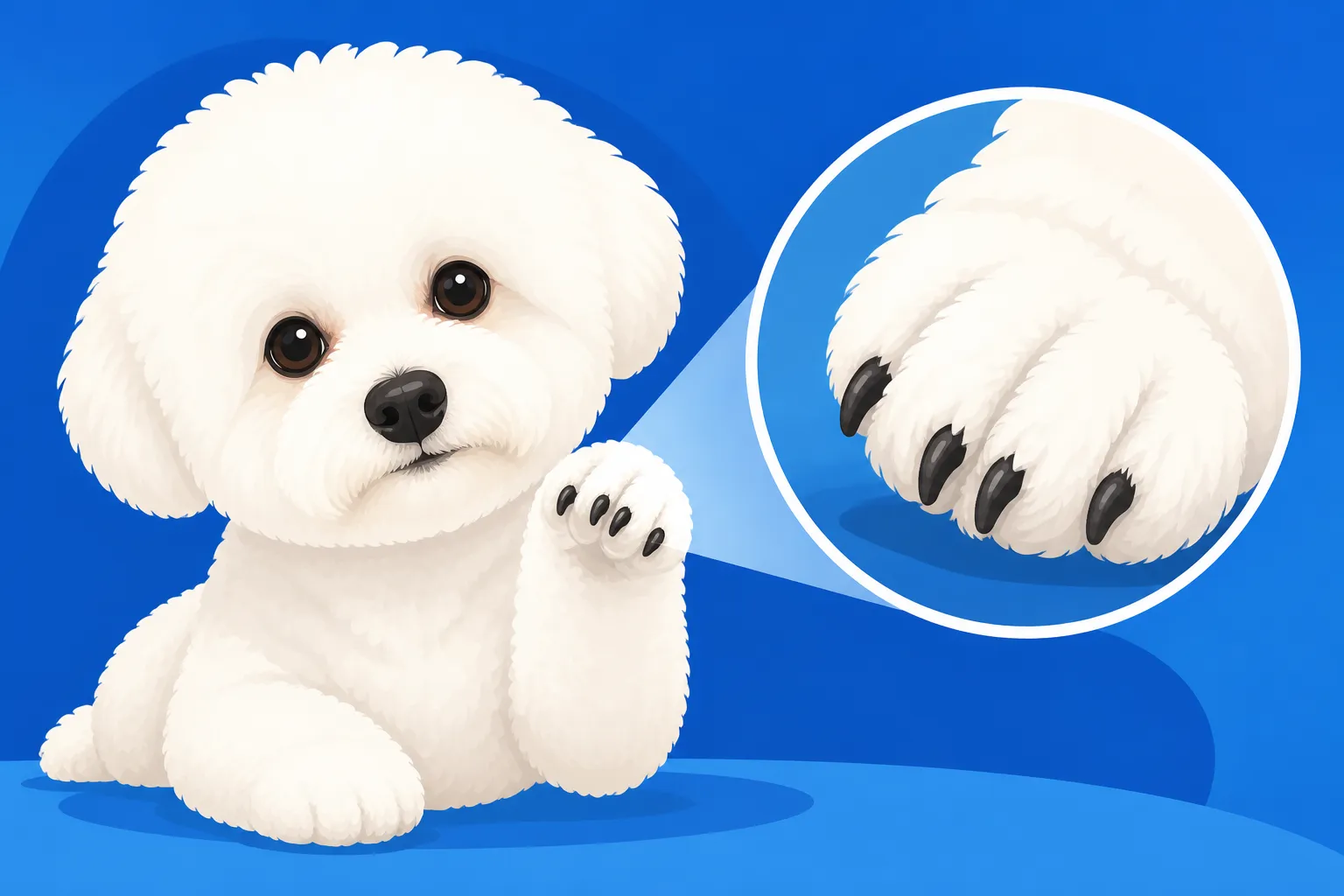
Let's face it, our fluffy white companions are adorable, but that pristine white coat, while beautiful, presents a unique set of challenges, particularly when it comes to grooming. Their nails are often light-colored, blending seamlessly with the surrounding white fur, and this can make trimming a nerve-wracking experience. It's like trying to find a polar bear in a snowstorm – deceptively simple in theory, incredibly hard in practice.
The Blending Act: White Nails and White Fur
Imagine trying to cut a piece of clear string on a white tablecloth. That's often what it feels like when you're trying to locate the quick on a Bichon Frise's nail. Unlike dogs with dark coats and contrasting dark nails, where the quick (the sensitive pink part containing blood vessels and nerves) is usually easier to spot within the darker nail, Bichons often have light-colored nails. These pale nails can be almost translucent, or a very pale ivory, which then disappear into the profusion of soft, white fur on their paws. The contrast simply isn't there, leaving many owners feeling like they're flying blind. This is compounded by the fact that many Bichons are reluctant to have their paws handled, adding another layer of difficulty to an already tricky task.
Even when you manage to get a good grip on a paw, the fur around the nail bed is thick and dense. It curls and puffs up, practically enveloping each tiny nail. You find yourself constantly pushing fur away, trying to get a clear line of sight, only for it to spring back the moment you release your grip. This constant battle with the fur can obscure the nail's natural curvature and, more critically, the precise point where the quick ends. It's easy to feel rushed or frustrated when you're fumbling, and that's when accidents are most likely to happen.
The Dreaded Quick: A Hidden Hazard
The quick is every dog owner's nemesis, especially when dealing with light-nailed breeds like the Bichon Frise. This living tissue extends part-way down the nail and contains blood vessels and nerves. Cutting into it is not only painful for your dog, but it also causes bleeding, which can be quite alarming. For a breed that might already be wary of paw handling, a bad experience with the quick can set back grooming progress significantly, making future trims even harder. The memory of pain lingers, and your Bichon might start associating nail trims with discomfort, leading to resistance, pulling away, or even snapping.
When you can't clearly see the quick, you're essentially guessing where to cut. This leads to two common pitfalls: either you cut too little, leaving the nails too long and ineffective, or you cut too much and hit the quick. Overly long nails can cause orthopedic problems, discomfort when walking, and can even affect their gait over time. But the fear of hitting the quick often wins out, leading owners to trim sparingly, resulting in nails that are never quite short enough. This perpetual state of slightly-too-long nails means the quick itself can grow longer, making it even harder to recede to a safe length later on. It’s a vicious cycle that many Bichon owners find themselves trapped in.
The Risks of Improper Nail Trimming
It's tempting to think that if you can't see the quick, it's better to just leave the nails alone, or only trim the very tips. However, neglecting your Bichon Frise's nail care, or doing it improperly due to poor visibility, carries several significant risks for their health, comfort, and even their behavior. These little details of care, though seemingly minor, play a huge role in your dog's overall well-being.
Pain, Bleeding, and Grooming Trauma
The most immediate and obvious risk of not being able to see the quick is cutting into it. This causes instant pain, a yelp from your Bichon, and often a gush of blood. Even a tiny nick can bleed profusely, and while it's rarely life-threatening, it's certainly distressing for both dog and owner. The psychological impact can be far worse than the physical one. A single bad experience can create a lasting negative association with nail trims. Your Bichon may become terrified, pulling their paws away, struggling, or even showing aggression when the clippers or grinder come out. This can lead to a lifetime of difficult and stressful grooming sessions, potentially requiring sedation for professional trims.
Imagine your sweet, fluffy companion screaming in pain because you accidentally clipped too far. It's heartbreaking and completely understandable that you'd then become hesitant or even avoid the task altogether. This fear isn't just about the initial pain; it's about the potential for long-term grooming trauma. A dog that fears nail trims may also become anxious about other forms of handling, such as brushing, bathing, or vet visits. Early positive experiences are crucial, and conversely, early negative ones can be very hard to undo. If you find yourself in this situation, you might need to re-introduce grooming tools very slowly, pairing them with high-value treats and praise, almost like starting from scratch.
Overly Long Nails and Their Consequences
When the quick is hard to see, many owners err on the side of caution, trimming only the very ends of the nails, if at all. While safer, this often results in nails that are too long. Overly long nails aren't just an aesthetic issue; they can significantly impact your Bichon's health and mobility. When a dog's nails touch the ground while they're standing, it pushes their toes up, putting pressure on their foot bones and joints. This constant, unnatural pressure can lead to chronic pain, arthritis, and even deformities over time. It's like wearing shoes that are too small and push your toes back constantly.
Long nails also interfere with your Bichon's natural gait. Instead of walking squarely on their paw pads, they'll shuffle or splay their toes to avoid the pressure from the nails, leading to an unnatural distribution of weight. This can cause issues with their ankles, knees (especially problematic for a breed prone to Slipping Kneecaps in a Bichon Frise), and hips. They might also be more prone to slipping on hard floors, and long nails can get caught on carpets or other surfaces, potentially tearing the nail bed – a very painful injury that often requires veterinary attention. Furthermore, long nails mean the quick itself grows longer, making it even harder to trim them back to a healthy length. You're effectively chasing the quick, as it will only recede if the nail is kept consistently short.
Techniques for Better Visibility
Okay, so we know it's tough, and we know why it's important. Now, let's talk about some practical strategies to make those elusive Bichon Frise nails more visible and turn nail trimming from a dreaded chore into a manageable routine. It often comes down to clever lighting, precise tools, and a bit of patience.
Strategic Lighting and Magnification
One of the simplest yet most effective ways to improve visibility is with better lighting. Holding your Bichon's paw up to a bright light source can help illuminate the nail, sometimes allowing you to see the quick as a faint pink or shadowy area within the nail. Natural daylight is often best, so consider doing nail trims near a window. If natural light isn't enough, invest in a good quality task lamp or headlamp. A headlamp can be particularly useful as it directs light exactly where you're looking, leaving both hands free.
Some owners also find magnification helpful. You can get magnifying glasses specifically designed for grooming, or even use reading glasses if they provide enough magnification. Combining good lighting with magnification can make a dramatic difference, turning a blurry guess into a clearer picture. Remember, the goal isn't just to see the nail, but to discern the subtle differences in density or color that indicate the quick's presence. This takes practice, so don't get discouraged if you don't master it on the first try. You can also carefully push back the quick from the underside of the nail with your thumb, as it might appear as a faint dot. This is where patience and observation truly pay off.
Separating Fur from Nail
Before you even think about picking up the clippers, you need to prepare the area. Your Bichon's fluffy fur is a major culprit in obscuring the nails. Gently but firmly part the fur around each nail, holding it back with your non-dominant hand. You can use a small hair clip or even a bit of masking tape to keep the fur out of the way for a clearer view. Make sure to get all the fur away from the nail, from the top and sides, so you have a complete view of the nail's structure.
It also helps to ensure your Bichon's paws are clean and dry. Dirt, debris, or moisture can further obscure the nails and make them harder to grip. A quick wipe down of the paws before starting can make a big difference. If your Bichon has particularly long fur on their feet, consider asking your professional groomer to trim the hair between their paw pads and around the nails slightly shorter. This doesn't mean changing their overall Powder Puff Outline a Bichon Frise Is Scissored Into, but just tidying up the immediate nail area can improve visibility for home maintenance. This also makes the nails easier to access, reducing the chance of accidentally clipping fur.
Tools That Make a Difference
Having the right tools is just as important as having the right technique. Beyond standard clippers, there are specific products and types of tools that can significantly reduce the difficulty of trimming a Bichon Frise's hard-to-see nails.
Nail Clippers vs. Grinders
When it comes to the primary tool, you have two main choices: nail clippers or a nail grinder. For Bichons with difficult-to-see quicks, many owners find a grinder to be a safer, less intimidating option.
Nail Clippers:
There are two main types: scissor-style and guillotine-style. For small dogs like Bichons, scissor-style clippers are often preferred as they offer more control. The key with clippers is sharpness – dull clippers can crush the nail, causing pain and splintering. Look for clippers that are specifically designed for small breeds. While clippers are quick, the potential for hitting the quick is higher, especially with poor visibility. If you do use clippers, aim to take off tiny slivers at a time, looking at the cross-section of the nail. As you get closer to the quick, the center of the nail will appear as a small, darker dot. You should stop before you reach this. Many online retailers like Chewy and Amazon offer a wide variety of small-breed clippers.
Nail Grinders:
These electric tools gently file the nail down, removing small amounts at a time. This gradual approach drastically reduces the risk of hitting the quick. You can literally grind a little, look, grind a little more, and stop as soon as you see the first sign of the quick. Grinders are also excellent for smoothing rough edges and creating a perfectly rounded nail, which can be more comfortable for your Bichon. The downside is the noise and vibration, which some dogs find alarming, and the process takes a bit longer. However, with positive reinforcement and gradual introduction, most Bichons can learn to tolerate a grinder. When looking for a good nail grinder, check out options from brands known for quiet operation, easily found on platforms like Amazon. For more detailed information, consider reading Whether a Bichon Frise Needs a Nail Grinder.
Here's a quick comparison:
| Feature | Nail Clippers | Nail Grinders |
|---|---|---|
| Visibility Risk | Higher, especially with light nails | Lower, due to gradual removal |
| Speed | Fast | Slower, but more precise |
| Control | Good, with sharp clippers | Excellent, micro-adjustments possible |
| Noise/Vibration | Silent (beyond the click) | Can be noisy/vibrating, requires desensitization |
| Finish | Can leave sharp edges | Smooth, rounded finish |
| Fear Factor | Higher risk of pain if quick is hit | Lower risk of pain if introduced properly |
Quick-Stop Powder and Paw Balm
No matter how careful you are, accidents can happen, especially when the quick is so hard to see. Always have styptic powder, also known as quick-stop powder, on hand. This powder contains a coagulant that will quickly stop bleeding if you accidentally nick the quick. Simply apply a pinch of the powder directly to the bleeding nail and apply gentle pressure. It’s an absolute lifesaver for managing those unexpected moments. You can pick this up at any pet supply store or online from places like Chewy.
Additionally, a good paw balm or moisturizer isn't directly for visibility but is a crucial part of overall paw care. Keeping your Bichon's paw pads soft and healthy can make them more comfortable during handling, and it ensures their paws are in top condition. This can indirectly make the grooming experience more pleasant. After all, a dog with comfortable paws is often a more cooperative dog. You can apply a small amount after each nail trim session as a treat and for paw health.
When to Seek Professional Help
Even with the best tools and techniques, some Bichon Frise owners simply can't overcome the challenge of trimming those hidden nails. And that's perfectly okay! There's absolutely no shame in recognizing your limits and seeking professional help. In fact, it's often the most compassionate choice for your dog.
The Groomer: Your Best Ally
Professional groomers are absolute wizards when it comes to dog nails. They have specialized tools, extensive experience with all types of dogs (including those with white, hard-to-see quicks), and often techniques to keep dogs calm and cooperative. They are trained to identify the quick even on the most challenging nails and can perform trims quickly and efficiently, minimizing stress for your Bichon. A regular schedule with a professional groomer, perhaps every 3-4 weeks, can ensure your Bichon's nails are always kept at a healthy length. This also gives them continuous positive exposure to handling and grooming tools.
Many groomers offer nail trims as a standalone service, or it's included in a full groom. Don't be afraid to explain your specific concerns about your Bichon's hidden quicks. A good groomer will understand and may even offer tips for home maintenance between visits. This can be a huge relief, taking the pressure off you while ensuring your Bichon receives proper care. For general grooming insights, you might find How Often a Bichon Frise Needs Grooming a helpful read.
Veterinary Assistance for Anxious Pups
For Bichons who are extremely anxious or aggressive about nail trims, even with a professional groomer, a veterinary clinic can offer additional support. Vets and vet techs are skilled in handling fearful dogs and can provide a safe and controlled environment for nail care. In some cases, if the anxiety is severe, they might even suggest mild sedation to make the experience stress-free for your dog. While this isn't an everyday solution, it can be a valuable option for dogs who become overly stressed, ensuring their nails don't become dangerously long due to fear.
Regular vet visits for routine health checks also offer an opportunity to discuss nail care strategies. Your vet can assess the length of your Bichon's quick, offer personalized advice, and even demonstrate proper technique for your specific dog. They can also address any underlying issues that might be contributing to your dog's discomfort or fear during grooming, such as paw pain or arthritis. Remember, the goal is always to prioritize your Bichon's comfort and well-being. Knowing when to call in the experts is a sign of a responsible and caring owner.
Consistency is Key
No matter which method you choose, consistency is absolutely paramount when it comes to managing your Bichon Frise's nails. Regularity not only keeps their nails healthy and short but also reinforces positive associations with paw handling and grooming.
Establishing a Routine
Bichons thrive on routine, and nail care should be no exception. Aim for a nail trim or grind every 2-4 weeks, depending on how quickly your dog's nails grow and how much natural wear they get from walks on hard surfaces. The more consistently you trim, the shorter the quick will naturally recede over time, making future trims easier and less risky. If you're using a grinder, even a quick touch-up session weekly can be beneficial to keep the nails in check and maintain positive reinforcement.
Integrate paw handling into your daily interactions, even when you're not trimming. Gently touch and massage their paws, inspect their nails, and offer praise and treats. This helps desensitize them to having their feet touched, making grooming sessions less of a shock. Start young if you have a puppy; early exposure to gentle paw handling and grooming tools can prevent issues down the line. Remember, short, frequent sessions are often better than long, infrequent, and stressful ones.
Positive Reinforcement and Patience
This is perhaps the most important ingredient in successful nail care for a Bichon Frise. Every interaction surrounding nail trimming should be positive. This means generous praise, high-value treats, and a calm, reassuring demeanor from you. If your Bichon shows any signs of stress, take a break. Push yourself, and you risk undoing all your hard work.
Start small: maybe just showing them the clippers, giving a treat, and putting them away. Next time, touch a paw, treat. Gradually build up to touching a nail, then clipping one nail, then two, always ending on a positive note, even if you only manage a tiny bit. If you use a grinder, let them get used to the sound and vibration before you even touch their paw. Offer treats while the grinder is running near them, then touching their paw, then briefly touching a nail. Patience is truly a virtue here. A relaxed dog is a cooperative dog, and building trust around nail care will benefit your Bichon throughout their life. It's a journey, not a race. You're building a foundation of trust, not just trimming nails. If you're struggling with a fearful Bichon, you might also find insights in Whether a Bichon Frise Learns to Fear the Groomer After Pain.
Disclaimer
This article is for general informational purposes only and does not constitute professional advice. Laws, prices and regulations vary by location and change over time. Consult a qualified professional for guidance on your specific situation.