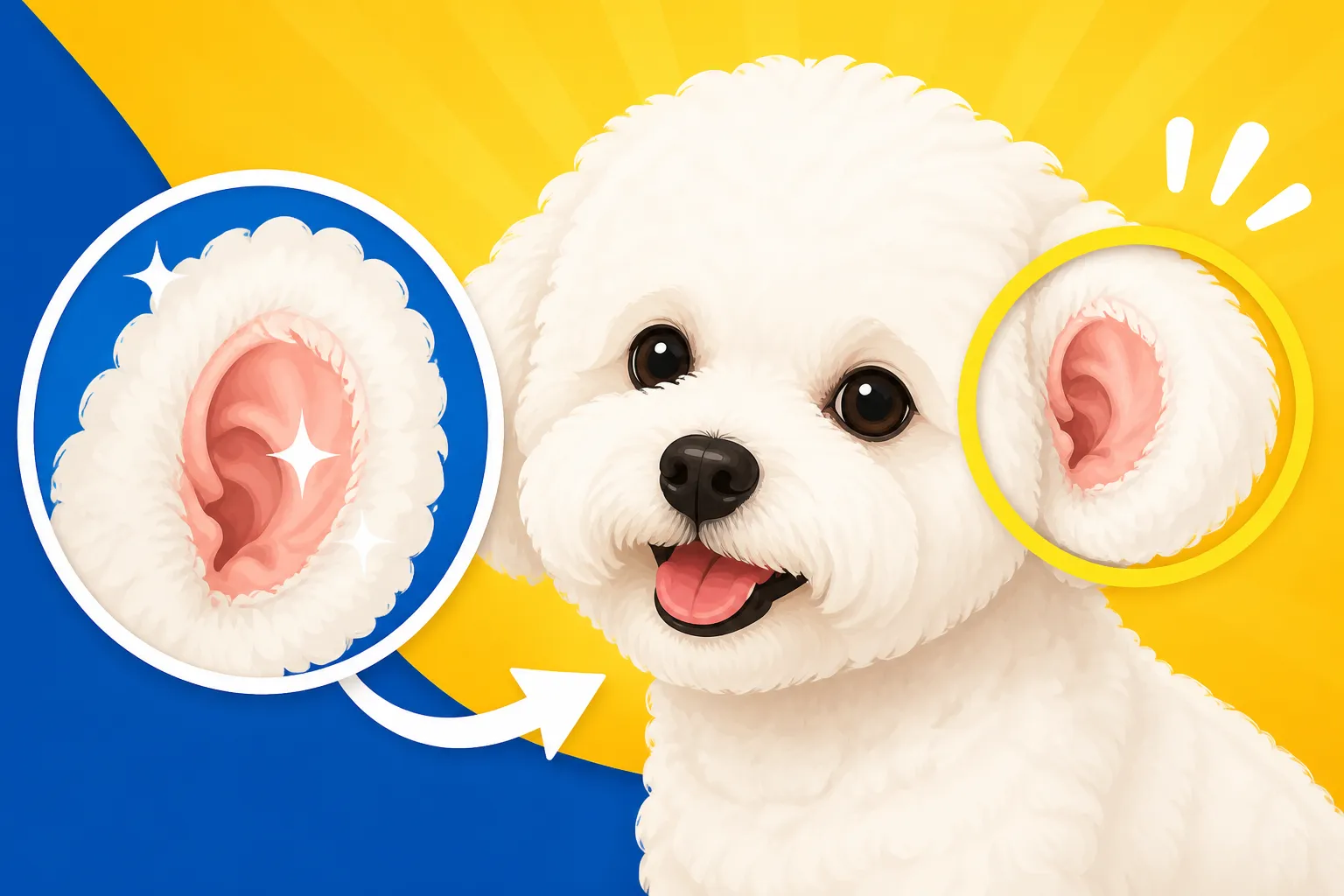
The Ears a Bichon Frise Needs Cleaned Every Week
Oh, the ears! If you're a Bichon Frise parent, you know that those adorable, floppy, fur-covered ears are often a source of endless joy, but also, let's be honest, endless concern. Many of us have felt that sinking feeling when our sweet, fluffy companion starts shaking their head or scratching frantically. This guide is all about taking the mystery and stress out of Bichon Frise ear care, giving you the confidence to keep those delicate ears healthy and clean every single week.
Why Bichon Frises Are Prone to Ear Problems
It’s not just your imagination; Bichon Frises genuinely seem to have more ear troubles than some other breeds. It’s not a reflection on your care, but rather a perfect storm of anatomical quirks and genetic predispositions that make their ears a prime breeding ground for issues. Understanding why they are prone to problems is the first step in effective prevention and care.
The Anatomy of a Bichon Frise Ear
Let's get a little scientific for a moment, but I promise to keep it light! A Bichon Frise’s ear canal isn't a straight shot like ours. Instead, it takes a sharp turn, forming an "L" shape. This anatomical quirk means that anything that gets into the ear – dirt, debris, moisture, even shed hair – has a harder time getting out. It gets trapped in that bend, creating a cozy little environment for bacteria and yeast to multiply. On top of that, Bichons have those lovely, heavy drop ears. These ears lie flat against the side of their head, covering the ear canal opening. While adorable, this design further restricts airflow, making the ear canal warm, dark, and humid – again, perfect for those unwelcome microscopic guests. It’s like a perpetually sealed, humid room, and we all know how quickly mold can grow in those conditions!
Then there's the hair. Oh, the hair! Bichon Frises have a profuse, non-shedding coat that extends right down into their ear canals. While great for allergy sufferers because it traps shed dander, it's not so great for ear hygiene. This hair acts like a net, catching wax, dirt, and moisture. It can also create a dense mat within the canal itself, further blocking airflow and preventing any trapped gunk from escaping naturally. Imagine trying to clean a dusty, humid corner that’s also packed with cotton wool – that's often what we're up against with a Bichon's ear. This unique combination of a bent canal, floppy ears, and abundant ear hair really sets the stage for frequent ear woes.
How Moisture Gets Trapped and Causes Trouble
Water is a friend in many ways, but it can be a real enemy when it comes to Bichon Frise ears. Think about it: every bath, every playful splash in a puddle, every time they drink water and shake their head – moisture can easily seep into those ear canals. And because of that L-shaped canal and the dense hair we just talked about, it doesn't just evaporate out quickly. Instead, it gets trapped, creating a persistently damp environment deep inside. This dampness softens the delicate skin lining the ear canal, making it more vulnerable to irritation and infection.
Moreover, moisture dilutes the natural protective cerumen (ear wax) and can alter the pH balance of the ear, creating an even more hospitable environment for bacterial or yeast overgrowth. It's similar to how human swimmers often get "swimmer's ear" – prolonged dampness can lead to problems. This is why many experienced Bichon owners become almost obsessive about thoroughly drying their dog's ears after baths or any water exposure. Even a simple grooming session where water splashes near the ears can set the stage for an issue if not dried properly. Preventing this trapped moisture is a cornerstone of good weekly ear care for your fluffy friend.
The Role of Allergies in Ear Health
Beyond anatomy and moisture, a huge, often underestimated, factor in recurrent Bichon Frise ear problems is allergies. Many Bichons, unfortunately, suffer from environmental allergies (atopy) or food sensitivities, and one of the most common ways these allergies manifest is through chronic ear infections. You might notice your dog scratching all over, licking their paws incessantly, or developing a rash on their belly, but sometimes, the only visible symptom of an underlying allergy is persistent ear trouble. It's frustrating because you can clean and treat ear infections all you want, but if the root cause – the allergy – isn't addressed, those infections will just keep coming back, often with a vengeance. For more on this, you might find Recurrent Ear Infections in a Bichon Frise and What Atopic Dermatitis Does to a Bichon Frise insightful reads.
When a Bichon's body reacts to an allergen, whether it's pollen, dust mites, or a protein in their food, it triggers an inflammatory response. This inflammation can extend to the skin lining the ear canal, making it red, itchy, and swollen. This irritated skin then becomes much more susceptible to secondary bacterial and yeast infections. It’s a vicious cycle: allergies cause inflammation, inflammation makes the ear vulnerable, and then an infection sets in, causing even more discomfort. If your Bichon seems to have a never-ending cycle of ear infections, despite diligent cleaning, it’s absolutely worth discussing allergy testing and management strategies with your veterinarian. Addressing the underlying allergy can be a game-changer for their overall ear health and comfort. You might also explore Whether a Bichon Frise's Itching Is Food or Pollen to understand the nuances of allergy triggers.
Recognizing the Signs of Ear Trouble
Even with the most diligent weekly cleaning, our Bichons can still run into ear issues. It's crucial to be observant and know what to look for, so you can catch problems early before they escalate into something more serious and painful for your furry companion. Ignoring subtle signs can lead to much bigger headaches (and vet bills!) down the line.
Common Symptoms and What They Mean
Your Bichon Frise can't tell you in words that their ear hurts, but they'll certainly communicate it through their behavior and physical signs. One of the most common indicators is increased head shaking. It might start subtly, just a quick twitch now and then, but if it becomes more frequent, vigorous, or persistent, it's a huge red flag. Similarly, excessive scratching at the ears, sometimes so intense that they rub the fur thin or even break the skin around the ear flap, is a clear sign of discomfort. They might use their paws, or even rub their head along the carpet or furniture to try and alleviate the itch.
Beyond behavioral cues, a quick visual and olfactory inspection can reveal a lot. Check the inside of their ear flap and the opening of the ear canal. Is it redder than usual? Swollen? Are there any scabs or crusts? Is there an unusual discharge? This discharge can range from dark brown and waxy, to yellowish and pus-like. And don't forget to take a whiff! Healthy ears have a very faint, neutral smell. An unpleasant odor – often described as sweet, yeasty, or even rotten – is a definitive sign of trouble, usually indicating a yeast or bacterial infection. If you notice any of these symptoms, it’s time for a closer look and probably a call to your vet. You can learn more about behavioral indicators in Whether a Bichon Frise Shakes Its Head.
When It's More Than Just Dirt
Sometimes, what looks like a bit of dirt or wax is actually the beginning of something more sinister, especially in a breed like the Bichon Frise. While a healthy ear will produce a small amount of light brown wax, which you can easily wipe away during your weekly routine, certain changes indicate an underlying problem. If the wax is suddenly much darker, stickier, or more copious than usual, it's a sign that the ear's environment is out of balance. This kind of dark, crumbly, often smelly wax is a classic sign of a yeast infection, which thrives in warm, moist conditions.
On the other hand, if you see a yellowish, greenish, or even bloody discharge, accompanied by a foul odor, that usually points to a bacterial infection. These are often more painful and require prescription medication. The key is that these aren't just surface issues; they indicate an inflammatory process deep within the ear canal. When your cleaning efforts don't seem to make a difference, or the symptoms reappear quickly, it's a strong hint that you're dealing with more than routine grime. Don't try to self-diagnose or treat severe infections with over-the-counter remedies, as you could delay proper treatment and worsen the condition. Here's a quick guide to differentiate:
| Symptom | Possible Cause | Action Needed |
|---|---|---|
| Slight light brown wax | Normal ear discharge | Routine weekly cleaning |
| Head shaking | Itch, discomfort | Check ears, clean, monitor; Vet if persistent |
| Ear scratching | Itch, discomfort | Check ears, clean, monitor; Vet if persistent |
| Redness, mild swelling | Inflammation, early infection | Gentle cleaning, monitor; Vet if no improvement |
| Dark brown, crumbly wax | Yeast infection | Vet visit for diagnosis and treatment |
| Yellow/green discharge | Bacterial infection | Vet visit ASAP for diagnosis and antibiotics |
| Foul, yeasty odor | Yeast or bacterial infection | Vet visit for diagnosis and treatment |
| Pain on touch | Severe inflammation, infection | Vet emergency |
| Holding head to one side | Severe discomfort, inner ear issue | Vet emergency |
The Dangers of Ignoring Ear Issues
It’s easy to think, "Oh, it's just a little scratch, he'll be fine," or "I'll clean it tomorrow." But with Bichon Frises and their particular ear anatomy, delaying treatment for ear issues can have serious and long-lasting consequences. What starts as a simple yeast infection can quickly become a deep, painful bacterial infection, especially if the ear canal is already inflamed and compromised. These infections are incredibly uncomfortable for your dog, causing chronic pain that can affect their mood, appetite, and overall quality of life. They might become withdrawn, grumpy, or even aggressive when you try to touch their head.
Untreated or recurrent ear infections can also lead to permanent damage. Chronic inflammation can cause the ear canal to narrow and scar, making it even harder for air to circulate and for wax to be expelled naturally. This further increases the risk of future infections, creating a vicious cycle. In severe, long-standing cases, the infection can even spread to the middle or inner ear, leading to balance problems, hearing loss, or even neurological issues. In extreme situations, recurrent, untreatable infections can necessitate a Total Ear Canal Ablation (TECA) surgery, where the entire ear canal is surgically removed – a major, expensive procedure that forever alters your dog's hearing and appearance. Trust me, it’s always better to be proactive and address ear issues promptly rather than waiting for them to become a serious, chronic problem.
Gathering Your Ear Cleaning Arsenal
Before you even think about starting your weekly ear care routine, you need to make sure you have the right tools at hand. Rushing into it without preparation can make the whole process stressful for both you and your Bichon, and it won't be as effective. Having your "ear cleaning station" ready helps create a smooth, positive experience, which is key to making this a routine your dog tolerates, or even enjoys!
Essential Tools and Products
First things first, you'll need a good quality ear cleaning solution specifically formulated for dogs. Don't use rubbing alcohol, hydrogen peroxide, or anything not designed for canine ears, as these can be irritating or even damaging. Look for solutions that are gentle, drying, and perhaps have mild antiseptic properties. Brands like Zymox, Epi-Otic, or Virbac often come recommended by veterinarians. You can usually find these at your local pet supply store, veterinary clinic, or online retailers such as Chewy or Amazon. Along with the cleaner, you'll need plenty of cotton balls or cotton rounds. Avoid Q-tips, as these can push debris further into the ear canal or even damage the eardrum. For any visible ear hair, a pair of blunt-nosed hemostats can be incredibly useful, though some prefer small, sharp grooming scissors for trimming.
You'll also want some really tasty treats on hand to reward your Bichon throughout the process. Positive reinforcement is crucial! A soft towel for any spills or shakes is also a good idea. Some people find having a headlamp or a small, bright flashlight helpful to get a better view deep into the ear canal. If your Bichon is particularly squirmy, having a second person to gently hold them can make the task much easier. Think of it as preparing for a mini-spa session for their ears – all the right tools for a calm, effective experience.
Choosing the Right Ear Cleaner
Selecting the perfect ear cleaner for your Bichon Frise is more important than you might think. Not all cleaners are created equal, and what works for one dog might not be ideal for another, especially if your Bichon has sensitive skin or a history of infections. The best ear cleaners for routine maintenance are typically gentle, have a balanced pH, and contain ingredients that help to break down wax and dry the ear canal without causing irritation. Look for ingredients like salicylic acid, lactic acid, or aloe vera, which can gently exfoliate, clean, and soothe. Products containing a drying agent like boric acid or witch hazel can be particularly beneficial for Bichons prone to moisture buildup.
On the flip side, be wary of cleaners that contain alcohol as a primary ingredient, as this can be harsh and drying, leading to further irritation in sensitive ears. Heavily fragranced cleaners might smell pleasant to us, but the perfumes can be irritating to your dog's delicate ear canal. If your Bichon has an active infection, your vet might prescribe a specific medicated ear cleaner or drops. Always check with your vet if you're unsure which cleaner to use, especially if your dog has a history of ear problems. The goal is to choose a cleaner that helps maintain a healthy ear environment, preventing issues before they start, rather than creating new ones.
Debunking Ear Cleaning Myths
There are so many myths floating around about ear cleaning, and believing them can actually hinder your efforts to keep your Bichon's ears healthy. Let's clear up a few common misconceptions. Myth number one: "You only need to clean ears when they look dirty." Absolutely false for Bichons! Because of their anatomy, dirt and moisture can build up internally long before you see external signs. Regular weekly cleaning is preventative and essential, even if they look perfectly fine. Delaying only leads to bigger problems.
Myth number two: "Hydrogen peroxide is a great ear cleaner." Please, no! While it bubbles and seems to clean, hydrogen peroxide can be very irritating to the delicate tissues in a dog's ear canal. It can also leave moisture behind, which, as we've discussed, is exactly what we want to avoid in a Bichon. Stick to dog-specific ear cleaners. Myth number three: "Plucking ear hair always causes infection." Not necessarily. While aggressive, improper plucking can cause micro-traumas that might get infected, careful and gentle plucking or trimming of excessive hair, when done correctly, can significantly improve airflow and reduce moisture and wax buildup, actually preventing infections. The key is gentle technique or professional help. Don't let these myths deter you from providing your Bichon with the vital ear care they need.
Step-by-Step Guide to Weekly Ear Cleaning
Now that you understand the "whys" and have gathered your "whats," it’s time to tackle the "how." Weekly ear cleaning doesn't have to be a battle; with a calm approach, the right technique, and plenty of positive reinforcement, it can become a routine that your Bichon tolerates, or even looks forward to. Remember, consistency is key!
Pre-Cleaning Preparation
Before you even reach for the ear cleaner, set yourself up for success. Choose a quiet time when your Bichon is calm and relaxed. Avoid doing it right after an exciting play session or when there are a lot of distractions around. Find a comfortable, well-lit space where you can easily reach your dog’s ears and they feel secure. A non-slip surface on a table or even sitting on the floor with them in your lap can work well. Have all your supplies – ear cleaner, cotton balls, treats, and perhaps a towel – within easy reach. The last thing you want is to be fumbling around while holding a squirming Bichon.
Speak in a soothing, reassuring voice, letting your Bichon know what’s coming. Gently pet them and give them a few treats just for sitting calmly. This helps associate the upcoming process with positive feelings. If your Bichon is particularly anxious about their ears, consider doing a few short "practice runs" where you simply touch their ears, give a treat, and release, gradually building up their tolerance. For a deeper dive into handling resistance, Teaching a Bichon Frise to Accept Ear Treatment might be helpful. Remember, your calm energy will translate to your dog, so take a deep breath and project confidence.
The Gentle Cleaning Process
Okay, supplies ready, Bichon calm (or mostly calm!), let's get cleaning.
- Lift the Ear Flap: Gently lift your Bichon’s ear flap to expose the ear canal opening. You'll likely see a good amount of fluffy hair there.
- Administer the Cleaner: Hold the ear flap up and carefully insert the tip of the ear cleaner bottle into the ear canal. Don't push it too far; just enough to get the nozzle past the opening. Squeeze gently to fill the canal with the solution. You want a good amount in there – don't be shy!
- Massage the Base of the Ear: Once the cleaner is in, immediately remove the bottle and gently but firmly massage the base of the ear, just below the ear canal opening. You should hear a squishy, sloshing sound, which tells you the cleaner is getting deep into that L-shaped canal and breaking up wax and debris. Massage for about 20-30 seconds. This step is crucial for allowing the cleaner to do its job.
- Allow Them to Shake: Step back and let your Bichon shake their head. And they will shake! This is perfectly normal and actually helps dislodge the gunk from deeper in the canal. Be prepared for a spray of cleaner and loosened debris – that towel you laid down will come in handy!
- Wipe Away Debris: Take a fresh cotton ball (remember, no Q-tips for inside the canal!) and gently wipe away any visible cleaner, wax, and debris from the outer ear flap and the immediate opening of the ear canal. You might need several cotton balls until they come away relatively clean. Never probe deep into the ear canal with the cotton ball or your finger. You're just cleaning what comes out naturally.
- Repeat (if needed): If the first cotton ball comes out really dirty, you might repeat the process on the same ear, administering more cleaner and massaging again, until the cotton balls come out cleaner. Then move on to the other ear.
- Reward Generously: After each ear is cleaned, or even after each step if your Bichon is particularly sensitive, offer lavish praise and high-value treats. You want them to associate this routine with good things!
Always remember to be gentle and patient. If your Bichon shows signs of pain or extreme discomfort, stop immediately and consult your vet.
Dealing with Ear Hair
The hair inside a Bichon Frise’s ear canals can be a double-edged sword. While it’s part of their charming fluffiness, if left untended, it can become a major contributor to ear infections by trapping moisture and debris, and blocking airflow. So, what do you do about it? There are generally two approaches: plucking or trimming.
Plucking: This involves using a pair of blunt-nosed hemostats (forceps) to gently pull out small tufts of hair from the ear canal. The idea is to thin out the hair to improve air circulation. Many professional groomers and vets prefer plucking, as it removes the hair from the follicle, keeping the canal clear for a longer period. However, it must be done carefully and gently. Grab only a few hairs at a time, pulling quickly in the direction of hair growth. If done too aggressively, it can be painful, cause tiny traumas to the skin, and potentially lead to inflammation or infection. Some Bichons are very sensitive to plucking, while others tolerate it well. If you're unsure, ask your groomer or vet to show you how to do it correctly, or better yet, have them do it during their regular visits.
Trimming: An alternative, particularly for very sensitive Bichons or owners uncomfortable with plucking, is to carefully trim the hair that grows around the opening of the ear canal and just inside. Using small, blunt-nosed scissors, you can trim the longest hairs to create better airflow without going deep into the canal. This method is less invasive and less likely to cause irritation, but it might need to be done more frequently as the hair grows back faster. The goal isn't to remove every single hair, but to reduce the density that traps moisture and clogs the canal. Whichever method you choose, remember that the aim is to create a healthier, less hospitable environment for bacteria and yeast, not to cause trauma. You can read more about this in Whether a Bichon Frise's Ear Hair Needs Plucking.
Beyond Weekly Cleaning: Advanced Ear Care Strategies
While weekly cleaning is foundational, some Bichons might need a bit more, especially if they are prone to recurrent issues or have underlying health conditions. Think of these as supplementary strategies that build upon your regular routine, offering an extra layer of protection and comfort for those precious ears.
Regular Vet Check-ups for Ear Health
Even if you’re a pro at weekly ear cleaning, nothing beats the professional eye of your veterinarian. Regular check-ups, even when your Bichon's ears seem fine, are incredibly important for several reasons. Your vet has specialized tools, like an otoscope, that allow them to see deep into the ear canal, beyond what you can see with the naked eye. They can spot subtle inflammation, early signs of infection, foreign bodies, or even growths that you might miss. Early detection means faster, less invasive, and often less expensive treatment.
During these visits, your vet can also assess the overall health of the ear drum and ensure that your cleaning routine isn't causing any issues. If your Bichon is experiencing recurrent infections, your vet can take a swab of the ear canal to perform cytology (looking at the cells under a microscope) and culture & sensitivity tests. These tests identify the specific type of bacteria or yeast present and determine which medications will be most effective, preventing you from using ineffective treatments that only delay healing. Establishing a strong relationship with your vet for routine ear health monitoring is truly one of the best advanced strategies you can employ.
Managing Underlying Allergies
As we discussed earlier, allergies are a huge culprit behind many Bichon Frise ear problems. If your dog suffers from chronic, recurrent ear infections despite diligent cleaning, it’s highly probable that an underlying allergy is at play. Simply treating the infection won't solve the problem; it's like bailing water out of a leaky boat without patching the hole. Addressing these allergies effectively can dramatically reduce the frequency and severity of ear infections, giving your Bichon much-needed relief.
This might involve a multi-pronged approach in consultation with your vet. For food allergies, an elimination diet with novel proteins or hydrolyzed proteins is often recommended. Brands like Purina Pro Plan Veterinary Diets or Royal Canin Veterinary Diet offer specialized formulas, and even fresh food services like Ollie can be explored if approved by your vet, though always check with your vet for specific recommendations for a sensitive stomach. For environmental allergies, your vet might suggest allergy testing to identify specific triggers, followed by immunotherapy (allergy shots or oral drops). Other treatments can include oral medications like Apoquel or injectables like Cytopoint, which help control the itch and inflammation that lead to ear problems. Sometimes, something as simple as changing laundry detergent for dog bedding or using air purifiers in the home can make a difference. Managing the allergy is managing the ears – it’s a holistic approach that can bring long-term comfort. Check out Managing a Bichon Frise's Skin Without Steroids for more information on skin management.
Proactive Prevention Tips
Beyond the regular cleaning and allergy management, there are several proactive steps you can take to minimize the risk of ear issues in your Bichon Frise. One of the simplest yet most effective is thoroughly drying their ears after any water exposure. Whether it’s a bath, a swim, or even a walk in the rain, make it a habit to gently but diligently dry the inside of their ear flaps and around the ear canal opening with a soft towel. Some owners even use a low-setting hairdryer (held far away and on cool) to ensure the inner ear is dry. The goal is to eliminate that warm, moist environment that yeast and bacteria love.
Another tip is to be mindful of irritants. Dust, strong perfumes, smoke, and even certain grooming products can irritate sensitive ear canals. If your Bichon is prone to ear issues, avoid spraying colognes near their head or bathing them with harsh shampoos that might run into their ears. Regular grooming plays a significant role too; keeping the hair around and just inside the ear canal trimmed or plucked (if appropriate for your dog) will significantly improve airflow and reduce trapping of debris. Finally, consider diet carefully. While not a magic bullet, a high-quality, balanced diet supports overall skin and coat health, which in turn can contribute to healthier ears. Ensure your Bichon is on a good diet, as discussed in The Diet a Bichon Frise Stays On for Life, as sometimes dietary imbalances can worsen skin and ear sensitivity.
When to Call the Vet: Red Flags and Emergencies
Knowing when to clean at home and when to seek professional help is a critical distinction for any Bichon Frise owner. While weekly cleaning is your first line of defense, there are definite red flags that signal it's time to put down the cotton balls and pick up the phone to your veterinarian. Ignoring these signs can lead to unnecessary pain for your dog and more complicated, expensive treatments down the road.
Signs of Severe Infection or Injury
If you notice any of the following symptoms, stop your home cleaning routine immediately and contact your vet:
- Extreme Pain or Sensitivity: If your Bichon cries out, snaps, or recoils violently when you even gently touch their ear, it’s a sign of severe pain. They might hold their head to one side, favoring the painful ear. This level of discomfort indicates something serious is going on, likely a deep infection or even an injury.
- Significant Swelling or Redness: While mild redness might be present with an early infection, extensive swelling, particularly of the entire ear flap or around the ear canal opening, is a serious sign. The ear canal itself might appear visibly inflamed and narrowed.
- Pus or Bloody Discharge: Any discharge that is thick, yellowish-green, or contains blood is a clear indication of a significant bacterial infection that requires immediate veterinary attention and prescription antibiotics.
- Foul, Putrid Odor: Beyond a mild yeasty smell, a truly foul, rotten odor emanating from the ear suggests a severe, possibly deep-seated, infection that won't resolve with home cleaning.
- Lethargy, Loss of Appetite, Fever: If your Bichon is not only experiencing ear pain but also seems generally unwell, refusing food, running a fever, or being unusually listless, it suggests the infection might be affecting their overall health.
- Balance Problems or Head Tilting: If the infection has spread to the middle or inner ear, it can affect their balance. You might notice them walking in circles, stumbling, or constantly tilting their head to one side. This is a neurological sign and a definite emergency.
These are not symptoms to "wait and see" about. Prompt veterinary intervention is crucial to prevent the condition from worsening and to alleviate your dog's suffering.
Understanding Vet-Prescribed Treatments
When your Bichon Frise presents with a full-blown ear infection, your vet will likely prescribe a specific course of treatment. It's vital to understand and adhere to this regimen precisely. Typically, treatment begins with a thorough cleaning of the ear canal at the clinic, sometimes under light sedation if the ear is very painful or the buildup is severe. This allows the vet to remove accumulated debris and visualize the eardrum.
Next, your vet will likely prescribe topical ear drops or ointment, which usually contain a combination of antibiotics (to fight bacteria), antifungals (to combat yeast), and anti-inflammatory steroids (to reduce swelling and pain). It’s incredibly important to administer these medications exactly as directed – for the full duration specified, even if the ear seems to improve sooner. Stopping early can lead to resistant infections. In some cases, especially with severe or deep-seated infections, oral antibiotics or anti-inflammatory medications may also be prescribed. Your vet might schedule a follow-up appointment to recheck the ear, ensuring the infection has cleared and the eardrum is healthy. This follow-up is not optional; it confirms the treatment was successful and helps prevent recurrence. For some insight into the costs associated, you may want to consult What an Ear Infection Costs to Treat on a Bichon Frise.
Preventing Recurrence of Serious Issues
Once you and your vet have successfully treated a serious ear infection, the focus shifts entirely to preventing a recurrence. This isn't just about going back to your weekly cleaning routine; it's about identifying and addressing the underlying factors that led to the infection in the first place. If your vet identified a specific type of bacteria or yeast, understanding why it took hold is key.
This often means a more aggressive, consistent approach to managing any identified allergies, whether environmental or food-related. This might include continued allergy medications, strict adherence to a prescription diet, or regular immunotherapy. For Bichons with very hairy ear canals, consistent professional grooming or careful at-home plucking/trimming becomes even more critical to maintain good airflow. Your vet might also recommend more frequent check-ups, especially during allergy seasons, or suggest specific ear cleaning solutions designed for dogs with chronic issues. Some owners find that incorporating a drying ear solution, perhaps with witch hazel or boric acid, after baths or swims, even for healthy ears, provides an extra layer of protection. It’s an ongoing partnership with your vet, aimed at creating a stable, healthy ear environment for your beloved Bichon, breaking that frustrating cycle of recurring infections.
Training Your Bichon Frise to Tolerate Ear Care
Let's face it, no dog loves having their ears poked and prodded, and Bichons, with their sometimes sensitive natures, can be particularly resistant. But ear care is non-negotiable for their health. The good news is that with patience, positive reinforcement, and a consistent approach, you can transform ear cleaning from a wrestling match into a tolerable, or even acceptable, routine for your fluffy friend.
Starting Early with Positive Reinforcement
The absolute best time to start getting your Bichon Frise comfortable with ear handling is when they are a puppy. Even before they need a full cleaning, start with brief, positive interactions focused on their ears. Gently touch their ear flap for a second, then immediately give a treat and praise. Repeat this many times a day, gradually increasing the duration and intensity. Move from touching the outside of the ear, to lifting the flap, to gently touching the inside of the ear. Each step should be super short, calm, and end with a reward. The goal is to create a strong, positive association: "Ear touch equals yummy treat!"
Don't wait until there's an actual problem to introduce ear handling. If the first time their ears are touched is when they're painful and you're trying to administer medication, it's going to be a negative experience that's hard to overcome. Early desensitization and counter-conditioning lay the foundation for a lifetime of easier ear care. Even if you have an adult Bichon who is already resistant, you can still start this process, just be prepared for it to take more time and patience. Every small step forward is a victory.
Making Ear Cleaning a Positive Experience
Okay, so you're actually cleaning their ears. How do you keep it positive? It's all about pairing the procedure with things your Bichon loves. Before you even start, get out those high-value treats – cheese, cooked chicken, peanut butter (xylitol-free!), whatever makes their tail wag. Give them a few treats just for sitting down. As you lift the ear flap, another treat. As you squirt in the cleaner, immediately follow with a treat. While you're massaging the ear, continue to offer treats or let them lick peanut butter off a spoon. The moment they shake their head, praise them enthusiastically and give another treat.
The key is to create a continuous stream of positive associations. Keep your voice calm and cheerful throughout. Never scold or punish them for pulling away or shaking their head – that only makes them more fearful. If they are really struggling, take a break, offer comfort, and try again when they're calmer, perhaps with more distance between steps. Think of it as a collaboration, not a confrontation. Over time, your Bichon will learn that while the ear cleaning itself might be a little weird, it reliably predicts a shower of delicious rewards and praise. This positive conditioning will be your secret weapon for stress-free ear care.
Troubleshooting Resistant Bichons
Some Bichons are just naturally more sensitive or have had previous negative experiences, making them highly resistant to ear handling. If you find yourself in this situation, don't despair, but do acknowledge that it might take extra effort and creativity. First, ensure there's no pain: if they're reacting strongly, a vet visit is essential to rule out an underlying infection or injury that's making the process painful. No amount of training will overcome actual pain.
If pain is ruled out, consider breaking down the task into even smaller micro-steps. Can they tolerate you just looking at their ear for a second? Reward that. Can they tolerate you touching the outside of their ear? Reward that. Build up slowly. Try different locations or positions – some dogs are calmer on a grooming table, others prefer being cradled on the couch. Enlist a second person to gently hold your Bichon while you administer treats and do the cleaning. If you're really struggling, don't hesitate to seek professional help from a positive reinforcement trainer or your groomer. They often have tricks and techniques for making resistant dogs more comfortable, and a professional groomer can often handle the ear plucking or trimming if it's too difficult at home. Sometimes, if the anxiety is severe, your vet might even suggest a mild sedative for initial cleanings to help break the cycle of fear, allowing you to establish a more positive routine once they are less stressed. Patience and persistence are your greatest allies here.
Disclaimer
This article is for general informational purposes only and does not constitute professional advice. Laws, prices and regulations vary by location and change over time. Consult a qualified professional for guidance on your specific situation.