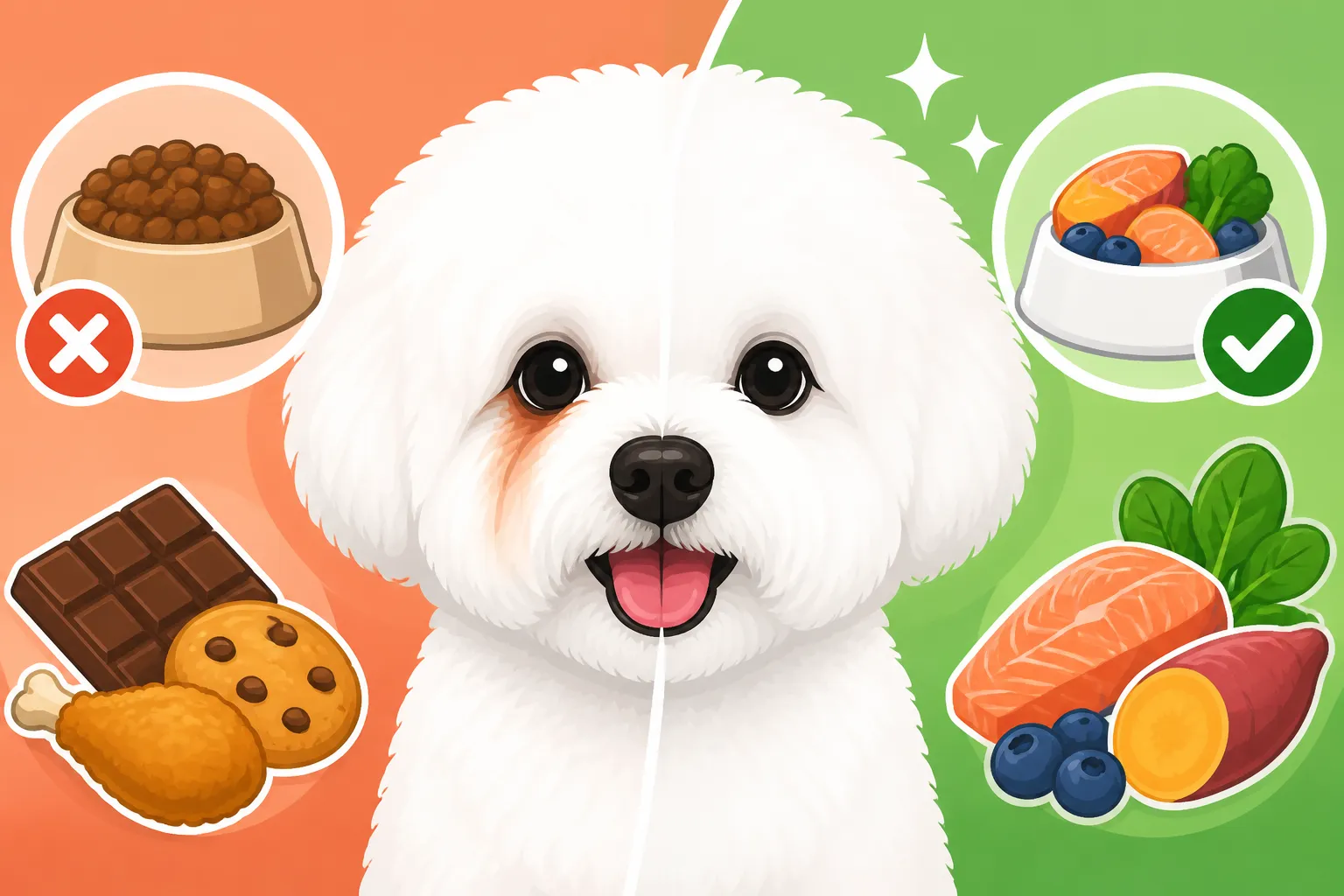
Whether Diet Changes a Bichon Frise’s Tear Stains
One of the most common and often frustrating issues Bichon Frise owners face is the persistent, unsightly reddish-brown tear staining that mars their otherwise pristine white coats. It’s a battle many feel is endless, often leading to questions about everything from grooming techniques to, most frequently, what their beloved pup is eating. You’ve likely stared at those streaks, wondering if a simple change in diet could finally be the magic bullet. This comprehensive guide will explore the intricate relationship between your Bichon Frise's diet and their tear stains, unraveling the myths from the realities and offering practical, empathetic advice to help you tackle this common challenge.
Understanding Bichon Frise Tear Stains
Before we dive into diet, it’s crucial to understand what tear stains actually are and why they seem to favor our adorable Bichon Frises. It’s not just "dirty" tears; there’s a biological process at play that, once understood, helps us approach the problem more effectively. Many owners feel a pang of guilt, thinking they're not cleaning enough, but the reality is far more complex than simple hygiene.
What Causes the Discoloration?
The reddish-brown streaks that plague many white-coated breeds, especially Bichon Frises, are primarily caused by a compound called porphyrin. Porphyrins are iron-containing waste products that are naturally present in tears, saliva, and urine, resulting from the normal breakdown of red blood cells in the body. When these porphyrins are exposed to light and air, they oxidize, which is a fancy way of saying they react with oxygen, turning that tell-tale reddish-brown color we all recognize. Think of it like an apple turning brown after you cut it and leave it out – it's a natural chemical reaction.
Beyond porphyrins, the moist environment created by constant tearing around the eyes is a breeding ground for yeast and bacteria. One of the most common culprits is Malassezia, a type of yeast that can thrive in damp conditions. When yeast or bacteria proliferate in the stained area, they can contribute to the darker, sometimes almost black or crusty appearance of the stains, making them look even more pronounced and potentially causing irritation or a foul odor. It's a double whammy: the porphyrins provide the initial color, and then the microbial growth deepens and sometimes complicates the issue. This is why addressing the microbial component is often just as important as managing the tear flow itself. You might find it helpful to learn more about Whether Yeast Causes a Bichon Frise's Brown Stains.
Why Bichons Are Prone to Staining
It often feels like Bichons are disproportionately affected by tear stains, and there's a good reason for that – several, in fact. Their unique genetics and physical characteristics make them particularly susceptible. Firstly, their pristine white coat acts like a blank canvas, making even the slightest discoloration incredibly obvious. A dog with a darker coat might have similar tear production and porphyrin levels, but you’d simply never notice it as much. It’s a visual curse of their beauty!
Secondly, Bichon Frises often have anatomical features that predispose them to excessive tearing, a condition known as epiphora. This can include shallow eye sockets, which make their eyes appear more prominent and potentially exposed, leading to more tear production as a protective mechanism. They might also have slightly compressed or twisted tear ducts, meaning tears don't drain efficiently into the nasal cavity as they should. Instead, the tears overflow onto the face. The fine, curly hair around their eyes acts like a wick, drawing these porphyrin-rich tears onto the fur, where they then sit and oxidize. It’s a perfect storm of genetics, anatomy, and coat color that makes tear stains such a persistent battle for Bichon owners. Sometimes, persistent tearing can be a sign of something more serious, so it’s always worth considering Whether Tear Stains Mean Something Is Wrong.
Beyond the Bowl: Other Factors Contributing to Tear Stains
While diet is a natural place to look for answers, it's really just one piece of a much larger puzzle. Many non-dietary factors can significantly contribute to a Bichon Frise's tear stains, and ignoring them means you might never truly get ahead of the problem, no matter how perfectly you formulate their meals.
Environmental and Anatomical Influences
Our Bichons are sensitive little souls, and their environment can play a huge role in tear production. Allergies are a major culprit, much like in humans. Dogs can suffer from environmental allergies to things like pollen, dust mites, or molds, which can lead to itchy, watery eyes, causing an increase in tear flow. Imagine how your own eyes might water during hay fever season – it's a similar reaction for our furry friends. These increased tears, even if they're perfectly clear, still contain porphyrins, and more tears mean more porphyrins seeping onto the fur, ready to stain.
Beyond environmental irritants, underlying anatomical issues are incredibly common in Bichons and often go undiagnosed without a thorough veterinary examination. These can include genetic predispositions like ingrown eyelashes, known as distichiasis or ectopic cilia, where eyelashes grow inwards and constantly irritate the surface of the eye. This chronic irritation naturally causes excessive tearing. Some Bichons also have poorly formed or blocked tear ducts that prevent proper drainage of tears. Instead of tears flowing down through the nose, they simply spill over the eyelid onto the facial hair, creating the perfect conditions for staining. Furthermore, chronic eye infections or foreign bodies (like a tiny speck of dust or a stray hair) that irritate the cornea can also lead to increased tear production. These are all reasons why a vet visit is crucial if you're struggling with severe or sudden staining, as diet alone won't fix a physical blockage or infection. Understanding The Eyes a Bichon Frise Inherits can shed more light on these common issues.
Grooming Habits and Water Quality
Believe it or not, your grooming routine and even the water your Bichon drinks can impact tear stains. The most obvious factor is the lack of regular cleaning. If tears are constantly flowing onto the face, and you don't diligently wipe them away, the porphyrins have ample time to oxidize and set into the fur. This is why daily, gentle cleaning of the area around the eyes is non-negotiable for a Bichon Frise with staining issues. Think of it as preventative maintenance; you're not just cleaning a stain, you're preventing it from becoming a deeper, more permanent fixture.
The length and texture of the hair around your Bichon's eyes also play a critical role. Long, wispy hairs act like tiny wicks, drawing tears away from the eye and onto the facial fur. If this hair is allowed to grow too long or become matted, it creates a continuously damp environment, which, as we discussed, is ideal for yeast and bacteria to flourish, intensifying the discoloration. Regular, careful trimming of this hair by yourself or a professional groomer can make a significant difference in keeping the area drier and reducing the visible staining. Another often-overlooked factor is water quality. While scientific evidence is largely anecdotal, many Bichon owners report a reduction in tear stains after switching from tap water to filtered or distilled water. The theory is that minerals and impurities, particularly iron, present in tap water could contribute to porphyrin levels or interact with tears to worsen staining. While not a guaranteed fix, it's a relatively easy and harmless change to try, especially if you live in an area with particularly hard water. You might be surprised at how many people swear by it, and it costs very little to implement! For more on this, check out Whether Filtered Water Reduces a Bichon Frise's Staining.
The Dietary Connection: How Food Might Affect Tear Stains
Now, let's get to the heart of the matter: how does what your Bichon eats potentially impact those notorious tear stains? It’s a topic of much debate among owners and even some vets, but there are several theories and anecdotal reports that suggest a link.
Food Allergies and Sensitivities
One of the most widely discussed dietary connections to tear stains revolves around food allergies and sensitivities. Just like environmental allergens, certain ingredients in your dog's food can trigger an immune response that manifests in various ways, and excessive tearing can certainly be one of them. Common culprits often include proteins like chicken, beef, or dairy, and sometimes grains such as corn, wheat, or soy. When a Bichon is allergic or sensitive to an ingredient, their body perceives it as a threat, initiating an inflammatory response. This inflammation can lead to a variety of symptoms, including itchy skin, ear infections, paw licking, gastrointestinal upset, and yes, increased tear production as the body tries to flush out the irritant.
If your Bichon Frise is constantly tearing and has persistent stains, and you've ruled out obvious anatomical issues, a food allergy is a strong possibility. The increased tear flow, even if the tears themselves aren't initially more porphyrin-rich, means more fluid constantly bathing the facial hair, leading to greater opportunity for porphyrin oxidation and bacterial/yeast growth. Identifying a food allergy usually involves an elimination diet, which can be a commitment but is often the most accurate way to pinpoint the problematic ingredient. This process involves feeding a novel protein and carbohydrate source (ingredients your dog has never eaten before) for several weeks, then slowly reintroducing old ingredients to see if symptoms return. It’s a meticulous process, but many owners find it incredibly rewarding for their dog's overall health and for reducing those stubborn stains. Learning about Whether an Elimination Diet Helps a Bichon Frise can provide a deeper understanding of this process.
Ingredient Quality and Artificial Additives
There's a strong belief among many pet parents and some holistic veterinarians that the overall quality of a dog's diet can influence tear staining. The theory here isn't necessarily about specific allergens, but rather the general metabolic burden placed on the body by low-quality ingredients, excessive fillers, or artificial additives. Some speculate that diets high in artificial colors, preservatives, or by-products might lead to a less efficient metabolic system, potentially increasing the body's production of waste products like porphyrins. While direct scientific proof linking these specific ingredients to increased porphyrin levels in tears is scarce, many owners report improvements when switching to a higher-quality, whole-food diet.
A diet rich in easily digestible, natural ingredients can support overall health, boost the immune system, and potentially reduce systemic inflammation. When a dog's body is functioning optimally, it may be better equipped to process waste efficiently. Think about it: if you eat a diet full of processed foods, you might feel sluggish; the same could apply to your dog. Choosing foods with recognizable, human-grade ingredients, free from unnecessary chemicals, is generally a good practice for your Bichon’s well-being, whether it directly impacts tear stains or not. Brands like Ollie, known for their fresh, minimally processed, human-grade ingredients, represent the kind of high-quality option many owners turn to when looking to improve their pet's diet and address issues like tear staining from the inside out. They focus on nutrient-dense foods that support overall health, which in turn could reduce the body's inflammatory responses or waste product output.
Water Intake and Hydration
Hydration is fundamental to all bodily functions, and while its direct link to tear stains is more theoretical than scientifically proven, it's an area worth considering. The idea is that if a dog is chronically dehydrated, their bodily fluids, including tears, might become more concentrated. More concentrated tears could mean a higher density of porphyrins, making the resulting stains more intense or pronounced when they oxidize on the fur. Additionally, adequate hydration ensures all bodily systems, including those responsible for detoxification and waste elimination, are functioning at their best.
Encouraging your Bichon Frise to drink plenty of fresh water throughout the day is a simple yet vital step for their overall health, and it might indirectly help with tear stain management. Some dogs are simply not big drinkers, or they might be particular about their water source. Providing multiple water bowls, ensuring they are always clean, or investing in a pet water fountain can often encourage increased water intake. A water fountain, for example, keeps water circulating and aerated, which some dogs find more appealing than still water in a bowl. Brands like Chewy and Amazon offer a wide selection of pet water fountains and other hydration aids that can make it easier to boost your Bichon’s daily water consumption. Even if it doesn't miraculously banish all tear stains, proper hydration is paramount for kidney function, joint health, and overall vitality, making it a beneficial practice regardless. For tips on how to encourage drinking, you can explore Whether a Water Fountain Encourages a Bichon Frise.
Implementing Dietary Changes for Tear Stain Reduction
If you suspect diet is playing a role in your Bichon Frise's tear stains, making some targeted changes can be a good next step. Remember, patience is key – it takes time for a dog's system to adjust and for you to see visible results on their coat.
Switching to a Limited Ingredient Diet (LID)
When you're trying to pinpoint a dietary cause for tear stains, a Limited Ingredient Diet (LID) is often the first recommendation. The philosophy behind an LID is to reduce the number of ingredients your dog consumes, making it easier to identify potential allergens or sensitivities. These diets typically feature a single, novel protein source (like duck, venison, salmon, or lamb – proteins your dog hasn't eaten extensively before) and a single, easily digestible carbohydrate source (such as sweet potato or pea). By stripping away common allergens and complex ingredient lists, you give your dog's digestive and immune system a "reset."
The challenge with LIDs is committing to them strictly. This means no other treats, table scraps, or flavored chews, as even a tiny amount of a problematic ingredient can derail your efforts. You’ll need to feed the LID exclusively for at least 8 to 12 weeks to see if it makes a noticeable difference in tear staining. It's a significant commitment, but for many owners, it provides the clarity needed to manage their Bichon's sensitivities. Many premium pet food brands offer LID formulas, which you can easily find through online retailers like Chewy or Amazon, making it convenient to source the right options for your pup's trial. Always consult your veterinarian before starting an elimination diet to ensure it's balanced and appropriate for your dog's specific needs.
Considering Grain-Free or Novel Protein Diets
Beyond LIDs, some owners find success specifically with grain-free diets or those that exclusively use novel proteins, even if they aren't strictly limited ingredient formulas. The theory behind grain-free diets is that some dogs may have sensitivities to common grains like corn, wheat, or soy. While grains are not inherently bad for all dogs, for a select few, they can trigger inflammatory responses that contribute to issues like excessive tearing. If you've tried different protein sources without luck, exploring a high-quality grain-free option might be worth discussing with your vet.
Similarly, even if a diet isn't a strict LID, simply switching to a food with a novel protein can sometimes make a difference. If your Bichon has always eaten chicken and rice, trying a lamb and barley formula, or a salmon and sweet potato recipe, might introduce proteins that are less likely to cause a reaction for your specific dog. The key is to find what works for your individual Bichon Frise, as what triggers one dog might be perfectly fine for another. Again, patience and consistent feeding of the new diet for several weeks are crucial to observe any real change in tear staining. Always transition your dog slowly onto any new food over 7-10 days to avoid digestive upset.
Supplements and Probiotics
In addition to changing your dog's core diet, many owners explore supplements and probiotics as an adjunct to their tear stain management strategy. Certain supplements are marketed specifically for tear stain reduction, often containing ingredients like cranberry extract, Oregon grape root, or specific enzymes. Cranberry extract, for example, is thought to help with urinary tract health by preventing bacteria from adhering to bladder walls, and some theories extend this antibacterial principle to the tear ducts, though scientific evidence for tear stain reduction is often limited and anecdotal.
Probiotics, on the other hand, are beneficial bacteria that support a healthy gut microbiome. A balanced gut is intrinsically linked to a strong immune system and can play a significant role in managing allergies and inflammation throughout the body. If your Bichon's tear stains are partly driven by an underlying allergic response or a compromised immune system, improving gut health with a high-quality probiotic could offer indirect benefits. A healthier gut might lead to a reduction in systemic inflammation, potentially lessening allergic reactions that cause excessive tearing. Many veterinary-approved probiotic supplements are available and can be added to your dog's regular food. You can find a wide array of these supplements, along with detailed reviews from other pet owners, on platforms like Amazon, but always choose reputable brands and consult your vet before introducing new supplements to ensure they are safe and appropriate for your Bichon Frise. For a deeper dive into the benefits, consider Whether a Bichon Frise Needs a Probiotic.
Holistic Management: Beyond Diet
While diet can be a contributing factor, it's essential to remember that tear stains are multifactorial. A holistic approach that combines dietary adjustments with proper grooming, environmental control, and veterinary care offers the best chance for keeping your Bichon Frise's face clean and bright. Neglecting any one of these areas means you're fighting an uphill battle.
Regular Facial Cleaning Routine
This might sound obvious, but a consistent, diligent facial cleaning routine is absolutely paramount for managing tear stains on a Bichon Frise. No matter how perfect their diet, if you don't remove the tears that have already flowed, the porphyrins will still oxidize and stain the fur. Daily cleaning is ideal, and sometimes even twice a day is necessary, especially for pups with heavy tearing. Use a soft, damp cloth, a cotton ball soaked in lukewarm water, or specifically designed vet-approved eye wipes. Gently wipe the area below and around the eyes to remove any moisture, crusts, and loose porphyrins before they have a chance to set and stain deeply.
Beyond just wiping, keeping the hair around your Bichon's eyes trimmed short is critically important. Those long, wispy hairs act like sponges, wicking tears away from the eyes and holding them against the skin and fur, creating a perpetually moist environment. This is where yeast and bacteria love to grow, exacerbating the staining and sometimes leading to skin irritation. You can carefully trim these hairs with blunt-nosed scissors, always pointing them away from the eye, or have your professional groomer do it regularly. Some owners prefer to use a fine-toothed flea comb specifically for the eye area to gently remove crusts and keep the hair separated. Consistency is the real secret here; it's a daily commitment, but one that yields visible results over time. To get more specific on the cleaning schedule, check out Whether Wiping Daily Keeps a Bichon Frise Clean. If you're unsure about trimming yourself, learn more about Whether the Hair Under a Bichon Frise's Eyes Should Be Trimmed before attempting it.
Addressing Underlying Medical Conditions
It cannot be stressed enough: if your Bichon Frise has persistent and heavy tear staining, especially if it's accompanied by redness, itching, discharge, or any signs of discomfort, a visit to the veterinarian is non-negotiable. Tear stains are often a symptom, not the root problem, and underlying medical conditions can be serious. Your vet can perform a thorough eye exam to rule out common culprits like ingrown eyelashes (distichiasis or ectopic cilia), corneal ulcers, foreign bodies in the eye, or entropion (where the eyelid rolls inward, causing irritation). They can also assess the patency of the tear ducts to see if there's a blockage preventing proper drainage.
Furthermore, if allergies are suspected as the cause of excessive tearing, your vet can discuss various diagnostic and treatment options. This might include allergy testing to pinpoint specific environmental or food allergens, or recommending medications to manage allergic symptoms. Sometimes, a course of antibiotics might be needed if a bacterial infection is contributing to the tearing or secondary skin infections around the eyes. Ignoring these medical issues and solely focusing on diet or cleaning will likely only manage the superficial symptoms, allowing the underlying problem to persist or even worsen. A holistic approach must include appropriate veterinary care to ensure your Bichon's eyes are healthy and comfortable. For those considering allergy testing, a resource like Whether a Bichon Frise Needs Allergy Testing might be useful.
Water Quality and Bowls
While often overlooked, the quality of the water your Bichon drinks and even the type of bowls they use can play a subtle, yet significant, role in tear stain management. As mentioned previously, many anecdotal reports from Bichon Frise owners suggest that switching from tap water to filtered or distilled water can reduce tear staining. The hypothesis is that minerals and impurities, particularly iron, found in hard tap water could contribute to the porphyrin content in tears or interact with them to worsen the staining process. While scientific studies are limited, it’s a relatively harmless and inexpensive change to implement, and for many, the results are worth the effort. Installing a water filter on your tap or purchasing distilled water are simple ways to try this.
Beyond the water itself, the material of your dog's food and water bowls can also harbor bacteria and yeast. Plastic bowls, especially if they develop scratches or aren't cleaned diligently, can become breeding grounds for microbes. These bacteria and yeast can then be transferred to your dog's mouth and face when they eat and drink, potentially contributing to the bacterial or yeast overgrowth in the tear stain area. Switching to stainless steel or ceramic bowls, which are non-porous and much easier to sanitize thoroughly, is a simple yet effective way to reduce this potential source of contamination. Regularly washing your dog's bowls, ideally daily, with hot soapy water is another easy but crucial hygiene practice that supports overall health and helps minimize factors contributing to tear stains.
| Factor | Potential Impact on Tear Stains | Actionable Step |
|---|---|---|
| Dietary Allergens | Can trigger inflammatory responses, leading to increased tearing. | Switch to a Limited Ingredient Diet (LID) or novel protein food. |
| Water Quality | High mineral content (e.g., iron) in tap water might contribute to porphyrin content or oxidation. | Use filtered or distilled water exclusively. |
| Ingredient Quality | Low-quality ingredients, fillers, or artificial additives might increase metabolic waste. | Choose premium, whole-food, human-grade diets (e.g., Ollie). |
| Gut Health | A healthy gut supports immune function and can reduce systemic inflammation and allergies. | Consider adding a vet-approved probiotic supplement. |
| Porphyrin Levels | Naturally occurring compound in tears, primary cause of reddish-brown stain when oxidized. | Address underlying health, ensure good diet, and consistent cleaning. |
| Yeast/Bacteria Growth | Thrives in moist, stained areas, deepens color, and can cause irritation/odor. | Implement regular facial cleaning, use vet-approved wipes, consider silver ion products. |
| Anatomical Issues | Shallow eye sockets, blocked tear ducts, ingrown hairs cause excessive tearing. | Consult a veterinarian for diagnosis and potential treatment (e.g., surgery, medication). |
| Grooming Habits | Long facial hair wicks tears, allowing porphyrins to accumulate and oxidize. | Trim hair around eyes regularly and carefully. |
Tear stains on a Bichon Frise are undeniably a common and exasperating challenge, a testament to the fact that our beloved pups, despite their cheerful dispositions, often come with their own unique set of care requirements. While many wish for a single, simple solution, the truth is that tackling tear stains effectively requires a multi-pronged, patient approach. Diet can indeed play a significant role, particularly if food allergies or sensitivities are at play, or if the overall quality of ingredients is impacting your dog's systemic health. However, it's rarely the sole answer. By combining thoughtful dietary choices with diligent grooming, ensuring good hydration, and addressing any underlying medical or environmental factors with the help of your veterinarian, you stand the best chance of keeping your Bichon's beautiful face as bright and white as it's meant to be. It's a journey of trial and error, but one well worth taking for the comfort and pristine appearance of your fluffy companion.
Disclaimer
This article is for general informational purposes only and does not constitute professional advice. Laws, prices and regulations vary by location and change over time. Consult a qualified professional for guidance on your specific situation.