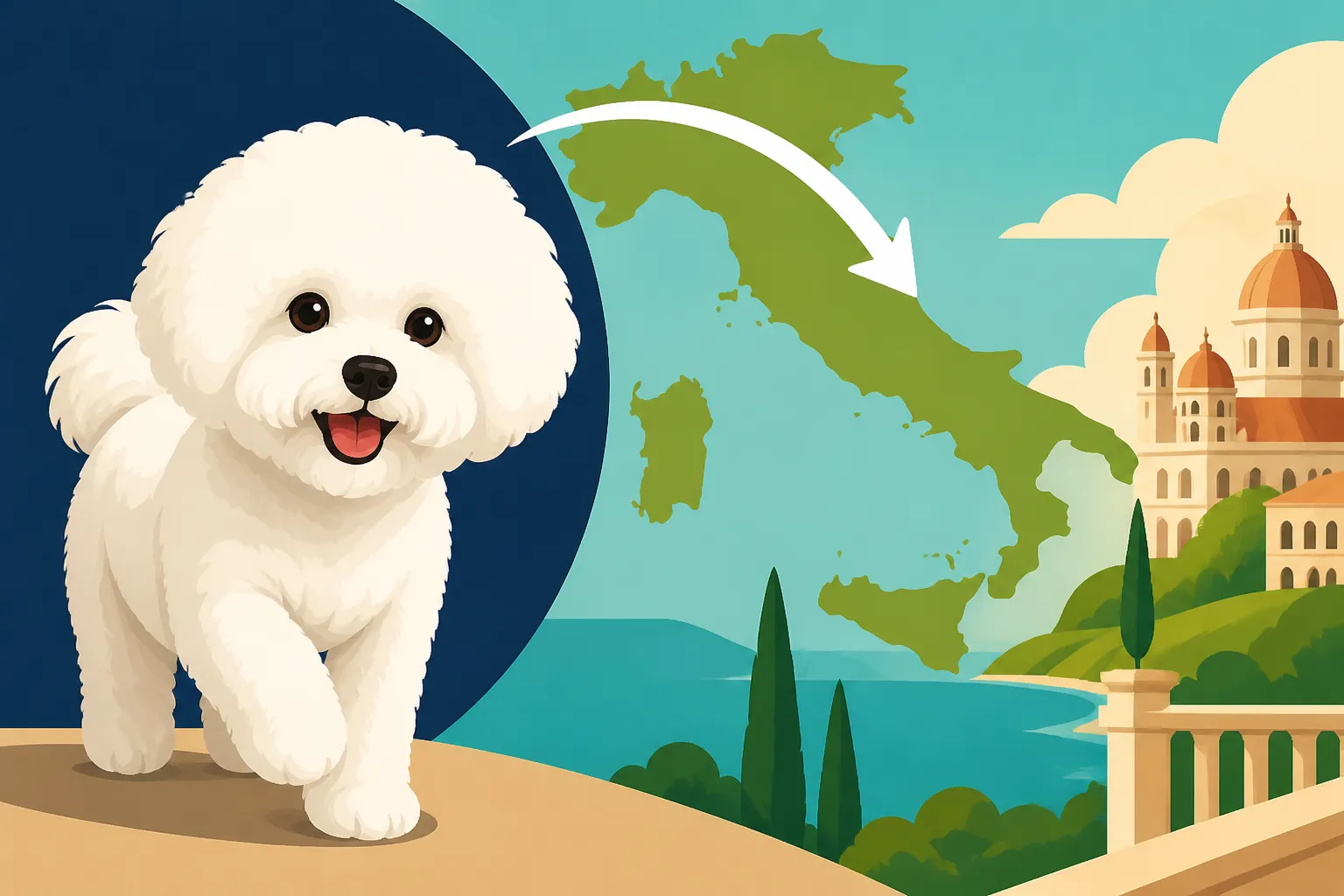
Whether the Bichon Frise Reached Italy First
It’s easy to get tangled up in the long and winding history of a breed like the Bichon Frise, especially when different historical accounts suggest various paths for their journey across Europe. Many people wonder if their charming little white dog’s ancestors first set paw in Italy, a country renowned for its ancient dog breeds and rich artistic heritage. This guide aims to clear up the fascinating historical record, exploring the most commonly accepted theories about the Bichon Frise’s initial spread and clarifying whether Italy truly was their first major European stop.
The Ancestral Roots: From Barbets to Bichons
To understand where the Bichon Frise first landed, we need to trace their lineage back to their larger, water-loving ancestors. The Bichon Frise isn't a standalone breed in its ancient origins; it's part of a beloved family of dogs known as the Barbichons. This group includes several small, white, fluffy breeds that share common ancestors and characteristics, all descending from the Barbet, a medium-sized French water dog.
These Barbichon dogs were known for their charming dispositions, intelligence, and often, their curly or wavy coats. They were highly valued companions, particularly among sailors, who found them excellent ratters on ships and delightful company during long voyages. This seafaring connection is crucial to understanding how these dogs spread from one port to another, crossing geographical boundaries long before modern transportation. The resilience and adaptability of these early dogs allowed them to thrive in various environments, eventually leading to the distinct variations we recognize today. Learning about The Barbichon Family the Bichon Frise Belongs To helps contextualize their journey across continents.
The Barbet and its Descendants
The Barbet, as the root stock, was a robust, shaggy water dog. Over time, smaller versions of these dogs were bred, likely for companionship rather than hunting or working. These smaller dogs retained the Barbet's intelligence and jovial nature but were far more suited to life aboard ships or within the confines of noble estates. It's thought that the reduction in size was a deliberate breeding choice, making them more manageable and appealing as lapdogs or luxury items.
These smaller dogs began to differentiate as they traveled and were selectively bred in various regions. The environment, local preferences, and available breeding stock all contributed to the slight variations that eventually gave rise to breeds like the Maltese, Bolognese, Havanese, and, of course, the Bichon Frise. Each of these breeds carries a piece of that shared ancestral DNA, showcasing the long and intertwined history of the Barbichon family. The question of Whether the Bichon Frise Came From the Barbet is integral to this understanding, as it highlights the foundational role of this larger working dog in their development.
The Role of Seafaring and Trade
The Mediterranean Sea was a bustling highway of trade and exploration for centuries. Sailors, always looking for companions and perhaps even rodent control on their vessels, often took these small dogs with them. This practice inadvertently turned these canines into international travelers, spreading them far beyond their initial points of origin. It wasn't about deliberate breeding programs in different countries initially; it was about companionship and convenience.
These dogs would disembark at various ports, some staying, some continuing their journey. This constant movement facilitated genetic exchange and diversification. Imagine a small white dog charming a sailor in one port, then finding a new home in another city hundreds of miles away, where it might breed with local dogs. This pattern of dispersal meant that the lineage of the Bichon Frise wasn't confined to a single, neatly defined geographical region for long. The story of How Sailors Carried the Bichon Frise Around the Mediterranean perfectly illustrates this early and vital mode of transportation for the breed's ancestors.
The Tenerife Connection and Initial European Spread
Before becoming known as the Bichon Frise, the breed's immediate ancestors were often referred to as the "Tenerife dog" or "Bichon Tenerife." This name points directly to the Canary Islands, specifically Tenerife, as a crucial location in their early history. This is where the plot thickens regarding their journey to mainland Europe.
The Canary Islands as a Stepping Stone
The Canary Islands, located off the northwest coast of Africa but politically part of Spain, served as a vital port for trade routes. Spanish sailors, in particular, had strong ties to these islands. It’s widely believed that the small Barbichon-type dogs were brought to Tenerife by these very sailors, perhaps from mainland Europe, or even developed there from imported stock. Once established on Tenerife, these dogs thrived, becoming popular companions among the island's inhabitants and, once again, catching the eye of other seafaring merchants.
The unique environment of the Canary Islands, coupled with the regular influx of ships, created a fertile ground for these dogs to develop their distinct characteristics. They became known for their cheerful disposition and relatively hardy nature, despite their delicate appearance. The island connection is so strong that for a long time, the breed was inseparable from this geographical tag. The article The Canary Island the Bichon Frise Is Named After delves deeper into this fascinating initial naming convention and geographical link.
The Journey to Mainland Europe: Spain and Italy
From the Canary Islands, the Tenerife dogs made their way back to mainland Europe. Given Spain's direct control and trade routes with the Canary Islands, it's highly probable that they first arrived in Spain. However, historical records suggest that it was Italian sailors who played a significant role in bringing these charming canines to Italy. Italian merchant ships regularly plied the waters of the Mediterranean, trading with Spanish ports and potentially the Canary Islands themselves.
These Italian sailors were captivated by the Tenerife dogs' bright demeanor and small size. They were ideal companions on board and quickly became prized possessions upon returning home. This marks a critical moment in the breed's history, as it introduced them to a new cultural context where they would rapidly gain popularity. The idea that Whether Italian Sailors Brought Bichon Frises Back to Italy is a strong theory supported by historical trade patterns.
The historical evidence generally points to the dogs arriving in Spain and then being introduced to Italy via Italian mariners. So, while they might have touched Spanish soil first from the Canary Islands, Italy was an early and significant destination for their integration into European aristocratic society. This makes the question of "first" quite nuanced, as it depends on whether we mean the very first mainland European soil or the first significant cultural adoption.
The Italian Chapter: A Renaissance Favorite
Once in Italy, the Tenerife dogs, or "Bichon Frises" as they would later be known, quickly found favor among the nobility during the Renaissance. This period was a golden age of art, culture, and luxury, and a small, charming companion dog fit perfectly into the opulent lifestyles of Italian aristocrats.
Popularity Among Italian Nobles
Italian nobles were always on the lookout for symbols of status and refined companionship, and these lively white dogs certainly fit the bill. They became immensely popular as lapdogs and pampered pets, often appearing in portraits alongside their wealthy owners. These dogs were not just pets; they were living accessories, a testament to the owner's affluence and refined taste.
The playful and affectionate nature of the Bichon Frise made them ideal companions for court life. They were small enough to be carried, intelligent enough to learn tricks, and charismatic enough to brighten any room. Their white coats, meticulously cared for, stood out in contrast to the rich fabrics and dark hair popular in Renaissance Italy. It’s no wonder they became so beloved. Whether Italian Nobles Kept Bichon Frises is not just a historical detail but a key part of their cultural establishment in Europe.
Artistic Depictions and Cultural Integration
The presence of these dogs in Italian art from the Renaissance period provides compelling evidence of their popularity. Painters like Titian and Veronese often included small white dogs in their works, suggesting they were a common and cherished part of aristocratic households. These depictions offer a visual record of their appearance and the esteem in which they were held. While not always definitively a "Bichon Frise" by modern standards, these dogs certainly shared the characteristics of the evolving Barbichon type.
Their integration into Italian culture extended beyond art. They became part of everyday life for the elite, accompanying their owners to social gatherings, on travels, and even into their private chambers. This deep cultural embedding helped solidify their presence in Europe, laying the groundwork for their subsequent journey to France and beyond. This widespread adoration surely kept groomers busy, even then, much like today's owners might seek advice or products from resources like Chewy for their modern Bichons.
The French Connection and Modern Recognition
While Italy certainly played a significant role in the Bichon Frise's early European history, it was in France that the breed truly solidified its identity and gained the name we know today. The shift in popularity from Italy to France marked another pivotal moment.
The French Court's Fascination
By the 16th century, the popularity of these charming white dogs spread from Italy to France. French nobility, particularly during the reigns of Francis I and later Henry III, became enamored with them. Henry III was famously devoted to his little white dogs, carrying them in a basket around his neck wherever he went. This royal endorsement cemented their status as a fashionable accessory and beloved companion within the French court. The French Court That Made the Bichon Frise Fashionable details this fascinating period where the breed truly blossomed.
The French breeders began to refine the dogs, emphasizing their distinctive fluffy white coats and merry temperaments. It was during this period that the name "Bichon" likely emerged, possibly a diminutive of "Barbichon," or from the French word "bichonner," meaning "to pamper" or "to doll up," which perfectly describes how these dogs were treated. Which French Kings Kept Bichon Frises further illustrates the royal patronage that elevated the breed.
The Name and Standard
It was in France, during the 20th century, that the breed received its official name: Bichon à poil frisé, meaning "Bichon with the curly coat," later shortened to Bichon Frise. This formal naming and the establishment of a breed standard were crucial for its modern recognition. The breed faced challenges during the French Revolution, when many aristocratic pets were cast out, and some Bichons even became street performers to survive, showcasing their inherent intelligence and charm in a different light.
Today, the Bichon Frise is recognized globally, cherished for its cheerful disposition, intelligence, and distinctive powder puff coat. Their journey from the Canary Islands, through Spain and Italy, and finally to France, is a testament to their enduring appeal and adaptability. The Year the Bichon Frise Got Its Modern Name marks a key milestone in this evolution, solidifying its identity.
Tracing the Path: A Comparative Timeline
To summarize the journey of the Bichon Frise and clarify the "first" question, let's look at a simplified timeline of their documented spread.
| Period | Region/Event | Significance for Bichon Frise |
|---|---|---|
| Ancient Times | Barbet ancestors in Europe | Root stock for all Barbichon breeds, including the Bichon Frise. |
| 13th-14th Century | Tenerife (Canary Islands) | Spanish sailors likely bring Barbichon-type dogs to the island. |
| 14th-15th Century | Spain | Dogs (Tenerife dogs) return to mainland Europe via Spanish trade. |
| 14th-16th Century | Italy (Renaissance Period) | Italian sailors introduce dogs, gaining popularity among nobility. |
| 16th Century | France (French Court) | Dogs become highly fashionable, breed refined, name "Bichon" emerges. |
| 20th Century | France (Modern Recognition) | Official breed standard and name "Bichon Frise" established. |
From this timeline, it becomes clear that while the ancestors were likely in Europe from much earlier times (the Barbet), the specific "Tenerife dog" type of Bichon Frise likely arrived in Spain from the Canary Islands first, then was brought to Italy by Italian sailors shortly thereafter. So, Italy was certainly one of the very first European mainland countries to embrace the breed, but not necessarily the absolute first to receive them from their Tenerife origins. The period of significant aristocratic adoption in Italy was certainly earlier than in France.
Understanding the "First" Debate
The question "Whether the Bichon Frise Reached Italy First" is nuanced because "reached" can mean different things. Did the first ancestor of the Bichon Frise ever set foot on Italian soil before any other European mainland country? Possibly, if we consider the ancient Barbet's range. However, if we're talking about the distinct small, white, cheerful dogs known as Tenerife dogs or proto-Bichons, the answer is a bit more specific.
The prevailing historical view suggests that while Spain had the initial connection to the Tenerife dogs via the Canary Islands, Italy was arguably the first major European nation to embrace them with significant aristocratic enthusiasm. The Italian Renaissance courts welcomed these dogs with open arms, integrating them into their luxurious lifestyles and popularizing them before they made their grand entrance into the French courts. So, while a Spanish port might have been the first mainland point of disembarkation from Tenerife, Italy was arguably the first to truly make them a sensation.
Regardless of the precise order, both Italy and France played indispensable roles in shaping the Bichon Frise into the beloved companion breed we know today. Their journey is a testament to the universal appeal of a small, cheerful dog with a big personality.
Disclaimer
This article is for general informational purposes only and does not constitute professional advice. Laws, prices and regulations vary by location and change over time. Consult a qualified professional for guidance on your specific situation.