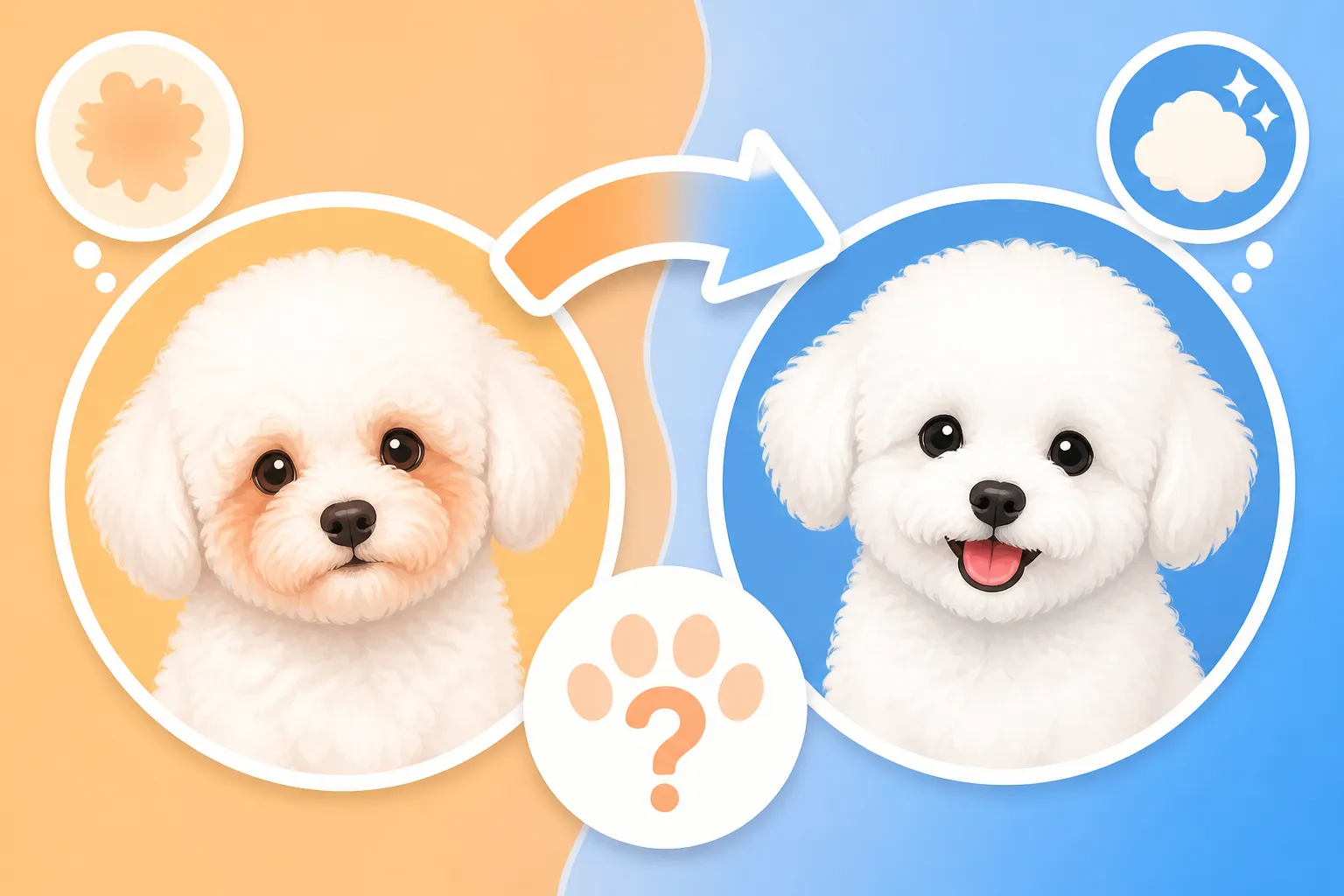
Whether Apricot Markings Fade on a Bichon Frise Puppy
It’s a truly adorable sight, isn't it? That fluffy little Bichon Frise puppy, a snow-white cloud with just a whisper of apricot, buff, or cream around the ears or maybe a patch on their back. Many new Bichon parents fall head over heels for these subtle, delicate markings, only to watch them seemingly disappear as their puppy grows. This can lead to a bit of a "wait, what happened?" moment, leaving you wondering if it’s normal or if you did something wrong. You’re not alone in noticing this, and this guide is here to unravel the mystery of fading apricot markings on your Bichon Frise puppy's coat.
Understanding the Bichon Frise Coat: A Canvas of White
When you bring home a Bichon Frise, you’re often expecting that iconic, dazzling white coat. It's what makes them so striking and, frankly, such a joy to groom (and sometimes a challenge to keep pristine!). But beneath that fluffy exterior, there's a fascinating world of genetics and coat development at play, especially when it comes to those charming little splashes of color.
The Breed Standard and Color Expectations
The official breed standard for the Bichon Frise is quite clear: they are a white dog. When you look at a show-quality Bichon Frise, you'll see a pristine, pure white coat. This is the ideal. However, this doesn't mean that every Bichon Frise puppy is born a flawless white. Far from it, actually! It's quite common to see puppies with various shades of cream, buff, or apricot, particularly around their ears, on their heads, or even along their backs. These markings are often quite prominent at birth and can be absolutely captivating.
For pet owners, these subtle markings are often seen as unique and add to the individual charm of their puppy. It's a common misconception that any color other than pure white means the dog isn't a purebred Bichon, but that's simply not true. These color variations are a natural part of their genetic makeup, even if the ultimate goal for show purposes is a stark white coat. Breeders often know that these temporary markings will fade, but for new owners, it can come as a surprise. You might hear people talk about Why a Bichon Frise Is Only Ever White, but that really refers to the adult coat for conformation.
Puppy Coat vs. Adult Coat: A Major Transformation
Just like human babies are born with fine, often lighter hair that changes texture and color over time, Bichon Frise puppies undergo a significant coat transformation. Their puppy coat is typically softer, thinner, and less dense than the adult coat that will eventually replace it. This transition isn’t instant; it's a gradual process that can begin around 6 months of age and sometimes isn’t fully complete until they are a year or even older. This period is often referred to as "the puppy uglies" by some groomers and breeders, not because the puppy is ugly, but because their coat can look a bit unruly and patchy as the new, denser adult coat pushes through.
This crucial period of coat change is often when those delightful apricot markings begin to fade. The new adult hair that grows in might not carry the same pigment intensity as the puppy hair, or it might be entirely white. It's a natural phenomenon, and understanding this lifecycle of their coat can help manage expectations. Thinking about The Months a Bichon Frise Puppy Coat Changes really puts this into perspective – it's a dynamic, evolving canvas.
The Science Behind Fading Markings
So, why exactly do those sweet little apricot patches vanish? It's not magic, and it's certainly not your fault as an owner. The fading of markings in Bichon Frises, and indeed many other breeds, is rooted deeply in canine genetics and the way pigment is expressed in their hair follicles.
Genetics of Coat Color in Bichons
Canine coat color genetics are incredibly complex, but for Bichon Frises, a few key genes play a significant role. The primary gene responsible for their white coat is often linked to the "E locus" and "S locus" (spotting gene). Essentially, Bichons carry genes that restrict the production of pigment, particularly eumelanin (black/brown pigment) and phaeomelanin (red/yellow pigment), in their hair shafts, leading to a white appearance.
However, many Bichons still carry genes for phaeomelanin, which is responsible for those apricot, buff, or cream tones. In puppies, these genes might be expressed more strongly initially. As the puppy matures and their adult coat grows in, the genetic instructions for "white" become more dominant or fully expressed in the new hair follicles, leading to the fading of those earlier, warmer tones. It's a bit like a genetic override that kicks in as they grow. Some lines of Bichons are more prone to these markings than others, indicating a hereditary component to their appearance.
Pigment Development and Oxidation
Another factor contributing to fading markings is how pigment develops and interacts with the environment. Phaeomelanin, the pigment responsible for red/yellow/apricot tones, is known to be less stable than eumelanin (black pigment). This means it can be more susceptible to fading due to exposure to sunlight, certain minerals in water, or even simply the natural process of hair growth and replacement.
Think of it like hair that gets lighter in the sun – similar principles can apply to the delicate phaeomelanin in a Bichon’s coat. As new hair grows, if the pigment cells are producing less phaeomelanin or none at all, the darker tips of the old puppy coat might be the last vestiges of that apricot shade before it's completely replaced by brilliant white adult hair. This process is perfectly normal and a common characteristic of the breed.
Managing and Expecting Coat Changes
Understanding that apricot markings often fade is key to appreciating your Bichon Frise’s unique journey from a colorful puppy to a dazzling white adult. While you can't prevent natural genetic processes, you can certainly support their coat health throughout these changes.
What to Expect as Your Puppy Grows
It's common for those faint apricot smudges to diminish significantly, or even disappear entirely, by the time your Bichon Frise is 8-12 months old. Some may retain very subtle cream tipping on their ears or a slight buff undertone in certain areas, but the distinct patches usually fade. Don't be surprised if the coat texture also changes. The soft, fluffy puppy coat will gradually give way to a denser, slightly coarser adult coat that has the characteristic springy, powder-puff texture the breed is known for.
This transition period can sometimes lead to temporary matting issues if not managed with consistent grooming, as the old coat sheds out and the new coat grows in. This is a critical time to establish a regular grooming routine, even if the color is changing. Consistent brushing will help prevent tangles and keep their skin healthy as new hair emerges. You might also notice The Powder Puff Outline the Bichon Frise Standard Describes becoming more apparent as the adult coat matures.
Grooming and Product Choices
While no shampoo or grooming technique will prevent genetically programmed fading, proper coat care can certainly enhance the beauty of their emerging white coat and support healthy hair growth.
- Regular Brushing: This is non-negotiable for a Bichon. Daily brushing helps remove loose puppy hair, prevent mats during the coat change, and distribute natural oils. A good slicker brush and a metal comb are essential tools. For example, a quality slicker brush from a brand like Furminator or Chris Christensen, often found on Chewy, can make a huge difference in managing shedding and preventing tangles.
- Appropriate Shampoos: While you won't halt fading, using a whitening shampoo specifically designed for white coats can help brighten their fur as the white adult coat comes in. These shampoos often contain optical brighteners that make white appear whiter. Be careful not to use human shampoos or harsh products, as they can irritate your Bichon's sensitive skin. Many excellent whitening and brightening shampoos are available on Chewy, formulated for delicate canine skin.
- Diet and Nutrition: A high-quality diet rich in omega fatty acids can contribute to overall coat health, shine, and skin integrity. While diet won't change the genetic color, a healthy dog is more likely to have a vibrant, strong coat, regardless of its shade. Consider talking to your vet about specific supplements if your Bichon's coat seems dull or brittle.
Table: Common Puppy Coat Changes in Bichon Frises
| Characteristic | Puppy Coat (Approx. 0-6 Months) | Adult Coat (Approx. 6+ Months) |
|---|---|---|
| Color Markings | Often present (apricot, buff, cream), can be distinct. | Typically fade significantly or disappear; pure white is common. |
| Texture | Softer, finer, less dense, sometimes a bit wispy. | Denser, springier, curlier, more cotton-like "powder puff" texture. |
| Volume/Thickness | Lower volume, coat lies flatter. | Much higher volume, stands off the body, full and lush. |
| Ease of Matting | Moderate, can tangle easily due to fineness. | High, requires diligent daily brushing due to density. |
| Grooming Frequency | Regular brushing, baths as needed; getting used to grooming. | Daily brushing, professional grooms every 4-6 weeks are essential. |
When to Consult Your Vet
The fading of apricot markings is generally a benign, natural process. However, if you notice other changes in your Bichon's coat or skin that seem concerning, it's always wise to consult your veterinarian. These could include:
- Excessive shedding or bald patches: While coat change is normal, bald spots are not.
- Skin irritation, redness, or itching: This could indicate allergies or a skin infection.
- Dull, brittle, or greasy coat: Might point to nutritional deficiencies or underlying health issues.
- New, unexpected color changes: While fading is common, new dark spots or unusual discoloration could be worth a vet check.
Remember, your vet is your best resource for any health-related concerns, including those related to your Bichon's coat. They can rule out any medical reasons for unusual coat changes and offer advice tailored to your individual dog. Keeping on top of their general health will also ensure their grooming experiences are positive, avoiding issues like Whether an Itchy Bichon Frise Bites When Handled or Whether a Sore Bichon Frise Refuses Grooming.
Ultimately, whether your Bichon Frise puppy retains a hint of apricot or becomes a dazzling cloud of pure white, their personality and health are what truly matter. Those fading markings are just a chapter in their adorable story, a visual reminder of their puppyhood. Embrace the transformation and enjoy the beautiful, lively companion you have! You’ll find a lot of support and great product recommendations on sites like Chewy that cater to all the needs of a Bichon Frise, helping them stay healthy and happy through all their life stages.
Disclaimer
This article is for general informational purposes only and does not constitute professional advice. Laws, prices and regulations vary by location and change over time. Consult a qualified professional for guidance on your specific situation.