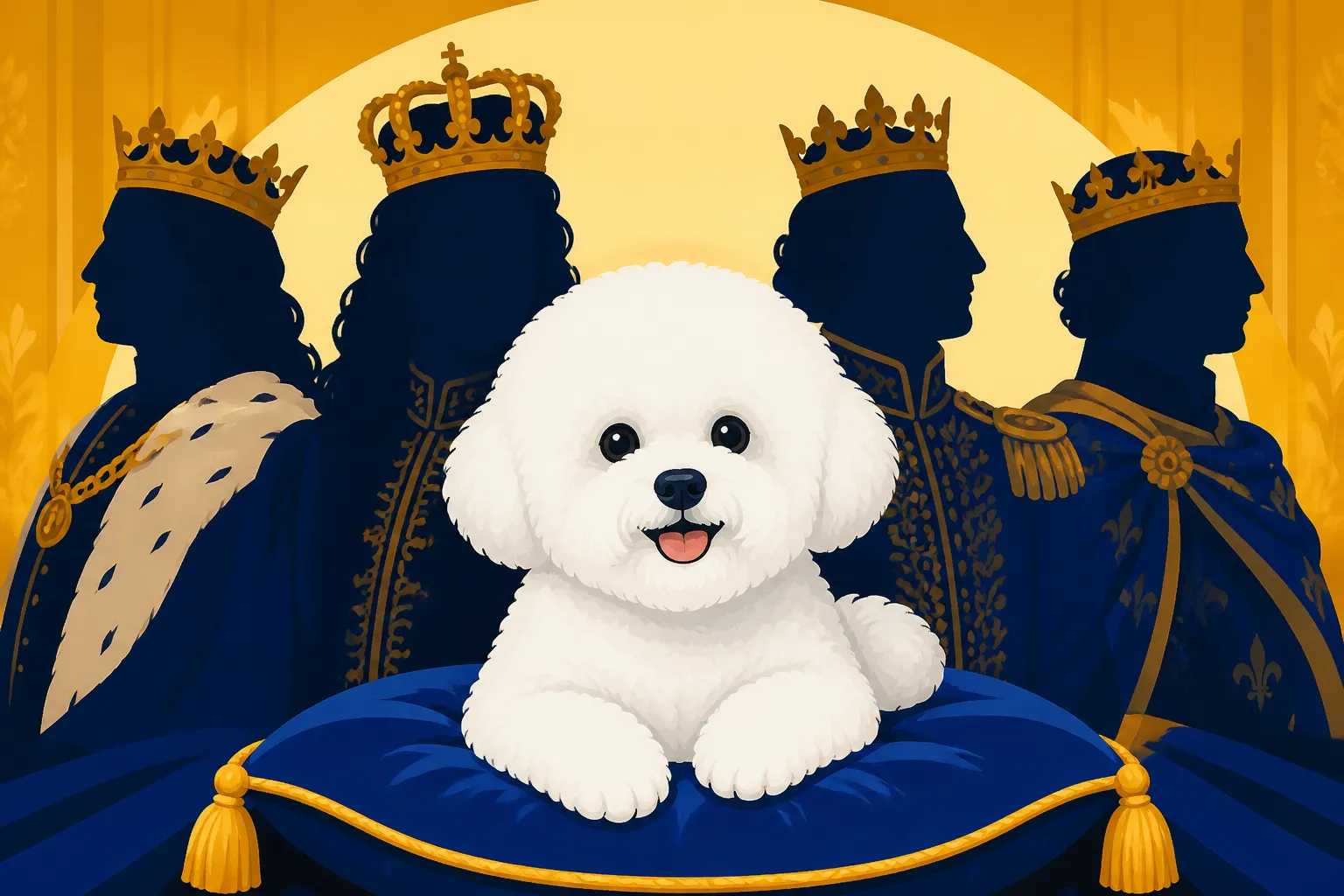
Which French Kings Kept Bichon Frises
It's easy to look at our fluffy, white Bichon Frises today, curled up on the sofa or happily zooming around the yard, and forget that these charming little dogs have a truly fascinating and regal past. Many owners wonder which French kings were captivated by these little "powder puffs," and it’s a history brimming with luxury, intrigue, and even a touch of eccentricity. This guide will take a deep dive into the historical records, separating fact from legend, to uncover the French monarchs who truly embraced the delightful Bichon Frise, and what life might have been like for these pampered pooches within the grand courts of France.
The Bichon Frise's Early Journey to European Nobility
Before we talk about specific French kings, it's helpful to understand how these little white dogs even arrived in Europe and found their way into aristocratic circles. The journey wasn't a straight line, but a winding path across seas and continents, reflecting the breed's diverse ancestry and enduring appeal.
From Seafaring Companions to Mediterranean Shores
The ancestors of the Bichon Frise, often referred to as Barbichons, were not initially courtly companions but rather practical, intelligent dogs who traveled with sailors. These small, sturdy canines likely served as ratters on ships, keeping vermin in check during long voyages across the Mediterranean. Imagine a bustling port city in the 13th or 14th century, with ships coming and going, and these lively little dogs trotting along the docks. They were known for their cheerful disposition and relatively low-maintenance coats, making them ideal travel companions.
It's believed that these early Barbichon types originated in the Canary Islands, particularly Tenerife, which is why they were sometimes referred to as "Tenerife dogs." From these Spanish islands, How Sailors Carried the Bichon Frise Around the Mediterranean is a story that speaks to the breed's widespread dissemination. Italian sailors, recognizing their appealing nature, brought these dogs back to the Italian mainland. It wasn't long before their charming personalities and distinctive appearance caught the eye of a different class of people entirely – the European nobility. The transition from ship's dog to lapdog was a testament to their adaptable and endearing character, a trait that continues to define the Bichon Frise today.
The Italian Renaissance and the Breed's First Royal Glimmerings
Italy, particularly during the vibrant Renaissance period, became a crucial stepping stone for the Bichon Frise's rise to royalty. Italian noblewomen and artists alike were enchanted by these small, white, fluffy dogs. They became symbols of status and beauty, often depicted in portraits of the era, nestled in the laps of their aristocratic owners. This period saw a significant refinement of the breed, as breeders focused on enhancing their gentle temperament and soft, curly white coats.
While not strictly French royalty, the Italian influence was paramount. The dogs became extremely fashionable, and their reputation for being delightful companions quickly spread across borders. It was from Italy that the Bichon Frise, by then known for its "frisé" or curly coat, made its way to the French court. The French nobility, always keen to adopt the latest trends from their Italian counterparts, were ripe for the arrival of these captivating little dogs. This initial aristocratic embrace in Italy paved the way for the grand reception they would soon receive in France.
King Henry III and the Golden Age of Bichon Frise Favor
If there's one French monarch indelibly linked with the Bichon Frise, it's King Henry III. His reign marked a period where the Bichon Frise truly ascended to the pinnacle of royal pet status, becoming more than just a companion but almost a symbol of the king himself.
The French Monarch's Obsession with His Canine Companions
King Henry III, who reigned from 1574 to 1589, famously adored his Bichon Frises. He was known to carry them everywhere he went, often in a basket suspended from his neck by ribbons. This was no fleeting fancy; his devotion was legendary. He would apparently spend hours with his beloved dogs, sometimes even neglecting affairs of state in their favor. It’s said he would adorn them with ribbons and perfume, treating them with a level of indulgence that was unusual even for a royal pet.
His love for these dogs was so profound that it became a defining characteristic of his persona, much to the amusement and sometimes consternation of his courtiers. This intense attachment wasn't merely about companionship; it was a deeply personal connection that provided solace amidst the political turmoil and personal challenges of his reign. He saw in his Bichons a loyalty and affection that he perhaps found lacking in the human members of his court. This personal connection cemented the breed's place as a royal favorite, setting a precedent for its popularity among the French elite.
Life of Luxury within the Royal Palaces
For a Bichon Frise living in the court of King Henry III, life was undeniably opulent. These were not dogs left to wander the castle grounds; they were pampered, carried, and coddled. Imagine a scene in the Louvre or Fontainebleau, where the king would receive visitors, his small, white dog peeking out from a silk-lined basket or nestled comfortably in his arms. They would likely have been fed the finest scraps from the royal table, enjoying a diet far richer than that of most commoners, and certainly far beyond what their seafaring ancestors consumed.
Grooming, though perhaps not as formalized as today's The Powder Puff Outline a Bichon Frise Is Scissored Into, would still have been meticulous. Their white coats would have been carefully attended to, ensuring they remained pristine, befitting their royal status. Special attendants might have been tasked solely with the care of the king's dogs, ensuring their comfort and cleanliness. They would have had soft beds, perhaps even their own miniature chambers, and would have been shielded from the harsher realities of the outside world. This period truly set the standard for the luxurious treatment of Bichon Frises in royal circles, a stark contrast to The Bichon Frise Street Performing Years After the Revolution which would come much later.
The Impact of Royal Endorsement on Breed Popularity
King Henry III's very public affection for his Bichons had a massive ripple effect throughout French society. What the king cherished, the nobility soon sought to emulate. Owning a Bichon Frise became a mark of status, a fashionable accessory for the ladies and gentlemen of the court. The French Court That Made the Bichon Frise Fashionable is not an exaggeration when discussing Henry III's influence; he single-handedly elevated the breed's profile.
Demand for these dogs soared, and breeders worked to produce more of these desirable companions. This widespread popularity meant that the Bichon Frise breed flourished, solidifying its place in French culture and ensuring its survival through the centuries. The royal endorsement wasn't just about a king's personal preference; it was a powerful statement that shaped breeding practices and pet ownership trends for generations. Suddenly, everyone who was anyone wanted a fluffy, cheerful Bichon Frise to call their own, leading to a flourishing market and increasing recognition for the breed.
Other French Nobles and the Spread of Bichon Charm
While King Henry III is the most famous royal patron, the Bichon Frise's appeal wasn't limited to a single monarch. Its charm permeated the wider French aristocracy, becoming a beloved fixture in noble households and continuing to gain favor across various segments of society.
Beyond the King: Aristocratic Adopters and Their Fluffy Friends
Following Henry III's fervent patronage, the Bichon Frise became a quintessential accessory for the French aristocracy. It wasn't uncommon to see noblewomen carrying these dogs in their arms or tucking them into their carriages as they traveled between their country estates and Parisian salons. These dogs weren't just decorative; they provided genuine companionship and a touch of warmth in often rigid social settings. The delicate appearance of the Bichon Frise, combined with its vivacious yet gentle nature, made it an ideal pet for ladies of leisure.
The breed’s popularity extended through the Valois and Bourbon dynasties, even if no other king displayed quite the same level of obsessive devotion as Henry III. Many historical accounts and artworks from this period depict women of high birth with their Bichons, highlighting their integration into aristocratic life. These dogs were often gifts between noble families, fostering connections and spreading the breed's presence even further. They were seen as a reflection of good taste and refined sensibilities, embodying the elegance and delicate beauty that was so prized during those times.
The Bichon's Role in 16th and 17th Century Society
In 16th and 17th century France, a Bichon Frise was more than just a pet; it played a subtle but significant role in courtly and aristocratic life. They were often referred to as "comfort dogs" or "sleeve dogs" (though the latter term applied to many small breeds), providing warmth and solace to their owners. In an era before central heating, a small, furry dog could be a welcome presence on a cold winter's night or a long carriage ride. Their cheerful disposition also served as a morale booster, offering an innocent joy amidst courtly intrigues and formalities.
Moreover, these dogs were seen as companions that could offer unconditional affection, a stark contrast to the often transactional relationships among humans in high society. They provided a form of emotional support, a silent confidant, and a playful distraction. It’s even possible that some members of the aristocracy found a unique fulfillment in doting on their Bichons, a welcome reprieve from the demanding expectations of their social standing. This deep emotional connection formed the bedrock of the human-canine bond that the Bichon Frise still enjoys today, a testament to The Household a Bichon Frise Was Bred For – one focused on companionship.
Historical Anecdotes and the Perception of Bichons
Historical anecdotes, while sometimes embellished, give us a glimpse into the perception of Bichons during this period. They were celebrated for their beauty and their spirited yet amiable character. The term "Bichonner" in French, meaning "to pamper" or "to doll up," is believed to have derived from the special care given to these dogs, reflecting their pampered status. Whether the Word Bichonner Comes From the Breed is a fascinating linguistic connection that underscores their historical significance.
However, not everyone viewed their lavish treatment favorably. Critics, often from religious or moral reform circles, sometimes decried the excessive attention paid to these small dogs, seeing it as a sign of decadence or misplaced affection. Despite such critiques, the popularity of the Bichon Frise only continued to grow. Their charm was simply too strong to be overshadowed by puritanical objections. The general consensus within aristocratic circles was that a Bichon Frise added a touch of elegance and warmth to any respectable household, making them truly indispensable.
The Post-Revolutionary Decline and Eventual Rebirth
The gilded age of the Bichon Frise in French royal courts, however, was not destined to last forever. The tumultuous events of the late 18th century brought about a dramatic shift in their fortunes, marking a period of decline before a remarkable resurgence.
From Palace to Pavement: The Breed's Fall from Grace
The French Revolution in 1789 irrevocably altered the social fabric of France, and with it, the fate of many aristocratic symbols, including the pampered Bichon Frise. As the old regime crumbled, so too did the fortunes of the nobility who had so cherished these dogs. Many aristocrats were imprisoned or executed, and their beloved pets were often abandoned or left to fend for themselves. The opulence and frivolity associated with the Bichon Frise suddenly became a liability, a stark reminder of a bygone era that the revolutionaries sought to erase.
During this period, these once-pampered pooches were literally cast out onto the streets. It's a heartbreaking image to consider, dogs accustomed to silk cushions and gourmet meals suddenly scrounging for survival. Whether the Bichon Frise Fell Out of Favor is not a question for this era; it was an undeniable, brutal reality. However, their inherent intelligence, adaptability, and cheerful spirit, traits that perhaps harked back to their seafaring ancestors, allowed many to survive. They quickly learned to navigate a very different world, showcasing a resilience that belied their delicate appearance.
How the Bichon Frise Retained Its Spirit Through Adversity
Despite the dramatic shift in their circumstances, the Bichon Frise demonstrated an incredible capacity for survival and adaptation. Rather than disappearing, many of these dogs found new roles among the common people. Their natural intelligence and eagerness to please made them ideal candidates for street performers. They joined organ grinders, circus acts, and traveling entertainers, performing tricks for coins in town squares and marketplaces. This era, so different from their previous life in the royal palaces where Whether Bichon Frises Lived at Versailles was once a real possibility, truly forged the breed's reputation for being hardy and quick-witted.
This period was certainly challenging, but it also ensured the breed's continuation and broadened its genetic pool beyond the confines of aristocratic breeding. Their ability to charm audiences, perform intricate routines, and remain cheerful even in adverse conditions proved their enduring appeal. It was during these lean years that the Bichon Frise solidified its reputation for being not just beautiful, but also highly intelligent, trainable, and incredibly resilient – traits that would serve them well in their eventual modern revival. Imagine the resourcefulness a Bichon would need to thrive, finding ways to earn a meal, much like a modern owner might explore different food options for their pet from a wide variety available on a site like Chewy.
The Modern Resurgence and Enduring Appeal
It wasn't until the late 19th and early 20th centuries that the Bichon Frise began its slow climb back to widespread recognition. Breed enthusiasts in France and Belgium recognized the inherent value and charm of these dogs and began efforts to standardize and preserve the breed. After the devastation of the two World Wars, which again threatened many European dog breeds, dedicated breeders worked tirelessly to rebuild their numbers and re-establish their aristocratic heritage.
The official breed standard was eventually written in 1933, solidifying the Bichon Frise's distinct characteristics and guiding future breeding efforts. The Year the Bichon Frise Standard Was Written marked a pivotal moment in their modern history. Today, the Bichon Frise is celebrated worldwide as a delightful companion, cherished for its merry temperament, intelligence, and hypoallergenic coat. They have found their way into countless homes, reminding us that true charm and resilience can overcome even the most challenging historical upheavals. Their journey from royal lapdog, to street performer, and back to beloved family member is a testament to their truly indomitable spirit.
What Made the Bichon Frise Irresistible to Royalty
It's clear that French royalty, particularly King Henry III, held a special affection for the Bichon Frise. But what exactly was it about these little dogs that captivated monarchs and courtiers alike? Their appeal stems from a unique combination of temperament, appearance, and the deep emotional connection they offered.
Temperament and Personality: A Perfect Courtier
The Bichon Frise's temperament is undoubtedly one of its most endearing qualities, and it’s easy to see why it would have been highly valued in a royal court. They are known for being incredibly cheerful, outgoing, and affectionate. A Bichon Frise typically possesses a "merry" disposition, a term even included in their breed standard. What Merry Means in the Bichon Frise Standard describes a dog that is lively, playful, and generally happy, always ready to engage with its human companions. This constant source of joy would have been a welcome antidote to the often stressful and formal atmosphere of court life.
Unlike some breeds that might be aloof or overly independent, Bichons thrive on human interaction and form strong bonds with their owners. They are not prone to aggression and are generally good-natured, making them reliable and pleasant companions to have constantly by one's side, even during important diplomatic meetings. Their intelligence also meant they were quick to learn tricks and cues, adding to their entertainment value and making them highly responsive pets. This combination of cheerfulness, loyalty, and intelligence made them ideal companions for individuals who desired constant, unwavering affection and a touch of lightheartedness in their day.
The Allure of the Iconic Powder Puff Look
Let's be honest, a huge part of the Bichon Frise's appeal, then as now, is their iconic appearance. Their soft, curly, pure white coat, resembling a fluffy cloud or a pristine powder puff, was undoubtedly a major draw for the aesthetically discerning French nobility. In an era where fashion and presentation were paramount, a beautiful, well-groomed Bichon Frise would have been a living accessory, complementing the elaborate attire and elegant settings of the royal court. Imagine the contrast of a pristine white Bichon against the rich velvets and brocades worn by royalty.
Their striking white coat, often kept meticulously clean by royal attendants (and today by dedicated owners, perhaps with specialized grooming products from Chewy), made them stand out. Unlike many working breeds, the Bichon's primary "job" became to be beautiful and charming. This aesthetic appeal, combined with their compact size, made them easy to carry and display, fitting perfectly into the lavish and ornate environments of French palaces. It’s no wonder they were so widely depicted in period artwork, forever immortalizing their distinctive and captivating look.
Companionship Beyond Compare
Perhaps the most profound reason for the Bichon Frise's royal favor was the unconditional companionship they offered. In a world defined by political maneuvering, arranged marriages, and constant scrutiny, a small dog offering pure, unadulterated affection could be an invaluable source of comfort and emotional support. For figures like King Henry III, who faced immense pressure and personal loneliness, his Bichons offered a unique solace that human relationships often could not. They didn't judge, they didn't scheme, and their love was freely given.
This deep, personal connection transcends time and social status. Whether a king or a commoner, the bond with a pet is powerful. The Bichon Frise, with its inherent desire to be close to its human, to offer cuddles and playful antics, filled a fundamental need for affection and unconditional acceptance. The Barbichon Family the Bichon Frise Belongs To are all breeds known for their strong companion drives, and the Bichon Frise exemplifies this trait perfectly. This ability to provide unwavering companionship cemented their place not just as fashionable pets, but as cherished members of the royal household, a tradition that continues with Bichon Frise owners today.
Tracing the Bichon Frise Through French History
The story of the Bichon Frise in France is a compelling journey, reflecting shifts in power, social dynamics, and the enduring human desire for canine companionship. From their initial arrival to their peak of popularity with King Henry III, and through their trials during revolutionary times, the breed has truly seen it all.
Key Periods of Royal Association
To better understand the Bichon Frise's connection to French royalty, let's look at a timeline of their presence and prominence. This helps contextualize their rise and fall, and their eventual return to popularity.
| Period | Key Monarch(s) | Bichon Status | Notable Characteristics |
|---|---|---|---|
| 14th-15th Century | N/A (Pre-French Royal adoption) | Introduced to Europe via Italian sailors | "Tenerife dogs," cheerful, ratters, first Italian nobility |
| 16th Century | King Henry III | Height of Royal Favor | Carried everywhere, heavily pampered, symbol of status |
| 17th-18th Century | Louis XIII, Louis XIV, Louis XV | Continued aristocratic presence, fashionable | Luxury lapdogs, depicted in art, "comfort dogs" |
| Late 18th Century | Louis XVI (pre-Revolution) | Still present in court, but revolutionary winds gather | Tied to the Ancien Régime, declining popular sentiment |
| French Revolution (1789) | None (Monarchy overthrown) | Fall from Grace, abandoned or rehomed | Street performers, resilience tested, broadened appeal |
| 19th Century | Various (Post-Revolution) | Slow re-emergence, popular with commoners, circuses | Recognized for intelligence and trainability, not just beauty |
| Early 20th Century | N/A (Third Republic) | Breed standardization, rescue efforts | Efforts to formalize breed, define The Year the Bichon Frise Standard Was Written |
This table clearly illustrates the dramatic shifts in the Bichon Frise's social standing. It reminds us that while their beauty was constant, their circumstances were very much tied to the human world around them.
Legacy of Royal Endorsement
The royal endorsement, particularly from King Henry III, left an indelible mark on the Bichon Frise breed. It established them as a breed of prestige, desired for their beauty and companionship. Even during their time as street performers, the memory of their aristocratic past likely lent them a certain allure, a hint of faded grandeur that made them even more captivating. This legacy contributed to their eventual re-establishment as a beloved companion animal, prized for the same qualities that charmed kings centuries ago.
Today, while few of us live in palaces, the desire to pamper our Bichons, to treat them like royalty, persists. Whether it's providing them with the best food, comfortable beds, or frequent grooming, we instinctively give them the "royal treatment." This inclination is a direct echo of their historical past, a testament to the enduring charm that captivated French kings and continues to win hearts globally.
Disclaimer
This article is for general informational purposes only and does not constitute professional advice. Laws, prices and regulations vary by location and change over time. Consult a qualified professional for guidance on your specific situation.