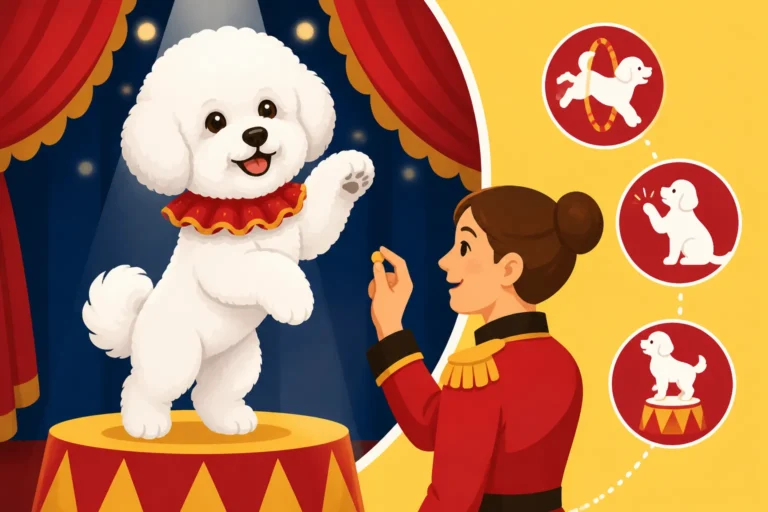
Whether Bichon Frises Performed Tricks for Coins
It’s easy to look at a fluffy, pristine Bichon Frise today, perhaps napping on a velvet cushion or prancing daintily through a park, and imagine they’ve always led a life of pampered luxury. But if you've ever watched your Bichon perform an adorable little trick for a treat, you might wonder if this charming intelligence once had a more practical, even necessary, purpose. This guide delves into the fascinating, albeit sometimes challenging, history of the Bichon Frise, exploring how their captivating personality and quick wit may have been put to work earning coins on the bustling streets of old.
The Dogs of the Street: A Historical Look at Canine Performers
Before the days of television, cinema, or even widespread printed newspapers, public entertainment was a vital part of everyday life for people from all walks of society. In bustling town squares, at village fairs, and on busy street corners, performers of all kinds would gather, hoping to earn a few coins for their talents. And for many, a clever animal companion wasn't just a pet; it was a partner in their livelihood, a furry colleague who could draw a crowd and open wallets.
Early Forms of Entertainment and Animal Companionship
Imagine walking through a European city centuries ago. The streets would be a cacophony of sounds, sights, and smells. Amidst the hawkers, merchants, and daily chatter, you’d find musicians playing lutes, storytellers weaving tales, and acrobats tumbling. Animal acts, particularly those involving dogs, were a popular feature. These were often not grand circus performances as we know them today, but simpler, more intimate shows designed to captivate passersby for a moment or two.
For many, these performances weren't a hobby; they were survival. A street performer's existence could be precarious, living hand-to-mouth. The ability of a dog to perform tricks, to be engaging and endearing, could be the difference between a meal and an empty stomach. The bond between these performers and their canine partners was often incredibly strong, built on mutual dependence and shared hardship. These dogs weren't just props; they were often seen as family, sharing in the struggles and the small triumphs of their human counterparts.
Why Dogs Were Chosen as Performing Partners
Dogs, with their innate intelligence and eagerness to please, made ideal performing partners. Unlike some other animals, dogs are highly social, respond well to training, and can form deep connections with humans. A dog’s ability to learn commands and repeat specific actions consistently made them invaluable to a street entertainer. Their natural charisma, loyalty, and often comical antics could easily draw a crowd, providing the crucial initial hook that a performer needed to stop people in their tracks.
The smaller breeds, in particular, had several advantages. They were easier to transport, less intimidating to a diverse audience, and often possessed a delightful nimbleness perfect for agile tricks. The Bichon Frise, with its bright eyes, playful demeanor, and naturally engaging personality, would have been a perfect fit for this kind of work. Their ability to stand on their hind legs, twirl, or even "play dead" would have been honed through consistent practice, turning their charming quirks into coin-earning skills. The historical evidence suggests that many small, lively breeds played a similar role, but the Bichon Frise stands out due to its specific historical trajectory.
The Bichon Frise's Unexpected Career Shift
The story of the Bichon Frise is truly a rags-to-riches-to-rags-and-back-again tale, showing remarkable adaptability and resilience. While today we associate them with comfort and companionship, there was a time when their very survival depended on their charm and wit, performing alongside those who had little else.
From Royal Lap to Common Street: A Decline in Status
The Bichon Frise, or rather its ancestors, originated as companions to sailors in the Mediterranean, likely tracing their roots back to the Canary Islands. You can read more about The Canary Island the Bichon Frise Is Named After and How Sailors Carried the Bichon Frise Around the Mediterranean. From there, they found their way into the hands of Italian and then French nobility. They became incredibly fashionable in the French courts, particularly during the Renaissance and under kings like Henry III, who was famously devoted to his little white dogs. This was the era of the pampered lapdog, where the Bichon enjoyed a life of luxury, adorned with ribbons and carried in baskets. It was a life of privilege, where their primary role was to amuse and provide companionship to their aristocratic owners. For more on this period, explore The French Court That Made the Bichon Frise Fashionable.
However, the tides of history are fickle, and with the French Revolution came a dramatic shift in fortune for many, including the Bichon Frise. As the aristocracy fell, so too did the pampered status of their beloved dogs. Many Bichons found themselves without their former lavish homes, cast out into a world that no longer valued them for their aristocratic connections. This sudden decline from royal lap to common street was a harsh reality, forcing the adaptable little dogs to find new ways to survive. This is the period often referred to as The Bichon Frise Street Performing Years After the Revolution.
Finding New Roles with the Common Folk
Stripped of their noble patronage, the Bichon Frise had to adapt or perish. It was during this turbulent time that their inherent charm, intelligence, and eager-to-please nature truly shone through. They found new companions among the common people, including traveling performers, organ grinders, and even street beggars. These individuals, often living on the fringes of society, recognized the potential in these captivating little dogs.
The Bichon Frise became a valuable asset to these street entertainers. Their bright, cheerful disposition and remarkable trainability made them perfect partners for drawing a crowd. Instead of being carried on silk cushions, they were now performing tricks for coins, a testament to their resilience and inherent joyfulness. They would sit up, beg, roll over, or even "dance" to music, their fluffy white coats and engaging personalities helping to soften the hearts—and open the purses—of passersby. This era cemented the breed's reputation for being adaptable and spirited, a far cry from the delicate creatures they once were. Their historical journey is a powerful reminder that pedigree and social status can change, but core traits like intelligence and a loving temperament endure.
The Repertoire: What Tricks Did Performing Bichons Do?
When you think of a street performer and their dog, certain images might come to mind: a dog balancing on a ball, jumping through a hoop, or perhaps collecting money in a small basket. For the Bichon Frise, whose lineage includes centuries of entertaining, these were not just charming antics but honed skills vital for their survival and that of their human partners.
Classic Street Performance Antics
The types of tricks a performing Bichon Frise would have learned were those that were visually engaging, easy to understand, and quick to execute to capture the fleeting attention of a busy crowd. Imagine a little white puffball standing upright on its hind legs, perhaps "dancing" to the tune of an accordion or a fiddle. This was a classic move, often leading to applause and coins. Other common tricks included rolling over on command, playing dead with dramatic flair, or performing small jumps. Their nimble bodies and enthusiastic spirit would have made them perfect for such displays.
They might also have been trained to "beg" in a more literal sense, sitting up with paws raised, or even carrying a small hat or basket to collect donations. The key was to make the performance adorable, impressive, and memorable enough that people felt compelled to part with their hard-earned money. The Bichon's naturally soft, curly coat and expressive eyes only added to their appeal, making them irresistible to many. You can see how Whether Circus Work Explains the Bichon Frise's Trainability explores similar themes of performance and canine ability.
The Dynamics of the Performer-Dog Partnership
The relationship between a street performer and their Bichon Frise was one of deep interdependence. The performer relied on the dog's ability to draw and hold a crowd, while the dog relied on the performer for food, shelter, and companionship. Training these tricks would have been a daily routine, often reinforced with scraps of food or affectionate praise. This was not merely about commands; it was about building a bond of trust and understanding.
The dog’s role was often to break the ice, to soften hearts, and to initiate interaction. Once the Bichon had gathered an audience with its charming display, the human performer might then offer another act, or simply wait for the coins to drop. This partnership was a crucial economic unit, reflecting a time when animals were often integral to human labor and survival. It speaks volumes about the Bichon's cooperative nature and innate desire to please, traits still beloved in the breed today. Indeed, their Whether a Bichon Frise Is Genuinely Cheerful temperament likely made them excellent partners for these difficult conditions.
Tracing the Legacy: Evidence and Modern Echoes
While the days of Bichon Frises performing tricks for coins on Parisian streets might seem like a distant past, the echoes of that era resonate strongly in the breed's character today. Understanding this history helps us appreciate the tenacity and enduring spirit of these delightful dogs.
Historical Accounts and Artistic Interpretations
Direct photographic evidence of Bichon Frises performing for coins is rare, as cameras were not widely available during the height of their street performing era. However, historical accounts, literature, and period paintings offer glimpses into this fascinating chapter. Artists of the time often depicted street scenes, and dogs of various breeds, including those resembling Bichons, frequently appeared alongside their human companions. For instance, the renowned Spanish painter Goya, who was active during a time when the Bichon Frise's fortunes were shifting, often included dogs in his works, reflecting their presence in everyday life across social strata. The question of Whether Goya Painted a Bichon Frise specifically is a topic of historical art debate, but dogs of similar type were certainly part of the visual landscape he captured.
These artistic representations, coupled with anecdotal histories passed down through breed enthusiasts, paint a picture of small, fluffy white dogs as integral members of the itinerant performing community. They were seen as lively, intelligent, and capable of earning their keep, a far cry from the purely ornamental role they once held in palaces. Their adaptability and ability to thrive in such diverse environments truly speak to the robustness of the breed, both in spirit and constitution.
The Enduring Traits of a Performer: Modern Bichon Frises
Even today, the legacy of the street performer is evident in the modern Bichon Frise. Their bright, engaging personalities and eagerness to entertain are core characteristics of the breed. If you own a Bichon, you’ve probably witnessed the famous "Bichon Blitz" or "zoomies," where they explode with joyful energy, racing around with no apparent purpose other than sheer exuberance. This innate zest for life and desire to be the center of attention can easily be seen as an evolution of their performing ancestors. You can learn more about The Bichon Blitz and What It Means.
Their intelligence and trainability, which were once crucial for learning tricks to earn coins, now make them excellent candidates for obedience, agility, and even therapy work. They still love to learn new commands and delight in pleasing their humans, often for nothing more than a simple "good dog" and a tasty treat. Modern pet parents, keen to tap into their dog's mental stimulation, might find a wide range of toys and training aids on online retailers like Chewy, helping their Bichon channel that inherent cleverness into new, fun activities. The breed standard calls for a "merry temperament," and it’s clear this isn't just a superficial description, but a deep-seated trait born from a history of resilience and an unwavering spirit of joy, no matter the circumstances. The Merry Temperament the Bichon Frise Standard Demands is a direct reflection of this historical spirit.
Here's a quick comparison of key Bichon Frise traits that made them excellent street performers:
| Trait | Description | Relevance to Street Performance |
|---|---|---|
| Intelligence | Quick learners, able to grasp commands and sequences. | Essential for mastering a repertoire of tricks for public display. |
| Trainability | Eager to please, respond well to positive reinforcement. | Made it easier for performers to teach and refine complex acts. |
| Merry Temperament | Naturally cheerful, vivacious, and engaging. | Attracted crowds, made performances more enjoyable and memorable. |
| Agility/Size | Small, nimble bodies perfect for jumps, spins, and balancing. | Enabled a variety of physical tricks, easy to transport. |
| Social Nature | Enjoy interaction with people, not easily intimidated by crowds. | Crucial for interacting with an audience and drawing attention. |
| Resilience | Adaptable, able to cope with changing circumstances. | Allowed them to transition from pampered pets to street partners. |
Today, whether your Bichon is learning "sit" for a tasty reward from Chewy or just charming everyone they meet, they carry forward a proud, if sometimes tough, history of being truly special, adaptable companions. The next time your Bichon performs an unexpected little jig, take a moment to appreciate that you might just be witnessing a tiny echo of their performing ancestors earning their keep, one coin at a time. The story of the Bichon Frise is truly one of resilience, charm, and an enduring spirit that has captivated hearts for centuries, regardless of their station in life.
Disclaimer
This article is for general informational purposes only and does not constitute professional advice. Laws, prices and regulations vary by location and change over time. Consult a qualified professional for guidance on your specific situation.