Whether a Bichon Frise’s Tail Curves Over Its Back
It's quite common for new Bichon Frise owners, or even those who've had these fluffy companions for years, to wonder about the little quirks that make their breed so special. One often-overlooked detail, yet one that speaks volumes about the breed's charm and standard, is the way their tail is carried. You might notice it curling up and over their back, a signature trait, but what does it really mean, and is there a "right" way for a Bichon's tail to sit? This guide will dive deep into the distinctive tail carriage of the Bichon Frise, explaining what the breed standard looks for, why it's so characteristic, and what variations you might observe in your beloved pet.
The Signature Curve: What the Breed Standard Says About the Bichon Frise Tail
When you look at a perfectly groomed Bichon Frise, one of the things that completes their iconic "powder puff" look is the way their tail sits. It's not just a random curl; there's a specific description in the breed standard that defines this adorable feature. This standard is essentially the blueprint for the ideal Bichon, covering everything from nose to tail, and it gives us a clear picture of what that tail should be doing.
The Ideal Set and Curve of the Tail
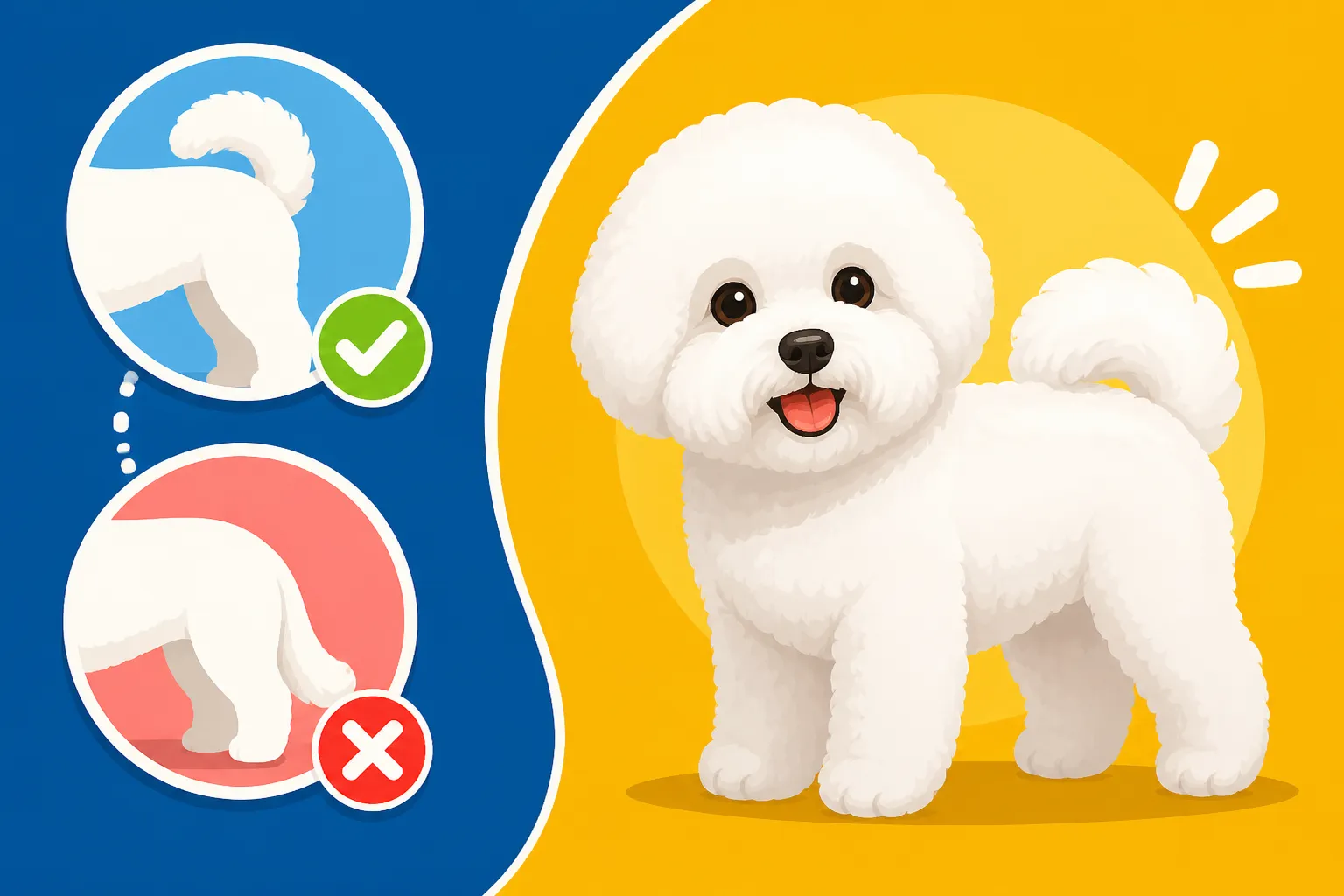
The breed standard for the Bichon Frise describes the tail as being "set on high, carried gracefully curved over the back." This isn't just about aesthetics; it's about the entire presentation of the dog. Imagine a fluffy plume arching elegantly over their hindquarters, resting lightly on their back, not tucked between their legs or hanging limply. It should have a natural, upward sweep from the base. The curve itself isn't meant to be a tight, corkscrew curl, but rather a gentle, almost buoyant arch. It’s an extension of their cheerful disposition, a visual exclamation point on their happy demeanor.
Think of it like a feather boa draped over a shoulder, adding to the overall look without being stiff or out of place. The tail should be covered with long, flowing hair, consistent with the rest of their magnificent double coat. This feathering enhances the look of the curve, making it appear even softer and more substantial. The way the tail is set – high on the rump – ensures this graceful curve is possible. A low-set tail, no matter how much it tried to curl, wouldn't achieve that characteristic arch over the back. This specific set and carriage are part of what gives the Bichon Frise its unique outline, a critical element, as detailed in The Powder Puff Outline the Bichon Frise Standard Describes.
Acceptable Deviations for Pet Bichons
While the breed standard paints a picture of perfection, it's important to remember that most Bichon Frises are cherished family pets, not show dogs. For your everyday companion, slight variations in tail carriage are incredibly common and rarely a cause for concern. A pet Bichon might have a tail that curls a little tighter, or perhaps it doesn't quite rest on the back, instead holding a higher, more upright curl. Some might even have a tail that hangs a bit lower when relaxed, only to perk up when excited or alert.
These variations don't make your Bichon any less of a wonderful dog. Often, they are simply individual quirks, much like a person's unique smile or gait. What truly matters for a pet Bichon is that the tail is healthy, clean, and not causing them any discomfort. If your Bichon’s tail deviates from the show standard, it doesn't mean anything is "wrong" with them. Breeders striving for championship lines will pay close attention to every detail, including tail set and carriage, but for the average owner, a healthy, wagging tail is the main goal. It’s all about appreciating the unique charm of your individual Bichon.
Understanding the "Gayly Carried" Tail
The breed standard often uses specific terminology that can sometimes be a bit confusing if you're not deeply immersed in the world of dog shows. One such phrase often associated with the Bichon Frise's tail is "gayly carried." This isn't a modern term, and its meaning in the context of canine description is quite specific and charming.
What "Gay" Means in Dog Lingo
In dog breed standards, when a tail is described as "gay" or "gayly carried," it has nothing to do with modern interpretations of the word. Instead, it harks back to an older English usage meaning cheerful, lively, spirited, or exuberant. So, a "gayly carried" tail simply means that the tail is held high and with an animated, lively flourish. It suggests a dog that is happy, confident, and full of joie de vivre – characteristics that perfectly encapsulate the merry temperament of a Bichon Frise.
This carriage reflects the Bichon's inherent personality. They are known for their bright, engaging, and enthusiastic nature, and their tail is often a direct indicator of this. A Bichon greeting you at the door, doing their happy dance, will typically have their tail curled high and wagging with gusto, embodying that "gayly carried" description. It's a sign of their inner joy, their eagerness to interact, and their overall zest for life. It's not a stiff, rigid pose, but rather a dynamic, expressive carriage that communicates their feelings.
Tail Wagging Versus Tail Carriage
It’s important to distinguish between the static carriage of the tail and its dynamic wagging. The carriage refers to the natural position the tail assumes when the dog is relaxed, standing, or moving calmly. For a Bichon, this carriage is the gentle, high curve over the back. The wagging, on the other hand, is the movement of the tail, an active expression of emotion.
A Bichon Frise's tail, whether it strictly adheres to the perfect curve or has a slight variation, will still wag enthusiastically. When happy or excited, that tail will often go into overdrive, a flurry of fluffy white motion. You might see the entire back end wiggle with delight, with the tail acting as the primary communicator. The direction, speed, and height of the wag can all convey different messages: a gentle sway might mean curiosity, a rapid blur means pure happiness, and a lower, slower wag might indicate uncertainty. Even if your Bichon's tail doesn't form the picture-perfect curve when still, its ability to wag with such joyful abandon is a hallmark of the breed's engaging personality, a vital part of The Merry Temperament the Bichon Frise Standard Demands.
Expression and Emotion Through the Tail
A Bichon's tail is a remarkably expressive appendage, a critical tool in their communication repertoire. Beyond just showing happiness, it conveys a whole range of emotions. When a Bichon is feeling curious, their tail might lift slightly, perhaps with a slow, deliberate wag, as they investigate a new smell in the yard. If they're feeling a bit unsure or nervous in a new situation, you might see their tail lower, perhaps even tucking slightly between their legs – a rare sight for a normally confident Bichon, but still a possibility.
Conversely, when they are feeling playful, their tail might be high and wagging furiously as they invite you to a game of fetch. It's a constant, subtle, or not-so-subtle, indicator of their inner state. Watching your Bichon's tail can tell you a great deal about how they are feeling in any given moment, making it an invaluable part of understanding your furry friend. This isn't just true for Bichons; it's a universal canine language, but with the Bichon's prominent, fluffy tail, these expressions are particularly noticeable and charming.
Why a Bichon Frise's Tail Position Matters
You might wonder why such a seemingly small detail as tail position warrants so much attention. For show breeders and judges, it’s a non-negotiable part of the breed's identity. For pet owners, while the strict adherence to the standard isn't usually paramount, understanding it can still offer insights into the breed's health, temperament, and overall care.
Show Ring Importance
In the competitive world of dog shows, every aspect of a dog's conformation is scrutinized against the written breed standard. The tail, including its set, carriage, and the quality of its coat, is a crucial component. A Bichon Frise whose tail is set too low, or that curls too tightly like a pug's, or that doesn't arch gracefully over the back, would be considered a fault. These "faults" can impact a dog's chances of winning, as judges are looking for the dog that most closely embodies the ideal specimen described in the standard.
The tail contributes significantly to the overall silhouette and balance of the Bichon Frise. A correct tail completes the "powder puff" image, giving the dog a rounded, harmonious appearance. It’s part of the artistry of the breed's presentation. Therefore, for those involved in showing, the tail isn't just a tail; it's a carefully cultivated feature that represents the culmination of generations of selective breeding aimed at perfection. It’s why so much attention is paid to things like Whether the Bichon Frise Is Judged on Its Outline and why groomers spend time shaping that perfect curve.
Health and Comfort Implications
Beyond the show ring, a Bichon's tail carriage can, in some rare instances, offer subtle clues about their physical well-being. While most variations are harmless, a sudden change in tail carriage might warrant a closer look. For example, if a normally "gayly carried" tail suddenly starts to hang low or is tucked constantly, it could indicate pain, discomfort, or an injury. This could be anything from a pulled muscle in the tail base, a problem with their spine, or even a systemic illness making them feel unwell.
Similarly, issues like matted fur at the base of the tail, or skin irritation caused by allergies, could make a Bichon hold their tail in an unusual way to avoid pain. If you notice your Bichon’s tail position changing dramatically, especially if accompanied by other signs of discomfort like lethargy, loss of appetite, or vocalization, it’s always best to consult with your veterinarian. For example, a dog with severe allergies might be so uncomfortable that their entire demeanor changes, affecting how they carry their tail. Proper grooming, as we’ll discuss later, is also vital to ensure the tail remains a comfortable and healthy appendage.
Assessing Temperament and Breed Type
The way a Bichon Frise carries its tail is also intrinsically linked to its breed type and temperament. A "gayly carried" tail isn't just a physical trait; it’s a reflection of the breed's cheerful and outgoing personality. A Bichon that consistently carries its tail low or tucked, without any physical reason for doing so, might be displaying a shyer, more timid temperament than is typical for the breed. While individual personalities vary greatly, the standard's emphasis on a high, confident tail carriage underscores the breed's generally bold and joyful disposition.
Observing the tail in conjunction with other behaviors can help you gauge your Bichon’s confidence level and emotional state. A confident, well-socialized Bichon will typically carry their tail proudly. If you’ve adopted a rescue Bichon, or if you have a puppy that seems unusually reserved, their tail carriage might be one of many subtle indicators of their comfort level and how well they are adjusting. It’s a small detail, but it’s part of the whole picture that makes a Bichon a Bichon.
Common Tail Variations and What They Mean
While the ideal Bichon Frise tail is a beautifully curved plume over the back, not every Bichon will perfectly fit this description. As with any living creature, there’s a spectrum of what's considered "normal" within the breed. Understanding these variations can help you appreciate your dog's individuality and recognize when a deviation might actually signal something worth noting.
Low-Set or Drooping Tails
One common variation is a tail that appears low-set or tends to droop more often than it curls high over the back. For pet Bichons, this is usually just a cosmetic difference. Some Bichons naturally have a tail set a little lower on their spine, which makes it harder for the tail to achieve that signature high arch. Others might simply prefer to carry their tail lower when they are relaxed or exploring quietly.
A low-hanging tail can also be a sign of a "cold tail" or "limber tail" injury, which can occur after strenuous activity or exposure to cold water. If this happens, the tail will often hang lifelessly, and the dog may show signs of pain at the base of the tail. This is temporary and usually resolves with rest and anti-inflammatory medication prescribed by a vet. However, if your Bichon’s tail consistently hangs low and they appear timid or uncomfortable, it’s worth a vet visit to rule out any underlying issues. For a healthy pet, a slightly lower set or more relaxed tail carriage is typically just part of their unique charm.
Tails That Don't Curve as Expected
You might encounter Bichons whose tails, instead of curling gracefully, are more like a straight rod, or perhaps only have a slight bend rather than a distinct curve. Again, for a pet, this is rarely a problem unless it’s causing discomfort. The absence of the characteristic curl might be due to genetics influencing the structure of the tail bones or the musculature around the tail base. These dogs are still 100% Bichon Frise in spirit and joy.
In the show ring, a tail that lacks the proper curve would be considered a fault. But for a companion dog, it simply means they have a unique silhouette. The most important thing is that the tail is mobile, they can wag it freely, and it doesn't cause them any physical issues. Sometimes, the quality or texture of the coat on the tail can also influence how pronounced the curve appears. A coarser, less fluffy coat might make the tail appear straighter, even if the underlying bone structure has a subtle curve.
Curled Too Tightly or Like a Corkscrew
On the other end of the spectrum are Bichons whose tails curl very tightly, sometimes resembling a corkscrew or pressing firmly against their back. While this might look adorable, a tail that is too tightly curled can sometimes indicate a structural deviation. In breed standards, an overly tight curl, especially one that deviates from the smooth arc, might be considered a fault. For instance, some breeds, like Pugs, are known for their tightly curled tails, but for a Bichon, the desired look is a softer, more open curve.
For a pet, a tightly curled tail usually isn't a medical concern unless it's so tight that it creates skin folds where moisture and debris can collect, leading to irritation or infection. This is rare for Bichons, but it’s something to be aware of if your dog has an unusually tight curl. Regular grooming and checking under the tail can prevent these minor issues. Just like a groomer shapes the How the Round Head Is Scissored on a Bichon Frise, they also ensure the tail's feathering looks its best.
Caring for Your Bichon Frise's Tail
Regardless of whether your Bichon's tail is a perfect textbook curve or has its own unique flair, proper care is essential. The Bichon Frise's luxurious double coat extends to its tail, meaning this area requires regular attention to keep it healthy, clean, and free from mats. Neglecting tail care can lead to discomfort, skin issues, and even changes in how your Bichon holds their tail.
Grooming the Tail Feathering
The tail of a Bichon Frise is adorned with beautiful, long feathering that contributes to the "powder puff" appearance. This hair, just like the rest of their body coat, needs consistent grooming. Daily brushing is ideal to prevent tangles and mats from forming. Mats in the tail can be particularly painful, as the tail is a constantly moving part of their body. Imagine tugging on tangled hair with every wag!
When brushing, use a slicker brush to get down to the skin, followed by a comb to ensure there are no hidden tangles. Pay special attention to the underside of the tail and the area where the tail meets the body, as these are common spots for mats to develop. You can use a conditioning spray to help the brush glide through the hair and reduce static. Products designed for long, fluffy coats, often found at pet retailers like Chewy, can be a lifesaver here. Regular professional grooming, perhaps every 4-6 weeks, will ensure the tail is properly trimmed and shaped, helping maintain the breed’s characteristic outline. How Often a Bichon Frise Needs Grooming is a good resource for understanding the overall grooming schedule.
Preventing Matting and Skin Issues
Matting is the bane of any Bichon Frise owner's existence, and the tail is no exception. Because the tail is often in motion and comes into contact with various surfaces, the hair can knot up quickly. Regular brushing is your first line of defense. However, beyond brushing, consider a few other preventive measures. Ensure your Bichon is fully dry after baths, as damp hair mats much faster. Using a good quality shampoo and conditioner, followed by thorough drying with a blow dryer and brushing, helps to keep the coat smooth and less prone to tangles.
Also, be mindful of parasites like fleas or ticks, which can cause intense itching, leading your Bichon to chew or scratch at their tail, resulting in damaged fur and skin irritation. Skin allergies, a common concern for Bichons, can also manifest around the tail area, causing itching, redness, and secondary infections. If your Bichon is constantly licking or biting their tail, consult your vet. Keeping the tail clean and inspecting it regularly for any signs of skin irritation, redness, or bumps is crucial. A simple hygiene routine can prevent many painful problems, reducing the chance of your Bichon developing issues that make them Whether a Bichon Frise Learns to Fear the Groomer After Pain.
Observing for Injury or Discomfort
Your Bichon's tail is more than just fluff; it's an extension of their spine and contains muscles, nerves, and bones. Just like any other part of their body, it can be susceptible to injury. A tail can get caught in a door, stepped on, or even strained from over-excitement or excessive wagging (sometimes called "happy tail" syndrome, though less common in small breeds). If you notice your Bichon holding their tail in an unusual way, yelping when it’s touched, or showing reluctance to wag it, it's time to investigate.
Check the entire length of the tail for any visible injuries, swelling, or tenderness. Gently palpate (feel) along the tail from base to tip, observing your dog's reaction. If you find any abnormalities or your Bichon shows signs of pain, a trip to the veterinarian is warranted. Early intervention can prevent minor injuries from becoming more serious. Even subtle changes, like your Bichon not wanting you to brush their tail, can be an early indicator of discomfort. Regular check-ups, even if it's just a general wellness visit, contribute to understanding What a Bichon Frise Costs a Year to Keep and ensuring overall health.
The Bichon Frise Tail in Comparison to Other Breeds
When you're trying to understand a specific breed trait, it's often helpful to look at how it compares to other dogs. The Bichon Frise's tail, while unique in its "powder puff" presentation, shares some similarities and distinct differences with tails across the canine kingdom. This comparison highlights why the Bichon's tail is considered characteristic and what makes it stand out.
Bichon Frise vs. Maltese Tail
The Maltese is a close cousin to the Bichon Frise, both belonging to the larger Barbichon family of dogs. Both are small, white, fluffy companion breeds. However, there are subtle but important differences in their tail carriage. The Maltese standard typically describes its tail as carried gracefully over the back, much like the Bichon, but often with the tip touching the back or even one side of the body. The curve can sometimes be a bit more pronounced, almost forming a C-shape rather than the Bichon's more open arch.
The coat texture is also a distinguishing factor. While both have long, flowing white hair, the Maltese coat is often described as silky, single-layered, and without an undercoat, falling smoothly. The Bichon, on the other hand, has a double coat that springs back like a powder puff, giving its tail a fuller, more rounded appearance. While both tails are delightful, the Bichon’s has a distinct, more voluminous presence due to its unique coat texture and carriage, making it truly part of The Powder Puff Outline a Bichon Frise Is Scissored Into design.
Bichon Frise vs. Havanese Tail
The Havanese is another member of the Bichon family, known for its long, flowing coat and playful personality. Like the Bichon Frise, the Havanese carries its tail high and curved over its back, often described as a "plume." The overall carriage can be quite similar, indicating their shared ancestry and cheerful dispositions. However, the Havanese typically comes in a wide array of colors and markings, meaning their tails are often not pure white like the Bichon's.
The Havanese coat is also different; while long and soft, it's generally silkier and can be quite heavy, often forming cords if allowed. This can give the Havanese tail a slightly different visual weight and movement compared to the Bichon's springy, fluffy tail. While both breeds embody a lively tail carriage, the Bichon's tail, with its distinctive fluffy texture and pure white color, remains a unique and recognizable feature that truly enhances its overall "cloud-like" appeal. Products for coat conditioning from places like Chewy are popular for both breeds, but the specific brushes and grooming techniques might differ slightly due to coat type.
Bichon Frise vs. Poodle Tail
Comparing the Bichon Frise tail to that of a Poodle (especially Toy or Miniature Poodles) reveals more significant differences. Poodles are known for their high-set tails, which are typically carried upright and straight, or with a slight upward curve. They are rarely described as curving over the back like a Bichon's. Poodle tails are traditionally docked in some regions, leaving a shorter, pom-pom-tipped tail that stands erect. Even undocked Poodle tails tend to be carried with an upward saber-like curve rather than arcing over the back.
Furthermore, the Poodle's coat is distinctly curly and dense, quite different from the Bichon's softer, springier double coat. This means the Poodle's tail, whether docked or natural, has a very different visual texture and outline compared to the Bichon's fluffy plume. While both breeds are intelligent and lively, their tails contribute to entirely different breed aesthetics. Understanding these comparisons helps highlight just how specific and integral the "curved over the back" tail is to the Bichon Frise identity.
Common Questions and Concerns About the Bichon Frise Tail
As a pet owner, it’s natural to have questions about every aspect of your dog, and the tail is no exception. From how early a puppy's tail develops its curve to what sudden changes might mean, having clear answers can bring peace of mind.
When Does a Bichon Puppy's Tail Start to Curve?
A Bichon Frise puppy's tail often begins to show its characteristic curve fairly early in life, typically within the first few weeks or months. You might not see the full, elegant arch immediately, as puppies are still developing their musculature and coordination. However, the inclination for the tail to be carried high and to start its upward bend will usually be evident.
As your puppy grows and becomes more confident and active, their tail carriage will become more pronounced. By the time they are a few months old, you should clearly see the tail starting to curve over their back, especially when they are alert, happy, or playing. If a young puppy's tail seems consistently tucked or hangs very low, without any periods of it lifting, it might be worth mentioning to your vet during a routine check-up, just to ensure there are no underlying discomforts or issues. Rest assured, the fundamental genetic predisposition for that lovely curve is present from birth.
What if My Bichon's Tail Changes its Carriage Suddenly?
A sudden and unexplained change in your adult Bichon's tail carriage can be a cause for concern and usually warrants a veterinary visit. If a tail that normally curls high over the back suddenly starts hanging low, is tucked, or appears limp, it could indicate pain, injury, or illness. Potential causes include:
- Injury: A sprain, fracture, or muscle strain at the base of the tail or within the tail itself. This could happen from an accident, falling, or even excessive wagging.
- "Cold Tail" or "Limber Tail": Also known as acute caudal myopathy, this condition causes the tail to hang limply, often after swimming in cold water or strenuous exercise. It’s painful but usually resolves with rest.
- Anal Gland Issues: Impacted or infected anal glands can cause discomfort that makes a dog tuck or hold their tail in an unusual way.
- Spinal Problems: Issues with the lower spine or hips can sometimes manifest as changes in tail carriage due to pain or nerve impingement.
- General Illness: A dog that is feeling unwell due to any illness might hold their tail lower as a general sign of discomfort or lethargy.
If you notice such a sudden change, especially if accompanied by other symptoms like limping, lethargy, decreased appetite, or crying out, contact your veterinarian immediately. They can help diagnose the cause and recommend appropriate treatment.
Can Tail Carriage Indicate a Purebred Bichon Frise?
While the characteristic tail carriage of a Bichon Frise (high set, gracefully curved over the back) is a key breed trait, it's not the sole determinant of purebred status. Many purebred Bichons might have slight variations in their tail carriage for various non-genetic reasons (like relaxation, temporary discomfort, or individual quirks), and some mixed-breed dogs might coincidentally have a similar tail.
A true purebred Bichon Frise will exhibit a collection of traits consistent with the breed standard, not just one. This includes their specific coat type, eye color, nose pigmentation, body structure, and temperament, as well as their tail. The most reliable way to confirm purebred status is through official pedigree papers from a reputable kennel club and, if desired, DNA testing. Relying solely on a single physical characteristic, like tail carriage, can be misleading. However, for a breeder, understanding Whether an Untested Bichon Frise Litter Is Worth Buying means looking at all these traits together.
| Tail Characteristic | Ideal Bichon Frise Tail | Common Pet Variations | Possible Concerns (Seek Vet Advice) |
|---|---|---|---|
| Set | High on the rump | Slightly lower than ideal | Consistently tucked, indicates fear or pain |
| Carriage | Gracefully curved over the back, light contact with back | Higher, tighter curl; straighter with slight bend when relaxed | Limp, flaccid, held in an awkward, stiff position |
| Coat | Long, flowing, dense feathering, pure white | Slightly less dense feathering, minor staining (e.g., from urine) | Mats causing skin pulling, hair loss, skin irritation, foul odor |
| Movement/Expression | Gayly carried, enthusiastic wagging, expresses joy/curiosity | Less animated in relaxed states, more subtle wagging | Reluctance to wag, holding stiffly, painful on touch |
Conclusion
The Bichon Frise tail, with its signature high set and graceful curve over the back, is more than just a decorative fluffy appendage. It's an integral part of their breed identity, reflecting their cheerful temperament and contributing to their charming "powder puff" silhouette. While the breed standard sets a high bar for this particular trait, it's important for pet owners to remember that slight variations are common and perfectly normal for a beloved companion dog.
What truly matters is that your Bichon's tail is healthy, free from mats, and allows them to express their joyful personality. Regular grooming, attentive observation for any sudden changes in carriage, and prompt veterinary care if discomfort arises are the keys to ensuring your Bichon’s tail remains a happy, wagging symbol of their enduring charm. So next time you see that fluffy tail curving over your Bichon's back, take a moment to appreciate this unique and delightful characteristic of your little white cloud. Remember, whether it's perfectly standard or a little quirky, it’s their tail, and it’s a beautiful part of what makes them uniquely yours. From their happy wags to the care products you might find on Chewy, every aspect ties back to their overall well-being.
Disclaimer
This article is for general informational purposes only and does not constitute professional advice. Laws, prices and regulations vary by location and change over time. Consult a qualified professional for guidance on your specific situation.