Whether Doodles Have Taken the Bichon Frise’s Market
It’s a thought that crosses many Bichon Frise owners’ minds, especially when you see the sheer number of fluffy, curly-coated dogs prancing down the street that aren't quite… Bichons. You start to wonder if the spotlight has shifted, if those adorable "Doodles" have overshadowed our beloved little white fluffs. This guide will explore the rise of popular crossbreeds and whether they’ve truly taken away from the enduring appeal and market presence of the wonderful Bichon Frise.
The Rise of the "Designer Dog" Phenomenon
Let's be honest, Doodles are everywhere these days. From Goldendoodles to Labradoodles, Bernedoodles to Cavapoos, these Poodle mixes have exploded in popularity over the last couple of decades. It's hard to walk through a park or scroll through social media without seeing one of these charming, often scruffy, companions.
What Exactly Are Doodles, and Why the Hype?
A "Doodle" is essentially a crossbreed, typically between a Poodle and another purebred dog. The idea behind these crosses often stems from a desire to combine desirable traits from both parent breeds. For instance, the Poodle is renowned for its intelligence and its curly, low-shedding coat, which many hope will carry over to the offspring, making them a good choice for people with allergies. Combine that with the friendly nature of a Golden Retriever or the loyalty of a Labrador, and you can see why the appeal is so strong.
The hype around Doodles also comes from clever marketing. They're often presented as "designer dogs" – a carefully crafted, often cuter, version of a well-known breed, supposedly with fewer health issues (though this is a common misconception) and a more manageable coat. Many families are drawn to their playful temperaments and often puppy-like appearance, which can last well into adulthood. They come in a variety of sizes too, from tiny mini Doodles to standard giants, offering something for almost any living situation.
The Allure of the "New" Breed
There's a certain fascination with novelty, isn't there? In a world where we're constantly looking for the next big thing, the concept of a "new" breed, even if it's technically a hybrid, holds a strong allure. People are excited by the idea of having a dog that's a bit different, a unique blend. This contrasts with established purebreds, which, despite their rich histories and consistent traits, can sometimes be perceived as less exciting or innovative.
Doodles tap into a desire for specific traits that some owners prioritize, such as the often-hyped "hypoallergenic" coat (though no dog is truly 100% hypoallergenic, Poodle coats often produce less dander) and a friendly, family-oriented disposition. The sheer variety in Doodle crosses means there's a wider spectrum of looks and sizes available, allowing prospective owners to feel like they're choosing a dog uniquely suited to them. This desire for customization and specific trait combinations has undeniably fueled their rapid ascent in the pet market, creating a new segment of dog ownership that wasn't as prevalent before.
The Enduring Appeal of the Bichon Frise
Despite the rising tide of Doodles, our beloved Bichon Frise stands firm, boasting a loyal following and a charm that has captivated people for centuries. There's a reason why this little cloud of fluff has maintained its place in hearts and homes around the world.
A Rich History and Unmistakable Charm
The Bichon Frise isn't a new phenomenon; this breed has a history stretching back hundreds of years, originating in the Mediterranean. They were once the darlings of European royalty and nobility, gracing the courts of France and Italy. Think about it – these dogs were literally bred to be companions, to bring joy and laughter to their human families. Their ancestry is steeped in elegance and companionship. Later, after the French Revolution, their adaptable nature led them to even perform in circuses, showing off their intelligence and joyful spirit. The French Court That Made the Bichon Frise Fashionable and The Bichon Frise Street Performing Years After the Revolution delve deeper into their fascinating past.
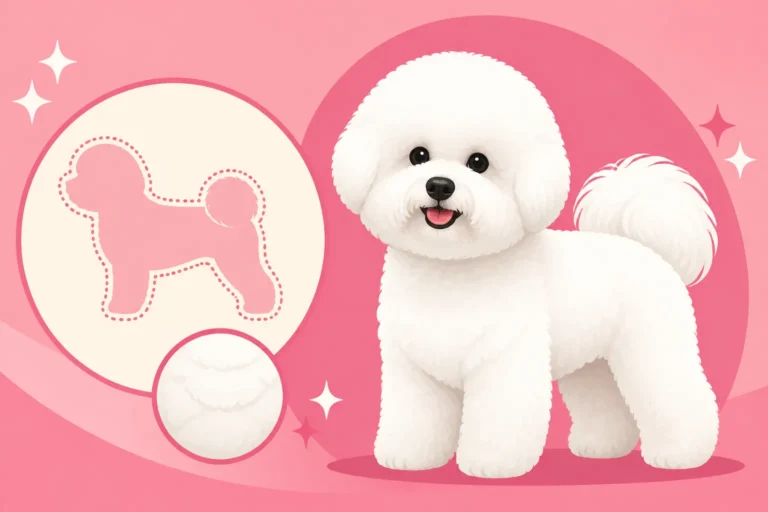
What truly defines a Bichon, though, is their quintessential temperament. They are famously merry, playful, and utterly devoted to their families. They have this infectious joy that brightens any room they enter. Their distinctive "powder puff" appearance, with soft, curly white hair and dark, expressive eyes, is instantly recognizable and utterly adorable. When you choose a Bichon, you're not just getting a dog; you're getting a living piece of history, a cheerful companion with a reliable and well-documented personality. Their consistent appearance and temperament are major draws for those seeking a predictable and loving family member. The Merry Temperament the Bichon Frise Standard Demands perfectly encapsulates this defining trait.
Predictability vs. Variety
One of the biggest advantages of choosing a purebred Bichon Frise is the high degree of predictability you get. When you welcome a Bichon into your home, you generally know what to expect regarding their adult size, typical appearance, grooming needs, and general temperament. For example, a healthy adult Bichon Frise typically weighs between 12-18 pounds and stands about 9-12 inches tall, as discussed in What an Adult Bichon Frise Weighs. Their iconic double coat requires regular, often professional, grooming to maintain its pristine "powder puff" outline, a style that's a hallmark of the breed and described further in The Powder Puff Outline the Bichon Frise Standard Describes. You're making a choice based on centuries of selective breeding that has refined these traits.
With Doodles, while the intent is often to combine the best of both worlds, the reality can be more variable. Because they are crossbreeds, there's less consistency. One Goldendoodle puppy from a litter might inherit more Poodle traits, while another might lean more towards the Golden Retriever, both in terms of coat type, shedding, size, and even temperament. This unpredictability can be part of the adventure for some, but for others, especially first-time dog owners or those with specific needs (like severe allergies), the certainty of a purebred is a significant comfort. When you're investing your heart and resources into a pet, knowing what you're likely to get can be a huge relief, and this is where the purebred Bichon Frise truly shines.
Market Dynamics: Are Doodles Really Replacing Bichons?
It's natural to observe the sheer volume of Doodles and wonder if they're directly taking away from other breeds. However, the picture is more nuanced than a simple swap. The pet market is vast and diverse, and different dogs appeal to different lifestyles and preferences.
Shifting Tastes, Not Necessarily Replacement
While Doodles have certainly carved out a significant niche, it’s more accurate to say they've expanded the overall dog ownership landscape rather than directly replaced the market for breeds like the Bichon Frise. Many Doodle owners might be people who previously wouldn't have considered a purebred Poodle or, for that matter, a Bichon. They might have been drawn to the "hypoallergenic" claims or the promise of a dog with a specific blend of temperaments. In essence, Doodles have brought new people into the world of dog ownership, people who are seeking a particular aesthetic or set of perceived traits that might not align perfectly with traditional purebred offerings.
The Bichon Frise continues to appeal to those who appreciate its specific, well-established characteristics: its consistent size, its cheerful and affectionate disposition, and its distinctive look. There’s a segment of the dog-loving public that values the predictability and heritage of a purebred. These owners often seek out breeders who adhere to the breed standard and are transparent about health testing and lineage. The Bichon market might not be experiencing the explosive growth of the Doodle trend, but it remains stable and strong, supported by a dedicated community of enthusiasts. If you're looking for quality food or toys for your Bichon, you'll still find plenty of options on sites like Chewy that cater specifically to small breeds.
The Importance of Responsible Breeding for Both
Whether you're looking at a Bichon Frise or a Doodle, the integrity of the breeder is paramount. The rise of Doodles, unfortunately, has also seen an increase in less scrupulous breeders looking to capitalize on their popularity. This means it's crucial for prospective Doodle owners to research thoroughly, as many "designer dogs" come with a hefty price tag but without the health clearances or ethical breeding practices you'd expect from a reputable purebred breeder. Just like with any dog, a poorly bred Doodle can come with a host of health and temperament issues.
For the Bichon Frise, responsible breeders remain the cornerstone of the breed's health and longevity. They conduct extensive health testing on parent dogs for common Bichon issues like patellar luxation, eye conditions, and bladder stones, as outlined in The Health Tests Both Bichon Frise Parents Should Have. They prioritize temperament and health over trends. When you look at platforms like Chewy for pet supplies, remember that the foundation of a healthy, happy dog begins with responsible breeding choices, regardless of whether it's a purebred or a crossbreed. The investment in a puppy from a reputable source, whether Bichon or Doodle, ultimately saves a great deal of heartache and potential veterinary costs down the line.
Finding Your Perfect Companion: Bichon vs. Doodle Considerations
Ultimately, the choice between a Bichon Frise and a Doodle (or any dog, for that matter) comes down to what you're looking for in a companion. There's no single "best" dog, only the best dog for you.
What to Consider When Choosing
Before you bring any dog into your home, take a deep breath and consider the practicalities and your lifestyle. Here's a quick comparison of some key considerations:
| Feature | Bichon Frise (Purebred) | Doodles (Poodle Mixes, Generalizations) |
|---|---|---|
| Temperament | Consistently merry, playful, affectionate, sensitive. | Variable, depends on parent breeds (e.g., Goldendoodle: friendly, energetic). |
| Size | Small (typically 12-18 lbs). | Highly variable, from mini to standard (e.g., Cavapoo: small; Goldendoodle: medium-large). |
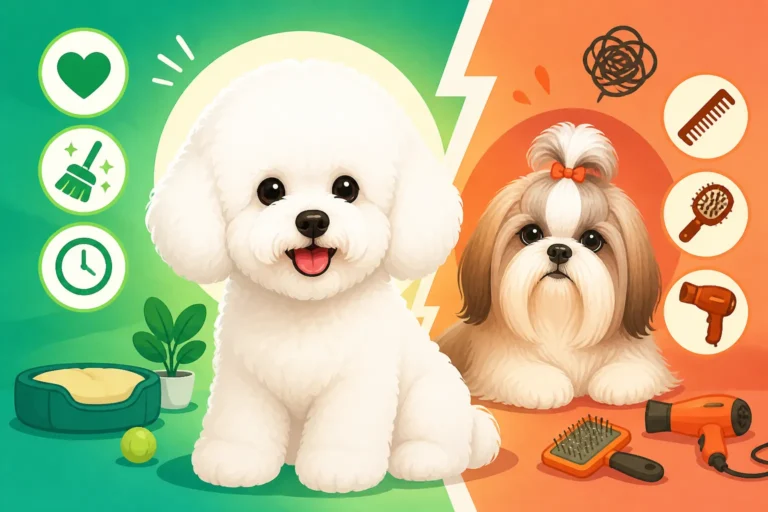
| Grooming Needs | High; non-shedding but prone to matting; professional grooming every 4-6 weeks required. | Variable; many are low-shedding but not truly non-shedding; professional grooming often needed, coat types vary wildly. |
| Health Issues | Predisposed to specific purebred issues (e.g., bladder stones, luxating patella). | Variable; can inherit issues from both parent breeds; "hybrid vigor" is not guaranteed. |
| Housetraining | Can be notoriously challenging; requires consistency. | Variable; Poodles are smart, but habits from the other parent breed can influence. |
| Cost | A reputable puppy can be a significant investment. | Can be very expensive, especially for popular crosses, varying greatly by breeder. What a Bichon Frise Puppy Costs From a Real Breeder explores this. |
As you can see, the predictable nature of the Bichon Frise can be a huge asset. For example, knowing that your Bichon will require professional grooming every six weeks, as detailed in The Six Week Bichon Frise Groom That Never Stops, allows you to budget and plan accordingly. With a Doodle, you might get a low-shedding dream coat, or you might end up with a high-shedding, mat-prone nightmare that still needs regular trips to the groomer! Researching reputable breeders for any dog is crucial to ensure you're getting a healthy, well-socialized puppy.
Co-existing in the Pet World
In conclusion, the idea that Doodles have "taken over" the Bichon Frise's market is a bit of an oversimplification. While Doodles have certainly captured a large share of the modern pet market, particularly among those looking for specific hybrid traits, the Bichon Frise continues to thrive. Its appeal is rooted in its rich history, its consistently joyful temperament, and its charming appearance, all backed by a dedicated community of breeders and enthusiasts.
The pet world is big enough for both. Doodles cater to a specific desire for crossbreed traits and perceived advantages, while the Bichon Frise remains the top choice for those who cherish the predictability, elegance, and unadulterated cheerfulness of this ancient and beloved breed. As a Bichon Frise owner, you know the unique joy these little dogs bring. Their market isn't going anywhere; it simply exists alongside the newer trends, offering a timeless choice for families seeking a truly special companion. When you head to Chewy, you'll find products tailored for Bichons right next to those for Doodles, proving that both have a valued place in our homes and hearts.
Disclaimer
This article is for general informational purposes only and does not constitute professional advice. Laws, prices and regulations vary by location and change over time. Consult a qualified professional for guidance on your specific situation.