Whether One Treat Can Restart a Bichon Frise Stone
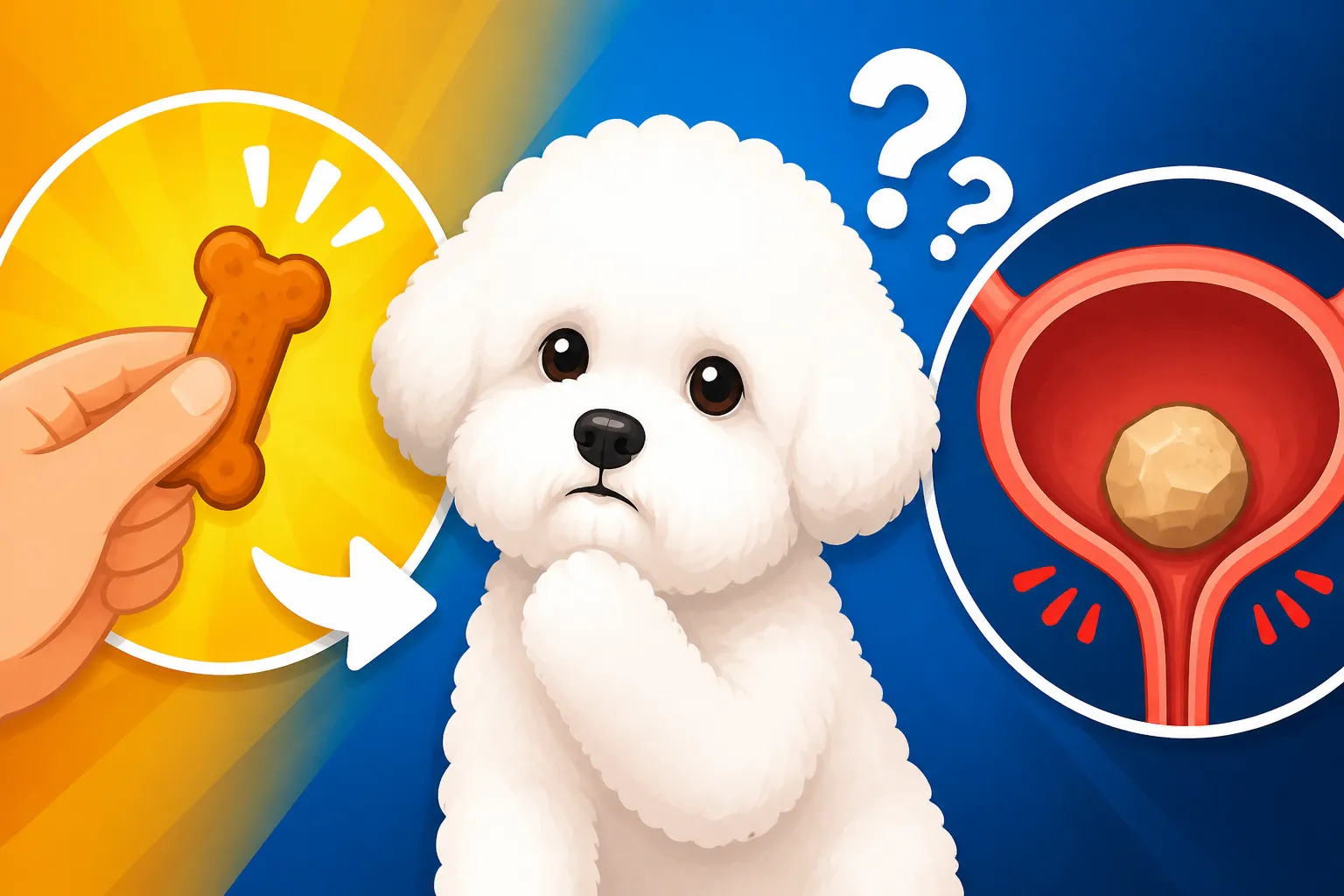
It’s an age-old dilemma for Bichon Frise parents, isn't it? You've got your sweet, fluffy companion on a strict prescription diet because of those dreaded bladder stones, and then comes that moment: their adorable eyes pleading for just a tiny bite of your snack, or a friendly neighbor offers a "harmless" treat. The fear is real – can one small treat really undo all your hard work and trigger a stone? This guide dives deep into the intricate relationship between treats, diet, and urinary health in Bichon Frises, helping you understand the true risks and how to navigate them.
The Delicate Balance of a Bichon Frise's Urinary Health
Understanding why Bichon Frises are so prone to bladder stones, particularly calcium oxalate stones, is the first step in appreciating just how critical dietary adherence truly is. It's not just about one bad food choice; it's about a delicate internal balance.
Understanding Calcium Oxalate Stones in Bichon Frises
Bichon Frises, bless their cotton-ball hearts, are genetically predisposed to forming calcium oxalate stones. It's a frustrating reality for many owners. These aren't just minor irritations; they can lead to painful urinary tract infections, blockages, and require invasive surgery. Unlike some other stone types, calcium oxalate stones cannot be dissolved through diet alone once they've formed, which means prevention is absolutely paramount. When we talk about What a Calcium Oxalate Stone Is in a Bichon Frise, we're discussing hard, crystalline formations that lurk within the bladder, ready to cause trouble.
This genetic predisposition means that even slight deviations from an optimized diet can shift the scales. The specific makeup of their urine – factors like pH, concentration of calcium, oxalate, and other minerals – plays a huge role. Their bodies, for reasons still being thoroughly researched, tend to excrete more calcium and oxalate into the urine, creating a fertile ground for these tiny crystals to form and then grow into full-blown stones. It's not a fault of the dog or the owner; it's just how some Bichons are wired. That’s why many vets emphasize strict adherence to a specific urinary diet from the moment a stone is diagnosed or even suspected.
How Diet Influences Stone Recurrence
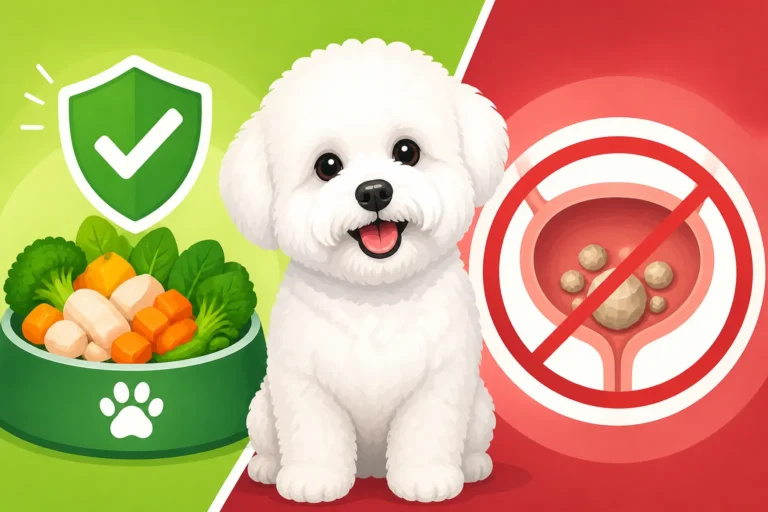
The primary tool in preventing calcium oxalate stone recurrence in Bichon Frises is a carefully formulated prescription diet. This isn't just any dog food; these diets are specifically engineered to alter the urinary environment. They typically achieve several things:
- Lowering Calcium and Oxalate Content: The goal is to reduce the building blocks available for stone formation. Less calcium and oxalate in the diet means less excreted in the urine.
- Increasing Water Intake: Many prescription diets, especially wet varieties, encourage higher water consumption, leading to more dilute urine. Dilute urine means lower concentrations of stone-forming minerals, making it harder for crystals to clump together.
- Modulating Urine pH: While calcium oxalate stones prefer an acidic environment, these diets aim for a more neutral or slightly alkaline pH to further discourage crystal formation. It's a fine line, as too alkaline can promote other stone types, but veterinary nutritionists have mastered this balance.
This is why your vet insists that The Diet a Bichon Frise Stays On for Life is so crucial. Every ingredient in that special kibble or wet food has a purpose, meticulously balanced to make your Bichon's bladder as inhospitable as possible to new stone growth. Introducing treats, even small ones, that don't align with these dietary goals can throw off this delicate balance, potentially negating the protective effects of the prescription food. It's a continuous, vigilant effort to keep your beloved pet healthy and stone-free.
The Reality of "Just One Treat" for a Stone-Prone Bichon
When you're dealing with a Bichon Frise prone to stones, the concept of "just one treat" is often fraught with anxiety. While a single, isolated morsel might not instantly form a new stone, the cumulative effect and the types of ingredients involved are what truly matter.
The Cumulative Effect of Dietary Indiscretions
It's tempting to think that one small piece of cheese or a bite of your apple won't hurt, especially when your Bichon is looking at you with those pleading eyes. However, the truth is, the formation of calcium oxalate stones is often a cumulative process, not an immediate reaction. Imagine a bucket that needs to be filled before it overflows. Your Bichon's urinary system is like that bucket. The prescription diet is designed to keep the water level low. Every "off-diet" treat, no matter how small, adds a little more water to that bucket.
Let’s say a typical treat contains a higher level of oxalates, like sweet potato, or calcium, like some dairy products. Your Bichon's body processes it, and those excess minerals are excreted into the urine. If this happens occasionally, perhaps the urine's natural flushing action and the protective elements of the prescription diet can handle it. But what if it becomes a regular occurrence? A treat here, a dropped crumb there, a well-meaning visitor offering a forbidden snack – it all adds up. Over days, weeks, or months, these small dietary indiscretions can slowly but surely tip the balance, increasing the concentration of stone-forming substances in the urine. This isn't about an instant stone popping into existence, but about creating an environment where crystals are much more likely to form, grow, and aggregate. It's a slow burn, and that's what makes it so insidious and difficult to pinpoint to a single treat.
Identifying High-Risk Treat Ingredients
The key to understanding the risk of treats lies in knowing which ingredients are problematic for Bichon Frises prone to calcium oxalate stones. It's not just about avoiding "human food" but understanding the specific nutritional profiles.
Here are some high-risk ingredients to steer clear of:
- High Oxalate Foods: Many common healthy human foods are surprisingly high in oxalates. Examples include spinach, sweet potatoes, beets, almonds, peanuts, rhubarb, and even some berries like raspberries. While good for humans, these can be detrimental for a stone-prone Bichon.
- High Calcium Foods: Dairy products like cheese, yogurt, and milk are often high in calcium, which, when excreted in the urine, contributes directly to calcium oxalate stone formation.
- Foods that Acidify Urine: While some urinary stone types require urine acidification, calcium oxalate stones are often exacerbated by overly acidic urine. Foods that significantly drop urine pH can inadvertently increase risk. However, most prescription diets manage pH carefully.
- High Sodium Foods: Excessive sodium can increase calcium excretion in the urine, another factor in stone formation. Many processed human foods and salty snacks fall into this category.
- Phosphorus and Magnesium: While more critical for struvite stones, an imbalance in these minerals can still play a role in overall urinary health. Many non-prescription treats are not balanced for these concerns.
It's a tough pill to swallow because many of these are things we love to share with our pets. But for a Bichon Frise with a history of stones, even small amounts of these ingredients can contribute to that cumulative "bucket" effect, making the chances of stone recurrence significantly higher. This is precisely why your vet will harp on the importance of strict adherence to The Diet a Bichon Frise Stays On for Life and avoiding any treats not specifically approved.
The Psychological Impact on Owners
Let's be honest, it's incredibly tough. As pet owners, we want to shower our furry family members with love, and often, that translates into sharing food or giving special treats. When you have a Bichon Frise with a medical condition like recurrent bladder stones, that simple act of affection suddenly becomes a source of guilt and anxiety. You see their hopeful gaze, you hear that tiny whimper, and your heart aches to give them that one little piece of chicken or a bit of your apple.
The constant worry that "just one treat" could lead to another painful episode, another expensive vet visit, or even another surgery is a heavy burden. It makes you feel like the "bad guy" for saying no, even though you're doing it out of love and necessity. This isn't just about managing a dog's health; it's about managing your own emotions and the desire to provide joy. The frustration mounts, especially if you've been diligent only to have a stone recur, leaving you wondering if a tiny, forgotten indulgence was the culprit. It's a lonely battle sometimes, feeling like you have to be the food police in your own home, not just for your dog, but potentially for well-meaning friends and family too. This emotional toll is a very real part of owning a Bichon Frise with chronic health issues, and it's completely valid to feel it.
Navigating Treats and Rewards for Your Bichon Frise
So, does this mean your stone-prone Bichon Frise is doomed to a life without any fun treats? Not necessarily! The key is to be informed, proactive, and always, always in communication with your veterinarian. There are ways to reward your fluffy friend safely.
Safe Treat Alternatives for Stone-Prone Dogs
While many conventional treats are off-limits, there are safe and approved alternatives for your Bichon Frise that won't jeopardize their urinary health. The golden rule here is to consult your veterinarian before introducing any new treat, even those marketed as "healthy."
Here are some categories of safe treat options:
- Prescription Diet Treats: Many veterinary diet brands that produce urinary health foods also offer companion treats specifically formulated to be compatible with their prescription diets. Brands like Hill's Prescription Diet c/d or Royal Canin Urinary SO often have treat options that match the nutritional profile of their main foods. These are usually the safest bet because they are designed with the same goals: appropriate mineral content, pH balance, and low oxalate levels.
- Plain, Cooked Meats (in moderation): Small, lean pieces of cooked chicken breast (skinless, boneless, unseasoned) or turkey can sometimes be given. However, even these need to be approved by your vet, as protein content can influence urine pH and mineral excretion. The emphasis here is small and infrequent.
- Certain Vegetables (in very small amounts, vet-approved): Some vegetables are naturally low in oxalates and could potentially be given as a tiny treat. Examples might include small pieces of cooked green beans or carrots. Again, portion control is vital, and veterinary guidance is non-negotiable. What might be safe for one dog on a specific diet might not be for another.
- Ice Cubes: For many Bichons, an ice cube is a fantastic, zero-calorie, hydrating "treat." It adds water to their system, which is always beneficial for stone prevention, and provides a satisfying crunch. Just make sure the cubes aren't too large to prevent choking.
Remember, the goal is to provide a treat that feels special without undermining the precise science behind their prescription diet. What Prescription Urinary Food Costs a Bichon Frise Owner is significant, and you want to ensure that investment in their health isn't compromised by a rogue treat. Always double-check labels, and when in doubt, just stick to approved kibble pieces from their regular diet as rewards.
The Importance of Strict Dietary Adherence
Maintaining strict dietary adherence for your Bichon Frise is not just a recommendation; it's often the cornerstone of preventing the painful and potentially life-threatening recurrence of urinary stones. It's a long-term commitment that pays dividends in your pet's quality of life and your peace of mind.
- Minimizing Recurrence Risk: The primary benefit of adhering to the prescription diet, with vet-approved treats only, is significantly lowering the chance of new stones forming. This means fewer trips to the emergency vet for blockages, less pain for your dog, and avoiding the need for repeated surgeries. When you consider How Often a Bichon Frise's Stones Return without proper management, the dedication becomes clear.
- Consistency is Key: The urinary environment of your Bichon needs to be consistently unfavorable to stone formation. Every time an off-diet food is introduced, it creates a "spike" in mineral excretion or a shift in pH, making the system work harder to correct itself. Consistent diet maintains a stable, protective environment.
- Peace of Mind: For owners, knowing you are doing everything you can to prevent recurrence offers a huge sense of relief. The financial burden of stone management can also be substantial; imagine What One Bichon Frise Stone Surgery Costs and What Three Cost. While comprehensive pet insurance like Healthy Paws can help cover unexpected medical expenses, preventative care through diet is always the best first line of defense.
- Simplifying Monitoring: When your Bichon is on a strict, consistent diet, your veterinarian has a clearer picture of their urinary health. Regular monitoring, such as Whether a Bichon Frise Should Be Urine Tested Yearly and checking urine pH, becomes more reliable. Any changes in urine chemistry can be more accurately attributed to underlying health issues rather than dietary inconsistencies.
It’s a commitment, undoubtedly. You might feel like you're depriving your dog, especially if a fussy Bichon Frise Refuses the Urinary Diet. But the long-term benefits for their health and your shared happiness far outweigh the temporary satisfaction of a forbidden treat.
When to Consult Your Veterinarian
Your veterinarian is your most valuable partner in managing your Bichon Frise's urinary health. Open and honest communication is essential, especially when it comes to diet and treats. Never hesitate to pick up the phone and ask.
- Before Introducing Any New Treat: This is the golden rule. Even if a treat seems benign or "natural," always get your vet's approval first. They know your Bichon's specific history, the type of stones they form, and the precise composition of their prescription diet. What's safe for a dog with struvite stones might be dangerous for a dog with calcium oxalate stones.
- If You're Considering Supplements: There are many supplements marketed for urinary health, but not all are appropriate for every type of stone or every dog. Some, like Vitamin C, can even be detrimental for calcium oxalate stone formers. Always discuss supplements with your vet.
- If You Notice Any Changes in Urination Habits: Even with strict dietary adherence, stones can sometimes recur. Keep a close eye on any changes like increased frequency, straining, accidents in the house, or blood in the urine. These could be The First Signs a Bichon Frise Has Stones and warrant an immediate vet visit.
- For Regular Check-ups and Monitoring: Beyond yearly urine tests, your vet might recommend additional diagnostics like X-rays or ultrasounds, particularly if your Bichon has a history of stones. This proactive approach can catch new stone formation early, before they become a major problem. Discussing whether a Bichon Frise Needs Urine pH Monitored at home or by the vet is also important.
- To Discuss Pet Insurance: Managing chronic conditions like recurrent bladder stones can be very costly. A conversation about pet insurance options, like those offered by Healthy Paws, can help prepare you financially for potential future treatments or ongoing care, easing the burden and allowing you to focus on your pet's health without added financial stress.
Your vet can provide personalized advice that takes into account your dog’s unique medical history and current condition. Don't rely on internet advice or anecdotes from other pet owners when it comes to something as critical as stone prevention.
Here's a quick reference guide to common treat categories:
| Treat Category | Examples | Risk Level (for CaOx stones) | Notes |
|---|---|---|---|
| Prescription Urinary Treats | Hill's u/d or c/d treats, Royal Canin Urinary S/O treats | LOW | Specifically formulated to be compatible with prescription urinary diets. Always the safest choice. |
| Lean Cooked Meats | Plain chicken breast (no skin/bones), small pieces of lean turkey | MODERATE | Very small quantities may be acceptable if vet-approved, but protein content can affect urine pH. Must be unseasoned. |
| Certain Vegetables | Tiny pieces of cooked green beans, carrots | MODERATE-HIGH | Many vegetables are high in oxalates (e.g., sweet potato, spinach, kale). Only specific low-oxalate veggies in very small, vet-approved amounts. |
| Dairy Products | Cheese, yogurt, milk | HIGH | High in calcium, a primary component of calcium oxalate stones. Even small amounts are generally discouraged. |
| Nuts & Seeds | Peanuts, almonds, sesame seeds | HIGH | Very high in oxalates. Absolutely avoid. |
| High-Oxalate Fruits | Raspberries, blackberries, rhubarb | HIGH | High oxalate content. Avoid. |
| Commercial Dog Treats (non-urinary) | Biscuits, jerky, rawhides | HIGH | Almost certainly contain ingredients incompatible with a urinary diet (high in protein, sodium, oxalates, or minerals). These are the most common culprits for dietary indiscretions. |
| Ice Cubes | Plain water ice cubes | VERY LOW | Excellent, hydrating, zero-calorie "treat" that encourages water intake. Safe and often recommended by vets. |
Remember, this table is a general guide. Your vet's specific instructions for your Bichon Frise always take precedence.
Disclaimer
The information provided in this guide is for informational purposes only and does not constitute veterinary medical advice. Always consult with a qualified veterinarian for any health concerns or before making any decisions related to your pet's health or treatment plan.