Whether Diet Alone Stops a Bichon Frise Reforming Stones
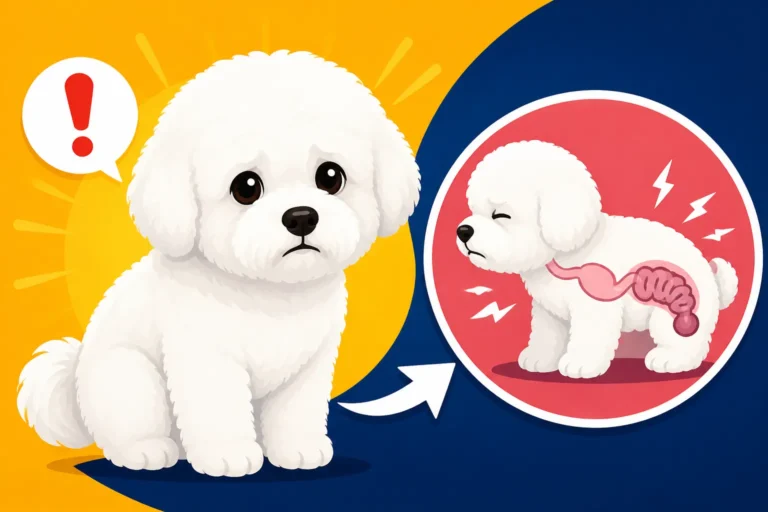
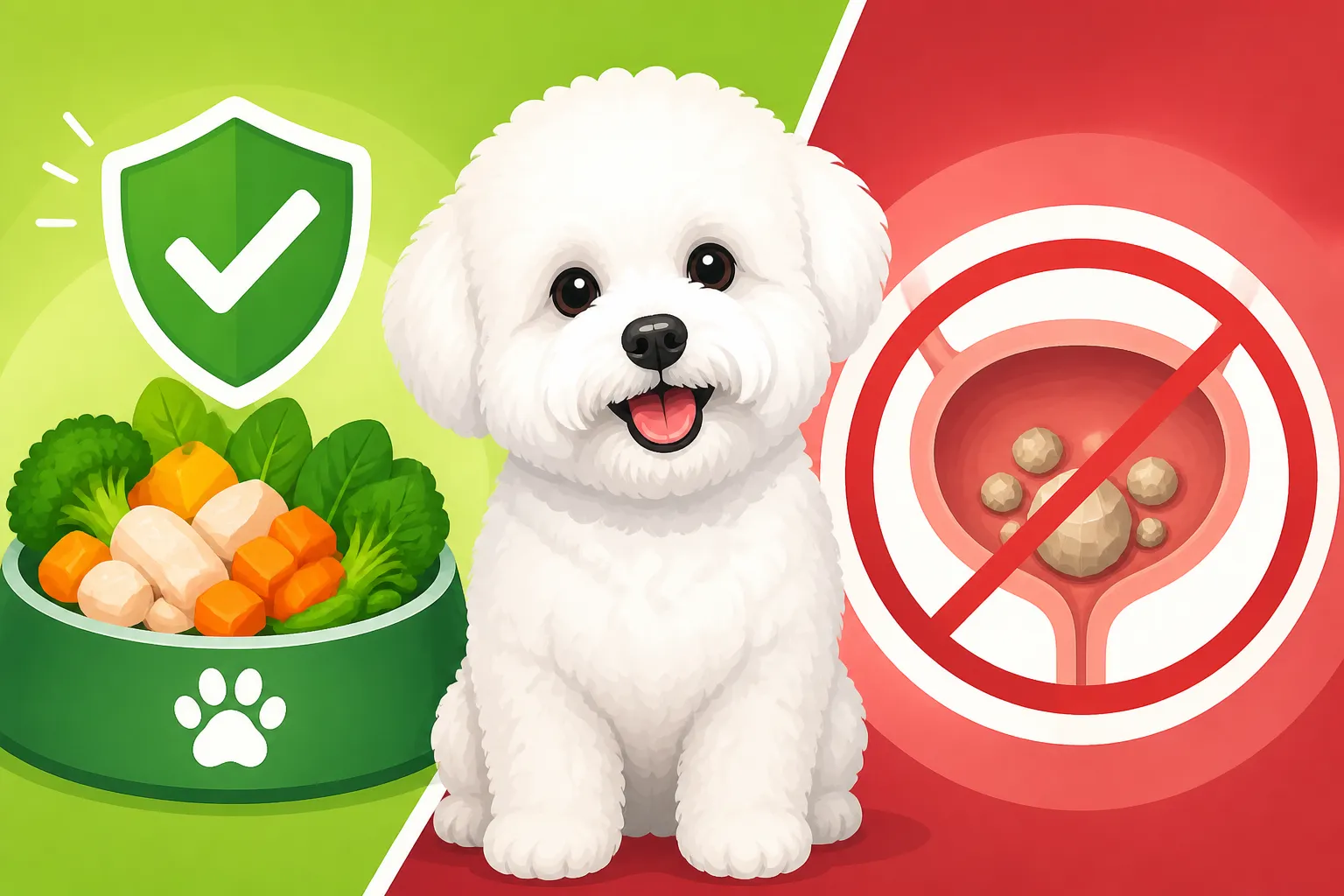
It's incredibly frustrating, isn't it? You go through the stress and expense of stone removal surgery for your beloved Bichon Frise, and the vet talks about a special diet as the key to preventing a recurrence. But then you hear whispers or even experience the heartbreak of stones coming back despite your best efforts with that diet. This guide is here to shed light on whether diet alone is truly the magic bullet for stopping a Bichon Frise from reforming those stubborn bladder stones, and what else you might need in your arsenal.
The Persistent Problem of Bichon Frise Bladder Stones
Living with a Bichon Frise often means becoming intimately familiar with urinary health issues, particularly bladder stones. It's a common, often recurring, and deeply concerning problem for many owners. The sheer worry of another blockage or a painful recovery is enough to keep anyone up at night.
Understanding Calcium Oxalate Stones
When we talk about Bichon Frise bladder stones, we're usually talking about calcium oxalate stones. These aren't like some other stone types that can potentially be dissolved with specific diets. Oh no, calcium oxalate stones are much more stubborn. They're hard, crystalline formations that, once present, typically require surgical removal. You can learn more about What a Calcium Oxalate Stone Is in a Bichon Frise to truly grasp their nature. They form when there's an excess of calcium and oxalate in the urine, combined with specific urine pH levels and other factors that encourage crystal formation. Imagine tiny, sharp grains of sand slowly clumping together until they form a painful pebble. That's essentially what's happening inside your dog.
Why Bichons are Prone to Recurrence
It's not just bad luck that your Bichon Frise might develop stones; there's a significant genetic predisposition at play. These sweet, fluffy dogs unfortunately top the charts for stone risk. If you've ever wondered Why the Bichon Frise Tops the Stone Risk List, it boils down to genetics influencing their urine chemistry, making them more susceptible to forming these crystals. This inherent susceptibility means that even after successful surgery to remove existing stones, their body's underlying metabolic tendencies are still there, working to create new ones. It’s like their internal factory for stone production never truly shuts down; it just needs the right conditions, or even slightly wrong conditions, to kick back into gear.
The Role of Prescription Urinary Diets in Prevention
Given the high recurrence rate, your vet will almost certainly prescribe a special diet after stone removal. This isn't just a suggestion; it's a cornerstone of preventative care. But let's be realistic about what these diets can and cannot do.
How Prescription Diets Work Their Magic (and Limitations)
Prescription urinary diets are specifically formulated to alter your dog's urine environment in ways that discourage crystal and stone formation. For calcium oxalate stones, this typically involves several key strategies:
- pH Modification: These diets often aim to make the urine slightly more alkaline, which helps reduce the saturation of calcium oxalate components.
- Dilution: Many diets are designed to encourage increased water intake, leading to more dilute urine. When the urine is less concentrated, the components that form crystals are less likely to clump together.
- Controlled Mineral Levels: They carefully manage the levels of calcium, oxalate, and other minerals to minimize their presence in the urine.
- Reduced Protein: Some diets may have moderately reduced protein levels, as certain protein metabolites can contribute to stone formation.
The goal is to create an environment where new crystals struggle to form, and existing microscopic crystals are less likely to grow into full-blown stones. However, it's crucial to remember that these diets are preventative, not curative for calcium oxalate stones. Unlike struvite stones, which can sometimes be dissolved with a special diet, calcium oxalate stones generally cannot. So, while a diet is vital for future prevention, it won't make existing stones disappear. It's a long-term commitment, and understanding The Diet a Bichon Frise Stays On for Life is key to its success.
The Honest Truth: When Diet Alone Might Not Be Enough
Here's where the frustration often sets in. You're diligently feeding the prescription diet, yet your Bichon still develops new stones. This disheartening reality highlights that while diet is incredibly powerful, it's often not the sole solution. There are several reasons why diet alone might fall short:
- Incomplete Stone Removal: Sometimes, during surgery, tiny, microscopic fragments of stones can remain. These fragments, no matter how small, can act as a "nidus" – a starting point – for new stone formation. The diet might slow their growth, but it can't always stop it entirely if a foundation already exists.
- Genetic Predisposition Overrides: For some Bichons, their genetic tendency to produce urine highly prone to stone formation is so strong that even the best diet can only mitigate, not eliminate, the risk. Their individual metabolism might simply be wired to form stones more readily.
- Non-Compliance (Accidental or Intentional): This is a tough one, but even a tiny deviation can have a big impact. Feeding even small amounts of non-prescription treats, table scraps, or other foods that aren't specifically approved for the urinary diet can completely undermine its effectiveness. It's truly a scenario where Whether One Treat Can Restart a Bichon Frise Stone is not an exaggeration. The delicate balance achieved by the prescription food is easily disrupted by external calcium, oxalates, or pH-altering ingredients.
- Other Underlying Health Issues: Occasionally, another health condition might be indirectly contributing. For example, some Bichons might have minor anatomical abnormalities that make them more prone to urinary stagnation, or other metabolic conditions that affect urine composition. While a direct link to Cushing's Disease and oxalate stones is less common, conditions like Cushing's Disease in a Bichon Frise Past Seven can certainly affect overall health and immune function, which in turn might have subtle influences on urinary tract health.
- Insufficient Hydration: Even on a specialized diet, if your Bichon isn't drinking enough water, their urine won't be as dilute as it needs to be. This means higher concentrations of stone-forming minerals, increasing risk.
The bottom line is that while diet is a crucial management tool, it's part of a larger strategy. Expecting it to be a 100% foolproof preventative measure in every single Bichon Frise is unfortunately unrealistic due to the complex nature of stone formation and individual variations.
The Critical Importance of Consistent Compliance
When your veterinarian prescribes a specific urinary diet, they're not just recommending a food; they're prescribing a medical treatment. This is a commitment that requires unwavering dedication from you, the owner. Every meal, every snack, every treat must align with the dietary recommendations.
Imagine your Bichon Frise's urinary tract as a finely balanced ecosystem. The prescription diet works tirelessly to maintain that balance, keeping the levels of stone-forming minerals low and the urine pH in a helpful range. Even a small piece of cheese, a bit of kibble from a non-urinary formula, or a forbidden fruit like spinach (high in oxalates) can throw that entire system out of whack for hours, if not days. This creates a temporary window where crystals can form and grow, undoing all the good the diet has been trying to accomplish. It's the reason why discussions around Whether a Bichon Frise Ever Comes Off the Stone Diet typically conclude with a resounding 'no' for calcium oxalate formers – it's a lifelong commitment.
This constant vigilance can be tough, especially when your sweet Bichon gives you those pleading eyes for a bite of your dinner. But for their long-term health and to prevent the pain and expense of recurrent stones, consistent compliance is paramount. If your Bichon is fussy, talk to your vet about different prescription diet brands or formulations, or strategies like mixing wet food to make it more appealing. Providers like Healthy Paws pet insurance often cover prescription food costs for certain conditions, which can help ensure you can afford the best preventative care for your furry friend without financial strain.
Beyond Diet: A Comprehensive Approach to Stone Prevention
Since diet alone isn't always a complete shield, a multi-faceted approach is absolutely essential to give your Bichon Frise the best chance at a stone-free life.
Maximizing Water Intake
Dilute urine is your Bichon's best friend when it comes to preventing stones. The more water they drink, the more frequently they urinate, and the less concentrated their urine becomes. This means fewer opportunities for those pesky crystals to form and clump together. This factor is so important that we often delve deep into Whether Water Intake Changes a Bichon Frise's Risk.
Here are some practical tips to encourage more drinking:
- Multiple Water Bowls: Place several bowls around the house, in different rooms, to make water easily accessible.
- Water Fountain: Many dogs are enticed by moving water. A pet fountain can be a game-changer for increasing intake.
- Wet Food: Incorporating wet prescription food into their diet or adding a bit of water to their dry kibble can significantly boost their daily fluid consumption.
- Ice Cubes: Some Bichons love to crunch on ice cubes, which is a fun way to get more water into them.
- Flavored Water: A tiny bit of low-sodium chicken broth or tuna juice (water-packed, no salt) added to water can make it more appealing. Just be sure it's vet-approved and won't interfere with the urinary diet.
Consistent Monitoring and Regular Vet Check-ups
This is not a "set it and forget it" situation. Even with the perfect diet and ample water, regular monitoring is crucial. Your vet will likely recommend ongoing check-ups to keep a close eye on your Bichon's urinary health.
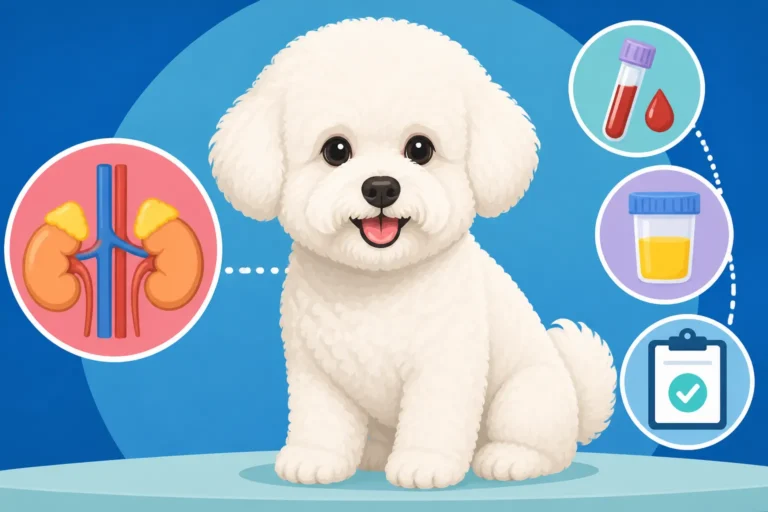
- Urinalysis: Regular urinalysis allows your vet to check the urine's pH, specific gravity (concentration), and look for any crystals or signs of infection. Knowing Whether a Bichon Frise Should Be Urine Tested Yearly or even more frequently after stone removal is vital for early detection of potential issues.
- Bladder Imaging (X-rays or Ultrasound): Since calcium oxalate stones don't dissolve, imaging is the only way to confirm their presence and monitor for recurrence. Your vet might suggest regular X-rays or ultrasounds. This answers the important question of Whether a Bichon Frise Should Be X Rayed Yearly. These check-ins are not overkill; they are proactive steps to catch any new stone formation when the stones are still small and potentially easier to manage, rather than waiting for your dog to show painful symptoms. It's an investment in their long-term comfort and your peace of mind.
To further illustrate the comprehensive management required, let's look at the different aspects:
| Aspect | Action Item | Why it's Important |
|---|---|---|
| Diet | Strictly adhere to prescription urinary food. | Alters urine chemistry, reduces stone-forming compounds. |
| Hydration | Encourage water intake through various methods. | Dilutes urine, reducing crystal concentration and promoting flushing. |
| Monitoring | Regular urinalysis and bladder imaging (X-rays/ultrasound). | Detects early crystal/stone formation, allows for timely intervention. |
| Compliance | Avoid all unapproved treats, table scraps, and supplements. | Prevents disruption of the delicate urinary balance established by the diet. |
| Infection Control | Promptly treat any urinary tract infections. | Infections can alter urine pH and provide a nidus for stone formation. |
| Medication (if any) | Administer any prescribed medications (e.g., potassium citrate). | Helps manage urine pH or bind with stone-forming minerals. |
This table underscores that no single intervention works in isolation. Each component plays a vital role.
Addressing Other Contributing Factors
Sometimes, there are other pieces to the puzzle. For instance, urinary tract infections (UTIs) can alter urine pH and create an environment conducive to stone formation, or even act as a scaffold for crystals to adhere to. If your Bichon has recurrent UTIs, these must be thoroughly investigated and treated.
Additionally, some Bichons might benefit from specific medications, like potassium citrate, which helps alkalize the urine and bind with calcium, further reducing the risk of calcium oxalate crystals. This is why discussions around Whether a Bichon Frise Needs Urine pH Monitored are so important; your vet needs this data to decide if additional medications are warranted.
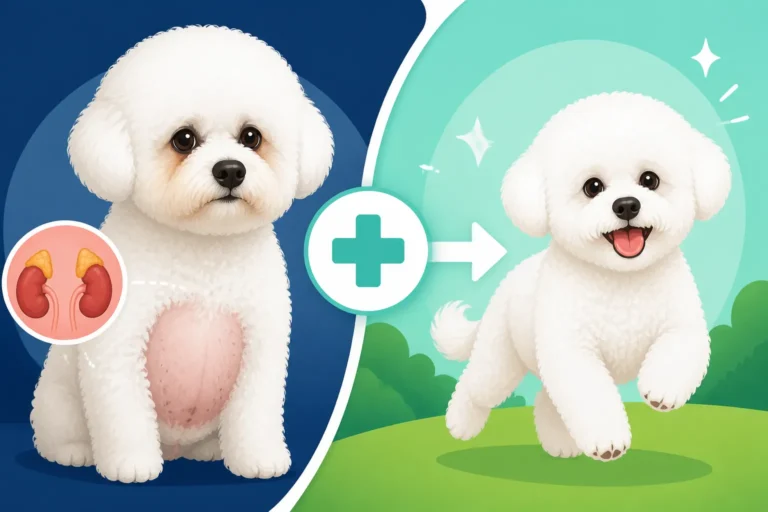
The journey with a Bichon Frise prone to bladder stones is often a marathon, not a sprint. It requires patience, diligence, and a strong partnership with your veterinarian. While diet forms the crucial foundation, it's the combination of diet, hydration, consistent monitoring (which a good pet insurance plan like Healthy Paws can certainly help manage the cost of), and addressing any other health issues that truly provides the best defense against recurrence. Don't be disheartened if challenges arise; instead, see it as an opportunity to work even closer with your vet to refine your Bichon's long-term health plan.
Disclaimer
This article is intended for informational purposes only and does not constitute professional veterinary advice. Always consult with a qualified veterinarian for any health concerns or before making any decisions about your pet's medical care.