Whether a Bichon Frise Needs Urine pH Monitored
It's a genuine worry for many Bichon Frise parents: their beloved fluffy companion seems to be a magnet for health issues, especially those dreaded urinary stones. When you're trying your best to stay ahead of these problems, questions about proactive measures like urine pH monitoring naturally come up. This guide aims to clear up the confusion around monitoring your Bichon's urine pH, explaining when it's truly helpful, when it might just add to your stress, and what steps you should actually be focusing on for their urinary health.
Understanding Urine pH and Its Importance for Bichon Frises
Let's be honest, talking about urine pH isn't exactly a glamorous topic, but it's incredibly important when you share your life with a Bichon Frise. Their delicate systems, unfortunately, make them particularly susceptible to certain urinary issues, and understanding this little chemical balance in their pee can make a world of difference.
What is Urine pH and Why Does it Matter?
So, what exactly is urine pH? Simply put, pH is a measure of how acidic or alkaline (basic) something is. The scale runs from 0 to 14, with 7 being perfectly neutral. Anything below 7 is acidic, and anything above 7 is alkaline. Think of it like a balancing act in your dog's bladder. For a healthy dog, urine pH usually hovers around slightly acidic to neutral, typically between 6.0 and 7.0.
Why does this matter so much for your Bichon? Well, this seemingly small number plays a critical role in whether certain minerals in their urine decide to stick together and form crystals, which can then grow into painful, dangerous stones. Diet, medications, and even underlying health conditions like infections can all shift this pH balance. If the urine becomes too acidic or too alkaline for extended periods, it creates the perfect breeding ground for specific types of crystals to form, much like how different plants thrive in different soil conditions.
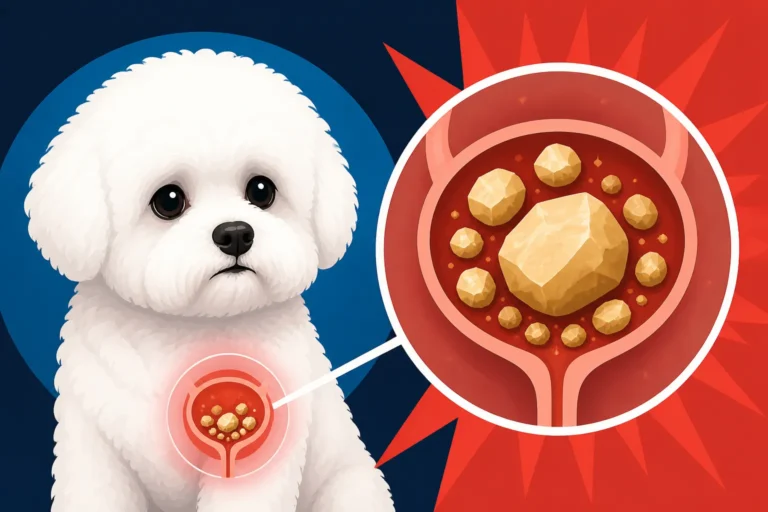
The two main types of urinary stones that most commonly affect Bichon Frises are calcium oxalate and struvite. Each of these stone types prefers a different pH environment to form and grow. Calcium oxalate stones, which Bichons are unfortunately predisposed to, tend to form in acidic urine. On the flip side, struvite stones, often associated with urinary tract infections, flourish when the urine becomes too alkaline. Knowing this distinction is key, because what prevents one type of stone can actually encourage another!
Why Bichon Frises are Prone to Urinary Stones
It's a frustrating reality for many Bichon Frise owners: these adorable, fluffy dogs seem to have a target on their backs when it comes to urinary stones. The heartbreaking truth is that Bichon Frises are known to form stones "Twenty Times as Often" as some other breeds, and this isn't just bad luck. There's a strong genetic component at play, meaning "a Bichon Frise's Stone Risk Is Inherited". It's a sad legacy, but one we need to be aware of to protect them.
Specifically, Bichons are primarily predisposed to developing calcium oxalate stones. This particular type of stone is notoriously difficult to dissolve with diet alone and often requires surgical intervention for removal. This genetic predisposition, combined with factors like dietary habits, how much water your Bichon drinks, and even how long they might hold their urine between potty breaks, can all contribute to the perfect storm for stone formation. Their small bladders and sometimes finicky drinking habits don't help matters either.
Because of this inherent vulnerability, the topic of urine pH monitoring becomes far more relevant for a Bichon Frise owner than it might be for someone with, say, a Labrador. It's not just a theoretical concern; it's a practical, everyday reality that shapes how we approach their care. Understanding this propensity helps us appreciate why vets take urinary health so seriously in this breed and why prevention strategies are so crucial.
When Urine pH Monitoring Becomes a Critical Tool
For most healthy dogs, regular urine pH monitoring at home isn't really necessary. However, for a Bichon Frise, especially one with a history of urinary issues, it can transform from a niche concern into a vital part of their ongoing health management. This is where those little pH strips can actually make a measurable difference.
Following Stone Removal or Dissolution
This is, hands down, the most common and truly valuable scenario where monitoring your Bichon's urine pH at home can be recommended by your vet. If your sweet Bichon has just undergone surgery to "How a Bichon Frise's Stones Are Removed" (a procedure often referred to as a cystotomy), or if they've successfully dissolved struvite stones with a specialized diet, preventing recurrence becomes the absolute priority. You've been through enough, and you certainly don't want to face "The Stone That Comes Back a Year After Bichon Frise Surgery."
Your veterinarian will almost certainly prescribe a specific therapeutic diet, like those from Royal Canin SO or Hills C/D. These diets are meticulously formulated not only to control mineral content but also, crucially, to maintain your Bichon's urine within a very narrow, specific pH range. This targeted pH level is designed to make it incredibly difficult for the type of stone your Bichon previously had to form again. For instance, if they had calcium oxalate stones, the diet will aim for a slightly less acidic, more neutral pH. If they had struvite stones, the diet will work to acidify the urine.
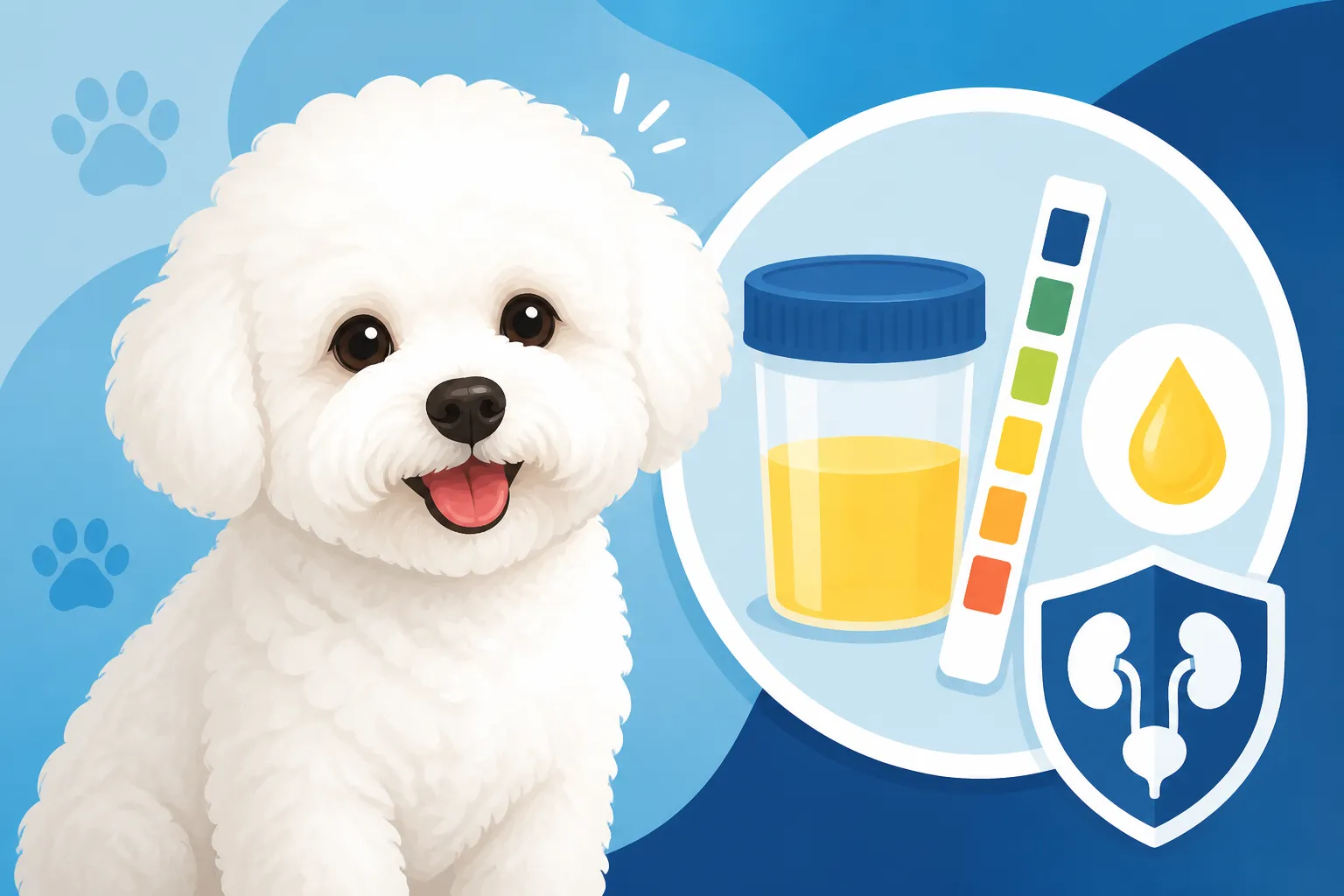
In these cases, your vet might suggest you use at-home urine pH strips. This isn't about you diagnosing anything; it's about you being an active participant in monitoring the effectiveness of the prescribed diet. By regularly checking the pH (usually at a consistent time of day, as recommended by your vet), you can confirm that the food is indeed having the desired effect on their urine chemistry. If the pH starts to drift out of the target range, it could signal that the diet isn't working as intended, perhaps due to hidden treats, or that another underlying issue is brewing. This information is invaluable for your vet to make timely adjustments, helping your Bichon "Stay On for Life" with the appropriate urinary diet. While Healthy Paws pet insurance might not cover the diet itself, it certainly helps cover the follow-up vet visits and diagnostics to ensure the diet is effective.
Managing Recurring Urinary Tract Infections
Another situation where urine pH monitoring can play a supporting role is in Bichons who suffer from persistent, recurrent urinary tract infections (UTIs). It's a frustrating cycle for both you and your furry friend, and sometimes it feels like you're constantly at the vet. Certain types of bacteria that commonly cause UTIs, like Staphylococcus, have a nasty habit of making the urine very alkaline. This alkaline environment is then a perfect breeding ground for struvite crystals to form, sometimes even leading to struvite stones developing right alongside the infection.
In these tricky cases, beyond prescribing antibiotics to knock out the infection, your veterinarian might also recommend therapies aimed at acidifying the urine. This could involve specific diets or even certain supplements, always under professional guidance. This is where at-home pH monitoring comes in. By tracking the urine pH, you can help your vet gauge whether the urine is becoming more acidic, which makes it a much less welcoming place for those infection-causing bacteria and prevents the formation of those irritating struvite crystals. It helps confirm that the treatment plan is indeed shifting the bladder environment in a beneficial direction.
It's important to remember that pH monitoring here isn't a standalone solution but a tool used in conjunction with a comprehensive treatment plan for the infection itself. It helps ensure that you're not just treating the symptoms but also modifying the underlying environment to prevent recurrence. If you find your Bichon struggling with recurring issues, whether it's urinary problems or something else like "Recurrent Ear Infections in a Bichon Frise," consistent veterinary follow-up is key.
The Limitations and Potential Pitfalls of DIY pH Testing
While home urine pH monitoring can be a useful tool in specific, vet-directed situations, it's not a universal solution for all Bichon Frises, and relying on it without proper guidance can actually do more harm than good. It's essential to understand its boundaries.
Why Routine At-Home Monitoring Isn't Always Necessary (or Recommended)
For a healthy Bichon Frise who has never had a history of urinary stones, UTIs, or any other kidney or bladder issues, routinely monitoring their urine pH at home is generally not recommended by veterinarians. And honestly, it often just adds unnecessary stress to your daily life! The truth is, a dog's urine pH naturally fluctuates throughout the day. What they've eaten, how much they've drunk, their activity level, stress, and even the time of day can all cause the pH to shift. One reading might be slightly acidic, and the next could be slightly alkaline, which is completely normal. Obsessing over these normal fluctuations can lead to a lot of anxiety and, even worse, might prompt you to make hasty, ill-advised dietary changes that could actually throw their system out of whack.
Think of it this way: a simple pH strip gives you one tiny piece of information. A thorough urinalysis performed by your vet, however, provides a comprehensive picture. They're looking at specific gravity (how concentrated the urine is), checking for protein, glucose, blood, crystals of any kind, and even bacteria. This full diagnostic panel tells them so much more about your Bichon's urinary tract health than just a number on a pH strip ever could. While "What Urine Testing Costs a Bichon Frise Owner Yearly" might seem like an expense, it's a far more accurate and reliable way to screen for potential problems than home strips. For general wellness checks and early detection, a trusted pet insurance like Healthy Paws would typically cover these essential veterinary diagnostics, providing peace of mind and accurate health insights.
The Risks of Misinterpretation and Self-Treatment
This is perhaps the biggest pitfall of at-home pH monitoring: the temptation to misinterpret the results and then try to "fix" things yourself. Imagine seeing a slightly acidic reading on a pH strip and, without consulting your vet, deciding to give your Bichon a supplement to make their urine more alkaline, or vice versa. This seemingly logical step can actually be incredibly dangerous, especially for a breed like the Bichon Frise.
Remember what we discussed earlier about calcium oxalate and struvite stones preferring different pH environments? If your Bichon is genetically prone to calcium oxalate stones (which is very common for the breed), and you mistakenly try to acidify their urine because you saw an alkaline reading one afternoon, you could inadvertently be creating the perfect conditions for a new calcium oxalate stone to form or existing ones to grow. Or, if they had a temporary alkaline shift due to a mild, resolving issue and you over-alkalinize, you might be setting them up for struvite.
This highlights why proper diagnosis is paramount. Knowing "What a Calcium Oxalate Stone Is in a Bichon Frise" and whether your dog has one (or struvite, or another less common type) fundamentally changes the approach. It's why vets often recommend "What Stone Analysis Costs After Surgery" or "Whether Sending a Bichon Frise's Stone for Analysis Matters." Without that critical information, any attempt to manipulate urine pH is a shot in the dark with potentially serious consequences. Leave the pH manipulation to the professionals who understand the intricate balance and specific stone types.
Best Practices for Urinary Health in Bichon Frises
Instead of getting bogged down in daily pH worries for a healthy Bichon, focusing on established best practices for urinary health will serve your furry friend much better in the long run. These are the cornerstones of keeping their urinary system happy and healthy.
Regular Veterinary Check-ups and Urinalysis
When it comes to your Bichon Frise's urinary health, nothing beats consistent, professional veterinary care. Even if your Bichon seems perfectly healthy, routine vet visits are absolutely crucial. These check-ups aren't just for vaccinations; they're an opportunity for your vet to perform comprehensive screenings that can catch potential issues long before they become serious problems.
An annual or bi-annual urinalysis is a far more effective and informative tool than any at-home pH strip. During a urinalysis, your vet examines many parameters beyond just pH, including urine concentration (specific gravity), the presence of red or white blood cells, protein, glucose, and most importantly, microscopic crystals or bacteria. These detailed insights can flag early signs of infection, inflammation, or crystal formation that would be completely missed by a simple pH test. It's often during these routine tests that vets discover subtle changes that indicate "The First Signs a Bichon Frise Has Stones" or other issues.
Proactive check-ups, including "Whether a Bichon Frise Should Be Urine Tested Yearly," are key to early detection and allow for timely intervention, often preventing the need for more invasive treatments down the line. Many responsible pet insurance providers, like Healthy Paws, recognize the value of preventative care and cover a portion of these essential diagnostic tests as part of their plans, making it easier for dedicated pet parents to provide the best care for their Bichons.
Maintaining Optimal Hydration and Appropriate Diet
Beyond regular vet visits, two of the most powerful tools you have in your arsenal for supporting your Bichon Frise's urinary health are ensuring optimal hydration and providing an appropriate diet. These might sound basic, but their impact is profound, especially for a breed prone to urinary stones.
First, let's talk about water. A well-hydrated Bichon produces dilute urine, and dilute urine is your best friend when it comes to preventing stone formation. Think of it like a river flowing versus a stagnant pond; crystals are far less likely to settle and grow in a fast-moving, dilute environment. Getting "Enough Water Into a Bichon Frise" can be a challenge for some picky drinkers, but it's vital. Consider trying a pet drinking fountain, adding a splash of low-sodium chicken broth to their water, or incorporating wet food into their diet to boost their fluid intake. Even a small increase in "Whether Water Intake Changes a Bichon Frise's Risk" can make a big difference.
Second, the diet itself is incredibly important. For Bichons with a history of stones, a vet-prescribed therapeutic diet is almost always necessary. These specialized foods are formulated to manage mineral levels, control pH, and encourage appropriate urine dilution. It's not just about what not to feed them, but what to feed them to actively prevent recurrence. For healthy Bichons without stone history, a high-quality, balanced commercial diet is generally sufficient, but discussing any concerns about ingredients with your vet is always a good idea. Avoid feeding excessive human snacks or high-oxalate foods without understanding the implications, as "One Treat Can Restart a Bichon Frise Stone."
Summary of Urine pH Monitoring for Bichon Frises
To help you quickly grasp when and why urine pH monitoring might be relevant for your Bichon Frise, here's a handy overview:
| Scenario | Is pH Monitoring Useful? | Why or Why Not? |
|---|---|---|
| Healthy Bichon, no history of stones | No, generally not. | Urine pH naturally fluctuates, and at-home strips don't provide a full diagnostic picture. Can lead to unnecessary anxiety and harmful self-treatment. Annual vet urinalysis is more effective. |
| Post-stone removal (calcium oxalate) | Yes, with vet guidance. | Critical tool to ensure vet-prescribed diet is maintaining target pH to prevent recurrence. Calcium oxalate stones thrive in acidic urine, so diet aims for a more neutral pH. |
| Post-stone dissolution (struvite) | Yes, with vet guidance. | Essential to confirm diet is effectively acidifying urine to dissolve existing stones and prevent new struvite formation. Struvite stones thrive in alkaline urine. |
| Recurring UTIs | Yes, with vet guidance. | Some UTIs cause alkaline urine, predisposing to struvite crystals/stones. Monitoring helps ensure treatments (antibiotics, diet) are shifting pH to be less hospitable for bacteria and struvite. |
| General prevention | No, not reliably. | Diet and hydration are more important general prevention strategies. A specific pH isn't a silver bullet for prevention without knowing the exact stone risk profile. Can lead to misinterpretation and incorrect dietary changes. |
| Suspected new stones/infection | No, see a vet. | At-home pH strips are not diagnostic tools for new issues. Immediate veterinary examination, urinalysis, and imaging (like "Whether an Ultrasound Finds a Bichon Frise's Stones" or "Whether a Bichon Frise Should Be X Rayed Yearly") are needed for accurate diagnosis. |
Final Thoughts on Urine pH Monitoring
Ultimately, deciding whether to monitor your Bichon Frise's urine pH isn't a simple yes or no. For a healthy Bichon without any history of urinary troubles, it's generally an unnecessary step that can cause more worry than good. The natural daily fluctuations in pH can easily lead to misinterpretations and attempts at self-treatment that might inadvertently harm your dog.
However, for Bichons who have faced the ordeal of urinary stones, or who struggle with chronic urinary tract infections, urine pH monitoring can become an invaluable part of their long-term health management strategy. But, and this is crucial, it must always be done under the specific guidance and recommendation of your veterinarian. They will tell you when to test, what target pH range to aim for, and how to interpret the results in the context of your Bichon's unique medical history and prescribed treatment plan.
In the end, proactive veterinary care, including regular check-ups and urinalysis, remains the most effective way to safeguard your Bichon Frise's urinary health. Combine this with diligent hydration efforts and a high-quality, appropriate diet, and you'll be giving your fluffy companion the very best chance at a long, healthy, and stone-free life.
Disclaimer
This article is intended for informational purposes only and does not constitute veterinary advice. Always consult with a qualified veterinarian regarding any health concerns or before making any decisions about your pet's medical care or diet.