Whether a Bichon Frise Should Be X Rayed Yearly
It's completely normal to worry about your beloved Bichon Frise and want to do everything in your power to keep them healthy. We all want to catch potential issues early, especially with a breed known for certain predispositions. This guide will explore whether annual X-rays are a beneficial routine screening tool for your Bichon Frise, weighing the pros and cons, and discussing when imaging truly becomes a crucial part of their veterinary care.
Understanding the Bichon Frise's Unique Health Landscape
Bichon Frises, with their charming personalities and fluffy white coats, are generally robust little dogs, but like all breeds, they come with their own set of potential health challenges. It’s these breed-specific predispositions that often lead owners to consider more aggressive or proactive screening measures, like yearly X-rays, to stay ahead of the curve.
Common Health Concerns in Bichon Frises
One of the most widely recognized health issues in Bichon Frises is their unfortunate propensity to form bladder stones, specifically calcium oxalate stones. It's a frustrating and often recurrent problem that can cause immense discomfort and even life-threatening blockages. Because these stones can sometimes develop silently before symptoms become obvious, many owners wonder if an annual peek inside via X-ray could prevent a full-blown emergency. You might have heard anecdotes about dogs suddenly becoming unwell, only for X-rays to reveal a bladder full of stones that have been brewing for months. This fear of the unknown drives a lot of the discussion around proactive imaging. For more on this, you can read about Why a Bichon Frise Forms Stones Twenty Times as Often.
Beyond urinary tract issues, Bichons are also prone to orthopedic problems, most notably patellar luxation, or "slipping kneecaps." While a hands-on veterinary exam can often detect this, advanced cases or concurrent arthritis might be more clearly assessed with imaging. Additionally, as they age, like all dogs, Bichons can develop arthritis in their joints, which X-rays are excellent at visualizing. Considering these common ailments, it's natural to think, "If an X-ray can show these things, shouldn't we just do it every year?"
The Role of Early Detection in Bichon Frise Health
The idea behind early detection is compelling: catch a problem when it's small, before it becomes a major crisis. For conditions like bladder stones, detecting them when they are tiny might allow for dietary or medical management to dissolve them (if they are not oxalate stones) or prevent them from growing larger, potentially avoiding the need for invasive surgery. Similarly, early identification of arthritis could prompt earlier intervention with joint supplements, pain management, or lifestyle adjustments, improving your dog's quality of life.
However, it's important to differentiate between conditions where X-rays are a primary diagnostic tool for early detection versus those where other methods might be more effective or where symptoms usually precede detectable changes on a routine X-ray. For example, some conditions may not show up on an X-ray until they are already quite advanced, while others might be missed entirely. The goal is always to provide the best, most comprehensive care, and sometimes that means using a combination of diagnostic approaches, not just relying on one single test annually.
Is a Yearly X-ray a Necessity for Your Bichon Frise?
The question of whether to perform yearly X-rays on an asymptomatic Bichon Frise is one that comes up often in vet clinics. It’s a discussion that requires a balanced view, considering both the potential benefits and the drawbacks for your specific pet. While the thought of catching something early is reassuring, it’s crucial to understand what X-rays can truly offer in a routine, preventative context versus when they are symptom-driven.
What X-rays Can and Cannot Reveal
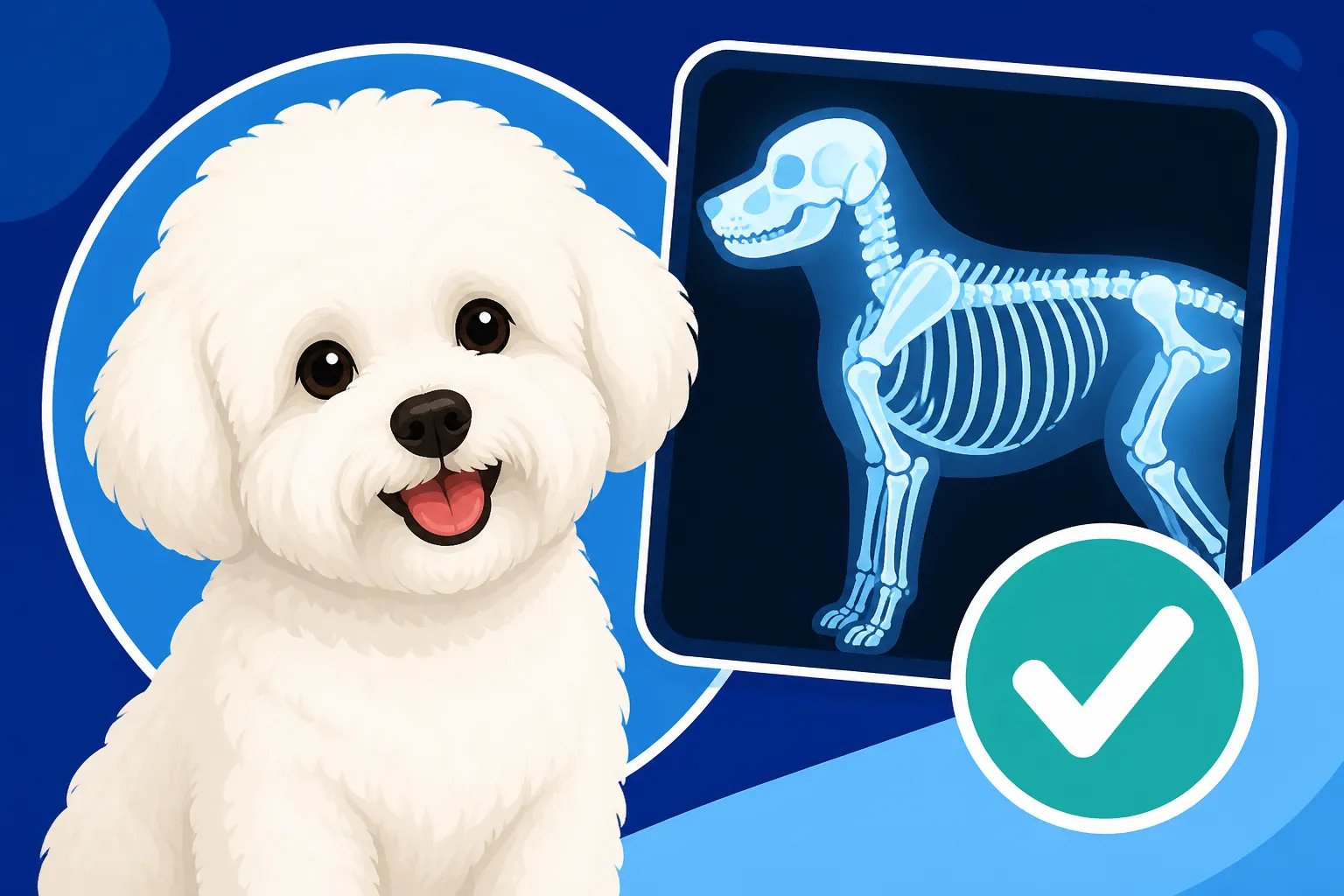
X-rays, or radiographs, are incredibly useful tools for visualizing bones and certain dense tissues, and they excel at detecting specific conditions in Bichon Frises. For instance, they are the go-to method for identifying calcium oxalate bladder stones because these mineralized stones show up as opaque, white shadows on the image. They can also reveal the presence of kidney stones, though these are less common. If your Bichon has a history of urinary issues, knowing How a Vet Confirms Stones in a Bichon Frise is really important. X-rays are also excellent for assessing skeletal issues like patellar luxation, identifying signs of hip dysplasia (though less common in Bichons, it's still possible), and confirming or monitoring arthritis in joints throughout the body. They can show changes in bone density, signs of fractures, or even certain types of tumors in bones or other areas if they are dense enough.
However, X-rays have limitations. They are not ideal for evaluating soft tissues in detail. For example, while they can show the presence of bladder stones, they can't tell you much about the bladder wall itself or if there's a tumor growing within it. Small stones, or certain types of stones like struvite (which are less common in Bichons but still occur), might not be visible on an X-ray due to their composition or size. For a clearer picture of soft tissues, or to detect very small stones, an ultrasound is often a more effective tool. You might be interested to know Whether an Ultrasound Finds a Bichon Frise's Stones. X-rays also involve a small amount of radiation exposure, which, while generally considered low risk for diagnostic purposes, is still a factor to consider for routine, annual screening without a specific medical indication.
The Pros and Cons of Routine X-ray Screening
Deciding on yearly X-rays for your healthy Bichon Frise involves weighing several factors. Let's break down the advantages and disadvantages:
| Feature | Pros of Yearly X-rays | Cons of Yearly X-rays |
|---|---|---|
| Early Detection | Can catch radiopaque bladder stones (like calcium oxalate) before clinical signs appear, potentially allowing for earlier intervention. Can identify orthopedic issues like arthritis or severe patellar luxation at an earlier stage. | May not detect all types of stones or very small stones. Not effective for soft tissue abnormalities. Many orthopedic conditions are better screened by physical exam until symptoms arise. |
| Peace of Mind | For some owners, knowing that a comprehensive internal check has been performed can alleviate anxiety about hidden problems. | Can create a false sense of security, as X-rays don't detect all diseases. Incidental findings (things seen on X-ray that might not be clinically significant) can lead to further, potentially unnecessary, anxiety and costly diagnostics. |
| Cost & Logistics | Proactive planning might spread out expenses. | Significant annual cost that adds up over a Bichon's lifespan. Requires sedation in many cases to get diagnostic quality images, adding another layer of cost and risk. |
| Radiation Exposure | Minimal exposure for diagnostic purposes, generally considered safe. | Though low, it's still radiation. For a completely healthy pet with no symptoms, the cumulative effect over many years is a consideration. |
| Overall Health Picture | Can contribute to a baseline for future comparisons, especially useful for monitoring progression of known conditions. | Focuses on structural changes and misses many metabolic, endocrine, or infectious diseases. Other routine diagnostics (blood work, urinalysis) are often more valuable for a broad health overview. |
Ultimately, for a healthy, asymptomatic Bichon Frise, routine yearly X-rays are not a standard recommendation by most veterinary organizations. The cumulative cost, the need for sedation, and the limitations of what X-rays can detect often outweigh the benefits of prophylactic screening for all conditions. Instead, a more targeted approach based on breed predisposition, age, and any emerging symptoms is usually advised. This is where pet insurance, like that offered by Healthy Paws, can be invaluable. If you decide against yearly X-rays but an issue does arise down the line that requires extensive imaging and treatment, having a policy in place can significantly ease the financial burden.
When X-rays Are Truly Indicated for Your Bichon Frise
While the blanket recommendation for yearly X-rays for every Bichon Frise isn't typically made, there are certainly many situations where X-rays become an indispensable diagnostic tool. The key is to understand the difference between routine screening in an apparently healthy dog and targeted imaging when specific concerns arise.
Recognizing Symptoms that Warrant Immediate Imaging
The moment your Bichon Frise starts showing any unusual signs, X-rays can quickly become a critical part of their diagnostic workup. For bladder stones, the symptoms can range from subtle to severe. You might notice your dog straining to urinate (pollakiuria), frequent urination of small amounts, having accidents in the house, or seeing blood in their urine. Sometimes, they might just seem generally uncomfortable or lethargic. If you observe any of these signs, especially Whether Blood in a Bichon Frise's Urine Means Stones, your vet will almost certainly recommend X-rays of the abdomen to check for stones. A urinary blockage, where a stone completely obstructs the urethra, is a life-threatening emergency, and X-rays are vital for rapid diagnosis. You'd want to know if your straining Bichon Frise is an emergency.
For orthopedic issues, limping, reluctance to jump or play, crying out in pain, or a change in gait can all signal a problem that requires X-rays. If you notice your Bichon skipping or holding up a back leg, it could be a sign of Slipping Kneecaps in a Bichon Frise, and X-rays would help confirm the diagnosis and assess the severity. Furthermore, if your Bichon has had a fall, been hit by a car, or experienced any trauma, X-rays are essential to check for fractures, dislocations, or internal injuries. Any persistent cough, difficulty breathing, vomiting, or abdominal pain can also be reasons for your vet to recommend chest or abdominal X-rays to look for issues in the lungs, heart, or digestive organs. In such cases, the diagnostic information gained from X-rays far outweighs the minimal risks.
Complementary Diagnostic Tools Beyond X-rays
It's important to remember that X-rays are just one piece of the diagnostic puzzle. A holistic approach to your Bichon Frise's health often involves several complementary tests to get a complete picture.
- Urine Analysis: This simple test is incredibly powerful for monitoring urinary health. Regular urine tests can detect infections, crystals (which are precursors to stones), changes in pH, and other abnormalities even before visible stones form or symptoms appear. This is why Whether a Bichon Frise Should Be Urine Tested Yearly is often a more critical routine screening question than yearly X-rays, especially given their stone predisposition. Early detection of crystals can prompt dietary changes, such as adhering to The Diet a Bichon Frise Stays On for Life, to prevent stone formation.
- Abdominal Ultrasound: As mentioned earlier, ultrasound provides real-time, detailed imaging of soft tissues like the bladder, kidneys, liver, and other abdominal organs. It can detect very small stones that might be missed on X-rays, assess the bladder wall for thickness or masses, and evaluate organ architecture. When paired with X-rays, it gives a much more comprehensive view of the urinary tract.
- Blood Tests: Routine blood work can provide invaluable information about organ function (kidneys, liver), blood cell counts, and metabolic health. This can help detect conditions like diabetes, kidney disease, or even Cushing's disease, none of which are typically visible on an X-ray.
- Physical Examination: Never underestimate the power of a thorough physical exam by your veterinarian. Many issues, including patellar luxation, heart murmurs, dental disease, or lumps and bumps, can be detected during a routine check-up.
By combining these diagnostic tools, your vet can develop a tailored monitoring plan that effectively addresses your Bichon's specific health risks without resorting to potentially unnecessary or less informative annual X-rays. If you have pet insurance, ensure you understand what diagnostics are covered under your plan. Many providers, including Healthy Paws, offer robust coverage for diagnostics when they are medically necessary.
Tailoring a Health Monitoring Plan for Your Bichon Frise
The best approach to your Bichon Frise's health is always a personalized one, designed in partnership with your veterinarian. Rather than a one-size-fits-all schedule of tests, it's about creating a proactive plan that considers their breed-specific risks, age, lifestyle, and any individual health history.
The Importance of a Regular Veterinary Check-up
The cornerstone of any good health monitoring plan for your Bichon Frise is regular veterinary check-ups. These aren't just about vaccinations; they are comprehensive assessments of your dog's overall well-being. During these visits, your vet will perform a thorough physical examination, checking everything from their teeth and gums to their heart and lungs, palpating their abdomen, and assessing their joints for any signs of discomfort or instability like The Skip That Means a Bichon Frise's Knee Has Gone. This hands-on evaluation often catches early signs of problems that might not yet be apparent to you at home, or even visible on an X-ray.
These appointments are also your opportunity to discuss any subtle changes you've noticed in your Bichon's behavior, appetite, drinking habits, or energy levels. Your vet can provide guidance on diet, exercise, parasite prevention, and dental care. For senior Bichons, especially those Caring for a Bichon Frise Past Eleven, these check-ups might become more frequent, perhaps twice a year, as age brings its own set of challenges. It's during these regular conversations that you and your vet can decide if specific diagnostics, like X-rays, blood tests, or urinalysis, are warranted based on clinical findings or breed predispositions.
Proactive Steps for Bichon Frise Health Beyond Imaging
While targeted diagnostics play a crucial role, much of your Bichon Frise's long-term health comes down to excellent daily care. You have a huge impact on their well-being through simple, consistent actions.
- Diet and Hydration: This is paramount for preventing bladder stones. Ensure your Bichon is on a high-quality, veterinarian-recommended diet appropriate for their age and activity level. If they have a history of stones, or a strong predisposition, a prescription urinary diet is often recommended, as well as encouraging ample water intake. You can learn more about Whether Diluting Urine Prevents Bichon Frise Stones. A consistent, healthy diet also helps maintain an ideal weight, which reduces stress on joints and lowers the risk of conditions like diabetes.
- Weight Management: Keeping your Bichon at a healthy weight is one of the best preventative measures you can take against a myriad of health issues, including arthritis and patellar luxation. Those extra pounds put unnecessary strain on their delicate joints.
- Appropriate Exercise: Regular, moderate exercise keeps their muscles strong, supports joint health, and helps maintain a healthy weight. Bichons love to play and go for walks, but be mindful of over-exertion or high-impact activities that could stress their knees.
- Dental Care: Dental disease is incredibly common in small breeds like Bichons and can lead to more serious systemic health problems. Regular tooth brushing and professional dental cleanings as recommended by your vet are essential.
- Grooming: Consistent grooming not only keeps their coat beautiful but also allows you to regularly inspect their skin for any lumps, bumps, or irritations, and check their ears and eyes for signs of trouble.
By focusing on these daily care aspects and maintaining a close relationship with your veterinarian for regular check-ups and targeted diagnostics, you'll be providing the most comprehensive and effective health monitoring plan for your beloved Bichon Frise. And remember, when unexpected health issues arise, having pet insurance from a reputable provider like Healthy Paws can truly be a lifesaver, covering a significant portion of diagnostic tests and treatments. This way, you can focus on getting your furry friend the best care possible without the added stress of overwhelming vet bills.
Disclaimer
This article is intended for informational purposes only and does not constitute medical advice. Always consult with a qualified veterinarian for any health concerns or before making any decisions about your Bichon Frise's care, diet, or treatment. Individual medical needs can vary, and your vet is the best resource for personalized advice.