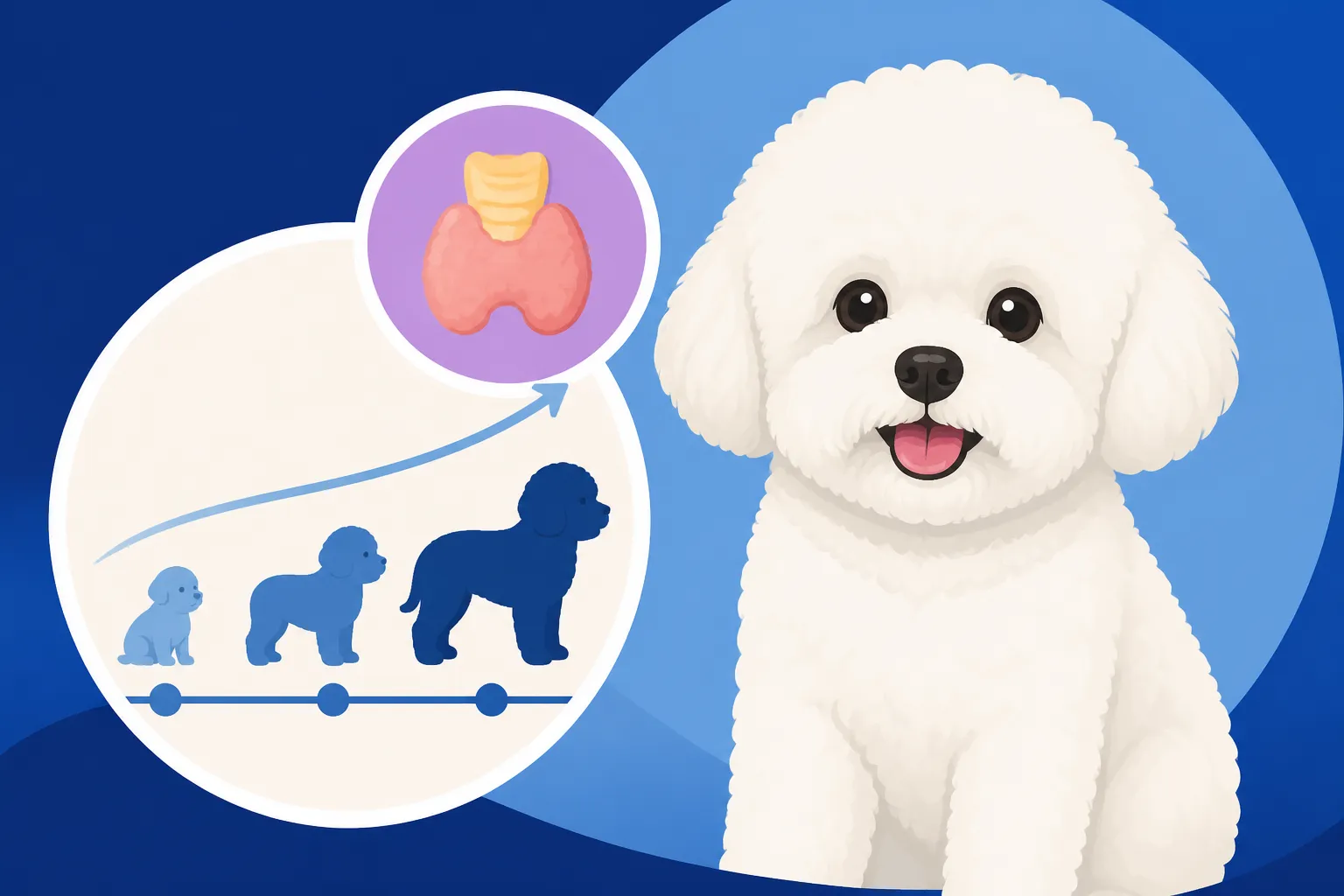
The Age Cushing’s Appears in a Bichon Frise
It's incredibly worrying when your beloved Bichon Frise starts showing changes, especially as they get a little older. That creeping suspicion that something more serious than just "getting on a bit" might be at play can keep you up at night, wondering if those subtle shifts in thirst, appetite, or energy are truly normal. This guide is here to shed light on when Cushing's disease, a tricky and often misunderstood condition, typically begins to manifest in Bichon Frises, helping you understand what to look for and when to act.
Understanding Cushing's Disease in Bichon Frises
Cushing's disease, medically known as hyperadrenocorticism, is one of those conditions that sounds incredibly complex, and in many ways, it is. But at its heart, it's about your dog's body producing too much of a hormone called cortisol. Cortisol is vital for so many bodily functions – managing stress, controlling inflammation, regulating metabolism – but when there's an excess, it throws everything out of whack.
What is Cushing's Disease?
Imagine cortisol as a powerful internal alarm system. It's supposed to help your Bichon Frise cope with everyday stressors, but with Cushing's, that alarm is constantly blaring, even when there's no real danger. Most cases in dogs, particularly in breeds like the Bichon Frise, are what we call "pituitary-dependent." This means there's a small, usually benign, tumor on the pituitary gland at the base of the brain. This tumor overproduces a hormone called ACTH, which then tells the adrenal glands (small glands near the kidneys) to pump out excessive amounts of cortisol. Less commonly, Cushing's can be caused by a tumor directly on one of the adrenal glands itself. The long-term exposure to these high cortisol levels is what leads to the wide array of symptoms you might observe, from changes in their coat to shifts in their energy levels. It’s a systemic issue that impacts nearly every part of your dog's body. To truly grasp the nuances, it's helpful to understand What Pituitary Cushing's Does to a Bichon Frise.
The challenge with Cushing's is that its symptoms often mimic other common ailments or simply the natural process of aging. This makes diagnosis particularly tricky, and it's why vets often need to run several different tests to confirm it. It’s not just one thing; it’s a whole constellation of effects that builds up over time, sometimes so gradually that you barely notice until it’s quite advanced.
Why Bichon Frises Are Susceptible
Unfortunately for us Bichon Frise parents, our fluffy companions are among the breeds statistically predisposed to developing Cushing's disease. While any dog can technically get it, certain breeds seem to have a higher genetic likelihood, and the Bichon Frise is definitely on that list. This predisposition means that if you own a Bichon, it's particularly important to be vigilant about the signs, especially as they enter their golden years. It's believed that genetic factors play a significant role, though the exact genes haven't been pinpointed. This genetic link is a common thread in many breed-specific health concerns, and it highlights the importance of choosing a reputable breeder who screens their dogs for health issues and knows the history of their lines. Understanding their unique health challenges can help you provide better preventative care throughout their life.
This breed susceptibility isn't just about Cushing's; Bichons are known for a few specific health predispositions, making it all the more important to be proactive with their care. The good news is that awareness is key, and knowing that your Bichon is at a higher risk empowers you to monitor them more closely and discuss any concerns with your veterinarian sooner rather than later.
The Typical Onset Age for Cushing's in Bichons
When we talk about the "age" a disease appears, it's rarely a precise date on the calendar. Instead, it's usually a window of time, and with Cushing's in Bichon Frises, that window tends to open when they are firmly in their senior years. This can be frustrating because many of the early signs can easily be dismissed as normal age-related changes.
Common Age Range for Diagnosis
For most Bichon Frises, Cushing's disease typically starts to rear its head in their middle to senior years. We're generally talking about dogs aged seven years and older, with many diagnoses occurring closer to nine or ten years of age, and sometimes even later. It's not common to see a Bichon Frise diagnosed with Cushing's at a very young age, although exceptions do exist. This later onset is precisely what makes it so difficult for owners to initially identify, because at that age, our dogs are naturally slowing down, gaining a little weight, and maybe drinking a bit more. These are often the same subtle shifts that hint at Cushing's. So, if your Bichon Frise is past the age of seven, it's worth being extra mindful of any new or worsening symptoms that might not quite fit the picture of typical aging. You might want to explore articles like Cushing's Disease in a Bichon Frise Past Seven for more specific insights into this age group.
The fact that it’s a condition of older dogs means that veterinarians will often include it on their list of differential diagnoses when an older Bichon presents with a cluster of non-specific symptoms. Early detection, even in the senior years, can make a significant difference in managing the disease and maintaining your dog's quality of life.
Early Signs vs. "Just Getting Old"
This is arguably the most challenging aspect for Bichon Frise owners: distinguishing between genuine signs of Cushing's and the natural march of time. Your heart tells you that your dog is just getting a bit old, but a nagging feeling says it might be something more. Common early signs of Cushing's, such as increased thirst and urination, a pot-bellied appearance, thinning hair, or reduced energy, are also incredibly common as dogs age. It's a cruel overlap that often delays diagnosis. For example, Whether a Cushing's Bichon Frise Drinks Constantly is a key indicator, but many older dogs drink more anyway.
Let's look at some examples:
- Increased Thirst (Polydipsia) and Urination (Polyuria): Many older dogs develop kidney issues or other conditions that cause them to drink and pee more. With Cushing's, this might be more pronounced, almost constant, leading to accidents indoors even in a previously perfectly housetrained dog.
- Pot-Bellied Appearance: As dogs age, their muscle tone can decrease, and they might gain a little weight around the middle. Cushing's causes fat redistribution and muscle wasting, making the belly appear distended and pendulous, even if the rest of the dog isn't particularly overweight. Whether a Pot Belly Means Cushing's in a Bichon Frise offers more detail.
- Thinning Hair/Hair Loss: Older dogs can have changes in their coat quality. With Cushing's, you might see symmetrical hair loss, often starting on the flanks, back, and tail, sometimes described as a "rat tail." The skin might also appear thin and fragile.
- Reduced Energy/Lethargy: An older dog naturally wants to nap more and play less. With Cushing's, the lethargy can be quite profound, and they might seem genuinely weak or uninterested in activities they once loved.
The key is often the combination of these signs and their progression. One symptom alone might not raise a red flag, but several together, especially if they worsen over a few months, should prompt a visit to your vet. Don't dismiss these changes as "just old age" without at least having a conversation with your veterinarian. Being proactive and observing for The Signs of Cushing's in a Bichon Frise can be life-changing.
Here's a quick comparison to help differentiate:
| Symptom | Typical Aging | Early Cushing's Disease |
|---|---|---|
| Thirst/Urination | Mild increase, perhaps occasional accidents | Constant, excessive drinking; frequent, large urination; house-training regressions |
| Belly Appearance | Slight weight gain, reduced muscle tone | Distinctly distended, pendulous abdomen (pot belly) due to fat redistribution and muscle loss |
| Coat/Skin | Minor thinning, greying | Symmetrical hair loss, especially on body/tail; thin, fragile skin; poor wound healing |
| Energy Level | More naps, slower pace | Marked lethargy, reluctance to play or exercise, muscle weakness |
| Appetite | May decrease slightly | Often increased, almost ravenous, constant hunger |
| Panting | Occasional, especially in heat or after exercise | Excessive panting, even at rest or in cool environments |
Factors Influencing Early or Late Onset
While we've established a common age range for Cushing's in Bichons, it's not a hard-and-fast rule. Several factors can influence when, or even if, your individual Bichon Frise develops this condition. Understanding these can help you be more aware and perhaps even take preventative steps where possible.
Genetic Predisposition and Family History
As mentioned, Bichon Frises, as a breed, carry a genetic predisposition to Cushing's. This means that within the breed, certain family lines might have an even higher risk. If you know your Bichon Frise's lineage, and there's a history of Cushing's in their parents or grandparents, your dog's risk could be elevated, potentially leading to an earlier onset or a more aggressive form of the disease. This is why good breeders often track health issues within their lines and are transparent about them. While you can't change genetics, being aware of a strong family history means you can start monitoring your dog for symptoms even earlier than the typical onset age and discuss this concern with your vet during routine check-ups.
This underscores the importance of responsible breeding practices and why it's so valuable to acquire a puppy from a breeder who prioritizes health and screens their breeding stock. Even if they don't screen specifically for Cushing's (as there isn't a direct genetic test for predisposition yet), a comprehensive understanding of the family's health history provides crucial insight.
Environmental and Lifestyle Considerations
Beyond genetics, certain environmental and lifestyle factors might play a role, though their impact is often less clear-cut than genetics. Chronic stress, for instance, can theoretically impact the endocrine system, though its direct link to initiating Cushing's in dogs is not definitively proven. A consistent, high-quality diet is always crucial for overall health and can certainly support your Bichon's immune system and metabolic function, which could indirectly influence how their body copes with various stresses. However, there isn't a specific diet that prevents Cushing's from developing.
Existing health conditions can also complicate things. For example, if your Bichon Frise is already on long-term steroid medication for allergies or other inflammatory conditions, they can develop what's called iatrogenic Cushing's disease, which is caused by external steroid administration rather than an internal hormonal imbalance. In such cases, the "onset age" would coincide with when they started receiving steroid treatment. This is why discussing Whether Allergy Steroids Give a Bichon Frise Cushing's with your vet is so important.
Maintaining a healthy weight, providing regular, appropriate exercise, and minimizing stress can all contribute to a Bichon Frise's general well-being and may help them better withstand the challenges of aging, including conditions like Cushing's. It's about optimizing their overall health picture, giving their body the best chance to function properly.
Navigating Diagnosis and Management at Different Ages
Once you suspect Cushing's, or your vet raises the possibility, the next steps involve a series of diagnostic tests and then, if confirmed, a plan for management. The age of your Bichon Frise will certainly influence some of these decisions, particularly regarding how aggressively to pursue certain treatments.
The Diagnostic Process for Suspected Cushing's
Diagnosing Cushing's is rarely a simple one-and-done test. Because its symptoms overlap with so many other conditions, your vet will likely start with a thorough physical examination and routine blood work and urinalysis. These initial tests can give clues, such as elevated liver enzymes, increased cholesterol, or dilute urine, but they aren't definitive. To confirm Cushing's, more specialized endocrine tests are needed.
The most common tests include the ACTH stimulation test and the low-dose dexamethasone suppression test (LDDST). The ACTH stim test measures how well the adrenal glands respond to a synthetic hormone (ACTH), while the LDDST assesses the body's ability to suppress cortisol production. Sometimes, an abdominal ultrasound is also recommended to visualize the adrenal glands and check for tumors, which can differentiate between pituitary-dependent and adrenal-dependent Cushing's. These tests can be complex, requiring multiple blood draws over several hours, and can be quite taxing for an older dog. Your vet will guide you through the process, explaining How Cushing's Is Diagnosed in a Bichon Frise and what each result means.
It's natural to feel overwhelmed by the battery of tests, especially if your Bichon Frise is already feeling unwell. However, a precise diagnosis is crucial because other conditions, like diabetes or kidney disease, can present similarly, and misdiagnosis would lead to inappropriate and potentially harmful treatment. Having a good pet insurance plan, like one from Healthy Paws, can certainly help ease the financial burden of these extensive diagnostic procedures, which can add up quickly.
Treatment Approaches and Age-Related Concerns
Once Cushing's is confirmed, the treatment plan will be tailored to your Bichon Frise, taking into account their overall health, the specific type of Cushing's (pituitary vs. adrenal), and their age. For pituitary-dependent Cushing's, which is most common, medication is usually the first line of treatment. Drugs like Trilostane are frequently used to inhibit cortisol production by the adrenal glands. This medication is given orally, typically once or twice daily, for the rest of the dog's life. It's not a cure, but rather a management tool to control the symptoms and improve your dog's quality of life.
For older Bichon Frises, the goal of treatment is often to manage symptoms and enhance comfort, rather than aggressively normalize all blood values if it causes undue stress or side effects. Regular monitoring with follow-up ACTH stimulation tests is essential to ensure the medication is working effectively and that cortisol levels aren't dropping too low. The veterinarian will work closely with you to adjust dosages as needed. Whether Cushing's Can Be Treated in a Bichon Frise delves into the various treatment modalities.
If an adrenal tumor is the cause, surgical removal might be an option, but this is a major surgery with significant risks, especially in older dogs. Your vet will discuss the pros and cons thoroughly, considering your Bichon's age and overall health status. Regardless of the treatment path, managing Cushing's is a commitment, both in terms of time and finances. Pet insurance can be a real lifesaver here, as the monthly cost of medication and regular recheck appointments can be substantial over the lifespan of the disease. A reliable insurer like Healthy Paws can help cover a significant portion of these ongoing expenses, allowing you to focus on your Bichon's comfort and well-being. Ultimately, with careful management, many Bichon Frises with Cushing's can still enjoy a good quality of life for an extended period. For insights into long-term care, considering topics like Caring for a Bichon Frise Past Eleven can be very beneficial.
Disclaimer
This article is for general informational purposes only and does not constitute professional advice. Laws, prices and regulations vary by location and change over time. Consult a qualified professional for guidance on your specific situation.