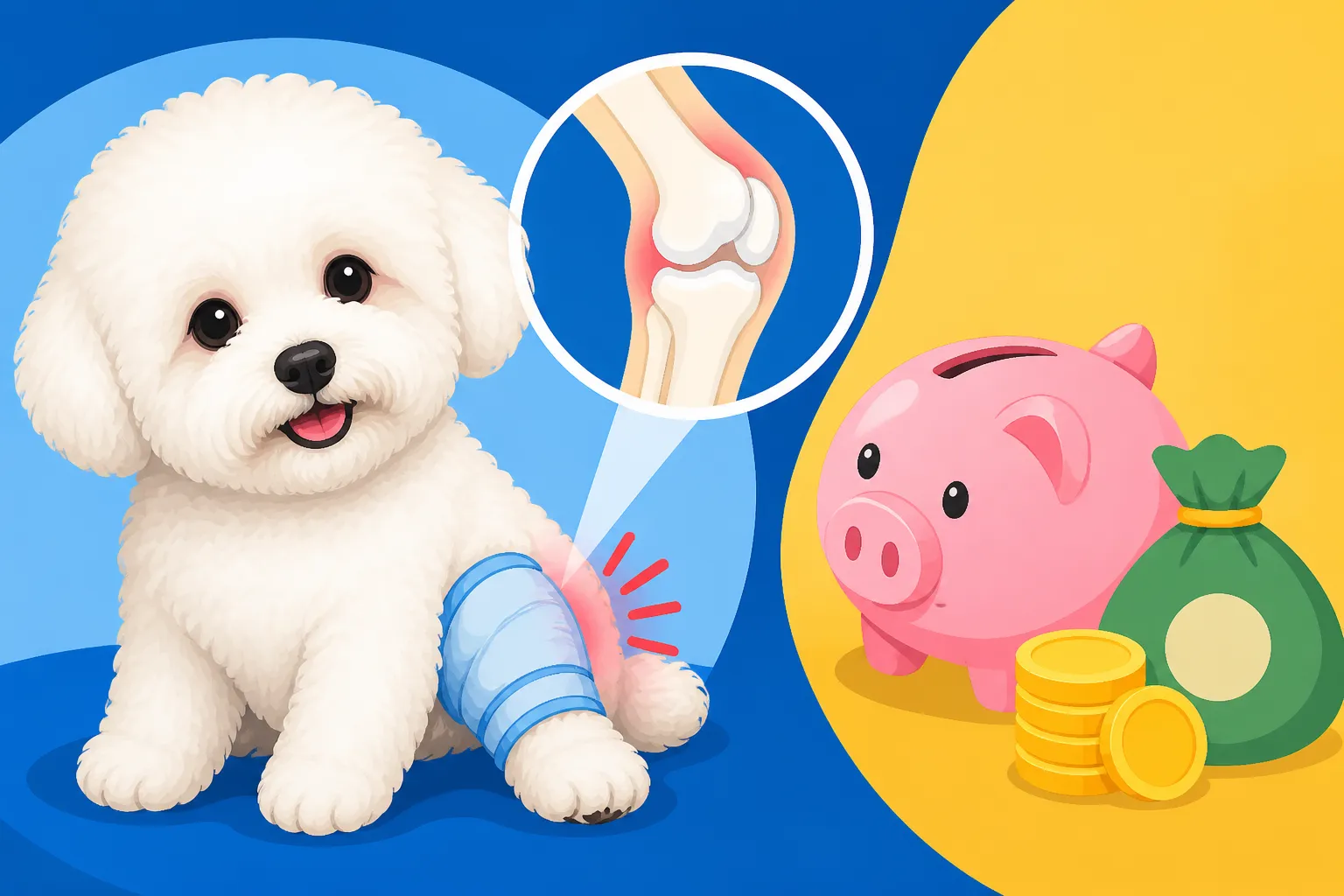
What Knee Surgery Costs on a Bichon Frise
The moment you see your sweet Bichon Frise yelp and hold up a back leg, or notice that tell-tale skip in their step, your heart sinks. The immediate concern is their comfort, but very quickly, the worry about what it might mean – specifically, the potential for knee surgery – and what that could cost starts to weigh heavily. This guide will walk you through the various financial aspects associated with patellar luxation surgery for your beloved Bichon, from diagnosis through recovery, helping you understand the landscape of these significant expenses.
Understanding Luxating Patella in Bichon Frises
It’s an unfortunate reality that many small breeds, including our fluffy Bichon Frises, are predisposed to certain orthopedic conditions. One of the most common, and certainly one that can lead to surgical intervention, is luxating patella, often referred to as a "slipped kneecap." It’s not just a minor inconvenience; it can cause pain, lameness, and if left unaddressed, more serious joint issues down the line.
Why Bichons Are Prone to Knee Issues
Bichon Frises, like many other toy and small breeds such as Chihuahuas, Poodles, and Pomeranians, often inherit anatomical predispositions that make them more susceptible to patellar luxation. Their femoral grooves (the channel where the kneecap sits) can be too shallow, or the attachment points for the quadriceps muscle can be misaligned. This structural quirk means the kneecap (patella) can pop out of place, typically to the inside (medial luxation). This can happen suddenly, causing your dog to momentarily hop on three legs, or it can be a chronic issue that gradually worsens over time. Understanding this genetic component helps explain why it's such a prevalent concern within the breed. A good breeder will screen their breeding stock for this condition, but even with careful breeding, it can still sometimes occur. Owners often ask Whether a Bichon Frise Contract Covers Patellas, and it's a valid question given the breed's predisposition.
Recognizing the Signs Your Bichon Needs Attention
The signs of a luxating patella can vary widely depending on the severity. In mild cases, you might just notice an occasional "skip" or hop every few steps, almost as if your Bichon is trying to shake something off their paw. This is often referred to as The Skip That Means a Bichon Frise's Knee Has Gone. As the condition progresses, or in more severe cases, you might see more consistent lameness, reluctance to bear weight on the affected leg, or even pain. Your dog might cry out when trying to move or jump, or you might notice a change in their activity level, with them becoming less playful or avoiding stairs. It’s crucial not to dismiss these subtle cues, as early intervention can sometimes prevent the condition from escalating. If you suspect any issues, a vet visit is always the best first step.
Diagnosing the Severity: Grading the Patella
When you take your Bichon to the vet with concerns about their knee, the veterinarian will perform a thorough orthopedic examination. They will manipulate the knee joint to assess how easily the patella moves in and out of its groove. Based on this examination, the luxating patella will be assigned a grade, usually from 1 to 4. A Grade 1 luxation might mean the patella slips out easily but also slips back into place just as easily, perhaps only requiring observation or conservative management. A Grade 4, however, means the patella is permanently displaced and cannot be manually reduced, often indicating severe anatomical deformities and significant lameness. Grading a Bichon Frise's Luxating Patella is a critical step because the grade heavily influences the recommended course of action, and whether surgery is deemed necessary. X-rays are also often taken to evaluate the bone structure and rule out other issues, providing a comprehensive view of the joint.
Deconstructing the Costs of Bichon Frise Knee Surgery
Once a luxating patella is diagnosed and deemed severe enough to warrant surgery – often Grades 2 and above, or Grade 1 if persistent pain is present – the discussion turns to the financial commitment involved. It's not just the surgical procedure itself; there are several phases of care, each with its own associated costs.
Pre-Surgical Diagnostics: What to Expect
Before your Bichon Frise can undergo knee surgery, a series of diagnostic tests are usually required to ensure they are a good candidate for anesthesia and to get a complete picture of their overall health. This typically includes blood work (a complete blood count and chemistry panel) to check organ function and red/white blood cell levels. A urinalysis might also be done. These tests are essential to identify any underlying health issues that could complicate surgery or recovery. The vet might also recommend additional X-rays to get more detailed images of the knee and surrounding structures, or even a consultation with a veterinary orthopedic specialist, especially if the case is complex. These initial diagnostic steps, while necessary, do add to the total cost before the surgery even begins.
The Surgical Procedure Itself
The core of the expense is the surgery to stabilize the kneecap. There are several surgical techniques, often used in combination, to correct a luxating patella. These can include deepening the trochlear groove (sulcoplasty), moving the tibial crest (tibial crest transposition), or tightening/loosening joint capsules to better align the patella. The exact procedure, or combination of procedures, will depend on your Bichon's specific anatomy and the severity of their luxation. The cost will encompass not only the surgeon's fees but also the anesthesia, monitoring during surgery, pain medications administered at the clinic, and the supplies used. If a board-certified orthopedic surgeon performs the operation, their specialized expertise will reflect in the cost. This is usually the largest single component of the overall expense. Many owners wonder Whether a Bichon Frise's Kneecap Needs Surgery at all, but for higher grades, it's often the best path to long-term mobility and comfort.
Post-Operative Care and Rehabilitation Expenses
The journey doesn't end when your Bichon Frise comes home from surgery. Post-operative care is crucial for a successful recovery and preventing complications. This phase involves a combination of medications, restricted activity, and often physical rehabilitation. You'll likely need to purchase pain medication, anti-inflammatories, and possibly antibiotics for your Bichon. A protective cone (Elizabethan collar) is almost certainly required to prevent them from licking the incision site, which can lead to infection. Follow-up appointments with your vet are essential to check incision healing and remove sutures. Physical therapy, which can range from specific at-home exercises you perform to professional sessions with a certified canine rehabilitation therapist, is highly recommended to regain strength, mobility, and proper muscle function. Some pet owners find supplies like ramps or orthopedic beds, available from retailers like Chewy, helpful during this recovery period. All these elements contribute significantly to the total cost.
Navigating the Financial Impact and Support Options
Facing the news that your Bichon Frise needs knee surgery can be overwhelming, not just emotionally but financially. These procedures are complex, and the associated costs can be substantial. However, there are various ways to approach and manage these expenses.
Pet Insurance: A Lifeline for Unexpected Costs
For many pet parents, pet insurance can be a financial lifesaver when unexpected health issues like luxating patella arise. If you enrolled your Bichon Frise in a policy before the condition was diagnosed, it's highly likely that a significant portion of the surgical and post-operative costs would be covered, depending on your deductible, reimbursement percentage, and annual limits. Companies like Healthy Paws offer comprehensive accident and illness plans that typically cover these types of surgeries. However, it's critical to understand that luxating patella, like many orthopedic conditions, is often considered a pre-existing condition if signs were present or diagnosed before policy enrollment or the waiting period expired. This means if you buy a policy after your dog is already showing symptoms, it may not be covered. Always check the specifics of any policy regarding orthopedic conditions and waiting periods. What Insuring a Bichon Frise Runs Monthly gives a good overview of general insurance costs.
Alternative Funding and Cost-Saving Strategies
If pet insurance isn't an option or doesn't cover the full cost, there are other avenues to explore. Many veterinary clinics offer payment plans or work with third-party financing options like CareCredit, which can break down the total cost into more manageable monthly payments. Some veterinary schools or teaching hospitals might offer procedures at a slightly reduced rate compared to private specialty clinics, though they typically require a referral. You could also look into veterinary assistance programs or charities, although these often have strict eligibility requirements and limited funds. Saving money on certain aspects, like preparing a tailored, vet-approved homemade diet for recovery (perhaps with guidance from services like Ollie if your vet approves), might offer minor savings but always consult your vet for nutritional advice, especially post-surgery. Ultimately, proactive financial planning, like setting aside an emergency fund, can alleviate much of the stress when these situations arise.
Considering the Long-Term Financial Picture
It's important to look beyond the immediate surgical expense. A Bichon Frise who has undergone knee surgery will likely require ongoing care, which adds to the long-term financial picture. This might include continued joint supplements (you can find various options at Chewy), regular veterinary check-ups to monitor the knee's stability and overall joint health, and potentially adjustments to their exercise routine to prevent re-injury or arthritis. While the surgery aims for a lasting fix, some dogs may develop arthritis in the affected joint over time, necessitating medications or other treatments. The goal of surgery is to improve quality of life and prevent further degeneration, which in itself is a valuable long-term investment. Consider What a Bichon Frise's Yearly Vet Bill Looks Like to understand the broader context of ongoing care costs.
When One Knee Isn't the Only Concern
Unfortunately, for Bichon Frises with a genetic predisposition to luxating patella, it's not uncommon for the condition to affect both knees. This possibility is a significant factor in financial planning and often something owners worry about once the first knee is addressed.
The Likelihood of Bilateral Patellar Luxation
Many Bichon Frises who experience patellar luxation in one knee will eventually develop it in the other, or already have a lower-grade luxation present in the "good" leg. This is due to the inherent anatomical predisposition of the breed. If your dog has surgery on one knee, it's wise to consider the possibility that the other knee might require intervention in the future. Your vet will usually examine both knees during the initial consultation and provide an assessment. Even if one knee is a lower grade, the increased strain placed on it during recovery from the first surgery can sometimes exacerbate the condition. Understanding Whether Both of a Bichon Frise's Knees Go is crucial for setting realistic expectations and planning financially.
Planning for Potential Second Surgeries
If your Bichon Frise eventually needs a second knee surgery, the costs involved will generally be similar to the first. This means doubling the surgical fees, diagnostic costs, and post-operative care expenses. While daunting, having gone through the process once can make the second time feel a little less overwhelming, as you'll know what to expect. Many pet insurance policies, such as those from Healthy Paws, will typically cover subsequent surgeries for the other knee as long as that knee did not show signs of luxation or wasn't diagnosed before policy enrollment and waiting periods were met. However, if the "second" knee was already showing signs when the policy was taken out, it would likely be considered a pre-existing condition for that specific knee, even if the first one was covered. It's an important detail to discuss with your insurance provider. When considering annual limits on insurance, ensure Whether an Annual Limit Is Enough for a Bichon Frise to cover multiple high-cost procedures if needed.
| Cost Category | Description | Typical Components |
|---|---|---|
| Pre-Surgical | Initial assessment, diagnostics to prepare for surgery | Vet consultation, orthopedic exam, X-rays, blood tests (CBC, chemistry), urinalysis, specialist referral (optional) |
| Surgical Procedure | The operation itself to correct the luxating patella | Surgeon's fee, anesthesia, surgical supplies, operating room use, pain management during stay, hospital stay (if overnight) |
| Post-Operative Care | Medications, follow-ups, and rehabilitation after surgery | Pain medication, anti-inflammatories, antibiotics, Elizabethan collar, suture removal visits, physical therapy sessions (optional but recommended), supplements |
| Long-Term Management | Ongoing care to maintain joint health and prevent recurrence | Regular vet check-ups, joint supplements (e.g., glucosamine, chondroitin), prescription diets, activity modifications |
Disclaimer
This article is for general informational purposes only and does not constitute professional advice. Laws, prices and regulations vary by location and change over time. Consult a qualified professional for guidance on your specific situation.