Whether Both of a Bichon Frise’s Knees Go
It's a common worry for Bichon Frise parents: once you hear that tell-tale skip or see a little lameness, the immediate thought is often about one knee, but then a deeper concern settles in – what if it happens to both? Dealing with one luxating patella is challenging enough, so understanding the realities of whether both of a Bichon Frise's knees can be affected is crucial for their well-being and your peace of mind. This guide aims to shed light on this very real possibility.
Understanding Patellar Luxation in Bichon Frises
Patellar luxation, or "slipping kneecap," is a surprisingly common orthopedic issue in many small breeds, and our beloved Bichon Frises are certainly on that list. It happens when the patella (kneecap) dislocates or moves out of its normal groove in the thigh bone (femur). When it slips, it can cause pain, lameness, and that distinctive "skip" that so many Bichon owners become all too familiar with. This condition isn't just a minor inconvenience; it can lead to further joint damage and arthritis over time if left unaddressed.
What Exactly is Patellar Luxation?
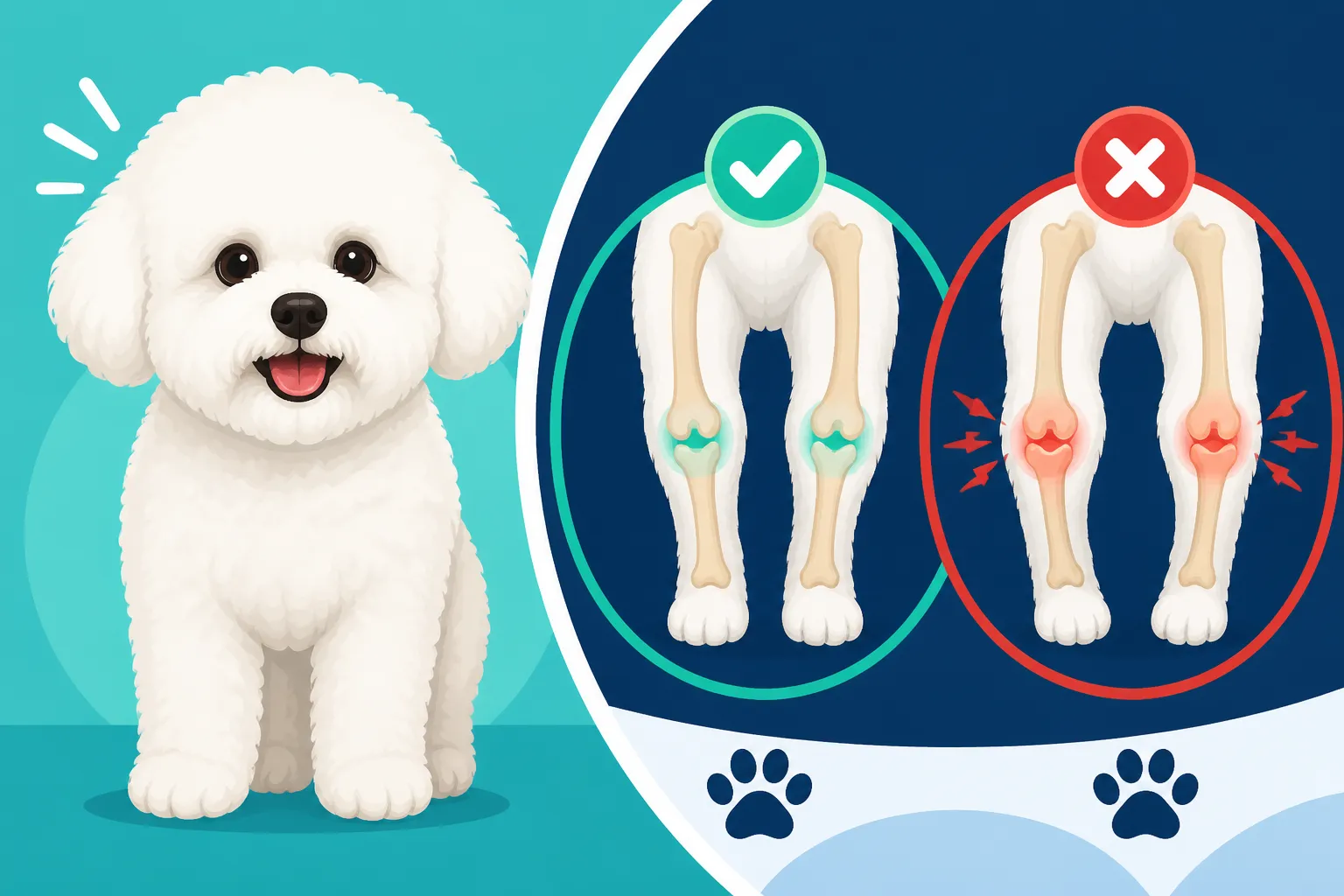
Think of your own kneecap; it sits in a shallow groove at the end of your thigh bone and is held in place by ligaments and tendons, allowing it to glide smoothly as you bend and straighten your leg. In a Bichon Frise with patellar luxation, this groove might be too shallow, or the surrounding structures might not be properly aligned. Because of these anatomical quirks, often inherited, the kneecap can pop out either to the inside (medial luxation, which is most common in small breeds like Bichons) or, less frequently, to the outside (lateral luxation). When the patella is out of place, the leg can’t fully extend, leading to that characteristic sudden lameness. After a moment, the kneecap might slip back into place on its own, and your Bichon will act as if nothing happened – until the next skip.
Why Bichons Are Prone to Knee Issues
Bichon Frises, unfortunately, inherit certain conformational traits that predispose them to patellar luxation. These include a shallower femoral groove, abnormalities in the angle of the thigh bone, and ligament laxity. It’s not just bad luck; it’s often written into their genetic code. This means that if a parent dog has patellar luxation, there's a higher chance their offspring will too. This is why reputable breeders make a point of screening their breeding dogs for orthopedic issues. Knowing the genetic component helps us understand why we see this condition so frequently in the breed and why, sadly, it often affects both knees. Many owners describe noticing The Skip That Means a Bichon Frise's Knee Has Gone early on in their dog's life, sometimes as young as a few months old, or it can develop later as they age and put more wear and tear on their joints.
The Reality of Bilateral Patellar Luxation
When we talk about whether both of a Bichon Frise's knees go, the short and often disheartening answer is a resounding "yes." It's not just possible, but quite common for patellar luxation to affect both hind limbs in predisposed breeds like the Bichon Frise. This is known as bilateral patellar luxation, and it adds another layer of complexity to diagnosis, treatment, and long-term management.
Is Bilateral Luxation Common in Bichons?
Absolutely. Because the underlying anatomical predispositions are often genetic, it's highly probable that if one knee is affected, the other will also show signs of luxation, or at least have the same structural abnormalities that make it prone to slipping. Studies and anecdotal evidence from veterinary clinics across the country confirm that bilateral patellar luxation is a frequent diagnosis in Bichons. It's not unusual for a veterinarian to discover issues in both knees during an examination, even if only one leg is showing obvious clinical signs initially. This is why your vet will always examine both knees thoroughly, even if you only bring your Bichon in for a problem with one. They're looking for Grading a Bichon Frise's Luxating Patella in both limbs.
How Bilateral Differs from Unilateral Luxation
While the mechanism of luxation is the same, bilateral involvement presents a different set of challenges. With a unilateral (one-sided) luxation, your Bichon can often compensate fairly well with their "good" leg, especially if the luxation is not severe. This compensation, however, can put extra strain on the healthy knee, potentially accelerating the development or worsening of luxation in that limb.
When both knees are affected, the dog has no truly "good" leg to rely on. This often leads to a more pronounced and continuous lameness, a "crouched" or "bow-legged" stance (especially with medial luxation), and a significant impact on their quality of life. They might be less willing to play, jump, or even walk comfortably. The diagnosis itself can sometimes be trickier with bilateral luxation because there isn't a clear "bad leg" to point to; the gait might appear generally abnormal rather than clearly favoring one side. It’s crucial that if your vet suggests that Whether a Bichon Frise's Kneecap Needs Surgery, they also assess the other knee to give you a complete picture.
Factors Influencing Bilateral Luxation
Understanding why bilateral patellar luxation occurs in Bichon Frises goes beyond just "bad luck." Several factors play a role, from their inherent genetic makeup to aspects of their physical structure and even their daily environment.
The Strong Genetic Link
For Bichon Frises, genetics are undeniably the primary driver behind patellar luxation, especially when both knees are involved. The condition is considered polygenic, meaning multiple genes contribute to its development. These genes influence the conformation of the stifle (knee) joint, including the depth of the trochlear groove (where the kneecap sits), the alignment of the tibia (shin bone) and femur (thigh bone), and the strength of the ligaments. If a Bichon inherits the genetic predisposition for these structural anomalies, it's highly likely that both hind limbs will develop luxation, even if one presents symptoms before the other. This inherited component highlights the critical importance of responsible breeding practices and health screening for all parent dogs. Breeders should always screen for The Health Tests Both Bichon Frise Parents Should Have, which often includes patellar evaluation.
Breed-Specific Conformation
Beyond just genetics, the physical conformation typical of Bichon Frises can exacerbate the risk. Their small size, often slightly bowed legs, and the general structure of their hindquarters can place abnormal stresses on the knee joint. For instance, a shallow trochlear groove—a common feature in many toy breeds—provides less stability for the patella, making it easier for it to slip out. Combine this with any rotational abnormalities in the leg bones, and you have a recipe for bilateral luxation. This isn't to say all Bichons will have knee problems, but their breed standard does encompass traits that unfortunately make them more vulnerable.
Environmental Factors and Lifestyle
While genetics and conformation lay the groundwork for patellar luxation, environmental factors and lifestyle choices can certainly influence the severity and progression of the condition, even in genetically predisposed dogs with bilateral issues.
- Weight Management: Keeping your Bichon at a healthy weight is paramount. Excess weight puts additional strain on all joints, including the knees, which can worsen luxation or accelerate the onset of arthritis. Every extra pound on a small dog like a Bichon is equivalent to many pounds on a larger breed.
- Impactful Activities: While Bichons are playful, excessive jumping (especially off high furniture) or sudden twists and turns on slippery floors can put undue stress on compromised knees. Consider using ramps or steps for furniture access and ensuring good traction on flooring. Preventing situations where Whether a Bichon Frise Should Jump Off Furniture and Whether Slippery Floors Hurt a Bichon Frise can make a difference.
- Appropriate Exercise: Regular, moderate exercise is important for maintaining muscle tone, which helps support the knee joint. However, avoid high-impact activities or prolonged strenuous exercise that could aggravate an already unstable knee. A balanced routine is key.
- Nutrition: A well-balanced diet supports overall joint health. While diet cannot prevent a genetically predisposed luxation, good nutrition, potentially supplemented with joint support ingredients like glucosamine and chondroitin, can help manage symptoms and slow progression. Some owners find Whether Joint Supplements Help a Bichon Frise to be a useful conversation to have with their vet.
Diagnosing and Managing Bilateral Patellar Luxation
Receiving a diagnosis of bilateral patellar luxation can feel overwhelming, but thankfully, there are clear steps for diagnosis and various management strategies to ensure your Bichon Frise lives as comfortably and happily as possible. The approach often needs to be tailored, especially when both knees are involved.
The Diagnostic Process
Diagnosing patellar luxation in one or both knees typically involves a thorough physical examination by your veterinarian. They will manually manipulate your Bichon's kneecap to see if it can be easily moved out of its groove. During this process, they'll assess:
- Palpation: Gently feeling the knee joint for instability.
- Range of Motion: Checking how freely the knee can bend and extend.
- Luxation Grade: Based on how easily the patella moves and stays out of place, the vet will assign a grade from 1 to 4. Grade 1 is intermittent slipping with minimal clinical signs, while Grade 4 means the patella is permanently luxated. For bilateral cases, each knee will receive its own grade.
- Gait Analysis: Observing your Bichon's movement for any skips, lameness, or abnormal posture.
X-rays are often recommended to get a clearer picture of the skeletal structure, assess the depth of the trochlear groove, identify any bone deformities, and look for signs of arthritis. While X-rays don't directly show the kneecap moving, they provide crucial information about the bony architecture that contributes to luxation.
Treatment Options: Conservative vs. Surgical
The decision between conservative management and surgical correction depends heavily on the severity of the luxation (the grade), the presence of clinical signs, and whether one or both knees are affected.
Conservative Management
For mild cases, typically Grade 1 or sometimes Grade 2, especially if your Bichon is not showing significant pain or lameness, conservative management might be recommended. This includes:
- Weight Control: Absolutely critical to minimize stress on the joints.
- Controlled Exercise: Keeping muscles strong to help stabilize the joint, but avoiding high-impact activities.
- Anti-inflammatory Medications: For pain relief during flare-ups.
- Joint Supplements: Glucosamine, chondroitin, and omega-3 fatty acids can support joint health and reduce inflammation.
- Physical Therapy: Gentle exercises to build muscle strength and improve range of motion.
Surgical Correction
For higher-grade luxations (Grade 2 with significant symptoms, Grade 3, or Grade 4), or if conservative management isn't providing adequate relief, surgery is often the most effective option. The goal of surgery is to realign the patella and ensure it stays within its groove. Common surgical techniques include:
- Trochlear Wedge or Block Resection: Deepening the groove in the femur where the kneecap sits.
- Tibial Tuberosity Transposition: Moving the attachment point of the patellar ligament on the tibia to improve alignment.
- Fascial Release/Capsular Overlap: Tightening or releasing soft tissues around the joint to help keep the patella in place.
When both knees require surgery, veterinarians usually recommend staggering the procedures, operating on one knee at a time. This allows your Bichon to recover and regain some function in the first leg before undergoing surgery on the second, typically 6-8 weeks later. Recovering from bilateral knee surgery is a significant undertaking for both dog and owner, requiring dedicated post-operative care, rest, and rehabilitation. It's a journey that can take several months, and having a good pet insurance plan like Healthy Paws can be a lifesaver for managing the considerable costs of these procedures and subsequent physical therapy.
Long-Term Management and Prognosis
After diagnosis and potential treatment, managing bilateral patellar luxation becomes a long-term commitment. Your Bichon Frise’s quality of life depends on consistent care, regular veterinary check-ups, and proactive strategies to minimize future complications.
Living with Bilateral Patellar Luxation
Even with successful surgery, it's important to understand that no knee will ever be "perfect." The goal is to restore as much normal function as possible and prevent the progression of arthritis. For dogs managed conservatively, the focus is on pain control and maintaining mobility.
Long-term care for bilateral luxation often involves:
- Continued Weight Management: This cannot be stressed enough. A lean body mass reduces stress on surgically repaired or conservatively managed joints.
- Appropriate Exercise Regimen: Regular, low-impact exercise like controlled leash walks helps maintain muscle strength without overstressing the joints. Avoid activities that involve sharp turns, high jumps, or sudden stops.
- Joint Supplements: Many vets recommend continuing joint supplements like glucosamine, chondroitin, and fish oil (omega-3 fatty acids) indefinitely to support cartilage health and reduce inflammation.
- Regular Veterinary Check-ups: These are crucial to monitor for signs of arthritis, assess joint stability, and adjust medications or management strategies as needed. Your vet might recommend yearly X-rays to track joint changes, especially as your Bichon ages.
- Environmental Modifications: Non-slip mats or carpets on hard floors can prevent slips and falls that might re-injure a knee. Ramps for beds and couches can help prevent high-impact jumps.
- Pain Management: As dogs age, arthritis is a common sequela of patellar luxation. Your vet may prescribe NSAIDs (non-steroidal anti-inflammatory drugs) or other pain relievers to manage discomfort. Newer therapies like therapeutic laser, acupuncture, or even regenerative medicine might also be explored.
The Role of Pet Insurance and Financial Planning
Managing bilateral patellar luxation, especially if surgery is required for both knees, can involve significant financial costs. Surgical fees, post-operative medications, physical therapy, and ongoing joint supplements can quickly add up. This is where pet insurance can truly make a difference. Many pet insurance providers, including reputable options like Healthy Paws, offer coverage for orthopedic conditions, though it's vital to enroll your Bichon before any signs of luxation appear, as pre-existing conditions are typically not covered. If your Bichon already has a diagnosis, future care for that specific condition might be excluded, but it's always worth checking policy details. Even if luxation is deemed pre-existing, insurance can still cover unrelated illnesses or accidents. Proactive financial planning, whether through insurance or a dedicated savings fund, is a responsible step for any Bichon Frise owner. Knowing What Knee Surgery Costs on a Bichon Frise will help you budget.
Prognosis and Quality of Life
The prognosis for Bichon Frises with bilateral patellar luxation, particularly with appropriate surgical intervention and diligent post-operative care, is generally good. Most dogs regain excellent function and lead full, active lives. Without treatment, especially for higher-grade luxations, the prognosis is less favorable, with chronic pain, lameness, and severe arthritis likely to develop, significantly impacting their quality of life.
The key to a good outcome lies in early diagnosis, a thorough understanding of the condition, and a commitment to long-term management in partnership with your veterinarian. Your Bichon Frise might have had a challenging start with their knees, but with your love and dedicated care, they can still enjoy many happy, comfortable years.
| Aspect | Unilateral Patellar Luxation | Bilateral Patellar Luxation |
|---|---|---|
| Definition | Affects one hind limb (one knee) | Affects both hind limbs (both knees) |
| Clinical Signs | Intermittent skipping, favoring one leg, occasional lameness | More constant lameness, "bunny hopping," crouched or bow-legged stance, reluctance to move |
| Compensation | Dog can often lean on the "good" leg, potentially straining it | No "good" leg to rely on, leading to more profound mobility issues |
| Diagnosis | Clear lameness in one leg, palpation confirms luxation in one knee | General abnormal gait, palpation confirms luxation in both knees |
| Surgical Approach | One surgery, shorter overall recovery period | Often staggered surgeries (one knee at a time), longer overall recovery and rehabilitation |
| Post-Operative Care | Focused on recovery of one limb; potential for compensatory issues on the other | More intensive and prolonged, ensuring recovery of both limbs; higher risk of post-op challenges |
| Long-Term Outlook | Generally excellent if treated; risk of luxation in the other knee over time | Generally good if treated; higher ongoing management needs for two affected joints |
| Cost Implications | Significant for one surgery; manageable for ongoing care | Substantially higher due to potential for two surgeries and more intensive long-term management |
Disclaimer
The information provided in this article is for general informational purposes only and does not constitute veterinary advice. Always consult with a qualified veterinarian for any health concerns or before making any decisions about your Bichon Frise's medical care.