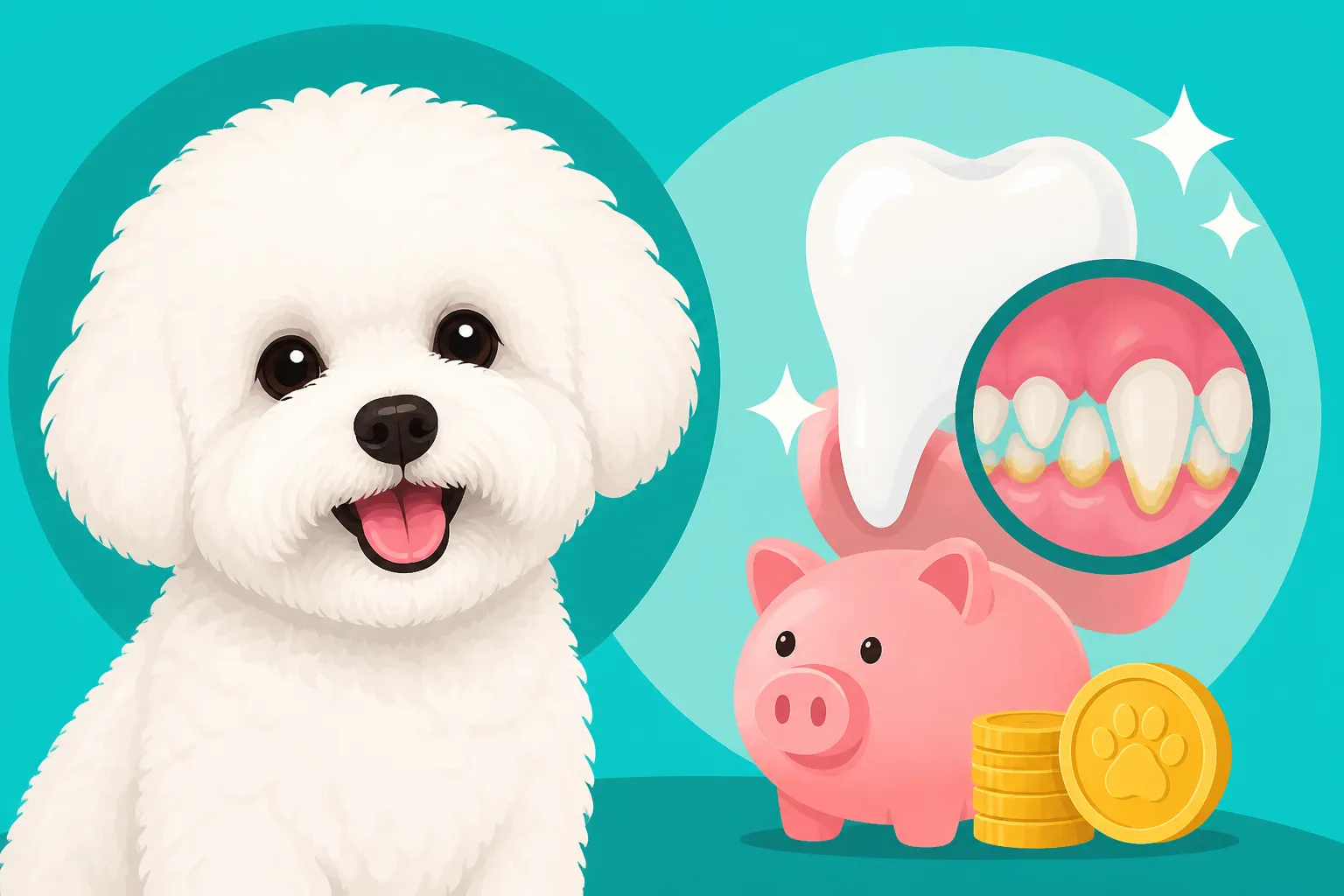
What a Bichon Frise’s Dental Costs
One of the silent worries many Bichon Frise owners face is the potential for dental problems. These adorable, fluffy companions are, unfortunately, prone to a host of oral health issues, which can quickly lead to pain, infection, and some truly eye-watering vet bills. This guide will walk you through what to expect when it comes to the cost of keeping your Bichon Frise's pearly whites healthy, from routine cleanings to emergency surgeries, helping you prepare for these essential expenses.
The Unseen Threat: Why Dental Disease Plagues Our Bichons
It’s easy to overlook dental care when your Bichon Frise is busy charming everyone with their playful antics, but ignoring their teeth can have serious consequences, both for their health and your wallet. Small breeds, in particular, seem to draw the short straw when it comes to oral health, and our beloved Bichons are no exception.
Tiny Mouths, Big Problems: The Bichon Frise Predisposition
If you've ever looked closely at your Bichon's mouth, you might notice something: they have a lot of teeth packed into a very small space. This crowding is a common issue in small breeds and is a primary reason why they're so susceptible to dental disease. When teeth are crammed together, food particles and bacteria have more nooks and crannies to hide in, making it incredibly difficult for your dog's natural defenses and even daily brushing to keep plaque at bay. This plaque quickly hardens into tartar, a rough, calcified deposit that irritates the gums. Think of it like trying to clean a tightly packed bookshelf – some areas just don't get the same attention.
Beyond the crowding, there's a genetic component at play. Just like some people are more prone to cavities, some Bichon Frises inherit a predisposition to developing dental disease earlier and more severely than others. This isn't a reflection of your care; it's simply a biological reality for many of these delightful dogs. Without regular, proactive intervention, it's almost inevitable that plaque and tartar will build up, setting the stage for more serious problems. This is why addressing Dental Disease in a Bichon Frise early and consistently is so critical.
Beyond Bad Breath: The Systemic Health Risks of Poor Dental Hygiene
Many owners might think that bad breath is the worst of it when it comes to their dog's teeth. While "doggy breath" is certainly unpleasant, it's often a sign of underlying infection and inflammation, a red flag waving furiously. If left unchecked, that gum irritation, known as gingivitis, progresses to periodontal disease. This is where the real trouble begins. Periodontal disease attacks the tissues and bone supporting the teeth, leading to painful infections, loose teeth, and eventually, tooth loss. Imagine having a constant toothache that never goes away, impacting every meal and every moment.
But the danger doesn't stop in the mouth. The bacteria thriving in those infected gums can enter your Bichon's bloodstream and travel to other organs. This puts them at an increased risk for more severe health problems, including heart disease, kidney issues, and liver damage. It's a sobering thought that a seemingly minor issue like neglected teeth can contribute to systemic illnesses that can shorten your dog's life and drastically reduce their quality of life. For instance, severe dental infection can even exacerbate conditions like Whether a Bichon Frise Gets a Heart Murmur. So, while the immediate costs of dental care might seem daunting, they pale in comparison to the potential expenses and heartache of treating major organ disease later on, not to mention the pain your beloved companion might endure.
The Price of Prevention: Understanding Routine Dental Care Costs
When it comes to your Bichon Frise's dental health, proactive prevention is always the most humane and, in the long run, the most cost-effective approach. Investing in routine care now can save you significant money and stress down the line.
The Gold Standard: Professional Dental Cleanings Under Anesthesia
There's no getting around it: for a thorough and safe dental cleaning, your Bichon Frise needs to be under general anesthesia. I know, the word "anesthesia" can sound scary, and the cost associated with it can be a real hurdle for many pet parents. However, it's absolutely non-negotiable for a proper cleaning. Your vet needs to be able to meticulously examine every tooth, probe for pockets under the gum line, scale away tartar both above and below the gums, and polish the tooth surfaces to make them less hospitable for future plaque. Doing this on an awake, squirming dog is simply impossible, and attempting to do so could cause trauma or severe distress.
The cost of a professional dental cleaning typically includes a comprehensive oral exam, pre-anesthetic bloodwork (which is crucial to ensure your Bichon is healthy enough for anesthesia and to tailor the anesthetic protocol safely), the anesthesia itself, intravenous fluids to maintain blood pressure and hydration, scaling and polishing, and often, dental X-rays. These X-rays are vital because much of dental disease happens below the gum line, invisible to the naked eye. Without X-rays, your vet is only seeing the tip of the iceberg. Factors like your geographic location, the specific veterinary clinic (a specialty dental vet might charge more than a general practice), and the overall health status of your Bichon will all influence the final bill. Older Bichons or those with pre-existing conditions might require more extensive monitoring during anesthesia, which can add to the cost. It's also worth remembering that Whether Anesthesia Is Riskier on a Small Bichon Frise is a valid concern, making proper pre-screening and monitoring even more essential, and thus, part of the overall cost. You should discuss all these components with your vet to understand the estimate fully.
Your Daily Investment: At-Home Dental Care Essentials
While professional cleanings are the cornerstone of good oral health, what you do at home, every single day, makes a huge difference. Think of it like your own teeth – you brush daily, but you still need professional cleanings. The good news is that at-home care, while requiring consistency, is far less expensive than veterinary procedures. The most effective method is daily tooth brushing. Yes, daily! This involves using a dog-specific toothbrush and enzymatic toothpaste (never human toothpaste, which contains ingredients toxic to dogs). You can find a wide range of these products on platforms like Chewy, offering convenience and variety.
Beyond brushing, there are other supportive measures. Dental chews and treats can help scrape away some plaque, though they are rarely a substitute for brushing. Look for products that have a veterinary dental health seal of approval. Water additives are another option; these typically contain enzymes or antiseptics designed to reduce bacteria in the mouth. While these home care items are a recurring expense, they are a small investment compared to the potential cost of advanced dental treatments. Getting your Bichon accustomed to daily brushing from a young age is ideal, and understanding Whether a Bichon Frise Needs Its Teeth Brushed Daily is key to preventing bigger issues. Consistent at-home care can extend the time between professional cleanings and prevent the development of severe disease, saving you money in the long run.
When Trouble Strikes: The Escalating Costs of Advanced Dental Work
Sometimes, despite our best efforts with at-home care and routine cleanings, a Bichon Frise might develop more serious dental problems. When this happens, the costs can unfortunately escalate significantly.
Surgical Interventions: Extractions, X-Rays, and Specialized Procedures
If periodontal disease progresses, teeth may become loose, infected, or severely damaged. At this point, extraction (removal) is often the only humane option. Extracting a dog's tooth is not as simple as pulling a human tooth. It's a surgical procedure performed under general anesthesia, and the complexity varies greatly depending on the tooth. Incisors are relatively straightforward, but multi-rooted molars often require surgical techniques, including gum flaps, bone removal, and sutures. Each extraction adds time to the anesthetic procedure and incurs additional costs.
Dental X-rays are especially critical during advanced dental work. They allow the vet to visualize the tooth roots, identify abscesses, assess bone loss, and ensure no root fragments are left behind after an extraction. This detailed imaging is often performed during the same anesthetic event as the cleaning and extractions. The overall cost will reflect the number of teeth extracted, the difficulty of the extractions, the need for advanced pain management post-operatively, and any specialized equipment or expertise required. If your Bichon needs root canal therapy or other advanced periodontal surgeries, these would likely be referred to a veterinary dental specialist, further increasing the cost due to their specialized training and equipment. It's a stark reminder that while the initial routine cleaning has a cost, the reactive treatment for advanced disease is often many times more. When you consider How Often a Bichon Frise's Teeth Need Scaling, you realize that regular, consistent care helps avoid these more invasive and costly procedures.
The Emergency Room Bill: Unexpected Dental Crises
Dental problems aren't always a slow, insidious creep. Sometimes, they can manifest as sudden, painful emergencies that require immediate veterinary attention. Imagine your Bichon suddenly crying out when eating, drooling excessively, or showing facial swelling. These could be signs of a fractured tooth, a severe tooth root abscess, or an acute infection that needs urgent care. These situations often mean a trip to an emergency veterinary clinic, where after-hours or emergency fees can substantially increase the bill.
A fractured tooth, for example, can expose the pulp chamber, leading to intense pain and a direct pathway for bacteria into the jawbone. An abscess, which is a pocket of pus, can form at the root of a tooth and cause severe swelling and discomfort, potentially even rupturing and creating a draining tract on your dog's face. Treating these emergencies involves diagnostics (often requiring immediate X-rays), pain relief, antibiotics, and usually, surgical intervention like extraction or root canal, all performed under urgent conditions. The immediate need for care, coupled with the specialized equipment and staffing of an emergency clinic, makes these bills notoriously higher than scheduled procedures. This is similar to the financial impact of any sudden health crisis, like What a Bichon Frise's Emergency Blockage Costs (though that refers to urinary blockage, the principle of unexpected, high-cost emergency care holds true across various health issues). Being prepared for such eventualities, both emotionally and financially, is part of being a responsible pet parent to a breed prone to dental issues.
Navigating the Financial Landscape: Budgeting and Insurance for Bichon Dental Health
Understanding the potential costs associated with your Bichon Frise's dental care is the first step toward managing them. The next step is to put strategies in place to budget effectively and explore options like pet insurance.
Pet Insurance: A Safety Net for Dental Surprises
Pet insurance can be a real game-changer when it comes to managing unexpected veterinary costs, and dental care is often a significant component. Many comprehensive pet insurance policies, such as those offered by Healthy Paws, cover dental illnesses and injuries, provided they are not pre-existing conditions. This means if your Bichon develops a fractured tooth or needs extractions due to periodontal disease, the policy could reimburse a percentage of those costs after your deductible is met.
However, it's crucial to read the fine print. Routine dental cleanings (the preventive kind) are often not covered by standard accident and illness policies. For these, you might need to add a "wellness plan" or "preventive care" rider to your policy, which typically comes with an additional monthly premium. Some policies may also have specific clauses or limits regarding dental care, or exclude certain conditions like pre-existing gingivitis. For instance, if your Bichon already has signs of dental disease before you enroll, any treatment related to that specific condition might be excluded. It's vital to research different providers and understand what exactly is covered before enrolling. Knowing What Insuring a Bichon Frise Runs Monthly gives you a baseline for the general costs, and adding dental coverage will be an extra consideration. While insurance won't negate all costs, it can significantly ease the financial burden of a major dental surgery, turning a potentially crushing bill into a manageable one.
Smart Strategies for Long-Term Savings
Beyond insurance, there are practical strategies you can implement to minimize the overall cost of your Bichon Frise's dental care over their lifetime. The most impactful is daily at-home dental care. Making brushing your Bichon's teeth a non-negotiable part of their routine, just like feeding or walks, can drastically reduce plaque and tartar buildup, thereby extending the time between professional cleanings and preventing severe disease that requires costly extractions. Consistency is key here.
Regular veterinary check-ups are also crucial. Your vet can spot early signs of dental disease during routine physical exams and recommend intervention before problems become severe. They can advise you on appropriate dental products, demonstrate proper brushing techniques, and help you decide Whether a Bichon Frise Needs Small Breed Kibble or even a prescription dental diet if your dog is particularly prone to issues. Some specialized dental diets are formulated with unique kibble shapes or coatings that help scrub teeth clean as your dog chews. While these foods might cost a bit more than standard kibble, they can be an excellent preventive tool.
Consider creating a dedicated savings fund for your Bichon's health. Setting aside a small amount each month, perhaps the equivalent of what you might pay for pet insurance or more, ensures you have a buffer for planned procedures like annual cleanings or unexpected dental emergencies. Thinking about the What a Bichon Frise's First Year Costs often makes owners realize that ongoing care, including dental, requires a long-term financial commitment. By combining daily care, regular vet visits, and a financial plan, you can ensure your Bichon Frise enjoys a lifetime of healthy smiles without breaking the bank.
Here’s a general overview of the components contributing to Bichon Frise dental costs:
| Cost Component | Description | Frequency | Impact on Overall Cost |
|---|---|---|---|
| At-Home Care Supplies | Dog toothbrush, enzymatic toothpaste, dental chews, water additives, dental wipes. | Daily/Weekly/Monthly (ongoing purchase) | Low initial, ongoing small expenses. Significant long-term savings by delaying/preventing professional procedures. |
| Veterinary Exam | Visual check of teeth, gums, and mouth by your vet during a routine visit. | Annual/Bi-annual | Included in routine check-up cost. Early detection saves money. |
| Pre-Anesthetic Bloodwork | Essential tests to ensure your Bichon is healthy enough for anesthesia. | Prior to each anesthetic procedure | Moderate. Varies with scope of tests. Crucial for safety. |
| Anesthesia & Monitoring | Sedation, general anesthesia, IV fluids, monitoring vital signs (heart rate, breathing, oxygen saturation) during the procedure. | Per professional cleaning/surgery | Significant portion of the cost. Varies with duration and complexity. |
| Dental Scaling & Polishing | Manual and ultrasonic removal of plaque and tartar from above and below the gum line, followed by polishing. | Yearly to every few years (depending on need) | Moderate to high. Core of a professional cleaning. |
| Full Mouth Dental X-Rays | Radiographs to assess tooth roots, bone, and detect hidden disease below the gum line. | Typically with each anesthetic dental procedure | Moderate. Essential for comprehensive diagnosis. |
| Tooth Extractions | Surgical removal of diseased or fractured teeth. Can range from simple to complex surgical extractions. | As needed (post-diagnosis) | High. Each tooth extracted adds significant cost due to time, surgical supplies, and expertise. |
| Medications | Post-procedure pain relief, antibiotics (if infection present). | As needed (post-procedure) | Low to moderate. Essential for comfort and preventing complications. |
| Specialist Referral | Consultation or treatment by a board-certified veterinary dentist for advanced procedures (e.g., root canal, reconstructive surgery). | Rare, for complex cases | Very High. Significantly increases cost due to specialized expertise and equipment. |
| Emergency Fees | Surcharges for after-hours or urgent dental issues like acute abscesses or severe fractures. | As needed | High. Emergency clinic fees are typically higher than regular clinic rates. |
| Pet Insurance Premiums | Monthly cost for accident/illness policy; additional for wellness plan covering routine dental. | Monthly (ongoing) | Ongoing moderate cost, but can offset major unexpected dental bills. Varies by provider and coverage level. |
The dental health of your Bichon Frise is far more than just a cosmetic concern; it's a fundamental pillar of their overall well-being and can significantly impact their longevity. While the costs associated with both routine and advanced dental care can seem intimidating, especially for a breed so prone to these issues, understanding these expenses empowers you to plan and take proactive steps. Regular at-home care, consistent veterinary check-ups, and a thoughtful approach to budgeting or pet insurance are your best defenses against both pain for your beloved companion and unexpected financial strain for you. Investing in their dental health is truly an investment in their happy, healthy, and long The Fourteen to Fifteen Years a Bichon Frise Lives.
Disclaimer
This article is for general informational purposes only and does not constitute professional advice. Laws, prices and regulations vary by location and change over time. Consult a qualified professional for guidance on your specific situation.