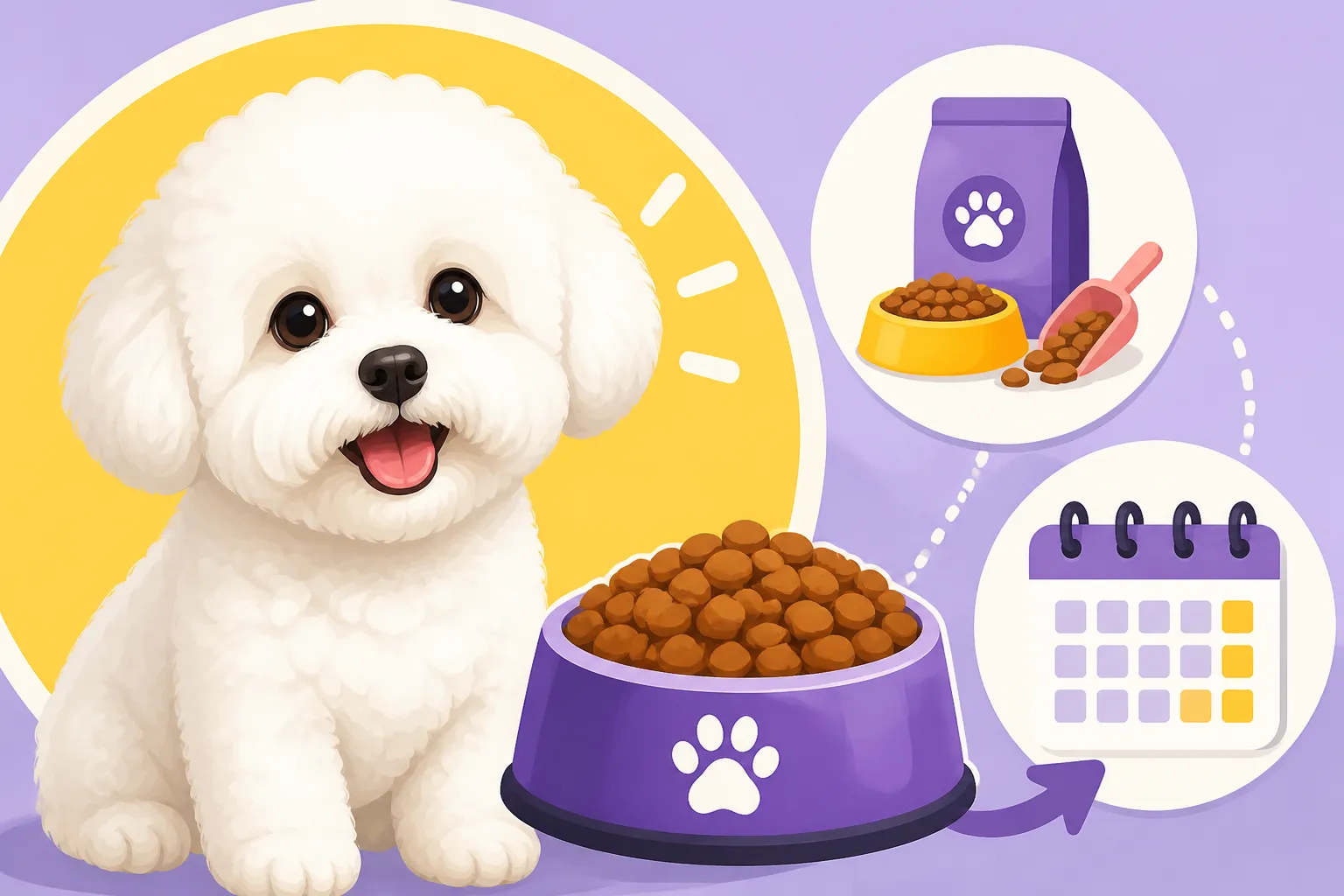
How Much Food a Bichon Frise Eats Monthly
One of the most common worries for any Bichon Frise owner is ensuring their fluffy companion is eating just right, especially when budgeting and health are on your mind. It’s easy to feel overwhelmed by all the choices out there and wonder exactly how much kibble or wet food your little one truly needs each month without overfeeding or underfeeding. This guide is here to break down the ins and outs of your Bichon Frise's monthly food consumption, helping you understand their needs and manage their diet like a pro.
Understanding Your Bichon Frise's Nutritional Needs
Before we dive into quantities, it’s crucial to understand that a Bichon Frise isn't just a generic "small dog." They have specific life stages and activity levels that dictate their caloric and nutritional requirements. What a tiny, energetic puppy needs to fuel its growth spurts is vastly different from what a contented adult Bichon requires to maintain a healthy weight, or what an older dog might need as their metabolism slows down. Getting this right from the start can prevent many common health issues down the line.
Puppy vs. Adult Requirements
A Bichon Frise puppy is a little dynamo, growing rapidly and burning through calories at an astonishing rate. Their bodies are building bones, muscles, and developing their immune systems, all of which demand a nutrient-dense diet. For puppies, the focus is on growth and development, meaning they typically need more frequent meals and a higher calorie intake per pound of body weight compared to adults. A puppy formula will reflect this, often being richer in protein, fats, and specific vitamins and minerals crucial for their developing bodies. You might find yourself refilling their bowl several times a day in those early months, often with a smaller kibble size that's easier for their tiny mouths to chew and digest.
Once your Bichon Frise reaches maturity, usually around 10-12 months of age, their energy demands shift. They're no longer in a constant state of rapid growth. Now, the goal is maintenance – keeping them at an ideal body weight and supporting their daily activities. An adult formula will typically have a balanced nutritional profile suitable for ongoing health, rather than intense growth. It's vital to transition slowly from puppy food to adult food to avoid digestive upset. This transition should be a gradual mix over a week or two, increasing the adult food proportion each day. Remember, an adult Bichon will likely eat less volume and less frequently than a puppy, even if they have bursts of energy, often referred to as The Bichon Blitz and What It Means.
Factors Influencing Food Intake
It would be wonderfully simple if every Bichon Frise ate the exact same amount, but our furry friends are individuals, just like us! Several factors play a significant role in how much food your particular Bichon Frise needs. Their activity level is paramount; a Bichon who enjoys daily long walks and enthusiastic play sessions will naturally burn more calories than a couch potato who prefers short strolls and extensive napping. Think about your dog’s typical day – are they zooming around the house, playing fetch, or mostly lounging? This will give you a good idea of their general energy expenditure.
Metabolism is another key player. Some dogs are naturally lean and can eat more without gaining weight, while others seem to pack on the pounds just by looking at a treat. Genetics certainly play a part here. Furthermore, health conditions can dramatically impact appetite and metabolic rate. For instance, a Bichon Frise dealing with Cushing's Disease in a Bichon Frise Past Seven might show an increased appetite and weight gain, while a dog with dental issues could have a reduced desire to eat. Even environmental factors like temperature can have a subtle effect; dogs might eat slightly more in colder weather to maintain body heat. Always observe your dog's habits closely and discuss any significant changes with your veterinarian.
Estimating Monthly Food Consumption for Your Bichon Frise
So, how much food are we actually talking about per month? It's not as complex as it might seem, but it does require a little bit of math and careful label reading. The good news is that most reputable dog food manufacturers provide clear guidelines, and with a bit of monitoring, you can easily figure out the sweet spot for your individual Bichon.
Decoding Food Labels and Serving Sizes
The dog food bag or can is your best friend when trying to determine feeding amounts. Reputable brands will always provide a feeding chart, usually based on your dog's weight and sometimes their age or activity level. This chart isn't just a suggestion; it's calculated based on the caloric density of that specific food. One cup of Brand A kibble might have a different calorie count than one cup of Brand B. It's never a "one size fits all" scenario, so don't assume.
Always start with the recommended serving size for your Bichon's ideal adult weight, not necessarily their current weight if they are overweight or underweight. If your Bichon is, say, 14 pounds, find that row on the chart. It might recommend something like 3/4 to 1 cup of food per day. Multiply that daily amount by roughly 30 days, and you'll have an estimate of their monthly consumption. For example, 1 cup per day x 30 days = 30 cups per month. Then, check how many cups are in a bag of your chosen food. A 15-pound bag often contains around 60 cups, meaning it might last your Bichon approximately two months. Remember, these are starting points; you'll need to adjust based on their body condition score, which is a visual assessment of how much fat covers their ribs and spine. You should be able to feel their ribs easily, but not see them prominently.
Dry Kibble vs. Wet Food
The type of food you choose — dry kibble, wet food, or even a fresh food option like those offered by Ollie — significantly impacts the volume your Bichon Frise will consume and, by extension, your monthly costs. Dry kibble is typically more calorie-dense than wet food. This means that a smaller volume of kibble can provide the same nutritional value as a much larger volume of wet food. If your Bichon eats dry kibble, you'll likely go through fewer bags per month compared to the number of cans or trays if they were solely on wet food.
Wet food, while often more palatable and hydrating, is largely water. So, while a 14-pound Bichon might eat 1 cup of dry kibble daily, they might need 2-3 times that volume in wet food to get the same caloric intake. This has clear implications for how much you'll buy each month. If your Bichon is on a mixed diet, say kibble in the morning and wet food at night, you'll need to calculate the caloric contributions of each and adjust accordingly to prevent overfeeding. Many owners find a combination works well, providing the benefits of both while managing overall volume and cost. You also need to consider if Wet Food Suits a Bichon Frise Better, particularly if they need increased water intake to help prevent certain health issues.
The Impact of Treats and Supplements
It's easy to forget that treats and supplements also contribute to your Bichon Frise's daily caloric intake. Those adorable little morsels we offer for good behavior or just because we love them can quickly add up, especially for a small dog. Many veterinarians recommend that treats should make up no more than 10% of a dog's daily calories. If you're giving a lot of high-calorie treats, you absolutely need to reduce their main meal portion to compensate.
For example, if your Bichon gets 400 calories from their kibble daily, and you give them a treat that's 50 calories, that's already 12.5% of their intake from just one treat! Imagine a few more throughout the day. This is why reading the labels on treats is just as important as reading the labels on their main food. Furthermore, certain health conditions, like the propensity for bladder stones, mean that Whether One Treat Can Restart a Bichon Frise Stone is a serious concern, requiring very specific, low-oxalate treat options or even just bits of their prescription kibble. Nutritional supplements, while generally lower in calories, can sometimes also contain unexpected sugars or fillers, so it's wise to factor them into your overall nutritional picture, especially if your Bichon is on a strict diet.
Here's a simplified table to help you estimate monthly food needs for an adult Bichon Frise:
| Bichon Frise Weight (lbs) | Avg. Daily Kibble (cups) | Est. Monthly Kibble (cups) | Est. Bag Size (15lb bag ~60 cups) | Est. Bags per Month |
|---|---|---|---|---|
| 10 lbs | 0.5 – 0.75 | 15 – 22.5 | 60 cups | ~0.25 – 0.4 |
| 12 lbs | 0.75 – 1 | 22.5 – 30 | 60 cups | ~0.4 – 0.5 |
| 14 lbs | 1 – 1.25 | 30 – 37.5 | 60 cups | ~0.5 – 0.6 |
| 16 lbs | 1.25 – 1.5 | 37.5 – 45 | 60 cups | ~0.6 – 0.75 |
Note: These are approximations. Always refer to your specific food's feeding guide and consult your vet for tailored advice. Wet food quantities would be significantly higher by volume.
Practical Tips for Managing Your Bichon Frise's Food Budget and Health
Managing your Bichon Frise's diet isn't just about ensuring they get enough; it's also about managing your resources wisely and keeping them in peak health. With the right strategies, you can provide top-notch nutrition without breaking the bank, and stay vigilant for any signs that their diet needs adjustment.
Sourcing Quality Food Economically
Finding quality food for your Bichon Frise doesn't have to mean sacrificing your budget. Many online retailers like Chewy offer competitive prices, subscription services, and often free shipping, which can be a huge saving for recurring purchases. Buying larger bags of kibble generally offers a better price per pound, but always ensure you can store it properly in an airtight container to maintain freshness and prevent pests. An opened bag of kibble can go stale, reducing its palatability and nutritional value, so gauge your purchase size based on how quickly your Bichon consumes it.
Another option to consider, particularly for specialized diets, is asking your veterinarian about purchasing directly through their clinic or through their online pharmacies. Sometimes, they have access to special pricing or loyalty programs. For those considering fresh food options like Ollie, look into their introductory offers and subscription plans, as they can sometimes provide a cost-effective way to get high-quality, pre-portioned meals delivered. Remember, the cheapest food isn't always the most economical in the long run if it leads to health issues and higher vet bills. Investing in good nutrition upfront can often save you money on potential medical treatments later, especially for breeds prone to certain conditions, like The Stone That Comes Back a Year After Bichon Frise Surgery.
Recognizing Changes in Appetite and Weight
Your Bichon Frise's appetite and weight are important indicators of their overall health. A sudden change in either should never be ignored. If your Bichon, who usually vacuums their bowl, suddenly starts leaving food, or conversely, becomes insatiably hungry, it's a red flag. These shifts could indicate anything from stress or a minor upset stomach to more serious underlying health issues like Diabetes in a Bichon Frise or even the development of bladder stones, which can cause discomfort and affect appetite.
Regularly weighing your Bichon Frise at home or at your vet's office can help you catch subtle weight changes. You should also get into the habit of performing a "rib check" weekly: gently run your hands along their sides. You should be able to feel their ribs without pressing hard, but not see them protruding. If their ribs are difficult to feel, they might be overweight. If they're clearly visible and sharp, they might be underweight. Don't hesitate to consult your veterinarian if you notice any significant changes in appetite, weight, or energy levels. They can rule out medical problems and help you adjust their diet appropriately. Pet insurance, such as plans from Healthy Paws, can be invaluable for covering the costs associated with diagnosing and treating such conditions, helping you focus on your pet's health rather than the financial strain.
The Importance of a Consistent Feeding Routine
Bichon Frises thrive on routine, and feeding time is no exception. A consistent feeding schedule helps regulate their digestive system and can even aid in housetraining, as you'll have a better idea of when they'll need to go outside. Most adult Bichons do well with two meals a day, spaced evenly (e.g., morning and evening). Puppies, due to their higher metabolic rate and smaller stomachs, often require three to four smaller meals throughout the day.
Stick to specific meal times rather than free-feeding. Free-feeding, where food is left out all day, can lead to overeating and makes it harder to monitor appetite. It can also exacerbate pickiness or create behavioral issues if your Bichon guards their food. A consistent routine also allows you to quickly spot if your dog is not eating or eating too much, signaling a potential health concern. It establishes a sense of predictability and security for your pet, making meal times a positive and reliable part of their day. This consistency is also critical if your Bichon is on a special diet, such as the one needed to manage Why a Bichon Frise Forms Stones Twenty Times as Often, where every morsel counts.
Ensuring your Bichon Frise eats the right amount of food each month is a blend of understanding their unique needs, carefully reading food labels, and being observant of their health. By establishing a good routine, choosing quality food wisely, and staying in tune with your dog's physical condition, you'll be well on your way to a happy, healthy, and well-fed Bichon.
Disclaimer
This article is for general informational purposes only and does not constitute professional advice. Laws, prices and regulations vary by location and change over time. Consult a qualified professional for guidance on your specific situation.