Whether Bell Training Works on a Bichon Frise
One of the most common and often frustrating challenges new Bichon Frise parents face is housetraining. These adorable, fluffy bundles of joy are renowned for their intelligence and cheerful disposition, but they can sometimes be notoriously slow to pick up on where they're supposed to do their business. This comprehensive guide will explore whether bell training is an effective method for your beloved Bichon Frise, walking you through the steps and common considerations to help you achieve a cleaner, happier home.
Understanding the Bichon Frise and Housetraining Challenges
It's easy to feel like you're doing something wrong when your sweet Bichon just isn't getting the hang of housetraining. You might be wondering if it's a breed thing, or if your specific pup is just a bit stubborn. Rest assured, you're not alone in these feelings; many Bichon owners share similar experiences.
Why Bichons Can Be Tricky to Housetrain
Bichon Frises, while incredibly smart and eager to please in many ways, do have a bit of a reputation when it comes to housetraining. Part of this comes down to their size. Their small bladders mean they simply can't hold it for as long as a larger dog, which requires more frequent trips outside. This isn't a fault of their training, but a physiological reality. If you're comparing your Bichon's progress to a friend's Labrador, it's really an unfair comparison!
Beyond their small stature, some Bichons can also be quite sensitive to weather or even the texture of the ground. Many Bichons absolutely detest going out in the rain or snow, preferring the comfort of a dry indoor spot. This preference can certainly complicate outdoor potty training efforts. Their cheerful and sometimes playful nature can also lead to distractions during potty breaks, making them forget the task at hand. It's a combination of factors that can make this process feel like a marathon rather than a sprint. We delve into this more in Why a Bichon Frise Is Famously Hard to Housetrain.
The Frustration of Accidents Indoors
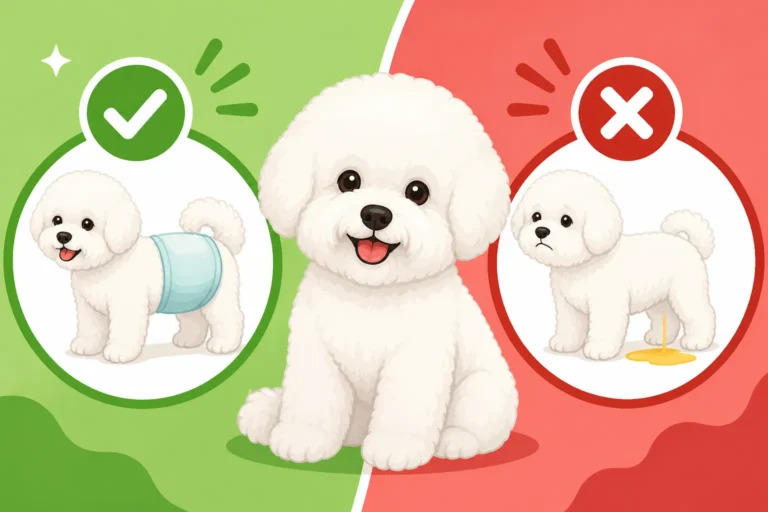
There's nothing quite like stepping into a fresh puddle or discovering a hidden "surprise" behind the sofa to really test your patience. It's disheartening, especially when you feel like you've been so diligent. You might clean up an accident, only for another one to appear a short while later. This cycle can leave you feeling exasperated, questioning if your Bichon will ever truly be reliably housetrained. The emotional toll of constant vigilance and cleaning can be draining, making you feel guilty for getting frustrated with your furry companion.
The truth is, accidents happen, especially during the training phase. Sometimes, what looks like "bad training" is actually an underlying health issue, such as a urinary tract infection or even bladder stones, which Bichons are unfortunately prone to. If a previously housetrained Bichon suddenly starts having accidents, a vet visit is always the first step to rule out medical causes. You can read more about recognizing issues in The First Signs a Bichon Frise Has Stones or Whether a Urinary Infection Undoes a Bichon Frise's Training. But assuming good health, the key is finding a communication method that works for both of you.
The Mechanics of Bell Training for Your Bichon Frise
Bell training is a popular method that essentially gives your dog a "voice" to tell you when they need to go outside. Instead of you guessing or your Bichon resorting to an indoor accident, they learn to ring a bell to signal their need.
How Bell Training Works
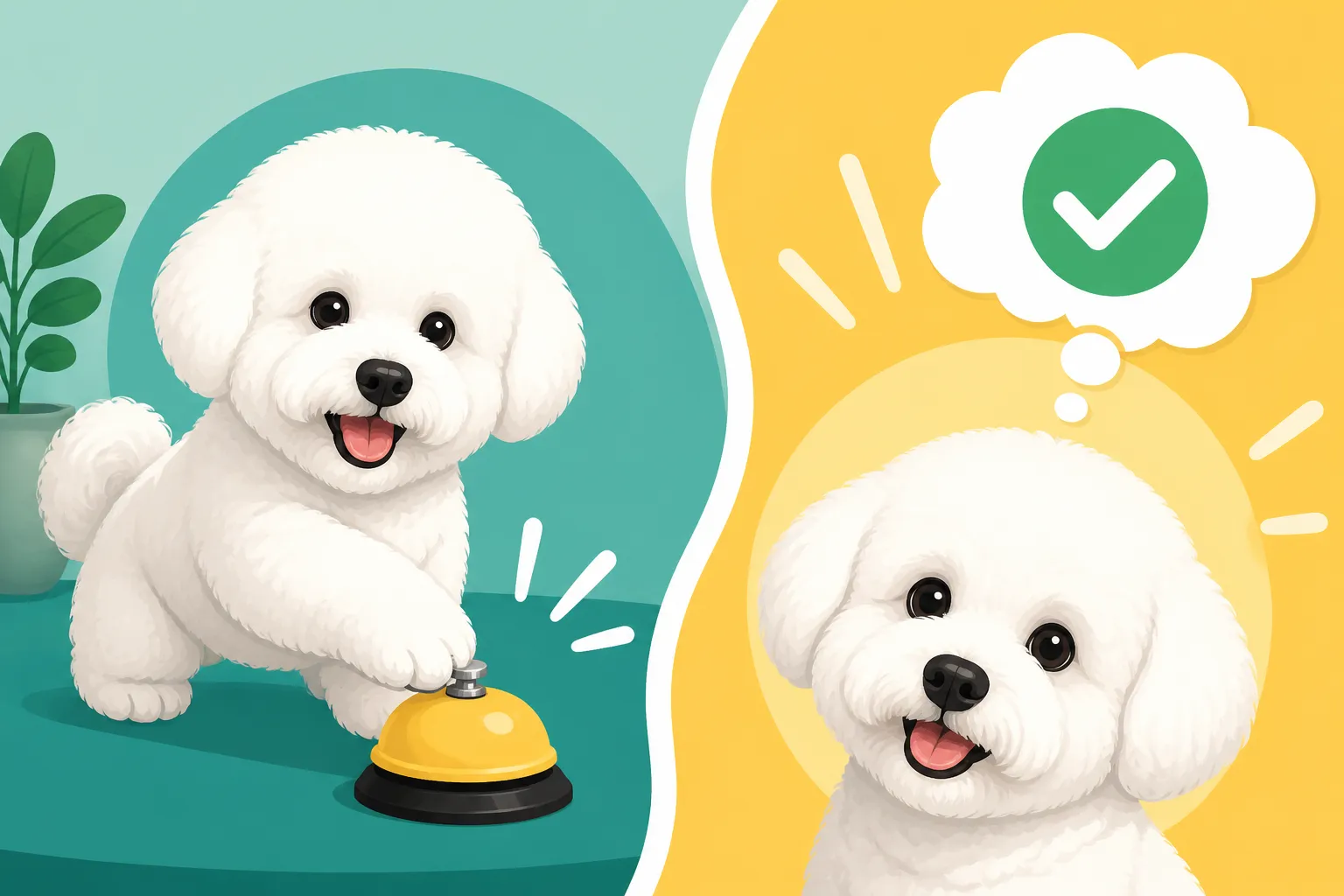
At its core, bell training is all about creating a clear and consistent signal. It works on the principle of classical conditioning: your Bichon learns to associate the sound of the bell with going outside to relieve themselves. When they ring the bell, they immediately get taken out. Over time, they understand that ringing the bell is the fastest way to get what they want – an outdoor potty break. This cuts down on miscommunications and can significantly reduce indoor accidents because your dog isn't just waiting for you to notice their subtle cues (like pacing or sniffing) or resorting to squatting on your rug.
The beauty of this system is that it empowers your Bichon. They gain a sense of control and agency in their potty routine, which can actually boost their confidence and make them more engaged in the process. It's a proactive approach rather than a reactive one, shifting the responsibility from you constantly anticipating their needs to them actively communicating them.
Choosing the Right Bell and Placement
When it comes to selecting a bell for your Bichon, you have a few options, and the "right" one often comes down to personal preference and what works best for your living space and your dog's personality.
- Hanging Door Bells: These are typically straps with several bells attached, designed to hang from the doorknob of the exit door your dog uses. They're often quite audible, which is great, but ensure they're low enough for your Bichon to easily nose or paw. You can find many varieties on online marketplaces like Amazon, ranging from simple rope designs to more decorative options.
- Button Bells: These are usually small, push-button style bells that sit on the floor or a mat near the door. Your dog steps on or paws the button to make a sound. These can be good for dogs that might struggle to manipulate hanging bells, or for owners who prefer a less visual or audible clutter. Some are even wireless and can chime a receiver in another room!
Regardless of the type, placement is crucial. The bell should be directly next to or hanging from the door your Bichon uses to go outside. This proximity reinforces the association between the bell and the exit. Make sure it's at a height where your Bichon can easily reach it without jumping excessively or struggling. For a small Bichon, this might mean having the bell very low to the ground. Consistency in the exit door is also important; if you use multiple doors for potty breaks, consider having a bell at each, or choose one primary exit for training purposes.
Step-by-Step Guide to Bell Training Your Bichon Frise
Bell training isn't magic, but it certainly feels like it once your Bichon masters it! The key is consistency, patience, and positive reinforcement.
Introducing Your Bichon to the Bell
The first step is simply getting your Bichon comfortable with the bell. Don't expect them to understand its purpose right away.
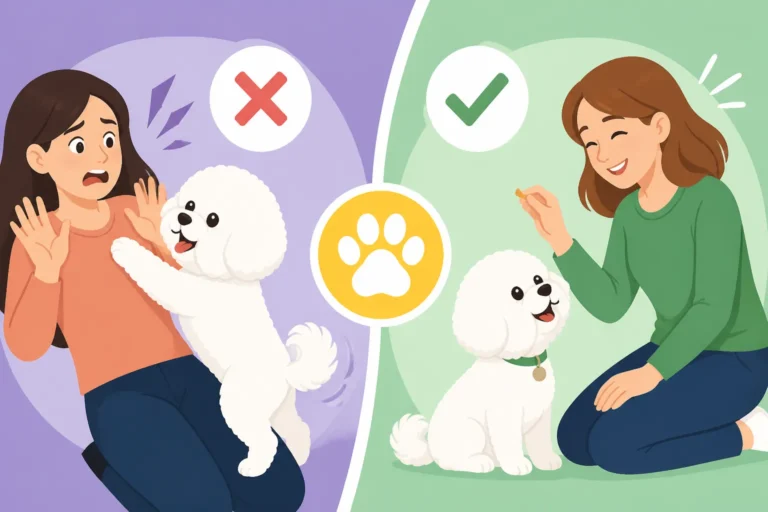
- Positive Association: Start by gently touching your Bichon's nose or paw to the bell just before you open the door to go outside for a potty break. As soon as they touch it and it makes a sound, immediately praise them enthusiastically ("Good bell!") and open the door.
- Immediate Exit: The moment the bell rings, even if you had to prompt it, take your Bichon directly outside. Don't play, don't dally. The connection needs to be clear: bell rings, door opens, go potty.
- Reward Outdoors: Once your Bichon does their business outside, offer high-value praise and a small, tasty treat. This reinforces the entire sequence: bell, outside, potty, reward. Avoid giving the treat before they've relieved themselves, as you want to reward the successful pottying, not just the outdoor trip.
Repeat this process every single time you take your Bichon out. Consistency is absolutely non-negotiable here. Even if they don't ring the bell on their own for a while, keep guiding their paw or nose to it. For more on establishing a solid routine, check out The Toilet Routine That Finally Works on a Bichon Frise.
Consistently Reinforcing the Behavior
Once your Bichon starts nudging or pawing the bell on their own, even if it's accidental, that's a huge victory!
- Catch Them in the Act: The moment you see or hear your Bichon interact with the bell, even subtly, respond immediately. Praise them, open the door, and take them out. This quick reaction strengthens the connection between their action and the desired outcome.
- No Bell, No Exit (Potty Breaks Only): This can be a bit tricky, but it's important for the bell to be the only way out for potty breaks. If your Bichon paws at the door or whines without ringing the bell, gently guide them to the bell, help them ring it, and then take them out. This teaches them the correct communication method. Of course, if it's an emergency, just get them out!
- Scheduled Potty Breaks: Continue taking your Bichon out on a regular schedule, especially after waking up, after eating, and before bed. Always incorporate the bell into these scheduled breaks. Over time, your Bichon will start using the bell for these routine trips, not just urgent ones. How Many Weeks a Bichon Frise Takes to Be Clean offers additional insights into the timeline you might expect.
Remember, every time they successfully use the bell and relieve themselves outside, it builds the habit. Every time you ignore the bell or take them out without them ringing it (for potty purposes), it weakens the association.
Troubleshooting Common Bell Training Hurdles
Even with the best intentions, bell training can hit a few snags. It's totally normal, so don't get discouraged!
- False Alarms: Your Bichon might start ringing the bell just to go outside and play, or because they're bored and want attention. This is often called "abusing the bell." When this happens, take them out on a leash, give them a few minutes to potty, and if they don't go, bring them straight back inside without any play or praise. They'll quickly learn that ringing the bell only gets them a potty break, not a play session. If they do potty, reward them as usual.
- Ignoring the Bell: If your Bichon isn't engaging with the bell at all, go back to basics. Exaggerate your positive reinforcement when you guide their paw to the bell. Make it a super exciting event! Ensure the bell is easy to reach and makes a clear sound. Sometimes, a different type of bell might be more appealing. Consider revisiting initial training steps, perhaps using higher-value treats.
- Regressions: Sometimes, a previously bell-trained Bichon might suddenly stop using it or start having accidents again. First, rule out any medical issues with a vet check. If health isn't the concern, consider recent changes in routine, stress, or simply needing a refresher course. Go back to prompting them with the bell before every outing and heavily reinforcing successful potty breaks.
- Too Much Excitement: Some Bichons get so excited about going outside that they forget to ring the bell. In these cases, make ringing the bell part of the "calm down" routine before going out. You might even use specific training programs, like those offered by BAXTER & Bella, to help with impulse control and focus during training. This can help them channel that excitement into ringing the bell first.
Bell training is a learned skill, and like all skills, it takes time and practice. Your patience will pay off!
Advantages and Disadvantages of Bell Training for Bichons
Every training method has its pros and cons, and bell training is no different. It's important to weigh these to decide if it's the right fit for you and your Bichon.
The Pros: Clear Communication and Reduced Accidents
The biggest advantage of bell training is the incredibly clear communication it establishes between you and your Bichon. No more guessing games, no more anxiously watching for subtle cues that you might miss. When the bell rings, you know precisely what your dog needs. This clarity drastically reduces indoor accidents because your dog has a reliable way to tell you they need to go out, and you have a clear signal to respond to. This can be a game-changer for those frustrating moments where your Bichon keeps having accidents even after you just took them out, because now they can tell you if they still have to go or need to go again shortly after.
Moreover, it builds confidence in your Bichon. They learn that they can control an important aspect of their environment – their potty breaks – and that their actions lead to predictable and positive outcomes. This empowerment can translate into a more confident and well-adjusted dog overall. It also encourages independent thought, as they actively choose to communicate rather than passively wait for you. This proactive behavior is a huge step forward from a dog who might only resort to Whether a Bichon Frise Signals When It Needs Out with subtle glances or pacing.
The Cons: Potential for Misuse and Over-Reliance
While highly effective, bell training isn't without its potential drawbacks. The most common issue is the "false alarm" or "bell abuse" mentioned earlier. A clever Bichon might quickly figure out that ringing the bell gets your attention and a trip outside, regardless of whether they actually need to relieve themselves. This can lead to frequent, unnecessary trips outside, which can become tedious for you, especially if you have a busy schedule. This is where consistent application of the "bell rings, go outside to potty, no play" rule becomes vital.
Another potential con is an over-reliance on the bell. While it's great for communication, you still want your Bichon to have a general understanding of when it's appropriate to go outside, even without the bell. For instance, if you're visiting friends who don't have a bell, you still need your Bichon to be able to signal in another way or to be taken out on a schedule. It's a tool, not a complete replacement for a comprehensive housetraining routine that includes regular outings and supervision. Furthermore, some owners might find the constant jingling a bit noisy, especially if they have multiple dogs or a very enthusiastic bell ringer!
Making Bell Training Work for Your Bichon's Lifestyle
Integrating bell training successfully means understanding your Bichon's unique personality and your family's routine. It's not a one-size-fits-all solution, but it's adaptable.
Consistency Across the Household
For bell training to truly stick, everyone in the household needs to be on the same page. If one family member consistently takes the Bichon out without them ringing the bell, or responds to false alarms with play, it will confuse your dog and undermine the training. Hold a family meeting to discuss the rules, the cues, and the reward system. Make sure everyone understands the importance of immediate response to the bell and consistent follow-through.
This consistency extends to visitors, if possible. If you frequently have guests, politely ask them to follow the bell rule when interacting with your Bichon near the door. The more uniform the experience, the faster your Bichon will grasp the concept and trust the system. This also ties into building a robust foundation for all training, not just housetraining, and resources like online courses from BAXTER & Bella can provide structured guidance for the whole family.
Adapting to Different Environments
What happens when you take your Bichon on vacation or visit relatives? The bell might not be available, or the routine might be entirely different. This is where adaptability comes in. While bell training is fantastic for home, it shouldn't be the only tool in your housetraining arsenal.
When you're in a new environment, revert to a more intensive, scheduled potty break routine. Take your Bichon out frequently, using verbal cues ("Go potty!") and rewarding heavily when they perform outside. You might even bring a portable bell if you're going to be somewhere for an extended period. The goal is for your Bichon to understand the concept of going potty outside, and the bell is just the specific communication method at home. Remember, a Bichon's desire to please, combined with their intelligence, means they can usually adapt to different signals if you are clear and consistent. For general advice on routine, consider The Toilet Routine That Finally Works on a Bichon Frise.
When Bell Training Might Not Be Enough
Sometimes, bell training is a fantastic addition, but it might not solve all your housetraining woes, especially with a Bichon.
Addressing Underlying Issues
If you've diligently tried bell training and consistency, but your Bichon is still having frequent accidents, it's crucial to consider if there's an underlying cause. As mentioned, medical issues are high on the list. A small bladder is one thing, but a bladder infection, crystals, or even stones can cause extreme urgency and discomfort, making it impossible for your Bichon to hold it, even with the best intentions and clear communication. A vet visit is paramount to rule out these health concerns. Whether a Bichon Frise Needs Urine pH Monitored and Whether an Ultrasound Finds a Bichon Frise's Stones might be relevant discussions with your vet.
Behavioral issues can also play a role. Anxiety, submissive urination, or excitement urination might require a different approach than simple housetraining methods. If your Bichon is marking indoors (more common in intact males but can happen with females too), bell training alone won't address the territorial aspect. In these cases, consulting with a professional dog trainer or veterinary behaviorist might be necessary to tailor a plan specifically for your Bichon's unique needs.
Combining Bell Training with Other Methods
Bell training is most effective when used as part of a holistic housetraining strategy. It's not a standalone miracle cure but a powerful communication tool that complements other tried-and-true methods.
- Crate Training: If done correctly, crate training can be invaluable. Dogs are naturally clean animals and generally won't soil their sleeping area. A properly sized crate can help your Bichon learn to hold it for short periods and build bladder control. When they come out of the crate, immediately take them to the bell, then outside. This creates a strong routine. For more on this, check out Whether Crate Training Works on a Bichon Frise.
- Scheduled Potty Breaks: Even with bell training, maintaining a consistent schedule of outings (first thing in the morning, after meals, before bed, after naps, before crating) is vital, especially for puppies or senior dogs. The bell serves as an additional signal for those in-between times.
- Supervision: Close supervision is key during the housetraining phase. If you can't actively watch your Bichon, consider confining them to a safe, easy-to-clean area or using their crate. This prevents accidents and gives you the opportunity to catch them before they have an accident and guide them to the bell.
- Positive Reinforcement: This cannot be stressed enough. Always reward successful outdoor potty breaks with praise, treats, and affection. Never punish accidents, as this can make your Bichon fearful of going in front of you and lead to sneaky accidents in hidden spots. Understanding What a Bichon Frise Will Work For can greatly enhance your training success.
Bell training can be an incredibly effective and empowering tool for housetraining your Bichon Frise, providing clear communication and reducing frustrating accidents. With consistency, patience, and a positive approach, you and your fluffy companion can enjoy a cleaner, more harmonious home.
| Bell Training Scenario | Bichon's Behavior | Recommended Action | Why It Works |
|---|---|---|---|
| Initial Introduction | Ignores bell / curious | Guide paw/nose to bell, praise, immediately go outside. | Creates positive association between bell, exit, and relief. |
| False Alarm | Rings bell, no potty outside | Take outside on leash for 2-3 mins. If no potty, come straight back in. | Teaches bell is for potty, not for play or attention. |
| Ignoring Bell, Paws Door | Paws at door, whines, doesn't ring | Guide to bell, help them ring it, praise, then go outside. | Reinforces the correct communication method for exit. |
| Accident Indoors | Has accident, didn't use bell | Clean thoroughly with enzymatic cleaner. Don't punish. Re-evaluate schedule/supervision. | Prevents fear, removes scent markers, prompts review of training routine. |
| Sudden Regression | Stops using bell, new accidents | Vet check first! Then, return to basics: prompt, praise, consistent schedule. | Rules out medical issues; refreshes memory of established routine. |
Disclaimer
This article is for general informational purposes only and does not constitute professional advice. Laws, prices and regulations vary by location and change over time. Consult a qualified professional for guidance on your specific situation.