The Toilet Routine That Finally Works on a Bichon Frise
Ah, the eternal quest of every new Bichon Frise parent: cracking the code to a perfectly housetrained pup! It's incredibly frustrating when your adorable little cotton ball just doesn't seem to get it, especially when you've tried everything you can think of. Many owners feel like they’re constantly cleaning up puddles or chasing their fluffy friend around with a paper towel, wondering if they’ll ever achieve a truly clean home. This comprehensive guide is here to walk you through a practical, empathetic, and ultimately successful toilet routine that genuinely works for the unique challenges of a Bichon Frise.
Understanding the Bichon Frise Housetraining Challenge
Let's be real, Bichon Frises have a bit of a reputation when it comes to housetraining. It's not just you; many owners find it a tougher road than with other breeds. But why is that? Understanding these inherent challenges is the first step toward developing a routine that truly clicks for your fluffy companion. It’s not about them being 'stubborn' or 'difficult,' but rather a combination of physical traits and behavioral tendencies that we need to acknowledge and work with.
Why Bichons Are Slower to Housetrain Than Most
One of the biggest factors is their size. Being a small breed, Bichon Frises have smaller bladders. This means they physically can't "hold it" for as long as a larger dog. While a Golden Retriever puppy might manage a couple of hours, your tiny Bichon pup might need to go every 30-60 minutes when awake and active. Expecting them to hold it longer than their physical capacity allows is simply setting them up for failure and you for frustration. It's not a matter of willpower for them; it's pure biology. This also means that even adult Bichons might need more frequent breaks than their larger canine counterparts, especially as they age or if they have certain health conditions.
Another often overlooked aspect is their comfort-seeking nature. Bichons, with their delicate paws and luxurious coats, are often not keen on harsh weather. Rain? Snow? Cold grass? Mud? Forget about it! Many Bichons will actively resist going outside if the conditions aren't to their liking. They'll hold it in, come back inside, and then quietly relieve themselves on your nice rug a few minutes later because, well, the rug is warm and dry. This preference for comfort can seriously derail an otherwise solid routine if you don't account for it. Furthermore, some Bichons are just so wrapped up in playtime or snuggles that they forget they even need to go until it's an emergency, leading to quick accidents indoors. Their cheerful, sometimes distractible nature plays a role here, making consistency even more vital.
Common Misconceptions About Bichon Housetraining
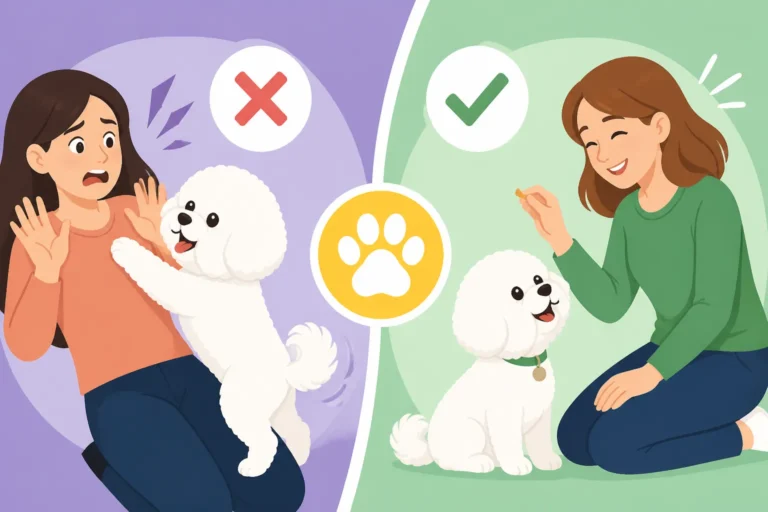
It's easy to fall into traps when housetraining, especially with a breed like the Bichon. One common misconception is that punishing accidents helps. In reality, punishing your Bichon for an indoor accident almost always backfires. Your dog doesn't connect the punishment to the act of peeing or pooping indoors; instead, they learn to associate your presence with negativity when they relieve themselves. This can lead to them hiding their potty breaks from you, sneaking off behind the sofa or under a table to go, making it even harder to catch them in the act and direct them outside. It can also make them scared to go in front of you, even outside, which is the exact opposite of what you want. Instead of building trust and good habits, you're building fear and secrecy.
Another misconception is that all accidents are training failures. Not true! Sometimes, a sudden increase in accidents can signal a medical issue, not a lapse in training. Urinary tract infections (UTIs) are particularly common, as are bladder stones, which Bichons are unfortunately prone to. If your previously housetrained Bichon suddenly starts having frequent accidents, drinking more, or straining to urinate, a trip to the vet is absolutely essential. The First Signs a Bichon Frise Has Stones can mimic housetraining problems, and addressing a medical issue will be far more effective than trying to re-train a dog in discomfort. Ignoring these signs and simply focusing on training will only delay proper treatment and cause your dog unnecessary suffering. So, always rule out health concerns first, especially with a breed known for specific predispositions.
Setting Up for Success: Your Bichon's Potty Zone
Before you even start establishing a strict routine, you need to set up your environment to maximize your Bichon's chances of success. This involves choosing the right potty spot, equipping yourself with the necessary tools, and creating clear boundaries. Think of it as preparing the stage for your little star to perform perfectly. A well-prepared environment reduces confusion for your dog and makes your life as an owner much, much easier.
Indoor vs. Outdoor Potty Areas
The decision between an indoor or outdoor potty area largely depends on your lifestyle, your living situation, and your Bichon's preferences. For many Bichon owners, a combination approach works best.
Outdoor Potty Area:
Ideally, the primary goal is to teach your Bichon to relieve themselves outside. This is generally the most hygienic and practical long-term solution. When choosing an outdoor spot, make it a consistent, easy-to-access area. If you have a yard, pick a specific corner that's exclusively for potty breaks. Avoid letting them treat the entire yard as their personal restroom, as this makes cleanup harder and doesn't establish a clear "potty zone." For apartment dwellers, this means choosing a specific patch of grass or a designated tree outside your building. The key is consistency – always take them to the same spot. If you live in an area with harsh winters or frequent rain, you might consider creating a sheltered outdoor potty spot, like a small covered area on a patio or a designated spot under an overhang. This can help overcome your Bichon’s aversion to wet or cold weather. Whether a Bichon Frise Refuses to Go Out in Rain is a common issue that a covered area can mitigate, encouraging them to actually go when they’re outside.
Indoor Potty Area (Pads or Grass Patches):
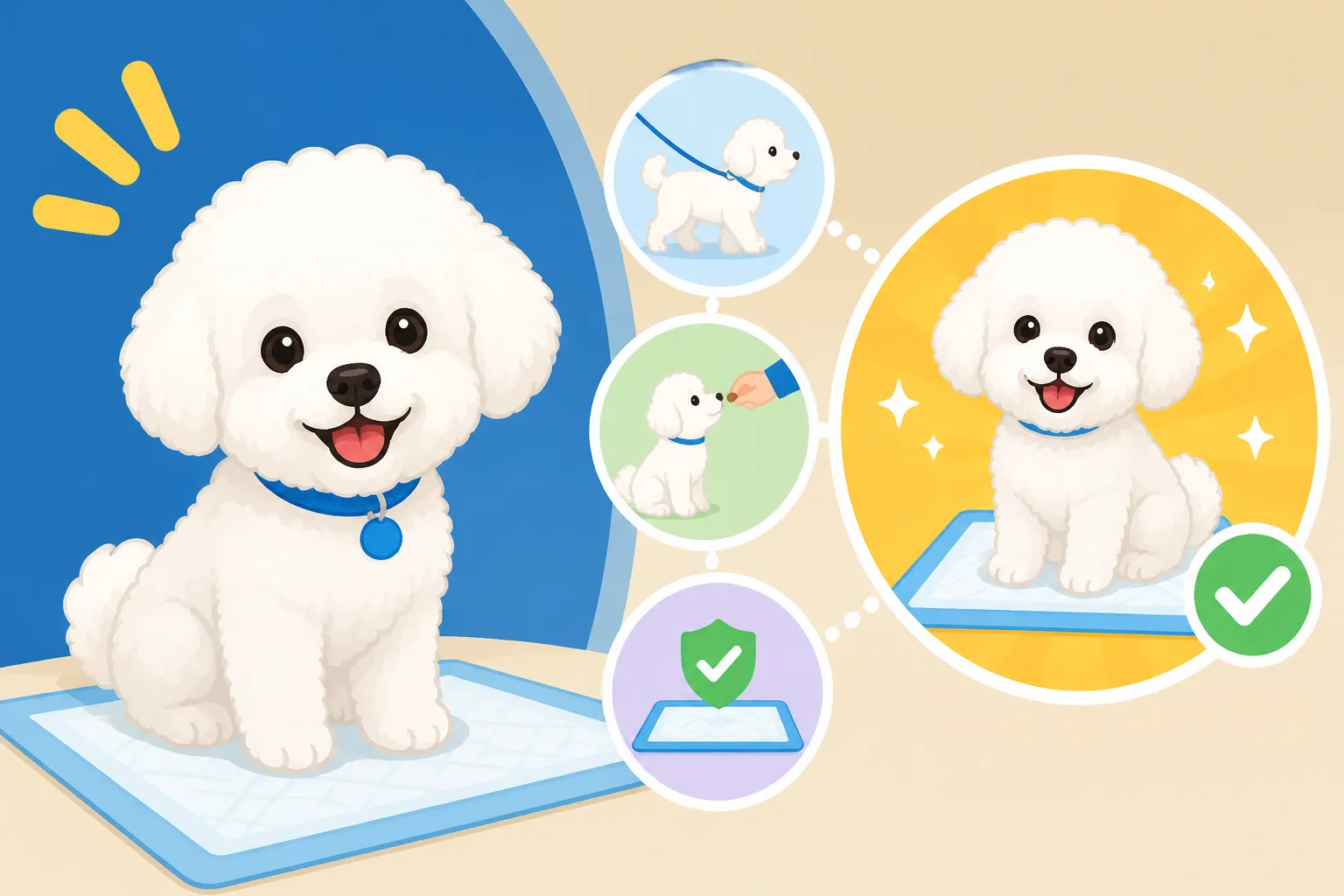
For Bichons, especially puppies, indoor potty options can be incredibly helpful, either as a temporary solution or a permanent backup. Potty pads are widely available, and brands like those found on Amazon offer a variety of sizes and absorbency levels. They provide a designated spot indoors, which can be a lifesaver for young puppies who can't hold it long, or for older Bichons with less bladder control. Indoor grass patches, like those from Fresh Patch or similar brands, offer a more natural feel and can be particularly useful for apartment living or for dogs who really prefer the feel of grass under their paws.
If you opt for an indoor potty, place it in an easily accessible, yet out-of-the-way spot. A corner in the kitchen or laundry room is often ideal. Never place it near their food or sleeping area, as dogs instinctively avoid soiling where they eat or rest. While using pads can be controversial for some trainers who worry it delays outdoor training, for a Bichon, it can be a valuable stepping stone, especially in those early weeks. Whether an Indoor Grass Patch Suits a Bichon Frise explores this further, highlighting the benefits for smaller breeds and apartment life. The goal is to gradually transition them outside as their bladder control improves and they understand the concept.
Essential Housetraining Gear
Having the right tools on hand makes a world of difference. Don't underestimate the power of these simple items in your housetraining journey.
Crates and Playpens:
A crate isn't a punishment; it's a valuable housetraining tool that leverages a dog's natural instinct not to soil their sleeping area. Choose a crate that's just large enough for your Bichon to stand up, turn around, and lie down comfortably. If it's too big, they'll simply use one end as a potty and the other as a bed. For puppies, you might need a divider to adjust the size as they grow. A playpen offers a larger, safe, and confined space when you can't actively supervise your pup. This is excellent for giving them a bit more freedom while still limiting their access to potential accident zones. It also allows you to place a potty pad within the pen, giving them an approved indoor spot if they can't make it outside. Whether Crate Training Works on a Bichon Frise delves into the specifics of using a crate effectively.
Leashes and Collars/Harnesses:
Even if you have a fenced yard, using a leash for potty breaks is crucial in the early stages. It ensures you go with your Bichon to their designated spot, not just let them out alone. This allows you to observe them, provide praise for success, and bring them straight back inside if they don't go. A harness is often preferred for Bichons as it distributes pressure more evenly and prevents strain on their delicate necks.
Enzymatic Cleaner:
This is non-negotiable. Standard household cleaners might mask the odor for your human nose, but your Bichon's super-sensitive nose will still detect the scent of urine, signaling to them that this is an acceptable spot to go again. Enzymatic cleaners break down the urine at a molecular level, truly eliminating the odor and discouraging repeat accidents in the same spot. You can find excellent enzymatic cleaners from various brands on Amazon. Always have a bottle on hand, because accidents will happen.
High-Value Treats:
Positive reinforcement is the cornerstone of effective housetraining. Have small, soft, irresistible treats ready to reward immediate success. These should be treats your Bichon absolutely adores, making the connection between going potty in the right spot and getting a delicious reward extremely clear and memorable.
The Core Routine: Consistency is Key
This is where the rubber meets the road. Housetraining a Bichon Frise is less about grand gestures and more about relentless consistency. It's about establishing a predictable rhythm that your dog can learn to anticipate and rely on. Your goal is to prevent accidents, reward successes, and make going potty outside the most natural and rewarding choice.
Establishing a Predictable Potty Schedule
Consistency in timing is paramount, especially for puppies or newly adopted Bichons. Your Bichon needs to know when they will get a chance to relieve themselves. Here's a general schedule, but remember to adjust it to your individual dog's needs and bladder capacity:
- First thing in the morning: As soon as their paws hit the floor. This is often the most urgent potty break of the day.
- After waking from naps: Every single time they wake up, no matter how short the nap.
- After playing: A burst of activity can stimulate the bladder and bowels.
- After eating or drinking: Digestion often gets things moving.
- Before bedtime: One last chance before settling down for the night.
- Hourly (for puppies): Seriously, set a timer. Every 30-60 minutes when they are awake and active. This frequency slowly extends as they mature. How Long a Bichon Frise Puppy Holds It Overnight gives more insights into adjusting overnight schedules.
Keep a log for the first few weeks if you can. Note down when your Bichon eats, drinks, plays, naps, and when they successfully potty (and whether it's pee or poop). This helps you identify their individual patterns and refine the schedule. If they have an accident, note that too, along with the circumstances. This data can be invaluable for pinpointing weaknesses in your routine.
The Potty Break Process: Step-by-Step
Every potty break needs to be a focused, purposeful event. This isn't just letting them out to sniff around; it's a mission.
- Leash Up: Always put your Bichon on a leash, even if you have a fenced yard. This ensures you control where they go and can directly supervise them.
- Go to the Designated Spot: Walk directly to the established outdoor potty area. No detours, no playtime until after they've gone.
- Use a Cue Word: As you're heading out, softly repeat a consistent cue word like "Potty," "Go pee-pee," or "Outside." This helps them associate the word with the action.
- Wait Patiently: Stand still and quiet in the designated spot. Avoid talking to them, playing with them, or looking at your phone. Your attention should be on them, but not in a distracting way. Just observe.
- Immediate Reward: The second they finish eliminating, lavish them with enthusiastic praise ("Good potty!"), a happy tone of voice, and a high-value treat. The timing is critical; the reward needs to happen within 2-3 seconds of them finishing.
- Optional Playtime: After they've successfully gone potty and been rewarded, you can then engage in a short play session or a short walk as an extra reward, or simply bring them back inside. This teaches them that potty first means fun or back to comfort.
- No Play Until Potty: If they don't go after 5-10 minutes, bring them back inside and put them immediately back into their crate or confined space for 10-15 minutes. Then, try the whole process again. Do not let them have free run of the house if they haven't pottied, as this almost guarantees an accident.
Effective Supervision and Confinement
This might be the single most important aspect of housetraining a Bichon. You cannot train what you cannot see, and you cannot prevent what you don't anticipate.
Umbilical Cord Method: When you're home and can actively supervise, keep your Bichon either on a leash attached to you (the "umbilical cord" method) or keep them in the same room as you, within sight at all times. This way, you can catch any pre-potty signals immediately, like sniffing the floor, circling, or suddenly becoming quiet and focused. The moment you see these, it's straight outside!
Crate or Playpen When Unsupervised: When you can't actively supervise – even if it's just for 15 minutes while you cook dinner, answer the door, or shower – your Bichon should be in their crate or a secure playpen. This prevents accidents from happening in the house and reinforces the idea that the main living areas are not for pottying. It's not a punishment; it's a management strategy to set them up for success. Remember, a crate should be a comfortable, positive space, never used for long periods or as a place of punishment. Over time, as your Bichon proves reliable, you'll gradually increase their supervised freedom.
Nighttime Routine: For overnight, your Bichon should sleep in their crate right next to your bed. This allows you to hear if they start to stir or whine, signaling they need to go out. Young puppies will almost certainly need a middle-of-the-night potty break. As they get older, they'll gradually be able to hold it longer. Resist the urge to let them sleep in your bed initially if housetraining is a challenge, as it gives them too much unsupervised freedom and makes midnight potty trips harder.
Troubleshooting Common Housetraining Hiccups
Even with the best routine, you're bound to hit a few bumps in the road. It's important to recognize these common challenges and have strategies to overcome them, rather than getting discouraged. Remember, persistence and patience are your best friends during this process.
Dealing with Accidents Indoors
Accidents happen, especially in the early stages. The key is how you respond.
Immediate Action: If you catch your Bichon in the act, interrupt them with a quick, startling noise (a clap, a sharp "Ah-ah!") to get their attention, then immediately scoop them up and carry them to their designated outdoor potty spot. If they finish going outside, praise and reward lavishly. Do not scold or punish them for an accident you witness. This will only teach them to hide it from you.
Cleaning Up: If you discover an accident after the fact, simply clean it up thoroughly using an enzymatic cleaner. Do not rub your Bichon's nose in it or scold them. They won't understand why they're being punished, especially if it happened minutes or hours ago. They'll just learn to fear you when you see a puddle, which as discussed, is counterproductive. The cleanup is for you and your home, not for teaching them a lesson. A good enzymatic cleaner, readily available on Amazon, is critical here to remove all traces of odor and prevent repeat offenses in the same spot.
The "No Go" Outside, "Go Go" Inside Scenario
This is a classic Bichon Frise move! You take them out, they sniff around, maybe even pretend to squat, then come back inside only to pee on the carpet a few minutes later. It’s infuriating, but it often stems from either being distracted outside or not understanding the purpose of the outdoor trip.
Strategy: The most effective counter to this is the "no play until potty" rule combined with strict supervision. If your Bichon doesn't go within 5-10 minutes on their designated potty spot, bring them immediately back inside and put them directly into their crate or playpen for 10-15 minutes. No free roaming, no play, no cuddles on the sofa. Then, try the potty trip again. Repeat this cycle until they go outside. This teaches them that outside time is for business, and free time or play comes after they've done their duty. It reinforces the purpose of the trip. Additionally, ensure the outdoor potty spot is free from distractions where possible. Avoid high-traffic areas or places where other dogs have recently been.
Handling Weather Aversion
As mentioned, Bichons often dislike going out in wet, cold, or excessively hot weather. This can be a major roadblock.
Strategy:
- Gear Up: Invest in a cute, practical raincoat or a warm sweater for your Bichon. Sometimes, a little protection makes all the difference. For their delicate paws, dog booties can be a game-changer on hot pavement or icy sidewalks.
- Sheltered Spot: If possible, create a small, covered outdoor area for them to use. Even a large umbrella over their designated spot can help.
- Positive Association: Make going out in bad weather extra rewarding. Use even higher-value treats than usual and extra enthusiastic praise. Show them that even if it's raining, good things happen when they go potty outside.
- Embrace Indoor Alternatives (Temporarily): For extreme weather days, having an indoor potty pad or grass patch as a backup is perfectly acceptable. It’s better they use the designated indoor spot than have an accident on your pristine floors. The BAXTER & Bella online training program, for instance, often discusses flexibility in housetraining, acknowledging that sometimes practical indoor solutions are needed. Just remember to always try the outdoor option first if feasible.
Dealing with Setbacks and Regressions
Just when you think you've turned the corner, your perfectly housetrained Bichon might suddenly start having accidents again. This can be incredibly disheartening, but it's a normal part of the process for many dogs. Understanding why these regressions happen and how to address them calmly is crucial to long-term success. Don't throw in the towel!
When a Previously Trained Bichon Has Accidents
It feels like you've gone backwards, doesn't it? One day they're totally reliable, the next you're finding puddles. This often comes down to a few key reasons:
- Medical Issues: Always, always, always consider a health issue first if a previously housetrained dog starts having accidents. Urinary tract infections (UTIs) are rampant and can cause sudden urgency and loss of bladder control. Bladder stones, which Bichons are genetically predisposed to, can also cause frequent urination, straining, and accidents. Diabetes, kidney issues, or even pain from arthritis can also play a role. A trip to your veterinarian for a check-up and urine analysis is your first port of call. Whether a Housetrained Bichon Frise Suddenly Starts Leaking or Whether a Urinary Infection Undoes a Bichon Frise's Training are critical reads if this happens to you. Don't assume it's a training issue until a vet has given a clean bill of health.
- Changes in Routine or Environment: Dogs thrive on routine. A new work schedule, a family vacation, a move to a new house, or even a new piece of furniture can throw off their established habits and cause stress that manifests as accidents.
- Lack of Supervision: As dogs become more reliable, owners often relax their supervision. This can inadvertently give the dog too much freedom too soon, leading to opportunistic accidents. They might have been reliably going outside, but if left unsupervised for too long, they might decide the easiest solution is to go inside.
- Territorial Marking: Male Bichons, especially if unneutered, might start marking inside, particularly if there's a new dog in the neighborhood or if they smell other dogs on walks. Even neutered males can mark if they feel insecure or challenged.
- Age-Related Issues: As Bichons enter their senior years, bladder control can weaken. Whether an Old Bichon Frise Loses Bladder Control is a common concern. Arthritis might make it harder for them to get outside quickly, or cognitive decline could lead to them forgetting their training.
How to Get Back on Track After a Setback
The good news is that regressions are usually temporary and can be fixed by going back to basics.
- Rule Out Medical: As stated, this is step one. Get that vet check!
- Revisit Puppy Protocol: Essentially, you need to go back to treating your Bichon like a young puppy again, at least temporarily. This means:
- Increased Frequency: Take them out more often than you think they need to go. Every hour or two when awake, and definitely after waking, eating, and playing.
- Supervision, Supervision, Supervision: Go back to the umbilical cord method or strict crating/playpen use when you can't actively watch them. Prevent any opportunity for an indoor accident.
- Rewarding Success: Make a big fuss over every successful outdoor potty break with high-value treats and praise.
- Crate Reintroduction (if needed): If they were sleeping in your bed, put them back in their crate by your bedside at night.
- Identify the Trigger: Try to pinpoint what might have caused the regression. Was it the new neighbor's dog? A change in your work schedule? Addressing the root cause can help prevent future issues.
- Enzymatic Cleaning, Always: Make sure any accident spots are cleaned thoroughly with an enzymatic cleaner to eliminate odor traces completely.
It might feel frustrating to go back to square one, but think of it as reinforcing a skill. They learned it once, and they can certainly learn it again. Patience, consistency, and a detective's eye for triggers will get you through it.
Advanced Tips for Stubborn Cases
Sometimes, despite your best efforts and adherence to the basic routine, you encounter a truly stubborn Bichon Frise. These aren't failures of effort, but simply cases that require a bit more creativity, management, and perhaps professional guidance. Don't lose hope!
When Your Bichon Seems to Never Get It
If you've diligently followed the core routine, ruled out medical issues, and your Bichon still isn't consistently housetrained, it's time to dig a little deeper and consider more intensive strategies.
Extended Confinement: For dogs that are particularly slow to grasp the concept, extending the period of strict confinement can be beneficial. This doesn't mean leaving them in a crate all day, but rather ensuring that whenever they are not actively with you (on leash, under direct supervision), they are in their crate or a small, easy-to-clean playpen that restricts their ability to find a hidden spot to go. The idea is to prevent any opportunity for an accident indoors, forcing all eliminations to happen outside. Think about how many hours a day they spend truly unsupervised, even for short bursts. Every unsupervised moment is a potential training setback.
Potty Bells: Some owners have great success with bell training. Hang a set of bells by the door your Bichon uses to go outside. Every time you take them out for a potty break, gently guide their paw to hit the bells. Say "Bells, outside!" (or your chosen phrase) and then immediately go out. When they potty, praise and reward. Over time, they'll learn to associate ringing the bells with going outside, and eventually, they'll ring them themselves to signal their need. Whether Bell Training Works on a Bichon Frise is worth exploring if you're looking for a clear communication system from your dog. This empowers them to tell you when they need to go, which can be invaluable for a quieter breed that might not bark to signal.
Belly Bands (for Marking Males): If you have a male Bichon who is marking indoors, a belly band can be a lifesaver. This is a strip of fabric that wraps around their waist, covering their private parts, with an absorbent pad inside. It won't prevent them from urinating, but it will catch the urine, protecting your furniture and floors. It's a management tool, not a training tool, but it can stop the cycle of repeated marking and give you peace of mind while you work on the underlying behavioral causes (e.g., insecurity, territoriality, too much indoor freedom). These are widely available, including from online retailers like Amazon.
Seeking Professional Help
Sometimes, you've tried everything, and you're at your wit's end. This is when a professional can offer invaluable assistance.
Certified Professional Dog Trainer (CPDT-KA): A good dog trainer can observe your routine, your dog's behavior, and your living environment to identify specific problem areas you might be overlooking. They can offer tailored strategies and hands-on guidance. Look for a trainer who uses positive reinforcement methods and has experience with small breeds and housetraining challenges. A program like BAXTER & Bella, while online, provides structured support and resources that can bridge the gap before in-person training or complement it, offering consistent methodologies.
Veterinary Behaviorist: For truly persistent or complex cases, especially if anxiety, fear, or other behavioral issues seem to be at play, a veterinary behaviorist (a veterinarian with specialized training in animal behavior) can be incredibly helpful. They can assess both the medical and behavioral aspects of the problem, potentially prescribe medication if appropriate (e.g., for severe anxiety that contributes to accidents), and develop a comprehensive behavior modification plan. These are often the 'last resort' for cases that don't respond to conventional training. It's an investment, but it can save your sanity and improve your Bichon's quality of life dramatically. They can help discern if Whether a Bichon Frise Has Excitement Wetting is purely behavioral or has a medical component.
Remember, every dog is an individual. What works quickly for one Bichon might take longer or require a different approach for another. The key is to remain patient, consistent, and open to trying new strategies until you find what finally clicks for your unique companion.
Long-Term Success and Maintenance
Housetraining isn't a finish line; it's an ongoing commitment to a consistent lifestyle that supports your Bichon's good habits. Even a perfectly trained adult Bichon needs continued structure to maintain their reliability. Here's how to ensure your efforts pay off for years to come.
Maintaining Consistency as Your Bichon Matures
As your Bichon gets older and becomes reliably housetrained, it’s easy to get complacent. However, loosening the reins too quickly or completely abandoning the routine can lead to setbacks.
- Regular Potty Breaks: Even adult Bichons benefit from a consistent schedule. While they can hold it longer, don't push their limits. Keep up with frequent outings, especially first thing in the morning, last thing at night, and after meals or extended playtime. Think of it as preventative maintenance.
- Awareness of Signals: Continue to be mindful of your Bichon's individual potty signals. Do they pace? Sniff the floor? Stand by the door? Acknowledge and respond promptly to these cues. Whether a Bichon Frise Signals When It Needs Out is a great indicator of how well they've learned to communicate their needs.
- Continued Supervision (to a degree): While you won't need the umbilical cord method forever, avoid leaving your Bichon unsupervised for excessively long periods, especially if they have a history of accidents or if your schedule changes. When in doubt, a short stint in a familiar playpen or crate is always a safe bet.
- No Free Reign Too Soon: Gradually expand their freedom within the house. Don't go from crating to full house access overnight. Introduce new rooms slowly and monitor closely for any signs of accidents.
Adapting the Routine for Life Changes
Life inevitably throws curveballs, and your housetraining routine will need to adapt.
Travel: Whether it's a weekend trip or a longer vacation, travel disrupts routine. Plan extra frequent potty stops during car rides. When you arrive at your destination, immediately take your Bichon to their designated outdoor spot and reinforce the "potty first" rule. Bring familiar items like their crate or bed to help them feel secure in a new environment. If staying in a hotel, inquire about pet-friendly areas for relief.
New Household Members: A new baby, another pet, or even a new human roommate can cause stress or changes in territory that lead to accidents. Re-establish a strict potty schedule and supervision for your Bichon during this transition. Provide extra reassurance and positive reinforcement to help them adjust.
Aging and Health: As your Bichon enters their golden years, their physical capabilities may change. They might need to go out more frequently due to decreased bladder control or be slower to get outside due to arthritis. Be empathetic and proactive. Offer more frequent potty breaks, consider doggie stairs or ramps to help them access outdoor areas, and consult your vet regularly. If incontinence becomes an issue, doggie diapers or belly bands can be a practical solution while still maintaining dignity. Caring for a Bichon Frise Past Eleven often means adjusting to their changing needs, including their toilet routine.
The Importance of Patience and Positive Reinforcement
Let's circle back to what truly underpins a successful housetraining journey with a Bichon Frise: unending patience and unwavering positive reinforcement. This isn't just fluffy language; it's the core philosophy that yields results.
Why Positive Reinforcement Works Best
Bichons are intelligent, sensitive dogs. They respond incredibly well to encouragement, praise, and rewards. When you celebrate their successes, you're building a positive association between going potty in the right place and making you happy (and getting a delicious treat!). This makes them want to repeat the behavior.
- Building Confidence: Positive reinforcement builds your Bichon's confidence. They learn that they can understand what you want, and that succeeding makes them feel good. This fosters a stronger bond between you.
- Avoiding Fear and Anxiety: Conversely, punishment or scolding creates fear and anxiety. A scared dog is less likely to learn, more likely to hide accidents, and their overall trust in you can erode. They won't learn what to do, only to be afraid when you find an accident. Whether Punishing Accidents Sets a Bichon Frise Back is a strong indicator of this.
- Clear Communication: Rewards offer clear, unambiguous communication. A treat delivered immediately after they finish going potty outside tells them, "YES! That's exactly what I wanted!" There's no room for misinterpretation.
The Power of Your Attitude
Your attitude throughout the housetraining process is arguably as important as the routine itself.
- Stay Calm: It's tough when you've just cleaned up another mess, but try to remain calm. Dogs are incredibly attuned to our emotions. If you get angry or frustrated, your Bichon will pick up on it, and it can hinder their learning.
- Be Consistent: We've said it a million times, but it bears repeating: consistency is the bedrock. Take them out at the same times, use the same cue words, go to the same spot, and give the same rewards. This predictability helps your Bichon understand the expectations.
- Celebrate Small Wins: Don't wait for perfection. Celebrate every successful outdoor potty break, no matter how small. A little pee in the rain? HUGE success! A quick poop before bed? Fantastic! Each small win builds momentum.
- Embrace the Journey: Housetraining takes time, especially with a Bichon. There will be good days and bad days. Don't view setbacks as failures, but as opportunities to refine your approach. Focus on progress, not perfection.
With patience, a solid routine, the right tools, and a heart full of positive reinforcement, you will succeed in housetraining your charming Bichon Frise. It might be a marathon, not a sprint, but the reward of a happy, well-adjusted companion and a clean home is absolutely worth every effort.
Disclaimer
This article is for general informational purposes only and does not constitute professional advice. Laws, prices and regulations vary by location and change over time. Consult a qualified professional for guidance on your specific situation.