How Many Weeks a Bichon Frise Takes to Be Clean
Oh, the age-old question that keeps so many new Bichon Frise parents up at night (or at least frantically mopping floors during the day!): "How long is this housetraining going to really take?" If you've brought home one of these fluffy, adorable bundles of joy, you've probably already discovered that while they're incredibly intelligent and eager to please, asking them to consistently "hold it" and then declare their need to go outdoors can feel like a monumental task. You're not alone in feeling frustrated; many Bichon owners grapple with what feels like an extended potty training journey. This guide is here to shed some realistic light on the timeline you can expect for housetraining your beloved Bichon Frise, debunking common myths and offering practical strategies to help both you and your little cloud succeed.
Understanding the Bichon Frise Housetraining Challenge
Let's be real, Bichons are absolutely charming, full of personality, and undeniably cute. But when it comes to housetraining, they often march to the beat of their own tiny drum. It’s not a lack of intelligence; it’s a combination of several factors unique to their breed and size that can make the process feel like a marathon rather than a sprint.
Why Bichons Can Be Slower Learners
One of the biggest culprits behind the perceived difficulty in housetraining a Bichon Frise is their small stature. Little dogs often come with little bladders. This isn't just a cute observation; it's a physiological fact that means they simply can't hold their urine for as long as larger breeds can. A tiny Bichon puppy might need to relieve itself every 30 minutes to an hour when awake, which demands incredible vigilance from their human companions. Miss a cue, get distracted for a moment, and poof – there's a puddle on your rug.
Beyond bladder size, many Bichons develop a strong preference for relieving themselves indoors, especially on soft, absorbent surfaces that mimic grass or dirt. This isn't out of spite; it's often a learned behavior from early puppyhood, particularly if they came from an environment where going indoors was the norm, like a pet store or an irresponsible breeder who didn't prioritize outdoor potty breaks. This ingrained habit can be incredibly tough to break. Imagine trying to convince someone who has always used a perfectly comfortable indoor bathroom to suddenly prefer a chilly, wet outdoor one – it takes persuasion! This is why many owners quickly discover Why a Bichon Frise Is Slower to Housetrain Than Most compared to other breeds they might have owned. Their sensitive nature also plays a role; a loud noise outside, a sudden gust of wind, or even just wet grass can deter a Bichon from wanting to "do their business" outdoors, leading them to hold it until they're back inside where it feels safe and cozy.
The "Myth" of Quick Housetraining
It’s easy to look at other breeds or hear stories from friends about their puppies being reliably housetrained in a matter of weeks and feel like you're doing something wrong with your Bichon. Let me tell you, those stories are often the exception, not the rule, and they certainly don't apply universally to our fluffy friends. The idea that any puppy can be fully housetrained in a few short weeks is, for many breeds, a myth, but it's particularly misleading for a Bichon Frise.
Unrealistic expectations can lead to frustration, which in turn can set back the training process even further. When you're constantly stressed about accidents, your Bichon picks up on that anxiety. Housetraining is as much about teaching your puppy a new habit as it is about building a routine and understanding with your dog. Every dog is an individual, and their learning curve will vary. Some Bichons might surprise you with their quick grasp of the concept, while others will take months of consistent effort. Factors like their previous living situation, individual personality, and even health can all influence how quickly they catch on. For example, a Bichon from a puppy mill, often raised in confined, unsanitary conditions, may have learned to eliminate where they sleep, making the concept of a "clean space" very difficult to grasp. This often leads owners to wonder Whether Bichon Frises Really Are Hard to Housetrain, and the answer, for many, is a resounding yes, though with patience and the right approach, it's absolutely achievable. Don't compare your Bichon's journey to others; focus on celebrating their small successes and adapting your approach to their unique needs.
Realistic Timelines for Bichon Frise Housetraining
So, what is a realistic timeline? Forget the two-week wonders you read about online. For a Bichon Frise, think in terms of months, not weeks, for true reliability. It's a journey, not a destination you arrive at overnight.
The Puppy Stage: First Few Weeks to Months
When you first bring home your Bichon puppy, typically between 8 and 12 weeks old, you are essentially starting from ground zero. Their tiny bladders are still developing, and their ability to control their urges is minimal. During these initial weeks, your job is to establish a rock-solid routine and provide constant opportunities to go outside. Expect frequent accidents. Seriously, frequent. A good rule of thumb is to take your puppy out every 30 minutes to an hour when they are awake, immediately after waking up, after eating or drinking, and after any play session. This intense period of supervision and outdoor trips lays the foundational groundwork.
By the time your Bichon is around 3 to 4 months old, you should start seeing more consistent patterns. They might begin to associate going outside with relieving themselves and understand that the living area is for staying clean. They may even start giving you subtle cues, like heading towards the door or whining softly. However, "consistent" here doesn't mean "perfect." Accidents will still happen, especially if you miss a cue, extend their time between potty breaks too long, or change up their routine. This is also the age when a puppy's bladder capacity starts to slightly improve, allowing them to hold it for slightly longer periods, perhaps 2-3 hours during the day, and for a few more hours overnight. For instance, you might find that while your tiny pup needed to go out every couple of hours at night initially, by this age, they can manage to hold it for 4-5 hours, or even longer if you've been diligently working on How Long a Bichon Frise Puppy Holds It Overnight. The key during this phase is unwavering consistency and positive reinforcement when they do succeed outside.
Achieving True Consistency (6-12+ Months)
For many Bichons, achieving true, reliable housetraining, where accidents are a rare occurrence rather than a daily event, often takes until they are 6 to 12 months old, and sometimes even a bit longer. By six months, most Bichons have much better bladder control and a stronger understanding of where they should (and shouldn't) go. They've likely been on a consistent schedule for months, and the muscle memory is building. However, don't be surprised if you still encounter an occasional accident, especially if they get overly excited, scared, or if you're not paying close enough attention to their signals.
Adolescence, which for a Bichon can kick in around 6-8 months, can sometimes bring about a temporary "regression." Just when you think you've got it all figured out, your pup might suddenly have a few accidents indoors. This isn't usually a sign that they've forgotten everything; it can be a combination of testing boundaries, increased distractions outside, or simply a surge in hormones. It's important not to get discouraged during these periods. Just go back to basics, reinforce the routine, and remember that it's a normal part of development. True, full reliability means your Bichon consistently seeks to go outside, even when distracted, and can comfortably hold it for reasonable periods without distress. For some, this might extend past their first birthday. It’s a marathon, not a sprint, and patience is your most valuable tool. You might even find yourself dealing with periods where it feels like Whether a Bichon Frise Regresses at Six Months, requiring you to adjust your approach and revisit earlier training steps.
Factors Influencing Your Bichon's Housetraining Speed
While the general timelines are helpful, many specific factors can either speed up or slow down your Bichon's journey to being reliably housetrained. Understanding these can help you tailor your approach and manage expectations.
Your Consistency and Routine
This is, without a doubt, the single most critical factor in how quickly your Bichon catches on. Dogs thrive on routine and predictability. If you are inconsistent with potty breaks – sometimes taking them out every hour, sometimes every three, sometimes missing their cues – your Bichon will struggle to understand what's expected of them. A solid routine means:
- Fixed Schedule: Taking your Bichon out at the same times every day (first thing in the morning, after every meal, after naps, before bed, after play) establishes a clear pattern.
- Supervision: During the early months, your Bichon should be either actively supervised or confined to a safe, puppy-proof area like a crate or playpen. This prevents "sneaky" accidents and gives you the opportunity to catch them in the act or, better yet, preempt an accident by taking them out.
- Positive Reinforcement: Every single time your Bichon goes potty outside, it should be met with enthusiastic praise, a small high-value treat, and a cheerful "Good potty!" This helps them connect the act with the reward.
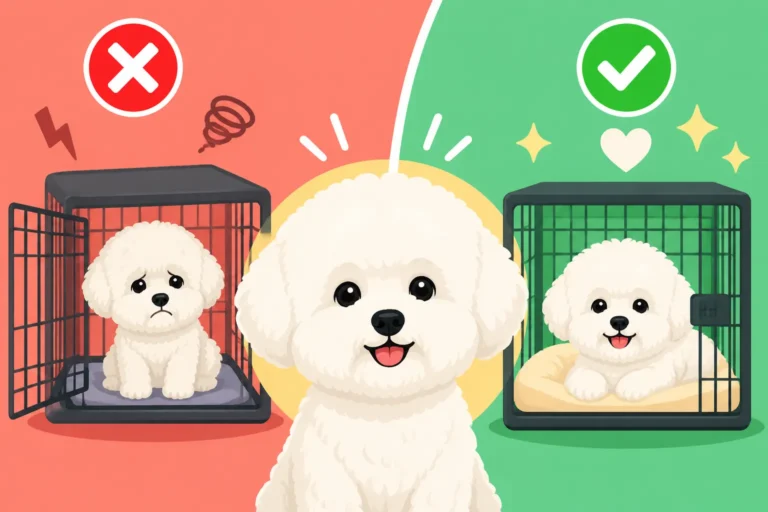
- Crate Training: A properly introduced and used crate can be an invaluable housetraining tool. Dogs are naturally inclined not to soil their sleeping area. A crate, therefore, encourages them to hold it until they are let out. If you're looking for guidance, resources from reputable online training programs like BAXTER & Bella often have excellent modules on integrating crate training effectively into your overall housetraining plan.
Imagine trying to learn a new language if the teacher only spoke it occasionally and changed the rules constantly. That's what it's like for your Bichon if your routine isn't consistent. A carefully planned and consistently executed schedule is truly the backbone of success. It’s why establishing Whether a Written Toilet Schedule Helps a Bichon Frise is so often recommended; it holds you accountable too!
Medical Considerations and Setbacks
Sometimes, what looks like a training setback is actually a medical issue. Bichon Frises, unfortunately, are predisposed to certain health problems that can directly impact their housetraining.
- Urinary Tract Infections (UTIs): A UTI can cause increased urgency and frequency, leading to accidents even in a otherwise well-housetrained dog. Your Bichon might suddenly start peeing more often, straining to go, or have accidents indoors, sometimes with no other obvious symptoms. If your previously clean Bichon suddenly starts having accidents, a vet visit should be your first step to rule out a UTI.
- Bladder Stones: This is a particularly serious concern for Bichons. They are genetically prone to forming calcium oxalate stones in their bladder. These stones can cause irritation, inflammation, and even partial or complete blockages. A dog with bladder stones will often exhibit increased frequency, straining to urinate, bloody urine, and, of course, accidents indoors due to discomfort and urgency. A sudden onset of "bad" housetraining behavior, especially if accompanied by other signs like lethargy or loss of appetite, could indicate Whether Stone Trouble Explains a Bichon Frise's Accidents. This is an emergency, especially if there's a blockage, and requires immediate veterinary attention.
- Excitement Wetting: Some Bichon puppies (and even adults) can urinate involuntarily when they get overly excited, scared, or submissive. While this isn't a training issue in the traditional sense, it can look like one. Managing this involves keeping greetings calm, avoiding over-the-top excitement, and allowing them to greet people outdoors if possible.
It's crucial to differentiate between a training lapse and a medical problem. Always consult your veterinarian if you notice any sudden changes in your Bichon's potty habits, as early intervention can prevent more serious health complications.
Environment and Puppy Background
The environment your Bichon grew up in, and their current living situation, can significantly influence their housetraining journey.
- Early Life Experiences: A puppy from a reputable breeder typically starts life in a clean environment, where they are encouraged to eliminate away from their sleeping area. This good foundation makes subsequent housetraining easier. Conversely, a puppy from a pet store or "backyard breeder" (often a euphemism for a puppy mill) might have spent their formative weeks in a small, dirty cage, learning to relieve themselves wherever they are. This creates a significant hurdle, as they haven't learned the basic concept of keeping their den clean. It can be a heartbreaking reality for owners, leading to a long road if Whether a Mill Bred Bichon Frise Never House Trains is the case. These puppies need extra patience and structured training to overcome their early conditioning.
- Weather Preferences: Many Bichons, with their delicate coats, are not fans of cold, rain, or snow. Trying to get them to go potty in a downpour can be a battle of wills. Some will simply refuse to go, holding it until they're back inside. Providing a covered outdoor area, investing in a doggy raincoat, or even using an indoor potty solution temporarily during inclement weather can help. You might also notice Whether a Bichon Frise Hates Wet Grass, making some spots undesirable.
- Access to Potty Area: Is your designated potty spot easy for your Bichon to access? Is it safe, clean, and free from intimidating noises or other animals? If your Bichon feels uncomfortable or insecure in their potty area, they might hesitate to use it, opting for a safer spot indoors instead.
Understanding these environmental and background factors allows you to be more empathetic and strategic in your housetraining approach, addressing specific challenges your individual Bichon might face.
Strategies to Accelerate (and Support) Housetraining
Now that we understand the challenges and influencing factors, let's talk about actionable strategies that can truly make a difference in your Bichon's housetraining success.
The Power of a Consistent Schedule
Consistency isn't just a buzzword; it's the bedrock of successful housetraining for a Bichon. Your puppy's internal clock needs to learn when and where it's appropriate to go. Here's a sample schedule, which you can adjust based on your Bichon's age and individual needs:
| Time | Activity | Rationale |
|---|---|---|
| 7:00 AM | Wake up & Immediate Potty Break | Empty bladder after holding overnight. |
| 7:15 AM | Breakfast & Water | Food stimulates bowels; water fills bladder. |
| 7:30 AM | Potty Break | After eating/drinking, they'll need to go. |
| 7:30 – 8:30 AM | Playtime & Short Training | Keep an eye out for potty cues. |
| 8:30 AM | Potty Break | After play, always a good idea. |
| 8:30 – 10:00 AM | Crate Time / Supervised Quiet Time | Builds bladder control; prevents accidents. |
| 10:00 AM | Potty Break | After a rest/crate session. |
| 10:00 AM – 12:00 PM | Playtime / Training / Walk | Stay vigilant. |
| 12:00 PM | Potty Break | Another scheduled break. |
| 12:30 PM | Lunch & Water | Another mealtime. |
| 1:00 PM | Potty Break | After eating/drinking. |
| 1:00 – 3:00 PM | Crate Time / Nap Time | Helps them relax and hold it. |
| 3:00 PM | Potty Break | After a rest. |
| 3:00 – 5:00 PM | Playtime / Family Time | Keep supervising. |
| 5:00 PM | Potty Break | Pre-dinner break. |
| 5:30 PM | Dinner & Water (no water after 7 PM for puppies) | Final big drink for the day. |
| 6:00 PM | Potty Break | After eating/drinking. |
| 6:00 – 8:00 PM | Calm Play / Cuddle Time | Winding down. |
| 8:00 PM | Potty Break | Last chance before bed. |
| 10:00 PM | Final Potty Break Before Bed | Essential for making it through the night. |
Remember, this is a starting point. Young puppies will need more frequent trips. As your Bichon gets older and gains more bladder control, you can gradually extend the time between breaks. The crucial part is to stick to it as closely as possible, making the routine a predictable part of your Bichon's day.
Effective Tools and Techniques
Beyond the schedule, several tools and techniques can significantly aid your Bichon's housetraining journey.
- Crate Training: As mentioned, a crate is a fantastic aid. When used correctly – as a cozy, safe den, never for punishment – it leverages a dog's natural instinct not to soil their sleeping area. Start with short periods and gradually increase the time. Ensure the crate is just large enough for your Bichon to stand up, turn around, and lie down comfortably. If it's too big, they might use one end as a bathroom. You can find a wide variety of comfortable, appropriately sized crates on platforms like Amazon. For detailed, step-by-step guidance on successful crate training, a comprehensive program like BAXTER & Bella offers invaluable resources and video tutorials. Whether Crate Training Works on a Bichon Frise effectively often comes down to the owner's consistent and positive application of the method.
- Puppy Pads/Indoor Grass Patches: These can be a double-edged sword. While they offer an immediate solution for apartment dwellers or during bad weather, they can also teach your Bichon that it's okay to go potty indoors, potentially prolonging outdoor training. If you use them, place them in a specific, consistent location, and gradually move them closer to the door, eventually phasing them out as your Bichon becomes more reliable outdoors. Whether a Bichon Frise Learns to Use a Pad depends on your approach. If you decide to use them, look for highly absorbent pads on Amazon.
- Bell Training: This is a fantastic way to teach your Bichon to communicate their need to go out. Hang bells on the doorknob leading outside. Each time you take your Bichon out, gently tap their paw against the bells, say "Potty bells!" or "Outside!", and then immediately go out. Reward them heavily when they go potty outside. Soon, they'll learn to ring the bells themselves to signal their need.
- Enzyme Cleaners: Accidents will happen. It's an unavoidable part of the process. When they do, it's critical to clean them up thoroughly with an enzymatic cleaner. Regular household cleaners might remove the visible stain, but they often leave behind odors that only a dog can detect, which can encourage them to soil the same spot again. There are many effective enzyme cleaners available on Amazon that can truly eliminate those lingering scents.
Managing Setbacks and Staying Positive
Housetraining isn't a linear path; there will be ups and downs. A setback doesn't mean you've failed or that your Bichon isn't capable.
- Accidents Are Not Failures: View accidents as opportunities to learn about your Bichon's signals or identify gaps in your routine. Never, ever punish your Bichon for an indoor accident, especially if you find it after the fact. Dogs don't connect punishment to past actions; they only learn to fear you. If you catch them in the act, a quick, firm "No!" (without yelling), immediately scooping them up, and rushing them outside is the most effective intervention. Reward profusely if they finish outside.
- Patience is a Virtue: This goes double for Bichon Frise housetraining. Some dogs genuinely take longer, and rushing or becoming frustrated will only create anxiety in your sensitive Bichon, potentially hindering progress.
- Celebrate Small Victories: Every successful outdoor potty break is a step forward. Praise your Bichon, give them a treat, and let them know they've done well. Positive reinforcement builds confidence and reinforces the desired behavior.
- Re-evaluate Your Routine: If accidents are becoming frequent, go back to basics. Increase the frequency of potty breaks, enhance supervision, or spend more time working on crate training. Sometimes, simply adjusting your schedule by 15-30 minutes can make a world of difference.
Remember, your Bichon wants to please you, but they also have developing bladders and instincts. Your consistent guidance and unwavering patience are their best chance for success.
When Housetraining Still Isn't Sticking
Despite your best efforts and consistent routine, some Bichons might continue to struggle with housetraining. If you've been diligently following a plan for months and still face persistent accidents, it's time to consider alternative approaches.
Ruling Out Health Issues
As we discussed earlier, health problems can often masquerade as behavioral issues. If your Bichon, particularly one who was previously housetrained or showing good progress, suddenly starts having frequent accidents, increased urgency, straining, or any changes in their urine (such as blood or unusual color), a trip to the vet is non-negotiable.
Conditions like urinary tract infections, bladder stones (which Bichons are particularly prone to), or even diabetes can all lead to increased urination and loss of bladder control. Your veterinarian can perform a urinalysis, blood tests, and potentially imaging like X-rays or ultrasound to pinpoint any underlying medical causes. For a Bichon who is always trying to go, even when they've just been out, Whether Frequent Squatting Means Stones Not Training is a question that absolutely needs to be answered by a professional, as it can indicate a serious issue. Don't assume it's "bad behavior" if a health problem could be the root cause. Addressing the medical issue will often resolve the housetraining problem simultaneously.
Seeking Professional Guidance
If your veterinarian has given your Bichon a clean bill of health, and you're still struggling, it might be time to enlist the help of a professional dog trainer or a certified canine behaviorist. They can provide an objective assessment of your specific situation, identify subtle cues or inconsistencies you might be missing, and develop a customized training plan tailored to your Bichon's unique personality and challenges.
A good trainer can observe your interactions, your home setup, and your Bichon's behavior patterns to offer insights and techniques that you might not have considered. They can teach you how to refine your communication, improve your timing, and address any anxiety or resistance your Bichon might be displaying. Many professional trainers offer virtual consultations, which can be incredibly convenient. Additionally, online resources and comprehensive programs, such as those offered by BAXTER & Bella, provide structured lesson plans and support that can guide you through more complex training challenges. These programs often include access to trainers who can answer specific questions and troubleshoot persistent problems. Remember, asking for help is a sign of a responsible pet owner, not a failure. Sometimes, a fresh pair of experienced eyes is all it takes to get your Bichon on the right track to being consistently clean indoors.
Housetraining a Bichon Frise can indeed be a challenging, often extended process, stretching over many months rather than just a few weeks. But with realistic expectations, unwavering consistency, a keen eye for potential medical issues, and a healthy dose of patience and positive reinforcement, your fluffy companion will eventually master the art of indoor cleanliness. Celebrate every small victory, remember that accidents are part of the journey, and never hesitate to seek professional help if you hit a roadblock. You've got this, and your Bichon will thank you for your persistence!
Disclaimer
This article is for general informational purposes only and does not constitute professional advice. Laws, prices and regulations vary by location and change over time. Consult a qualified professional for guidance on your specific situation.