Whether a Bichon Frise Struggles With Ear Plucking
It’s a common concern for Bichon Frise parents: that delicate dance of keeping those adorable floppy ears clean and clear. Many of us have heard about ear plucking, and the thought of causing our fluffy companions discomfort can be truly heartbreaking. If your Bichon seems to struggle with this particular grooming task, you're certainly not alone, and this guide is here to walk you through why it might be happening and how you can make the process much more comfortable for everyone involved.
Understanding Why Ear Plucking Can Be a Struggle for Bichon Frises
Let's be honest, no dog enjoys having hair pulled from their ears, but for some Bichons, it can be a genuine ordeal. Their unique anatomy and sensitive nature can turn what should be a routine maintenance step into a dreaded event. Understanding the root causes of this struggle is the first step toward finding a kinder, more effective approach.
The Sensitive Nature of Bichon Frise Ears
A Bichon Frise's ear canal is more than just a furry tunnel; it's a very delicate area. Unlike some breeds with minimal hair inside their ears, Bichons have a dense growth of soft, often curly hair that extends deep into the ear canal. This hair, while contributing to their charming appearance, can also trap moisture, debris, and wax, creating a perfect breeding ground for bacteria and yeast. However, the very act of removing this hair can be uncomfortable.
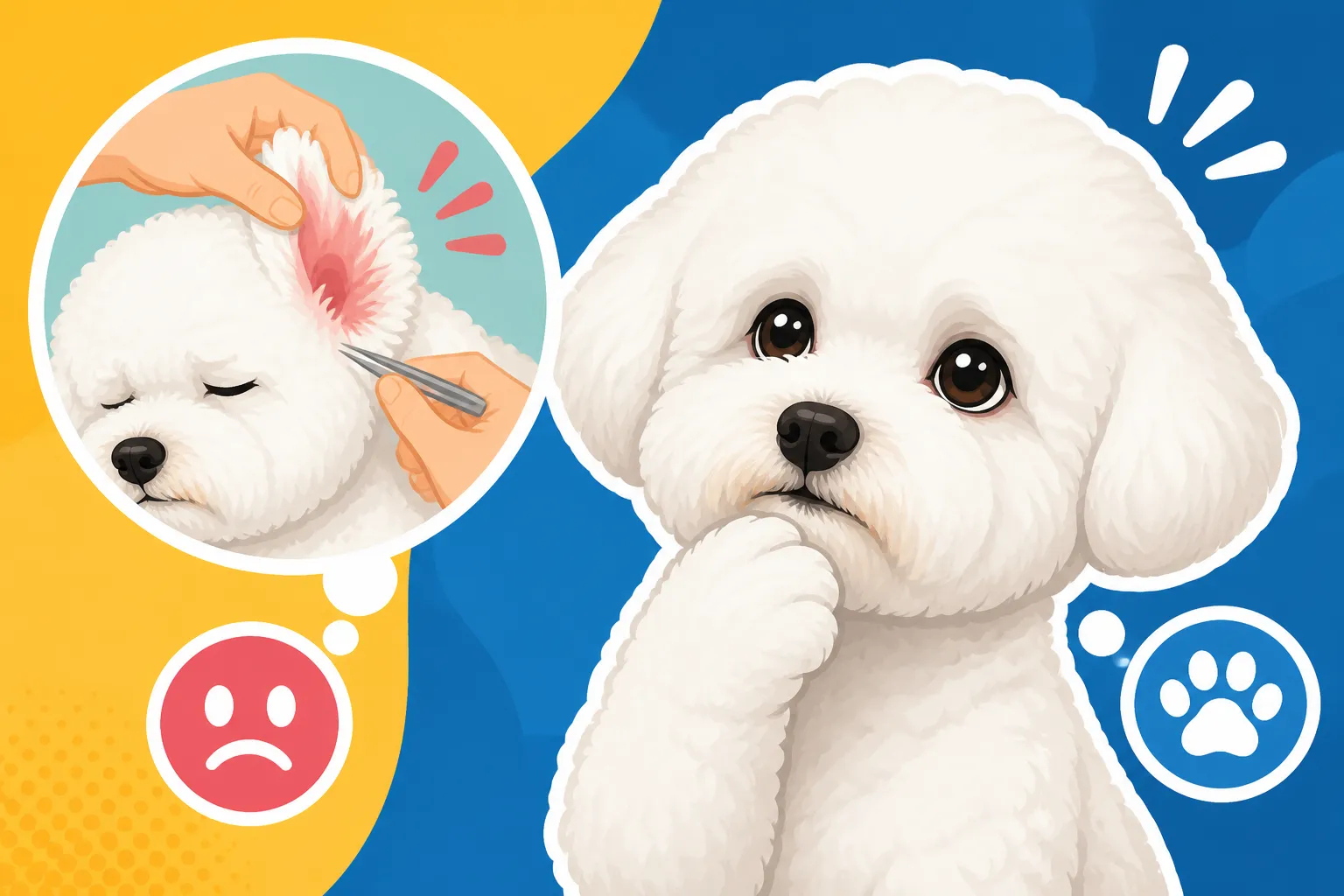
The skin lining the ear canal is thin and sensitive, and the cartilage beneath it can be quite tender. When hair is pulled, especially if it's done quickly, roughly, or in large clumps, it can cause pain, inflammation, and even tiny tears in the skin. Imagine having hair pulled from a sensitive area on your own body – it's not pleasant. For a Bichon who can't tell you exactly what hurts, their struggling, yelping, or head-shaking is their only way to communicate that this process is causing them distress. It's not just "hair pulling" for them; it's a potential source of significant discomfort.
Early Experiences and Negative Associations
Just like humans, dogs learn from their experiences. A bad first encounter with ear plucking can set the stage for a lifetime of fear and resistance. Perhaps a groomer was too rough, or a previous owner tried to pluck without proper knowledge or tools. If your Bichon puppy had a painful ear plucking experience early on, they're likely to associate the sight of ear powder, hemostats, or even just someone touching their ears with that unpleasant sensation.
This negative association can then generalize to other grooming activities. A dog that fears ear plucking might also become wary of nail trims, bathing, or even just being held still for examination. Their struggle isn't necessarily about being "naughty"; it's a defensive reaction to what they anticipate will be a painful event. It reinforces the importance of a gentle introduction to all grooming tasks when they are young, and making sure every experience is as positive and calm as possible. Building trust around their ears is just as crucial as building it around their paws or muzzle.
Underlying Health Issues Masking Pain
Sometimes, the struggle isn't purely about discomfort from hair pulling, but an indication of an underlying health problem. If your Bichon suddenly starts resisting ear plucking, even if they were previously tolerant, it's a huge red flag. An ear infection, allergies leading to irritated skin, or even tiny foreign bodies could be making their ears exquisitely sensitive.
Signs of an underlying issue might include redness inside the ear flap, a foul odor emanating from the ear, excessive scratching or pawing at the ear, head shaking, or discharge (waxy, yellowish, or brownish). If you notice any of these symptoms, attempting to pluck hair could not only be incredibly painful for your dog but could also worsen the condition. Before you even think about grabbing the hemostats, a thorough check by your veterinarian is essential. They can diagnose and treat any infection or inflammation, making subsequent grooming attempts much more tolerable. Remember, a healthy ear is a happy ear, and a happy ear is much less likely to cause a fuss during grooming. Catching issues early is key, so pay attention to Recurrent Ear Infections in a Bichon Frise.
The Right Approach to Minimize Struggle and Maximize Comfort
Now that we understand why ear plucking can be such a hurdle, let's talk about proactive and compassionate strategies to make it a more manageable, and ideally, even pleasant, experience for your Bichon Frise. It's all about patience, positive reinforcement, and using the right tools in the right way.
Desensitization and Positive Reinforcement from a Young Age
The absolute best time to start getting your Bichon comfortable with ear handling and plucking is when they are a puppy. Even if they don't need hair plucked yet, start by gently touching and massaging their ears. Make it a game! Touch their ear, give a tiny, high-value treat, and praise them lavishly. Repeat this many times a day, gradually increasing the duration of the touch and moving your fingers slightly into the ear canal.
These sessions should be short, positive, and always end on a good note. Never push them past their comfort level. If you have an adult Bichon who is already struggling, the same principles apply, but it will take more time and patience. Break the process down into the tiniest steps: simply touch the ear, then lift the flap, then gently insert a finger, always rewarding calmness. Consistency is vital. Think of it as building a positive memory bank for their ears. Resources like BAXTER & Bella offer online training programs that can guide you through effective desensitization techniques for all sorts of grooming challenges, not just ear care. Their methods emphasize positive reinforcement, which is crucial for building a strong, trusting bond with your dog during these sometimes-unpleasant tasks.
Choosing the Right Tools and Techniques
The tools you use and how you use them make a world of difference. For most Bichon Frises, finger plucking is often preferred over using hemostats, especially for home grooming. Hemostats can easily grab too much hair, or even skin, causing significant pain. If you do opt for hemostats, choose ones with a fine tip and use them with extreme caution, only grabbing one or two hairs at a time.
Regardless of your tool choice, ear powder can be a game-changer. It helps absorb moisture, provides better grip on the fine, slippery hairs, and can even have a mild soothing or drying effect. You can find quality ear powders and specialized grooming tools on platforms like Amazon. Sprinkle a tiny amount into the ear canal, gently massage it in, and then wait a minute or two for it to work. When plucking, always pull only a few hairs at a time, in the direction of hair growth, with a swift, confident motion. This minimizes the "drag" and discomfort. Work in well-lit area so you can clearly see what you're doing.
The Importance of Regularity and Professional Guidance
When it comes to ear plucking, consistency is far more important than intensity. Instead of letting hair build up for months and then attempting a major overhaul, aim to pluck a small amount of hair every week or two. This prevents large clumps from forming, reduces the amount of hair you need to remove at any one time, and keeps the ears consistently clearer. This regular, gentle maintenance will be far less stressful for your Bichon than infrequent, traumatic sessions.
If you’re truly uncomfortable or your Bichon absolutely refuses to cooperate, don't hesitate to seek professional help. A good professional groomer has specialized tools, techniques, and experience with various dog temperaments. They can often get the job done more efficiently and with less stress. More importantly, your veterinarian can also assist. They can assess the ear's health, discuss pain management options, or even perform the plucking if medically necessary, sometimes under mild sedation for particularly anxious or painful cases. It's worth learning How Often a Bichon Frise's Ears Should Be Cleaned to keep on top of things.
When Plucking Isn't the Best Option: Alternatives and Considerations
While ear plucking has long been the standard for breeds with hairy ear canals like the Bichon Frise, it’s not always a hard and fast rule. There’s a growing discussion among vets and groomers about whether it’s truly necessary for every dog, and sometimes, alternative approaches might be better for your individual Bichon.
Trimming Versus Plucking
The debate over trimming versus plucking ear hair is a valid one, and it's worth considering for your Bichon. Some veterinarians and groomers argue that plucking, while removing hair, can also create micro-traumas in the ear canal, potentially leading to inflammation or even introducing bacteria into tiny follicle openings, increasing the risk of infection. For some dogs, especially those prone to very sensitive skin or frequent ear issues, this irritation might outweigh the benefits of hair removal.
Trimming the hair inside the ear canal with blunt-nosed scissors or a small clipper blade is an alternative. The main advantage is that it avoids pulling at the skin and hair follicles, thus reducing discomfort and irritation. However, the downside is that trimming doesn't remove the hair entirely; it only shortens it. This means the hair is still present to potentially trap moisture and debris. If you opt for trimming, it needs to be done more frequently to keep the hair short and prevent matting deep inside the ear. It’s crucial to be incredibly careful when trimming near the eardrum to avoid accidental injury. For Bichons with very dense, matting hair, a combination approach might be best: a few carefully plucked hairs, followed by trimming the rest.
Consulting Your Veterinarian or a Trusted Groomer
If you've tried all the positive reinforcement and gentle techniques, and your Bichon still struggles immensely with ear plucking, it's absolutely time to bring in the professionals. Your veterinarian is your best resource here. They can perform a thorough otoscopic exam to rule out any hidden infections, foreign bodies, or anatomical abnormalities that might be making the ears painful. They can also discuss whether plucking is truly beneficial for your individual dog, or if a different approach, like regular trimming combined with medicated ear cleaners, would be more appropriate.
In rare and extreme cases where a Bichon becomes incredibly anxious or aggressive during ear care, your vet might suggest a mild sedative to make the process safe and less traumatic for both of you. This is usually a last resort, but it’s an option to consider for their overall well-being. A trusted professional groomer can also offer invaluable advice and demonstrate proper techniques, or simply take over the task for you. Remember, every Bichon is an individual, and what works for one might not work for another. Don't feel pressured to force a procedure that causes extreme distress.
Managing Allergies and Ear Health Proactively
Often, persistent ear issues and sensitivity to grooming are symptoms of a larger problem, such as allergies. Many Bichon Frises are prone to environmental or food allergies, which can manifest as itchy, inflamed skin, including the delicate skin inside their ears. When the ear canal is already irritated from allergies, any attempt at plucking, no matter how gentle, can be incredibly painful and contribute to their struggle.
Proactive allergy management can significantly improve ear health and, by extension, tolerance to grooming. This might involve working with your vet to identify and manage environmental allergens through medication or immunotherapy, or exploring a hydrolyzed or novel protein diet if food allergies are suspected. Understanding Whether a Bichon Frise's Itching Is Food or Pollen is a crucial step in this. Regular ear cleaning with a vet-approved solution, even when not plucking, can also help maintain a healthy ear environment, reducing the build-up of wax and debris that can exacerbate issues. Your vet can advise you on Whether a Bichon Frise's Ears Need Treating Constantly and recommend appropriate cleaning products. A healthy, non-inflamed ear is much less sensitive and far more likely to tolerate necessary maintenance.
Here’s a quick comparison to help you weigh your options:
| Feature | Ear Plucking | Ear Trimming |
|---|---|---|
| Method | Hairs removed from the root with fingers/hemostats | Hairs cut short with scissors/small clippers |
| Effectiveness | Clears ear canal completely | Shortens hair, still present to trap debris/moisture |
| Frequency | Less frequent (every 2-4 weeks) | More frequent (weekly or bi-weekly) |
| Comfort Level | Can be painful if done incorrectly/too much | Generally less painful for the dog |
| Risk | Micro-trauma, inflammation, potential infection | Accidental cuts if not careful; less air circulation |
| Best For | Dogs with moderate ear hair, no history of sensitivity/infection | Dogs with very sensitive ears, prone to irritation |
Ultimately, finding the right approach for your Bichon Frise involves observing their reactions, consulting with professionals, and being patient. Your dog’s comfort and well-being should always be the priority.
Disclaimer
This article is for general informational purposes only and does not constitute professional advice. Laws, prices and regulations vary by location and change over time. Consult a qualified professional for guidance on your specific situation.