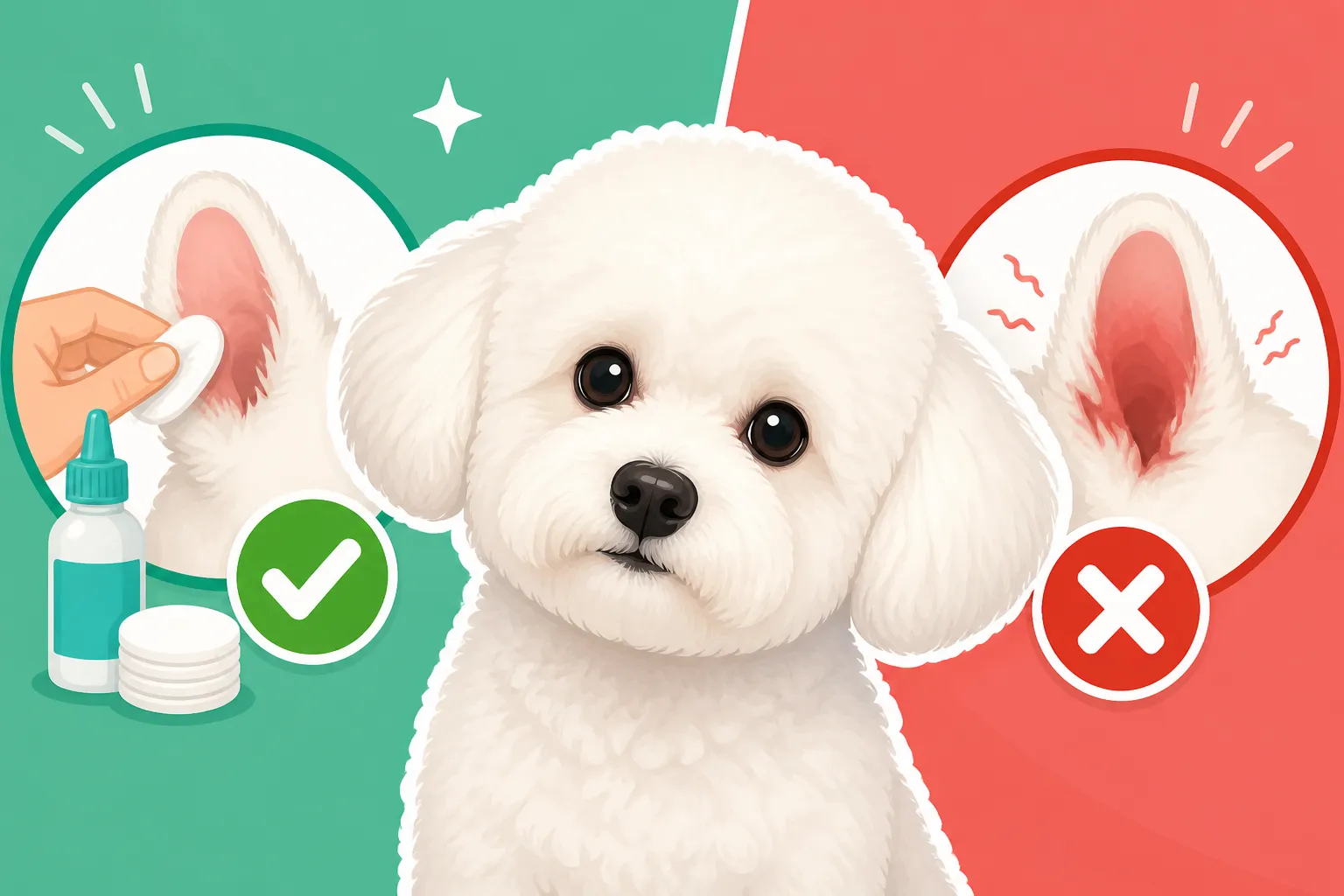
Whether a Bichon Frise’s Ears Need Treating Constantly
If you’re a Bichon Frise parent, you've likely found yourself asking this question more than once: why do their ears seem to need constant attention? It's incredibly frustrating when you're diligently cleaning, and yet your sweet pup is still shaking their head, scratching incessantly, or giving you that worried look. This guide is here to shed light on why Bichons are so prone to ear issues and, more importantly, how you can move beyond endless "treating" to truly effective, long-term management.
Understanding Why Bichon Frise Ears Are Prone to Trouble
The truth is, our adorable Bichons are predisposed to ear problems due to a combination of genetics and their unique physical characteristics. It's not just bad luck; it's often a perfect storm brewing right there in their ear canals.
The Anatomy of a Bichon Frise's Ear
Let's talk about those charming floppy ears. While they add to the Bichon's irresistible cuteness, they also create a microclimate that's unfortunately ideal for microbial growth. Unlike dogs with erect ears, air circulation in a Bichon's ear canal is naturally limited. This means moisture, warmth, and humidity get trapped inside, rather than evaporating easily.
Beyond the floppy exterior, the Bichon Frise ear canal itself can be quite narrow. Think of it like a long, winding tunnel with a lot of hair growing inside. Yes, their fluffy coats extend right down into the ear canal! This dense hair acts like a net, catching debris, wax, and moisture, and further impeding airflow. It creates a dark, moist, and poorly ventilated environment – essentially a five-star resort for yeast and bacteria to thrive. You can learn more about whether a Bichon Frise's ears trap moisture.
Common Underlying Causes of Persistent Ear Problems
While the physical structure sets the stage, there are usually underlying factors that truly kick off and sustain those irritating ear infections. Simply treating the infection without addressing these root causes often leads to the problem coming back, sometimes worse than before.
One of the most significant culprits for Bichon Frises is allergies. Just like people, dogs can suffer from environmental allergies (atopy) triggered by pollen, dust mites, or mold, or food allergies caused by certain ingredients in their diet. When a Bichon experiences an allergic reaction, it doesn't always manifest as skin rashes all over their body. Often, the skin lining their ear canals becomes inflamed, red, and itchy – priming it for infection. This makes the ears a hotspot for problems, and it’s why it sometimes feels like you’re constantly battling Recurrent Ear Infections in a Bichon Frise.
Beyond allergies, we often see opportunistic invaders like yeast (Malassezia) and various types of bacteria. These organisms are normally present in small numbers on healthy skin, but once the ear environment changes – due to moisture, inflammation from allergies, or even trauma from scratching – they seize the opportunity to multiply rapidly, leading to full-blown infections. Ear mites, while less common in adult dogs that receive regular care, can also be a cause, especially in puppies or dogs from shelters.
The Vicious Cycle of Chronic Ear Infections
When ear problems aren't just one-offs but a persistent battle, it feels like you're caught in a vicious cycle. You treat it, it goes away, and then, poof, it's back again a few weeks or months later. This constant struggle is not only stressful for you but also incredibly uncomfortable and painful for your Bichon.
When "Treating Constantly" Becomes a Reality
It’s heartbreaking to see your happy-go-lucky Bichon suddenly looking miserable because of their ears. The signs are usually quite clear: relentless head shaking, pawing or scratching at their ears (sometimes to the point of causing secondary skin damage), and a noticeable discharge or foul odor emanating from the ear canal. The discharge might be waxy and dark brown, or yellow and pus-like, depending on whether yeast or bacteria are predominantly at play. Sometimes the ear flap itself will be red and swollen.
When these symptoms become a regular occurrence, it’s a clear sign that the inflammation is becoming chronic. Over time, repeated infections and inflammation cause changes within the ear canal itself. The skin lining thickens, sometimes becoming almost leathery. This thickening, known as hyperplasia, further narrows the ear canal, making it even harder for air to circulate and for topical medications to penetrate effectively. It becomes a self-perpetuating problem: inflammation leads to infection, which leads to more inflammation and structural changes, making future infections even more likely and harder to resolve. This is precisely why it feels like your Bichon's ears need treating constantly.
The Role of Secondary Infections and Resistance
Often, what starts as an allergic inflammation or a mild yeast overgrowth can quickly escalate. The inflamed, moist ear canal is an open invitation for bacteria to move in, leading to a secondary bacterial infection. These can be particularly nasty, causing more pain, swelling, and a much thicker, pus-like discharge.
One of the biggest challenges with chronic ear infections is the risk of antibiotic and antifungal resistance. If the same medications are used repeatedly without fully resolving the underlying issue, the bacteria or yeast can develop resistance, meaning those treatments will no longer be effective. This can leave vets with fewer options and make it even harder to clear the infection. It emphasizes why getting a proper diagnosis with a culture and sensitivity test is so crucial, rather than just guessing which drops might work this time. For Bichon Frises dealing with persistent discomfort, you might also notice Whether an Itchy Bichon Frise Bites When Handled.
Breaking the Cycle: A Proactive Approach to Ear Health
The key to escaping the "treating constantly" trap is to stop reacting to every flare-up and instead proactively address the root causes and maintain ear health. This often requires a multi-faceted approach and a good partnership with your veterinarian.
Regular Cleaning and Maintenance Beyond Treatment
A consistent ear cleaning routine is paramount for Bichons, even when their ears appear healthy. The goal of cleaning isn't just to treat an infection; it's to create an environment where infections can't easily take hold. For most Bichons, a gentle, thorough cleaning once a week, or at least every two weeks, is a good starting point. However, if your dog is prone to issues, your vet might recommend cleaning more frequently, especially after baths or swimming. You might wonder How Often a Bichon Frise's Ears Should Be Cleaned.
When choosing an ear cleaner, look for one that is pH balanced, non-irritating, and specifically designed for canine ears. Your vet can recommend suitable brands. To clean, gently lift your Bichon’s ear flap, fill the ear canal with the cleaner (don't worry, it won't hurt them!), massage the base of the ear for 20-30 seconds to help break up wax and debris, then allow your dog to shake their head. Finally, use a soft cotton ball or gauze wrapped around your finger to wipe away any excess solution and debris from the visible parts of the ear. Never use cotton swabs inside the ear canal, as this can push debris further in and potentially damage the eardrum.
There's often a debate about ear hair plucking in Bichons. Some groomers and owners believe it helps airflow, while others argue it can irritate the sensitive skin and potentially introduce bacteria, leading to more infections. If you choose to pluck, it should be done carefully and sparingly, or by a professional. Discuss Whether a Bichon Frise's Ear Hair Should Be Plucked with your vet to see if it's recommended for your specific dog.
Addressing the Root Cause: Allergies and Diet
As we discussed, allergies are a huge driver of chronic ear issues in Bichons. Identifying and managing these allergies is often the most impactful step you can take. Your vet might suggest:
- Food Trials: If food allergies are suspected, your vet might recommend an elimination diet using a novel protein or hydrolyzed protein diet for 8-12 weeks. This involves strictly feeding only the prescribed diet – no treats, no table scraps, nothing else – to see if ear inflammation improves. If it does, you can gradually reintroduce foods to pinpoint the culprit.
- Allergy Testing: For environmental allergies, your vet might refer you to a veterinary dermatologist for allergy testing. This can involve blood tests or intradermal skin testing to identify specific allergens. Once identified, a treatment plan, including immunotherapy (allergy shots or drops), can be formulated to desensitize your Bichon to these allergens over time. This can be a game-changer for many dogs, significantly reducing their reliance on symptomatic treatments. You can look into Managing a Bichon Frise's Skin Without Steroids as part of this approach.
Diet plays a crucial role not just in identifying food allergies, but also in supporting overall skin and ear health. High-quality dog foods with good sources of omega-3 fatty acids can help reduce inflammation throughout the body, including the ears.
Veterinary Partnership and Advanced Diagnostics
When ear issues persist, working closely with your veterinarian is non-negotiable. They have the tools and expertise to properly diagnose and treat complex cases.
- Cytology: This is where your vet takes a swab from your Bichon’s ear and examines it under a microscope to identify whether yeast, bacteria, or mites are present, and in what quantities. This immediate information guides the initial treatment choice.
- Culture and Sensitivity Testing: If infections are severe, recurring, or not responding to standard treatment, your vet may recommend a culture. This involves sending a swab to a lab to grow the specific bacteria or yeast present and test which antibiotics or antifungals will be most effective against them. This helps avoid using ineffective medications and reduces the risk of resistance.
- Otoscopy and Imaging: Your vet will use an otoscope to look deep into the ear canal and assess the eardrum. In chronic cases, the ear canal can become so swollen and narrowed that a clear view isn't possible, or there might be concerns about middle ear involvement. In such situations, sedation or anesthesia might be needed for a thorough examination, or even imaging like X-rays or CT scans to check for polyps, tumors, or fluid in the middle ear.
Don't hesitate to ask your vet for a referral to a veterinary dermatologist if your Bichon's ear problems are chronic and complex. Specialists have advanced training and equipment to tackle the toughest cases.
Long-Term Management Strategies and Prevention
Once you and your vet have identified the underlying causes and successfully treated any active infections, the focus shifts to long-term management and prevention. This is where consistency and attention to detail really pay off.
Environmental Controls and Lifestyle Adjustments
For Bichons with environmental allergies, minimizing exposure to allergens can make a significant difference. This might involve:
- Regular Cleaning: Keeping your home clean with frequent vacuuming, especially if you have carpets, and washing your dog's bedding weekly can reduce dust mites and pollen.
- Air Filters: High-efficiency particulate air (HEPA) filters in your home can help remove airborne allergens.
- Wiping Paws and Coat: After outdoor walks, especially during high pollen seasons, gently wipe your Bichon's paws and coat with a damp cloth or pet-safe wipes to remove allergens.
- Drying Ears Thoroughly: This is critical! After baths, swimming, or even walks in damp weather, ensure your Bichon's ears are completely dry. Use cotton balls or a soft towel to gently blot the outer ear, and consider using a hair dryer on a cool, low setting, held at a safe distance, to aid drying inside the ear flap. Remember, moisture is an ear infection's best friend.
Understanding Whether a Bichon Frise's Allergies Get Worse With Age can help you anticipate and adjust your management plan over their lifespan.
The Benefits of Consistent Monitoring and Prevention
Prevention truly is better than cure, especially with chronic ear issues. Establish a routine for checking your Bichon's ears regularly, even daily if they are prone to problems. Look for any redness, swelling, discharge, or unusual odor. Catching issues early can prevent them from escalating into full-blown infections.
Your vet might also recommend specific prophylactic ear drops or flushes to use periodically, even when the ears look healthy, particularly if your Bichon has known allergies. These products often contain ingredients that help acidify the ear canal or have mild antiseptic properties, making it less hospitable for yeast and bacteria.
Finally, consider the financial aspect of managing chronic conditions. Pet insurance, such as a comprehensive plan from Healthy Paws, can be invaluable. While most policies won't cover pre-existing conditions, if you enroll your Bichon early, a good policy can help significantly with the costs of diagnostic tests, specialty vet visits, medications, and even surgery if chronic inflammation leads to severe ear canal changes that require it. It provides peace of mind knowing you can provide the best care without financial strain. Healthy Paws is just one option, but it's worth exploring how pet insurance can support your Bichon's long-term health needs.
Here's a quick overview of common Bichon Frise ear issues and how they're typically managed:
| Ear Issue | Common Signs | Primary Cause | Treatment/Management | Prevention & Long-Term Care |
|---|---|---|---|---|
| Allergic Otitis | Red, itchy, inflamed ears; head shaking, scratching | Environmental/Food Allergies | Anti-inflammatory meds, allergy meds (Apoquel, Cytopoint) | Allergy testing, elimination diet, immunotherapy, environmental control |
| Yeast Infection | Itchy, waxy, dark brown discharge; sweet/musty odor | Underlying allergy, moisture | Antifungal ear drops/cleaners | Regular cleaning, address allergies, keep ears dry |
| Bacterial Infection | Redness, swelling, yellow/pus-like discharge, pain | Secondary to allergy/yeast | Antibiotic ear drops, oral antibiotics (if severe) | Treat underlying cause, culture & sensitivity testing for resistance |
| Ear Mites | Intense itching, dark, crumbly "coffee ground" debris | Parasitic infestation | Mite-specific ear drops, systemic antiparasitics | Regular parasite prevention |
| Chronic Otitis | Thickened ear canals, persistent discharge, pain | Unresolved underlying issues | Aggressive medical management, possibly surgery | Consistent management of underlying cause, regular vet checks |
Disclaimer
The information provided in this article is for general informational purposes only and is not a substitute for professional veterinary advice. Always consult with a qualified veterinarian for any health concerns or before making any decisions related to your pet's care.