Whether a Bichon Frise Lets You Trim Around Its Eyes
Let's be real, getting a fluffy, energetic Bichon Frise to sit perfectly still while you wave sharp objects near their eyes feels like trying to perform intricate surgery on a bouncing marshmallow. It's a common struggle for so many of us Bichon parents, feeling that knot of anxiety about nicking an eyelid while also knowing that those unruly hairs absolutely have to be trimmed. This guide is all about tackling that tricky eye area grooming, offering practical advice and a big dose of understanding.
The Challenge of Eye Area Grooming for Bichon Frises
Anyone who owns a Bichon Frise knows their eyes are one of their most expressive features, twinkling mischievously or looking at you with boundless affection. But keeping those bright eyes clear of irritating hairs and tear stains is a constant battle, and it's not always easy to get them to cooperate with a trim.
Why the Eye Area is So Sensitive
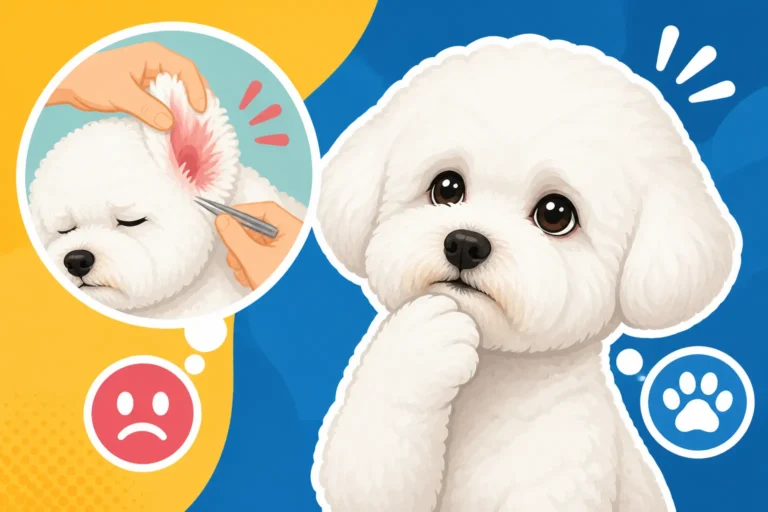
Our little Bichons are smart cookies, and they're incredibly attuned to what's happening around them. The eye area, for any living creature, is inherently delicate and something they instinctively want to protect. Think about it from their perspective: suddenly, a shiny, sharp object is coming right for their face. It’s natural for them to be wary, perhaps even a little dramatic, about it. Their quick head movements are often a protective instinct, not just stubbornness.
Beyond the mental aspect, the physical reality is that stray hairs around their eyes can be a real nuisance. They can poke directly into the eyeball, causing irritation, redness, and even minor abrasions that you might not even notice until it becomes a bigger problem. These hairs also trap moisture and debris, which significantly contributes to those infamous reddish-brown tear stains that so many Bichon owners grapple with. If those hairs aren't kept tidy, they can even mat and pull on the delicate skin around the eyes, making the area even more sensitive and painful to touch. It’s a vicious cycle where untrimmed hair leads to irritation, which makes the dog even less tolerant of grooming near its face.
Common Frustrations Owners Face
Oh, the exasperation is real! You’re not alone if you've found yourself in a wrestling match with your beloved Bichon, just trying to get a quick snip around their eyes. The squirming, the head-shaking, the sudden lunges to try and lick the scissors – it’s enough to make anyone throw in the towel. It's truly one of the most common grooming frustrations for Bichon owners. Many dogs will try to chew at the scissors, or even snap, not out of aggression, but sheer fear and discomfort.
The biggest fear, of course, is accidentally hurting them. Even a tiny nick on an eyelid or a poke to the eye can be devastating, both for the dog and for your peace of mind. And if an accident does happen, it's not just a momentary setback; it can create a lasting negative association for your Bichon with anything coming near their face. Future grooming sessions become even more challenging, turning into a battle of wills rather than a routine care task. It can even lead to more extensive matting because you, understandably, become hesitant to even try. It's totally okay to feel frustrated and even a bit defeated by this, but remember that patience and the right approach can make all the difference.
Essential Tools and Techniques for Safe Eye Trimming
Approaching the delicate eye area requires not just a calm demeanor, but also the right equipment and a methodical approach. You want to minimize stress for both you and your Bichon, ensuring safety above all else.
Choosing the Right Tools
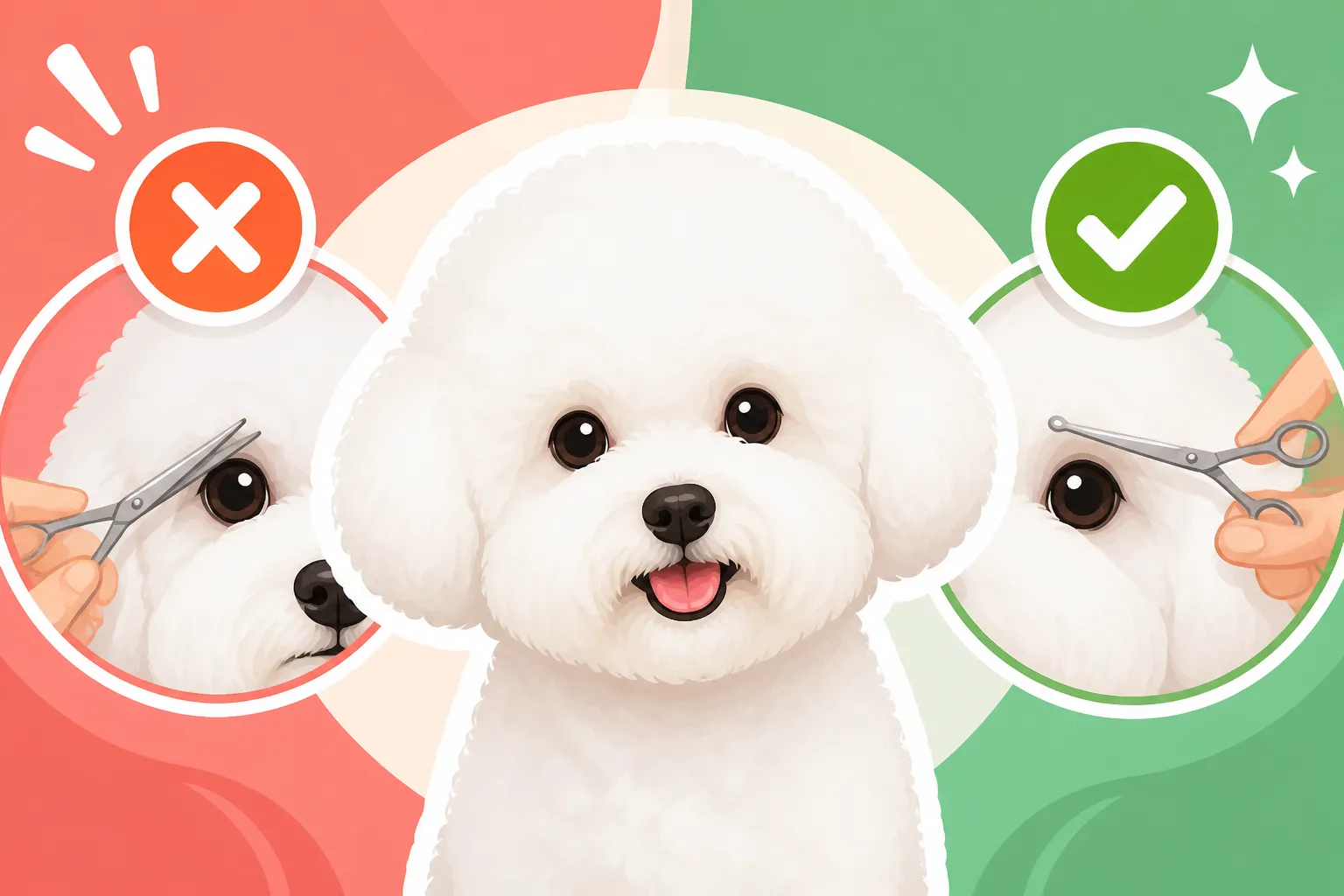
When it comes to trimming around your Bichon's eyes, safety isn't just a suggestion; it's absolutely paramount. The last thing you want is a sharp point near a wiggly eyeball. That’s why blunt-tip scissors are your absolute best friend here. These scissors have rounded ends, drastically reducing the risk of accidentally poking your dog's eye if they suddenly move. Look for small, lightweight scissors that fit comfortably in your hand, giving you maximum control. Ergonomic handles can make a big difference, especially if your hands tend to cramp during delicate tasks. You can find a great selection of these on platforms like Amazon, making it easy to compare features and read reviews from other pet owners.
Beyond the scissors, a small, fine-tooth comb is indispensable. This isn't just for looking fancy; it’s crucial for separating the hair, brushing it out of the eyes, and then combing it forward so you can see exactly what needs to be trimmed. This helps you avoid cutting too much or, worse, cutting skin that's hidden under a mat. For those who find their Bichon turns into a squirming worm during grooming, a grooming table with a restraint arm can be a game-changer. Even for small dogs, having them secured (but not uncomfortably tight) in one spot can provide the stability you need to work safely and efficiently. Just make sure the restraint is used gently and only to prevent jumping off, not to hold them completely immobile if they're thrashing.
Step-by-Step Approach to Trimming
Before you even pick up those blunt-tip scissors, create the right environment. Find a quiet, well-lit spot where you and your Bichon can be undisturbed. Make sure your dog has had a chance to relieve themselves and has burned off a little energy – a tired dog is often a more cooperative dog. Have plenty of high-value treats on hand. Remember, this isn’t about forcing; it’s about positive reinforcement.
Start by gently holding your Bichon’s muzzle with one hand, ensuring their head is steady but not feeling trapped. Use your thumb to gently push the eyelid down and your forefinger to push the skin above the eye up, exposing the hair you need to trim and moving the skin away from the eye itself. This helps create a safe zone. Then, using your comb, carefully brush the hair forward, away from the eye. Now, with your blunt-tip scissors, make tiny snips, always pointing the scissors away from the eye. Think of it like chipping away at an ice sculpture – small, controlled movements. Only trim the hair that is clearly interfering with their vision or causing irritation. Don't aim for perfection in one go; several short, calm sessions are infinitely better than one long, stressful one. Reward after every successful snip, even if it's just one tiny strand. This builds trust and positive associations.
Here's a quick comparison of useful tools for eye area grooming:
| Tool Type | Purpose | Key Benefit / Safety Feature | Important Consideration |
|---|---|---|---|
| Blunt-Tip Grooming Scissors | Trimming hairs around the eyes | Rounded tips prevent accidental pokes | Always point away from the eye; small snips only |
| Fine-Tooth Steel Comb | Separating hairs, removing debris | Helps visualize exact trimming area | Use gently to avoid pulling or scraping skin |
| Grooming Table with Arm | Stabilizing the dog during grooming | Provides secure, elevated workspace | Ensure proper restraint and comfort for the dog |
| Eye Wipes / Solution | Cleaning tear stains and eye discharge | Keeps area clean, prevents matting | Choose vet-approved, non-irritating products |
Building Trust and Positive Associations
The goal isn't just to get the job done, but to make eye area grooming a tolerable, or even pleasant, experience for your Bichon. This comes down to patience, positive reinforcement, and sometimes, knowing when to call in the cavalry.
Desensitization and Counter-Conditioning
This sounds fancy, but it just means gradually getting your Bichon used to something they dislike, and then making it a really good thing! Start small. Don't even bring out the scissors at first. Just gently touch your Bichon's face and around their eyes. If they tolerate it for a second, give them a high-value treat and lots of praise. Repeat this many times a day, for just a few seconds at a time. Once they're okay with your hands, introduce the blunt-tip scissors. Let them sniff the closed scissors. Treat. Touch the closed scissors gently to their face, then treat. Gradually, over days or even weeks, work your way up to opening and closing the scissors near their face (but not cutting hair), then finally, one tiny snip, followed by a huge celebration and a jackpot of treats.
The key here is pairing something they might find scary (the scissors, the close proximity to their eyes) with something incredibly positive (delicious treats, calm praise). If your Bichon shows any signs of stress, stop. Revert to an easier step and end the session on a positive note, even if it's just a simple face touch. Consistency and patience are your secret weapons. Think about resources like BAXTER & Bella that advocate for positive, reward-based training; these principles apply directly to making grooming a stress-free experience from puppyhood on. Early, positive exposure is so important – even before they have a lot of hair around their eyes! You want to teach them that grooming is a normal, rewarding part of life.
Seeking Professional Help
Sometimes, despite your best efforts, it just doesn't click. And that's absolutely okay! There's no shame in admitting that some tasks are better left to professionals. A skilled professional groomer has years of experience with all sorts of temperaments and knows how to safely handle even the most wiggly or anxious Bichons. They have specialized grooming equipment, often including powerful force dryers that help straighten the coat for a more precise cut, and techniques to keep dogs calm and still. Don't feel guilty if you need to take your Bichon to a groomer specifically for their eye area, especially if you've had a bad experience or are worried about causing an injury.
For Bichons with extreme anxiety or a history of trauma around grooming, your veterinarian might even suggest a sedated groom. This is usually a last resort, but for some dogs, it's the kindest option to ensure their safety and the groomer's. It allows for a clean, safe trim without the dog experiencing overwhelming fear. Discuss this option with your vet and groomer to see if it’s appropriate for your particular Bichon's needs. Remember, a professional's expertise can often save you a lot of stress and keep your Bichon looking and feeling their best.
Long-Term Maintenance and Prevention
Keeping up with eye area care isn't just about the occasional trim; it's an ongoing commitment that can prevent bigger problems down the road. Regular attention can drastically reduce the severity of tear staining and the risk of eye irritation.
Daily Habits for Eye Health
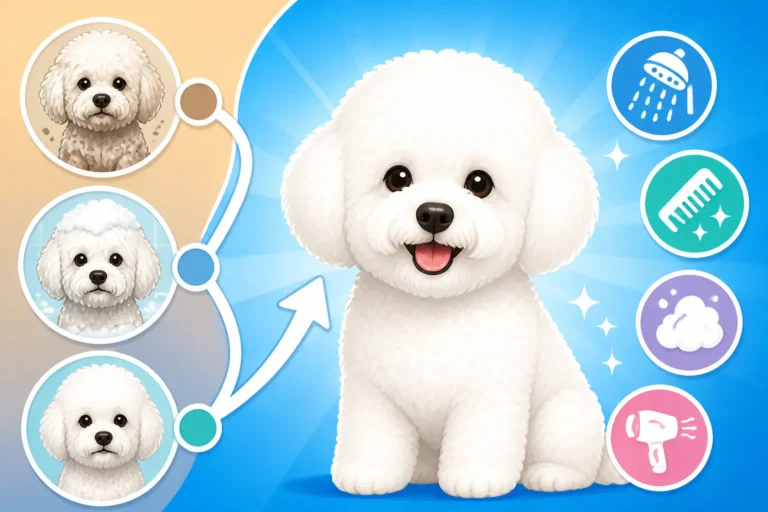
To truly get ahead of the game with your Bichon’s eye health, daily habits are crucial. Those pesky tear stains are often exacerbated by moisture, bacteria, and debris trapped in the hair around the eyes. Making a habit of gently wiping your Bichon's eye area every single day can make a world of difference. You can use a soft, damp cloth with warm water or, if recommended by your vet, a gentle, pet-safe eye wipe or solution. Simply wiping away the moisture and any accumulated gunk helps keep the area clean and prevents the dark staining from setting in. This daily routine is also an excellent opportunity for you to check for any signs of irritation or redness. We have more on this topic in Whether a Bichon Frise Tolerates Daily Eye Wiping.
Beyond wiping, consistent brushing of your Bichon's entire face is essential. This prevents mats from forming in the fine hair around their eyes, which can pull on their delicate skin and contribute to irritation. Even a quick brush with a soft slicker brush or a small comb each day can keep the hair free of tangles and prevent a "dreadlock" situation around their eyes. Remember, loose hair trapped near the eyes can quickly become a problem, so regular brushing, as discussed in How Long Brushing a Bichon Frise Takes, is preventive medicine. Keeping the face clean and dry, especially after meals or drinking, helps minimize moisture which is a breeding ground for yeast and bacteria that can worsen tear staining.
Recognizing Potential Problems
As a vigilant Bichon owner, knowing what's normal and what's not around their eyes is super important. Untrimmed hair isn't just an aesthetic issue; it poses genuine health risks. Hair constantly rubbing against the cornea can cause chronic irritation, leading to red eyes, excessive tearing, or even more serious conditions like corneal ulcers. These ulcers are incredibly painful and can become infected, potentially affecting your dog's vision if left untreated. If you notice your Bichon squinting, rubbing their eyes, or showing any increase in discharge (especially if it's thick, colored, or excessive), don't delay – this warrants a vet visit. You can learn more about specific eye issues in Whether a Bichon Frise Gets Corneal Ulcers.
Regular veterinary check-ups should include an eye exam, but it’s up to you to be the first line of defense. Any sudden onset of redness, cloudiness in the eye, or changes in how your Bichon holds their eyelids (like drooping or swelling) needs immediate professional attention. While good grooming and daily care prevent many issues, some problems are underlying medical conditions. Don't try to self-diagnose or treat anything beyond basic cleaning if you suspect an actual eye problem. Your vet can determine if it's simple irritation from hair, an infection, or something more serious that needs specific medication or intervention. Being proactive and aware is key to ensuring your Bichon's bright eyes stay healthy throughout their life. It's often recommended for Bichons to have Whether a Bichon Frise Needs a Yearly Eye Exam.
Disclaimer
This article is for general informational purposes only and does not constitute professional advice. Laws, prices and regulations vary by location and change over time. Consult a qualified professional for guidance on your specific situation.