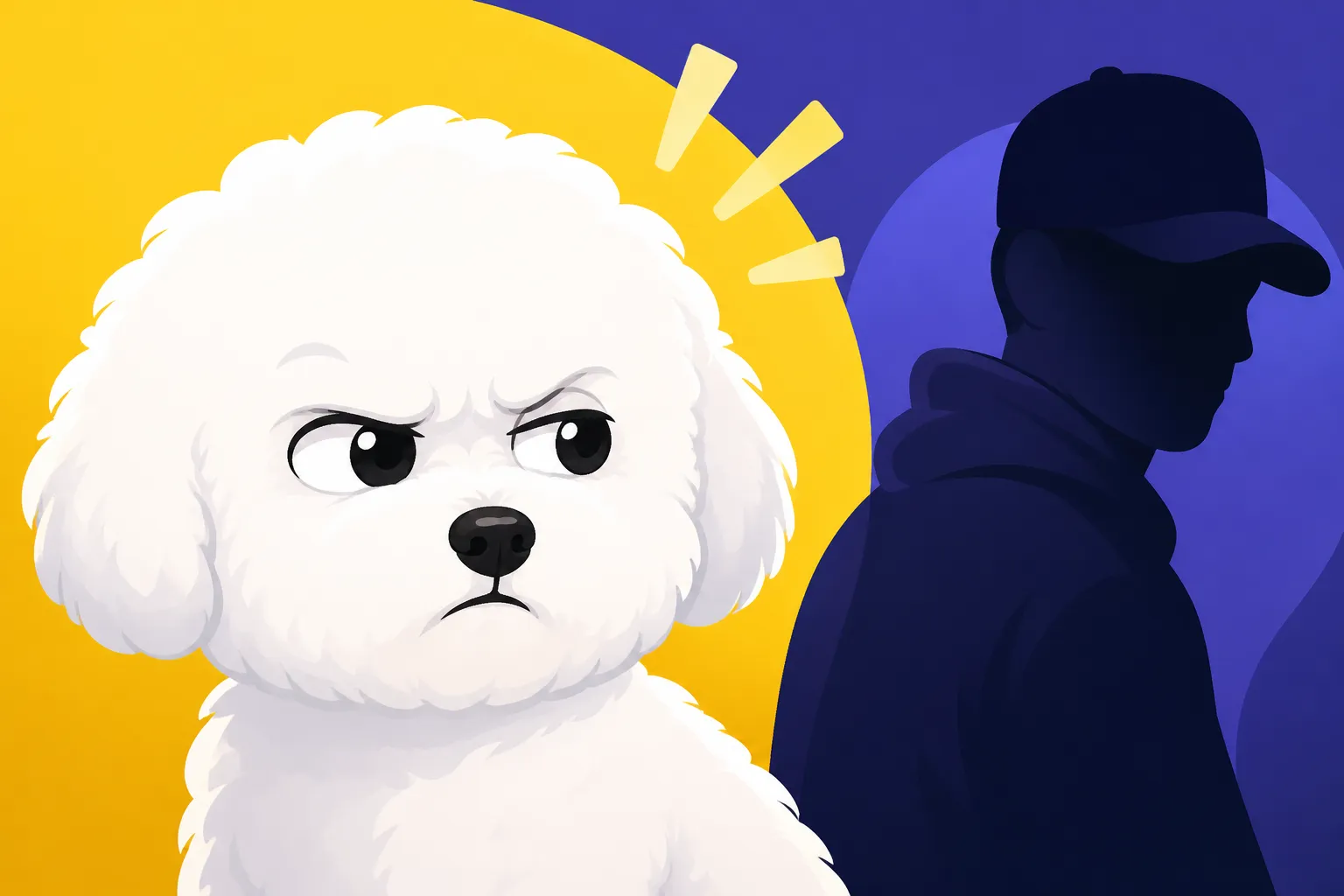
Whether a Bichon Frise Is Suspicious of Anyone
It can be quite bewildering when your little Bichon Frise, known for its cheerful and outgoing nature, suddenly seems wary, reserved, or even outright suspicious of certain people or situations. You expect that fluffy bundle of joy to greet everyone with a wagging tail, so encountering fear or apprehension can be frustrating and even a little heartbreaking. This guide will delve into why your Bichon might develop a suspicious streak, how to recognize the signs, and practical steps you can take to help them feel more secure and confident in the world.
The Generally Friendly Nature of a Bichon Frise
Bichon Frises have a long, storied history as charming companions, known for their bright personalities and affectionate disposition. When you picture a Bichon, you usually imagine a happy-go-lucky dog, eager to please and make new friends. This breed's very essence is built around being a delightful presence, which is why any deviation from that can feel so puzzling for owners.
Bred for Companionship and Charm
Historically, Bichon Frises were lapdogs for European nobility and later became popular performers, captivating audiences with their clever tricks and cheerful demeanor. They were literally bred to be part of the family, to thrive on human interaction, and to bring joy wherever they went. This background means they generally possess an inherent desire to connect with people and enjoy being at the center of attention. They often form incredibly strong bonds with their primary caregivers and see themselves as integral members of the household, which further underscores their natural inclination towards sociability.
The "Merry" Disposition
The official breed standard for the Bichon Frise even describes their temperament as "merry," and it’s a term you'll hear frequently when people talk about the breed. This isn't just a whimsical word; it encapsulates their lively, playful, and generally upbeat outlook on life. A merry Bichon is typically confident, curious, and approaches new experiences with a cheerful optimism. They're often the first to greet a guest with a flurry of tail wags and happy little barks, inviting interaction rather than shying away. This disposition is a cornerstone of the breed's appeal and what many owners fall in love with.
Meeting New People
In an ideal world, a Bichon Frise will approach new people with polite curiosity and a desire to engage. They might do a little sniff, maybe offer a tentative lick, and then quickly become comfortable enough to solicit pets and attention. This doesn't mean they're indiscriminately friendly with absolutely everyone, but their initial reaction is typically one of openness rather than immediate distrust. However, it's important to remember that even the friendliest Bichon is still an individual, and various factors can influence how they perceive and react to strangers, sometimes leading to a more reserved or even suspicious response.
When Suspicion or Reserved Behavior Appears
While a Bichon Frise is genetically predisposed to being friendly, life experiences and individual differences can certainly lead to a more cautious or even suspicious nature. It's not always about a "bad" dog; often, it's about a dog trying to navigate a world that sometimes feels overwhelming or unpredictable. Understanding the roots of this behavior is the first step toward helping your furry friend.
Lack of Early Socialization
One of the biggest culprits behind a suspicious Bichon is insufficient early socialization. Puppies have a critical "socialization window," roughly between 3 and 16 weeks of age, where they are most open to new experiences, sights, sounds, and people. If a Bichon puppy isn't exposed to a wide variety of friendly strangers – different ages, genders, appearances (hats, glasses, beards) – during this crucial period, they might grow up to be wary of anything unfamiliar. They haven't learned that most new things are safe and even enjoyable. This isn't about throwing them into every situation; it's about controlled, positive introductions. Where to Take a Bichon Frise Puppy Before Full Cover touches on the importance of safe exposure.
For example, a puppy raised in a quiet home with limited visitors might find a bustling park or a new person with a deep voice genuinely frightening because they simply haven't encountered such stimuli before. They haven't had enough positive associations to build a robust sense of security when faced with the unknown. Online puppy courses, like those offered by BAXTER & Bella, often emphasize systematic socialization to prevent these issues.
Negative Past Experiences
For Bichons adopted from shelters or rescues, a suspicious nature might stem from past negative experiences. They might have been neglected, abused, or simply had inconsistent interactions with people. A dog who has learned that humans can be unpredictable or cause discomfort will naturally approach new people with extreme caution. Even a seemingly minor scary event, like being accidentally stepped on by a tall person or startled by a loud child, can imprint a negative association that makes them wary of similar situations or individuals in the future.
This kind of suspicion isn't about being mean; it's a self-preservation instinct. They're trying to protect themselves based on what they've learned. It takes immense patience and consistent positive reinforcement to help these dogs overcome their past traumas and learn to trust again.
Genetic Predisposition and Individual Personality
While the breed standard emphasizes a merry disposition, not every Bichon Frise will perfectly fit that mold. Just like people, dogs have individual personalities. Some Bichons might naturally be more sensitive, timid, or reserved due to their genetics, regardless of excellent socialization. Even within the same litter, you might find a bold, outgoing puppy and a more cautious, thoughtful one.
If a Bichon comes from a breeding line where shyness or fearfulness has been present, even if subtly, they might inherit a predisposition towards being more suspicious. Reputable breeders typically screen for temperament, but it's not foolproof. This genetic component means that some Bichons will simply require more understanding and gentle guidance to navigate social interactions than others.
Protective Instincts
Sometimes, what appears to be suspicion can actually be a form of protective behavior. Bichons often bond intensely with their families, and they might perceive new people as potential threats to their beloved humans or their territory. This can manifest as barking at delivery drivers, growling at strangers who approach you too quickly, or trying to position themselves between you and a new visitor. The Window Barking a Bichon Frise Does explores this territorial vocalization.
While it's sweet that they want to protect you, unchecked protective instincts can quickly become problematic, leading to fear-based aggression. It's crucial to distinguish between genuine fear-based suspicion and learned protective behavior, as the approach to managing each will differ. In either case, the goal is to help your Bichon feel secure enough that they don't feel the need to take on the "guard dog" role.
Recognizing the Signs of Suspicion in Your Bichon Frise
Understanding your Bichon Frise's body language is key to knowing when they're feeling suspicious or uncomfortable. They can't tell you in words, but their bodies speak volumes. Learning to read these subtle cues allows you to intervene, offer reassurance, or remove them from a stressful situation before their anxiety escalates. Ignoring these early signs can lead to more pronounced fear responses down the line.
Body Language Cues
A suspicious Bichon Frise will display a distinct set of body language signals. These cues are often subtle at first and can easily be missed if you're not paying close attention. Their posture might become stiff or rigid, in contrast to their usual relaxed, bouncy demeanor. Their tail, instead of wagging loosely, might be tucked tightly between their legs, held low, or wagging stiffly and slowly. Their ears, normally perked up or softly dropped, might be flattened back against their head.
You might also notice them darting their eyes away, avoiding direct eye contact, or showing the "whale eye," where you can see the whites of their eyes around the iris. They may yawn repeatedly or lick their lips, which are common stress signals. A suspicious Bichon might also try to make themselves appear smaller, cower, or move behind your legs as if seeking shelter.
Here's a quick reference table for common body language cues:
| Body Part | Relaxed / Comfortable Bichon | Suspicious / Anxious Bichon |
|---|---|---|
| Tail | High, wagging loosely, soft curve over back | Tucked between legs, held low, stiff, slow wag, no wag |
| Ears | Relaxed, slightly back, or perked | Flattened against head, stiffly pointed, rapidly flicking |
| Eyes | Soft, direct gaze, blinking normally | Hard stare, darting eyes, "whale eye" (whites visible), avoiding contact |
| Mouth | Soft, slightly open, gentle pant | Closed, tight lips, excessive lip licking, yawning (stress) |
| Body Posture | Loose, relaxed, bouncy, inviting interaction | Stiff, rigid, lowered, cowering, leaning away, hiding |
| Hair | Smooth, lying flat | Piloerection (hackles raised) along spine or shoulders |
Vocalizations
While Bichons are known for being vocal, certain types of vocalizations signal suspicion or fear rather than excitement. A low, rumbling growl, a sharp, quick bark that sounds more like an alarm than a greeting, or a series of increasingly frantic barks directed at a specific person or object are all indicators of discomfort. They might also let out a whimper or a whine, especially if they feel trapped or unable to escape a situation that is making them anxious. Whether a Bichon Frise Is a Yappy Breed goes into more detail about their barking tendencies.
It’s important to differentiate between a "happy bark" — often higher pitched, accompanied by a wiggly body — and a "warning bark." The context and accompanying body language are crucial. If your Bichon is barking and backing away, or barking with a stiff body and tucked tail, it's a clear sign they are feeling threatened or suspicious.
Hiding or Retreating
One of the most straightforward signs that your Bichon Frise is suspicious of someone is their attempt to hide or retreat. This could mean physically moving away from the person, trying to go to another room, squeezing behind furniture, or burying their head in your lap. They might even try to climb onto your shoulder, seeking to be lifted out of the perceived threat zone. This avoidance behavior is a very clear signal that they feel unsafe and are trying to create distance between themselves and the object of their suspicion.
Respecting this need for space is vital. Forcing them to interact when they're trying to retreat will only confirm their fears and potentially escalate their anxiety. Instead, allow them to disengage and create a sense of safety for them.
Strategies for Helping a Suspicious Bichon Frise
Helping a suspicious Bichon Frise isn't about forcing them to be friendly; it's about building their confidence and teaching them that new people and experiences can be positive, not scary. This process requires patience, consistency, and a deep understanding of your dog's individual needs and comfort levels. Remember, you are their advocate and protector.
Continued Positive Socialization
The key to overcoming suspicion is continued, controlled positive socialization. This isn't just for puppies; adult Bichons also benefit. Start with small, manageable steps. If your Bichon is wary of new people, don't invite a huge party over. Instead, arrange for one calm, dog-savvy friend to visit. Instruct your friend to ignore your Bichon initially, allowing the dog to approach on their own terms. Have your friend sit quietly and toss high-value treats (like small pieces of cheese or cooked chicken) in your Bichon's direction, without making eye contact or trying to pet them.
Over time, as your Bichon associates new people with positive outcomes (tasty treats, calm energy, no pressure), their comfort level will gradually increase. Short, positive interactions are far more effective than long, overwhelming ones. Consider products available on Amazon, such as puzzle toys or calming treats, that can help create a positive association during these interactions. For instance, a long-lasting chew toy can distract them while a new person is in the room.
Building Confidence Through Training
Engaging in regular training sessions can significantly boost a suspicious Bichon's confidence. When a dog knows what's expected of them and succeeds, it empowers them. Simple obedience commands like "sit," "stay," "come," and "leave it" give them a sense of control and predictability in their environment. Practice these commands in various settings, gradually introducing distractions.
Positive reinforcement training methods are crucial here. Reward every small step towards bravery, even if it's just looking at a new person without barking. Programs like those offered by BAXTER & Bella can provide structured guidance for confidence-building exercises and teach you how to be a clearer communicator with your dog, strengthening your bond and their trust in you. A confident dog is less likely to feel the need to be suspicious.
Creating a Safe Space
Every dog, especially one prone to suspicion, needs a safe space where they can retreat and feel completely secure. This might be a crate covered with a blanket, a comfy dog bed in a quiet corner of the house, or even a specific room. When guests come over, ensure your Bichon knows they have this sanctuary. Never force them out of their safe space, and teach visitors to respect it too.
Having this personal retreat allows your Bichon to self-regulate their exposure to new stimuli. If they become overwhelmed, they can choose to remove themselves, which is much less stressful than feeling trapped. This control over their environment can dramatically reduce anxiety and the need to react defensively to new people or situations.
Professional Guidance
If your Bichon Frise's suspicion is severe, involves growling or snapping, or if you're feeling overwhelmed and unsure how to proceed, it's always best to seek professional guidance. A certified professional dog trainer or a veterinary behaviorist can assess your dog's specific situation, identify the underlying causes of their suspicion, and develop a tailored behavior modification plan. They can also rule out any underlying medical conditions that might be contributing to behavioral changes, as some pain or discomfort can make a dog irritable or fearful. What Actually Kills Most Bichon Frises explores common health issues that might affect behavior.
Don't feel like a failure if you need to call in an expert. Behavioral challenges are complex, and getting specialized help is a sign of a responsible and loving pet owner. They can provide invaluable tools, techniques, and support to help your Bichon become the confident, merry companion they're meant to be.
Disclaimer
This article is for general informational purposes only and does not constitute professional advice. Laws, prices and regulations vary by location and change over time. Consult a qualified professional for guidance on your specific situation.