Whether a Bichon Frise Toilets When Greeting People
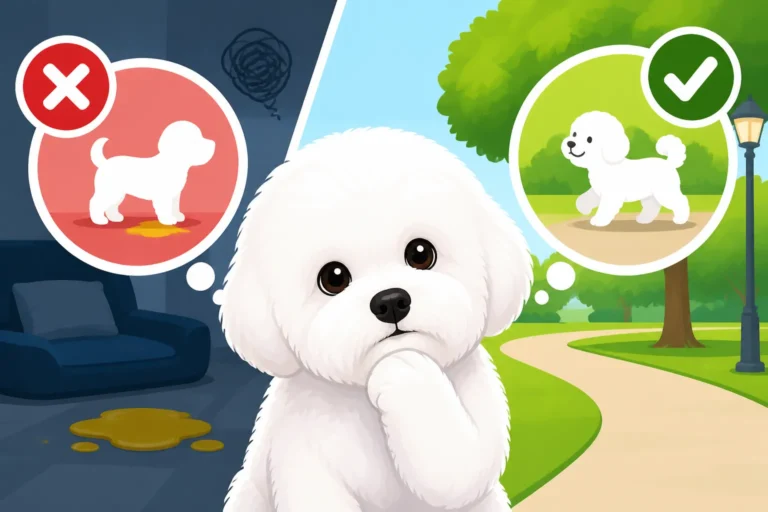
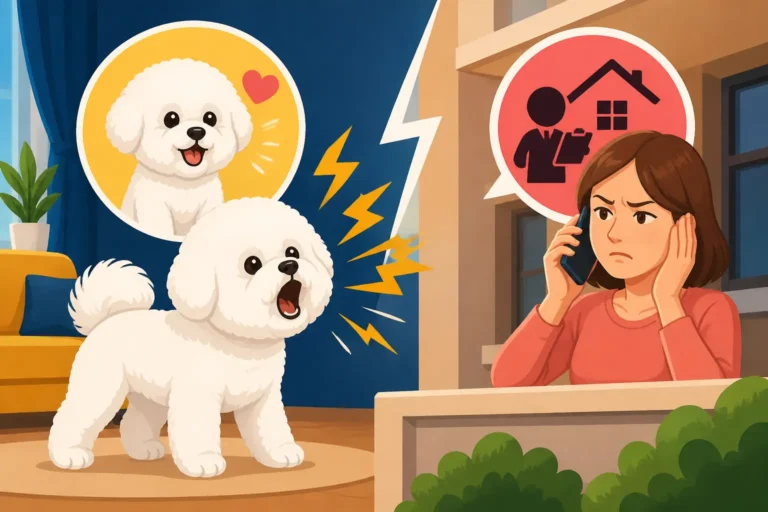
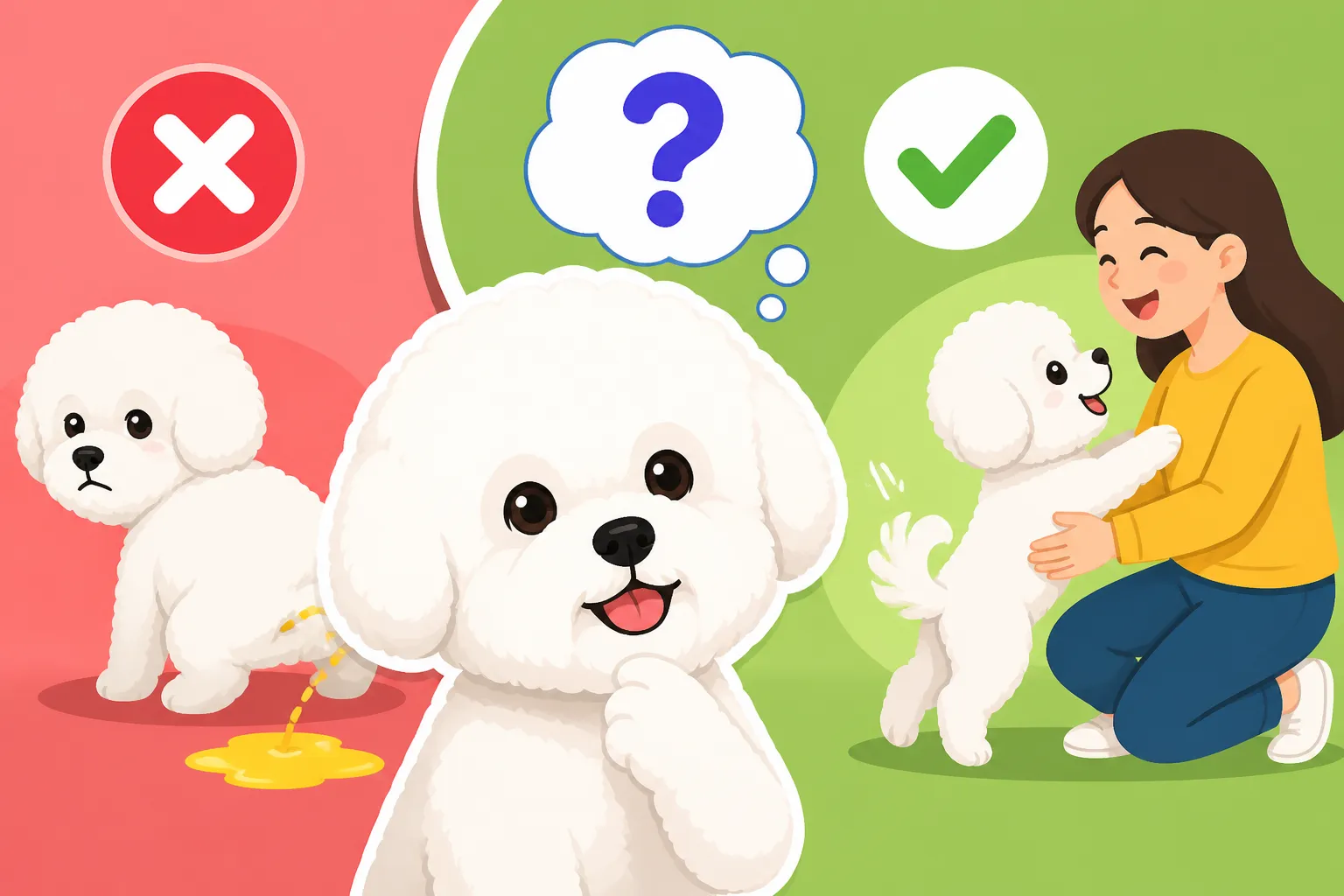
Oh, the sheer frustration and embarrassment of a Bichon Frise who decides to leave a little puddle of "hello" right on your floor when guests arrive! It's a common, often perplexing behavior that can make welcoming friends and family feel more like an Olympic sprint to grab paper towels. Many Bichon owners tell me they love their fluffy little companions, but this one habit can truly test their patience, making them wonder if they'll ever have a dry entry hall again. This guide is going to dive deep into why your sweet Bichon might be displaying this behavior and, more importantly, what actionable steps you can take to manage it, reduce accidents, and help everyone feel more comfortable during greetings.
Understanding Why Your Bichon Frise Might Pee During Greetings
When your charming Bichon Frise greets people with an unexpected puddle, it's rarely out of spite or a lack of understanding. Instead, it's almost always an involuntary reaction tied to their emotional state or a physical issue. For such a small dog, their emotional world can be vast and intense, and sometimes their bladders just can't keep up with the overwhelming sensations of joy, fear, or even simple nervous energy. It's crucial to understand these underlying reasons before you can effectively address the behavior.
Excitement Urination: The Enthusiastic Bladder Release
This is perhaps the most common reason a Bichon Frise might toilet when greeting. Imagine your little dog's world, often a quiet routine, suddenly erupting with new sights, sounds, and smells when someone new or even a beloved family member walks through the door. For many Bichons, this influx of stimulation, especially if it involves a lot of enthusiastic petting, high-pitched voices, or rapid movement, can be simply too much for their tiny bladders to handle. Their bodies become so overwhelmed with pure, unadulterated joy and anticipation that the muscles controlling their bladder relax involuntarily. It's not a conscious decision; it's a physiological response to an intense emotional state. Think of it like a human laughing so hard they cry a little – it's an overflow of emotion.
Often, you'll see other signs of extreme excitement accompanying this. Your Bichon might be jumping, spinning, tucking its tail slightly but wagging furiously, or even doing that adorable "Bichon Blitz" zoomie around the room. The urine volume might be small to moderate, and the dog seems otherwise happy and engaged, just unable to contain themselves. This behavior is especially prevalent in puppies and young dogs, whose bladder control is still developing and whose impulse control is less refined. However, some adult Bichons never quite grow out of it entirely without targeted management. This is why many owners wonder Whether a Bichon Frise Has Excitement Wetting.
Submissive Urination: A Signal of Overwhelm
While sometimes visually similar to excitement urination, submissive urination stems from a very different emotional place: fear, anxiety, or an attempt to appease perceived threats. A Bichon Frise might exhibit submissive urination if they feel intimidated by a new person, or even by a familiar person who approaches them too quickly, looms over them, or uses a loud voice. This isn't about being overtly scared to the point of cowering, but rather a more subtle "please don't hurt me" signal. It's an involuntary response designed to show deference and prevent conflict, essentially saying, "I'm no threat."
Dogs that are prone to submissive urination often display other body language cues. You might notice them hunching their body, lowering their head, averting their gaze, tucking their tail tightly between their legs, flattening their ears, or even rolling onto their back to expose their belly. The urination itself is typically a small amount, often just a few drops, as if they're trying to make themselves seem less significant. This can be particularly heartbreaking for owners who know their dog is a softie and would never intentionally cause trouble. It's their way of trying to communicate that they feel vulnerable or overwhelmed by the interaction.
Medical Reasons to Rule Out
Before attributing any "accidents" to behavioral issues, it is absolutely paramount to rule out any underlying medical conditions. Sometimes, what looks like excitement or submissive urination is actually a symptom of a physical ailment that makes it impossible for your Bichon to hold their bladder, regardless of their emotional state. Ignoring these possibilities can lead to unnecessary frustration and, more importantly, prolong suffering for your furry friend.
Urinary tract infections (UTIs) are a prime suspect. Even a mild infection can cause increased urgency, discomfort, and a decreased ability to hold urine, making any strong emotion or physical movement trigger an accident. Your Bichon might show other signs like frequent squatting, licking their privates more than usual, or straining to urinate, but sometimes the only symptom is leakage during greetings. Kidney disease or bladder stones are also serious considerations. Bichon Frises, unfortunately, are genetically predisposed to developing certain types of bladder stones, particularly calcium oxalate stones. These stones can cause irritation, inflammation, and even partial blockages, leading to an inability to control urination. If your Bichon's housetraining suddenly seems to have gone backward, or if they're displaying new "accidents" with greetings, a vet visit is the first step. They can perform a urinalysis to check for infection, and imaging like X-rays or ultrasound to look for stones or other abnormalities. Remember, a common frustration for owners is when a Whether a Housetrained Bichon Frise Suddenly Starts Leaking due to these kinds of issues. It's far better to catch these things early.
Differentiating Between Excitement and Submissive Urination
Understanding the subtle differences between excitement and submissive urination is key to implementing the right management strategies. While both involve involuntary voiding of the bladder during greetings, the dog's overall demeanor and body language will tell you a lot about the root cause. This differentiation isn't just academic; it directly impacts how you and your guests should interact with your Bichon.
Key Indicators of Excitement Urination
When your Bichon is experiencing excitement urination, their body language will generally convey a sense of overflowing happiness and eagerness. They are thrilled to see you or your guests, but their bladder simply can't handle the emotional surge.
Typically, a Bichon showing excitement urination will:
- Have a high, fast tail wag: Their tail might be held at a natural level or even slightly raised, wagging rapidly and often involving their whole hindquarters.
- Display an open, relaxed mouth: Often, they'll be panting lightly with a happy "doggy smile," and their ears will be relaxed or slightly forward, indicating interest.
- Exhibit bouncy, active movements: They might jump up, spin in circles, or zoom around the room, full of energy. Their entire body language screams "I'm so happy to see you!"
- Seek attention and interaction: They'll actively try to get closer to the person, nudging them, licking, or trying to climb into their lap. They are not trying to get away or shrink from contact.
- Show little to no signs of fear or stress: There's no cowering, no tucked tail, no averted gaze. Just pure, unadulterated, if sometimes messy, joy. The volume of urine can vary from a small dribble to a moderate puddle, depending on how full their bladder is and the intensity of their excitement. Sometimes, the issue is that Whether a Bichon Frise Has Excitement Wetting rather than a specific issue with greeting people.
Key Indicators of Submissive Urination
In contrast, submissive urination comes from a place of apprehension or feeling overwhelmed, even if they want to interact. The dog is trying to communicate that they are no threat and should not be challenged.
A Bichon exhibiting submissive urination will often:
- Have a low, tucked tail: Their tail will be held tightly between their legs, sometimes just quivering slightly. This is a clear signal of insecurity or fear.
- Display a lowered body posture: They might hunch their back, crouch low to the ground, or even roll onto their back, exposing their belly, which is a classic appeasement gesture.
- Avoid direct eye contact: They'll often look away, squint, or show "whale eye" (the whites of their eyes showing), indicating discomfort. Their ears might be flattened against their head.
- Exhibit hesitant or withdrawn behavior: While they might still approach, it will be tentatively. They might shrink back from outstretched hands or rapid movements.
- Urinate in small, frequent amounts: It's often just a few drops or a small trickle, usually as the person approaches, reaches for them, or stands over them. This tiny amount is part of the appeasement display, not a full bladder release. The general context of their housetraining should also be considered, as a Whether a Urinary Infection Undoes a Bichon Frise's Training could make submissive urination worse or mimic it.
| Characteristic | Excitement Urination | Submissive Urination |
|---|---|---|
| Underlying Emotion | Overwhelming joy, enthusiasm | Fear, anxiety, appeasement |
| Tail Position | High, fast wag, full body wiggly | Low, tucked tightly between legs |
| Body Posture | Bouncy, jumping, eager to interact | Low, crouched, possibly rolls onto back |
| Eye Contact | Direct, eager, engaged | Averted, darting, "whale eye" |
| Ear Position | Relaxed, forward, attentive | Flattened against head, pulled back |
| Vocalization | Happy yips, playful barks, light panting | Whimpers, silence, sometimes a soft whine |
| Urine Volume | Small to moderate stream/puddle | Small dribbles, drops, often just a few |
| Interaction | Actively seeks physical touch, nudging | Retreats from touch, tries to make self small |
Strategies to Manage and Prevent Greeting Urination
Once you've ruled out medical causes and have a better idea of whether your Bichon's accidents are due to excitement or submission, you can start implementing targeted strategies. The goal is not to suppress their emotions, but to help them manage their reactions in a more appropriate way. This takes consistency, patience, and often a shift in how we interact with them.
Modifying the Greeting Ritual
This is perhaps the most impactful step you can take. The traditional human greeting ritual, full of direct eye contact, leaning over, loud voices, and immediate petting, is often the very trigger for your Bichon's bladder issues. We need to flip the script and create a calmer, less intense welcoming environment.
Here’s how to modify greetings:
- Keep arrivals calm and low-key: When you or guests first arrive, ignore your Bichon for the first few minutes. Yes, it feels counterintuitive and difficult, especially with an excited little fluffball. But resisting the urge to immediately greet them allows them to decompress and regulate their emotions. This means no eye contact, no talking to them, no petting. Walk in, put your things down, and settle yourself. Let them sniff around and calm down on their own. Once they are calm (standing, not jumping, tail wagging loosely, not frantically), then you can offer a quiet, gentle greeting. This simple act teaches them that calm behavior gets attention, not frantic excitement. For a comprehensive approach to housetraining, including calmer routines, you might find The Toilet Routine That Finally Works on a Bichon Frise very helpful.
- Lower yourself to their level (if appropriate): Instead of looming over your Bichon, which can be intimidating, try sitting down on the floor or a low chair. This makes you appear less threatening and encourages a more relaxed interaction. However, if your Bichon is prone to submissive urination due to fear, a low, slow approach might still be too much initially.
- Gentle, side-on petting: When you do finally greet them, avoid reaching directly over their head, which can feel threatening. Instead, offer a hand from below to allow them to sniff, and then gently pet their chest, chin, or side. Keep your voice low and calm. Avoid over-stimulating praise or high-pitched baby talk. The goal is gentle reassurance, not revving them up further.
- Pre-emptive potty breaks: Before any guests arrive, take your Bichon outside for a thorough potty break. A truly empty bladder has less chance of accidentally leaking, no matter how excited or nervous they get. This is a common-sense step that can significantly reduce the frequency of accidents.
- Crate or confinement during initial greetings: If your Bichon is particularly prone to excitement or submissive urination, especially with new or boisterous guests, consider putting them in their crate or a designated safe, dog-proofed area (like a playpen) for the initial five to ten minutes of a guest's arrival. This gives them a chance to observe from a distance, calm down, and allows guests to settle in without the immediate pressure of a dog greeting. Once the initial hubbub dies down, you can then let your Bichon out for a calm, controlled greeting. This can be especially useful for young puppies still learning bladder control. You can find many suitable crates and playpens on online retailers like Amazon that make this easy to implement.
Building Confidence and Reducing Stress
For Bichons who struggle with submissive urination, building confidence and reducing their overall stress levels is paramount. This isn't about "fixing" a flaw, but about empowering your dog to feel more secure in their interactions.
Consider these approaches:
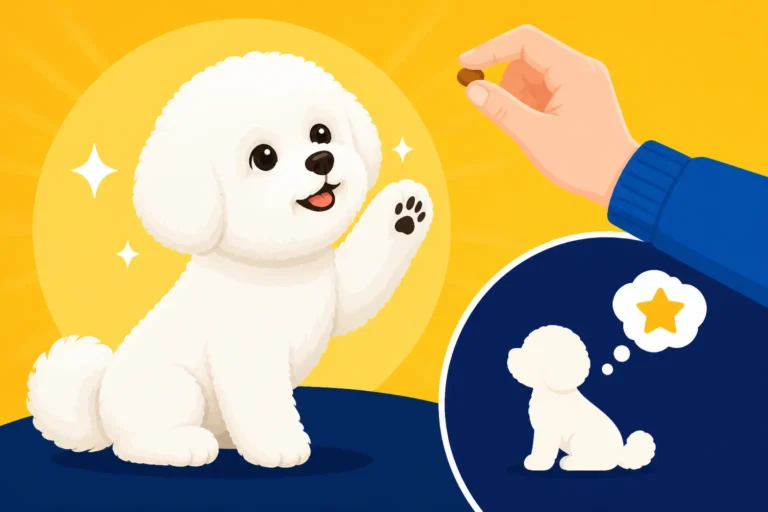
- Positive reinforcement training: Enroll in positive reinforcement obedience classes or work with a certified professional dog trainer. Learning basic cues like "sit," "stay," and "down" not only gives your Bichon a mental workout but also builds their confidence through successful completion of tasks. It gives them a job and a sense of accomplishment. A good online resource like BAXTER & Bella offers comprehensive puppy and dog training programs that focus on positive methods and can be incredibly helpful for owners needing structured guidance.
- Desensitization and counter-conditioning: Gradually expose your Bichon to the triggers (e.g., people entering the home) in a controlled, non-threatening way, pairing the trigger with something positive. Start small: have a friend stand outside the door, then slowly open it. As soon as your Bichon notices them but before any signs of stress or excitement urination, calmly give them a high-value treat. Gradually increase the proximity and duration of the interaction, always staying below the threshold where they might have an accident. The key is to keep it calm and positive.
- Consistent, gentle handling: Ensure that all interactions with your Bichon are predictable and gentle. Avoid sudden movements, loud voices, or rough play if they are prone to submissive behavior. Teach children and guests how to interact with your Bichon respectfully – sitting down, letting the dog approach, and petting gently. A harness, rather than just a collar, can also provide a greater sense of security and control during walks and greetings, preventing any uncomfortable pressure points. In fact, many Bichon owners wonder whether a Bichon Frise needs a harness not a collar.
- Enrichment and exercise: A well-exercised and mentally stimulated Bichon is generally a calmer, more confident dog. Ensure they get enough daily walks and playtime. Mental stimulation, like puzzle toys or scent work, can also tire them out and build their confidence. When a Bichon gets enough appropriate exercise, they often feel more settled and less prone to over-excitement or anxiety, which can impact Whether a Bichon Frise Settles After Exercise.
Environmental Management and Cleaning
Even with the best training and management, accidents can still happen, especially in the early stages. Proper cleaning is essential not just for hygiene but to prevent your Bichon from being drawn back to the same spots.
- Enzymatic cleaners are your best friend: Regular household cleaners often mask the odor for humans but leave behind scent markers that dogs can still detect, encouraging them to toilet in the same spot again. Enzymatic cleaners specifically break down the organic compounds in urine, eliminating the odor at its source. Always keep a good quality enzymatic cleaner, widely available on platforms like Amazon, on hand for immediate cleanup.
- Waterproof coverings: If your Bichon has a favorite spot to have accidents (e.g., a specific rug or an area near the door), consider placing waterproof covers or puppy pads down during high-risk times (like guest arrivals). While pads aren't a long-term solution, they can help during the training phase.
- Temporary confinement: During periods when you expect greetings or busy times, keep your Bichon in a non-carpeted area that is easier to clean, or in their crate after a potty break, until the excitement has settled. This proactive step can save your floors and your sanity.
When to Seek Professional Help
While many cases of greeting urination can be managed with consistent effort at home, there are times when seeking professional guidance is not just helpful but necessary. Knowing when to call in the experts can make all the difference for both you and your Bichon.
Consulting Your Veterinarian
As mentioned earlier, medical issues should always be the first thing you rule out. If your Bichon suddenly starts urinating during greetings, or if the problem seems to be getting worse despite your best efforts, a trip to the vet is non-negotiable.
Your veterinarian will:
- Perform a thorough physical exam: They’ll check for any obvious signs of illness or discomfort.
- Conduct diagnostic tests: This usually includes a urinalysis to check for infections, crystals, or other abnormalities. They might also recommend blood work to assess kidney function or other systemic issues. For a Bichon Frise, especially, they might suggest imaging like X-rays or ultrasound to check for bladder stones, as Whether a Bichon Frise Should Be Screened Before Its First Stone is a valid question given the breed's predisposition.
- Discuss underlying conditions: If medical issues like a urinary tract infection or bladder stones are found, they will outline the necessary treatment. Once the underlying medical condition is addressed, the urination during greetings might completely resolve. For older Bichons, a vet can also assess for age-related incontinence issues, which can sometimes manifest similarly, and discuss options for managing it, especially if Whether an Old Bichon Frise Becomes Incontinent is a concern.
Working with a Professional Dog Trainer
If your veterinarian gives your Bichon a clean bill of health, then the issue is behavioral, and a professional dog trainer or a certified animal behaviorist can be an invaluable resource. They can observe your Bichon's behavior in person and provide tailored strategies.
A professional trainer can help by:
- Identifying specific triggers: They can pinpoint exactly what aspects of the greeting ritual are causing your Bichon to react, whether it's a specific tone of voice, a type of touch, or simply the presence of multiple people.
- Developing a customized training plan: This plan will include specific steps for desensitization, counter-conditioning, and teaching alternative, appropriate behaviors during greetings. They can guide you through exercises to build your dog's confidence and self-control.
- Teaching management techniques: Trainers can offer practical advice on how to manage your home environment and guest interactions to set your Bichon up for success. This might include structured greetings, teaching your dog a "go to mat" command, or using specific tools like a belly band for male dogs during the learning phase.
- Addressing broader anxiety or excitement issues: If the greeting urination is just one symptom of a larger anxiety problem or an overly excitable temperament, a behaviorist can help you address these core issues, potentially including a referral to a veterinary behaviorist who can prescribe medication if deemed necessary. A structured online program, like the one offered by BAXTER & Bella, can also provide an excellent foundation of positive reinforcement techniques and support that often complements in-person training.
Remember, this behavior is a signal from your Bichon. With patience, understanding, and the right approach, you can help your fluffy friend navigate the excitement and social dynamics of greetings without leaving a lasting impression on your floor.
Disclaimer
This article is for general informational purposes only and does not constitute professional advice. Laws, prices and regulations vary by location and change over time. Consult a qualified professional for guidance on your specific situation.