Whether a Bichon Frise Ever Guards the House
It’s a common misconception that a fluffy, sweet-faced Bichon Frise is simply a docile lapdog, content to snooze away the day without a care in the world. Many new owners are genuinely surprised, and sometimes frustrated, to discover that their adorable little cloud has a rather impressive set of lungs and a strong opinion about who approaches their home. This guide is here to shed light on whether a Bichon Frise guards the house, what that actually looks like, and how you can manage these natural instincts for a harmonious household.
The Surprising Watchdog Instinct of a Bichon Frise
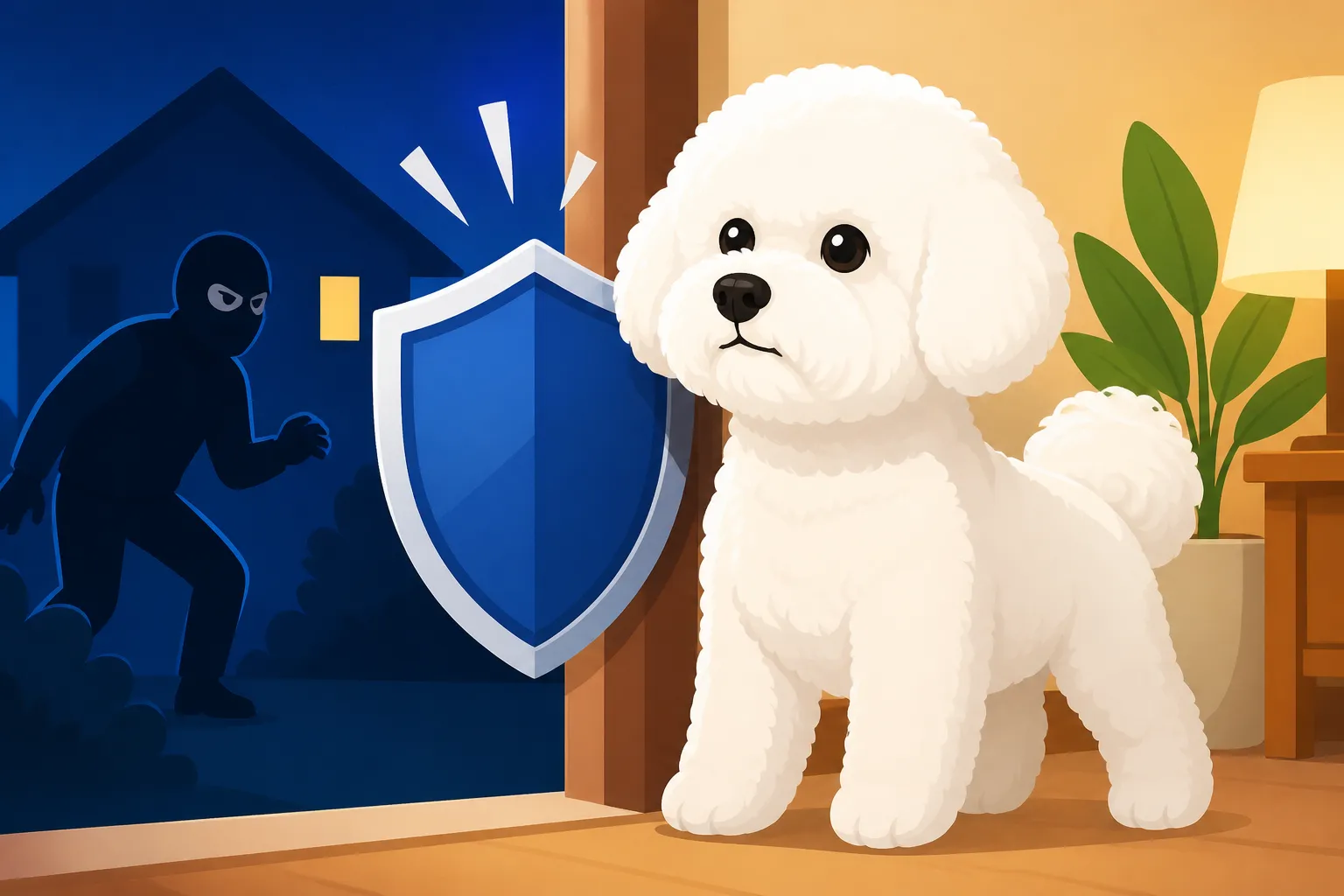
You might imagine a German Shepherd or a Doberman barking a warning at the mail carrier, but a Bichon Frise? It might seem counterintuitive given their diminutive size and perpetually cheerful disposition. However, appearances can be deceiving, and many small breeds, including our beloved Bichons, come equipped with a surprisingly vigilant nature.
Why the Fluffy Exterior Hides a Guarding Nature
Think about it from a Bichon’s perspective: the world is a big, potentially intimidating place. While they might be small, they are certainly not timid. Historically, many small companion breeds, or "toy" dogs, were kept not just for comfort but also as alarm systems. They were the original doorbells, quick to alert their human companions to any approaching strangers or unusual noises. This trait is deeply ingrained. Your Bichon, despite its pampered life, carries that ancestral memory. They might not be physically capable of deterring an intruder, but they are certainly going to make sure you know someone (or something!) is there.
It can be a shock for owners who expected a quiet, cuddly companion. You bring home this adorable, playful puppy, and suddenly, at six months old, every leaf blowing past the window, every pedestrian, and every delivery truck becomes a full-blown emergency in their eyes. You might find yourself apologizing to neighbors or dreading visitors. Rest assured, this isn't a flaw in your particular Bichon; it's a very common manifestation of their protective instincts and their desire to be an integral part of their family's security.
Common Triggers for Barking and Alerting
So, what typically sets off a Bichon Frise’s inner watchdog? It's often a combination of sights and sounds that signify a change in their immediate environment or a perceived threat to their territory or family. The most obvious culprits are the sights and sounds associated with the front door: the doorbell, a knock, or even the sound of footsteps on the porch. These are clear signals to a Bichon that someone is approaching their "den."
Beyond the doorstep, window traffic is a huge trigger. Many Bichons love to perch on a sofa or chair with a good view of the street, taking their self-appointed neighborhood watch duties very seriously. They’ll bark at other dogs walking by, children playing, or even just someone jogging down the sidewalk. Their keen hearing also means they pick up on sounds we might filter out: the neighbor's car door, distant sirens, or even the subtle creak of the floorboards upstairs if they think it's out of place. This constant vigilance can be exhausting for both you and your dog, highlighting why understanding these triggers is the first step in managing them. It’s also important to consider if their perceived urgency problem looks like bad training, when it might be more about these ingrained instincts.
Understanding the Difference: Alerting vs. Aggressive Guarding
It's crucial to distinguish between a Bichon's natural alerting behavior and genuinely aggressive guarding. While their barking can be persistent and, let's be honest, often quite loud for such a small dog, it's usually not a prelude to aggression. They're telling you, "Hey! Something's happening!" rather than "Get off my property, or else!"
The Bichon's "Alarm System" Bark
Most Bichons are natural alarm systems, pure and simple. Their bark serves as a communication tool, letting their human family know about perceived changes or threats in their environment. Imagine your Bichon racing to the window, letting out a rapid series of barks when the Amazon delivery driver pulls up. This isn't usually a sign of hostility; it's them doing their job, as they see it. They are communicating a perceived intrusion. The tail might be wagging, albeit stiffly, or they might be prancing with excitement, rather than showing signs of fear or aggression like growling, snarling, or lunging with ill intent. Their bark is often high-pitched and insistent, designed to grab your attention.
This behavior often stems from their strong bond with their family. They view you as their pack, and they are doing their part to protect you, even if that protection primarily involves noise. They want to be involved, to be aware, and to make sure you're aware too. Sometimes, this "alarm" bark can be combined with the "Bichon Blitz," where they race around the house after alerting, burning off energy and excitement. It’s their way of releasing the pent-up tension from their self-appointed watch duties.
When Guarding Behavior Becomes Problematic
While a little alerting can be endearing, persistent, excessive barking at every tiny stimulus can quickly become a problem. It impacts your peace, your neighbors' peace, and even your Bichon's quality of life if they're constantly stressed and vigilant. When does it cross the line from typical Bichon watchfulness to problematic behavior?
It becomes problematic when:
- The barking is incessant: Your Bichon barks for minutes on end, even after the perceived "threat" has passed, or barks at things that aren't there.
- It’s coupled with anxiety: Your Bichon seems genuinely distressed, panting, pacing, or trembling while barking. This can sometimes indicate underlying anxiety rather than just alert behavior.
- It escalates to aggression: Though less common for general house guarding in Bichons, any growling, snapping, or lunging at people or other animals through a window, or at the door, is a sign that the behavior has moved beyond simple alerting.
- It impacts daily life: You can’t have visitors without a barking frenzy, or you avoid opening the curtains because it sets your dog off.
In some cases, a Bichon might also display territoriality over specific resources, like their food bowl or a favorite toy, but this is distinct from guarding the house. If you notice your Bichon guards its food or guards its owner's lap, these are separate issues that also require focused attention. Excessive guarding can be a symptom of a lack of confidence, insufficient training, or even an underlying medical issue, so it's always worth discussing with your vet to rule out any health concerns.
Managing and Moderating Your Bichon Frise's Guarding Tendencies
The good news is that while guarding is an instinct, it’s a behavior that can be managed and moderated with consistent effort. You won't eliminate it entirely, but you can teach your Bichon more appropriate ways to respond to stimuli.
Consistent Training for a Quieter Home
The key to managing barking is consistent training. This means teaching your Bichon a reliable "quiet" cue. Start by exposing them to a low-level trigger (e.g., someone gently knocking on the door or ringing the doorbell softly). When they bark, let them get a few barks out, then calmly say "Quiet!" and present a high-value treat right to their nose. The moment they stop barking to sniff the treat, praise them warmly and give them the treat. Repeat, gradually increasing the intensity of the trigger and the duration they need to be quiet before getting the reward. Over time, they’ll learn that "quiet" means good things happen, and barking isn't necessary.
Another powerful technique is desensitization. If your Bichon barks at people walking by the window, spend time near the window with them. When someone passes, before they have a chance to bark, give them a treat. The goal is to change their emotional response from "intruder!" to "person means treat!" This process takes patience and repetition. For comprehensive guidance on positive reinforcement training, resources like BAXTER & Bella offer excellent online programs and courses that can be incredibly helpful for new and experienced owners alike. Their structured approach can really make a difference in tackling persistent barking behaviors. Remember, The Toilet Routine That Finally Works on a Bichon Frise also requires patience and consistency, much like addressing barking.
Environmental Adjustments and Management
Sometimes, simply managing the environment can significantly reduce barking triggers. If your Bichon is a window barker, consider installing frosted window film, curtains, or blinds on lower windows to block their view of the street. This removes the visual stimulus that sets them off.
For auditory triggers, white noise machines or having a radio or TV playing can help mask outside sounds that might alarm your Bichon. You can find many effective sound machines on Amazon that are great for blocking out street noise. If the doorbell is the primary issue, try working on desensitization by ringing it yourself at random times and rewarding quiet behavior, or consider changing it to a chime that's less jarring for your dog. For those whose Bichon barks at delivery drivers, having a designated spot for packages away from the front door might even help reduce the frequency of intense alerts. Don't forget, Teaching a Bichon Frise a Quiet Cue is an invaluable skill that applies to many situations beyond just guarding.
| Barking Trigger | Training Solution | Environmental Solution |
|---|---|---|
| Doorbell/Knock | "Quiet" cue, desensitization (ring and reward quiet) | Place a sign asking delivery drivers not to knock, use chime |
| Window Traffic | "Quiet" cue, desensitization (treat when people pass) | Use frosted film, curtains, or blinds for lower windows |
| Strange Outside Sounds | "Quiet" cue, positive association with new sounds | White noise machine, radio/TV to mask sounds |
| Approaching Visitors | "Quiet" cue, controlled introductions, calm greeting | Crate or tether dog temporarily while guests arrive |
The Role of Socialization and Early Experiences
A well-socialized Bichon is generally a more confident Bichon, and confidence often translates to less reactive barking and guarding. Their early experiences shape their perception of the world.
Building Confidence, Not Suspicion
Early and positive socialization is paramount. This means exposing your Bichon puppy to a wide variety of sights, sounds, smells, people (of all ages and appearances), and other friendly, vaccinated dogs from a young age. Puppy classes are fantastic for this, providing controlled environments for positive interactions. The goal isn't to make them love everyone, but to teach them that novel experiences and strangers aren't inherently threats. A puppy that learns the world is a safe and interesting place is less likely to feel the constant need to sound the alarm as an adult.
If your Bichon puppy is undersocialized, they may recover with patient, positive exposure, but it will take more time and effort. Without proper socialization, they can become more suspicious and fearful, which can exacerbate barking behaviors. A fearful dog often barks because they are unsure, rather than truly aggressive. This is particularly important because The Merry Temperament the Bichon Frise Standard Demands is fostered by positive experiences. A confident Bichon is a truly merry Bichon.
The Importance of a Secure and Loving Environment
Ultimately, a Bichon Frise that feels secure and loved within their home is less likely to feel overly burdened by the need to "guard." While the instinct will always be there, a dog that trusts its humans to handle potential threats, or simply to acknowledge them, will often relax its vigilance. A stable routine, plenty of mental and physical exercise, and consistent, positive reinforcement build that trust.
Ensuring your Bichon has a comfortable, safe space of their own, like a crate or a cozy bed in a quiet corner, can also contribute to their overall sense of security. This is their sanctuary where they can retreat when feeling overwhelmed. When a Bichon feels truly safe within its family unit, the burden of being the sole "guard" is lifted, allowing their naturally cheerful and affectionate personality to shine through more often than their alarm-barking tendency. Keeping them mentally stimulated with puzzles and short training sessions also helps reduce anxiety and boredom, which can often contribute to excessive barking. Just like managing The Atopic Skin a Bichon Frise Is Born With requires dedication, so too does managing their guarding behaviors.
Disclaimer
This article is for general informational purposes only and does not constitute professional advice. Laws, prices and regulations vary by location and change over time. Consult a qualified professional for guidance on your specific situation.