Whether a Bichon Frise’s Small Bladder Is the Problem
One of the most common and often frustrating complaints I hear from new Bichon Frise owners, and even seasoned ones, is about housetraining. It can feel like an endless battle, and many quickly jump to the conclusion that their fluffy companion must simply have an impossibly small bladder. This comprehensive guide will explore whether bladder size is truly the culprit, debunking some myths and offering practical insights into other factors that often contribute to housetraining challenges in this beloved breed.
The Persistent "Small Bladder" Theory and What's Really Going On
It's completely understandable why so many Bichon Frise owners feel like their little white cloud has a bladder the size of a thimble. You take them out, they go, you come back in, and within what feels like minutes, they're squatting again on your rug. It’s enough to make anyone tear their hair out and blame anatomy. But is it really a tiny bladder, or are there other forces at play that make housetraining a Bichon Frise feel like an uphill climb?
Why it Feels Like a Small Bladder
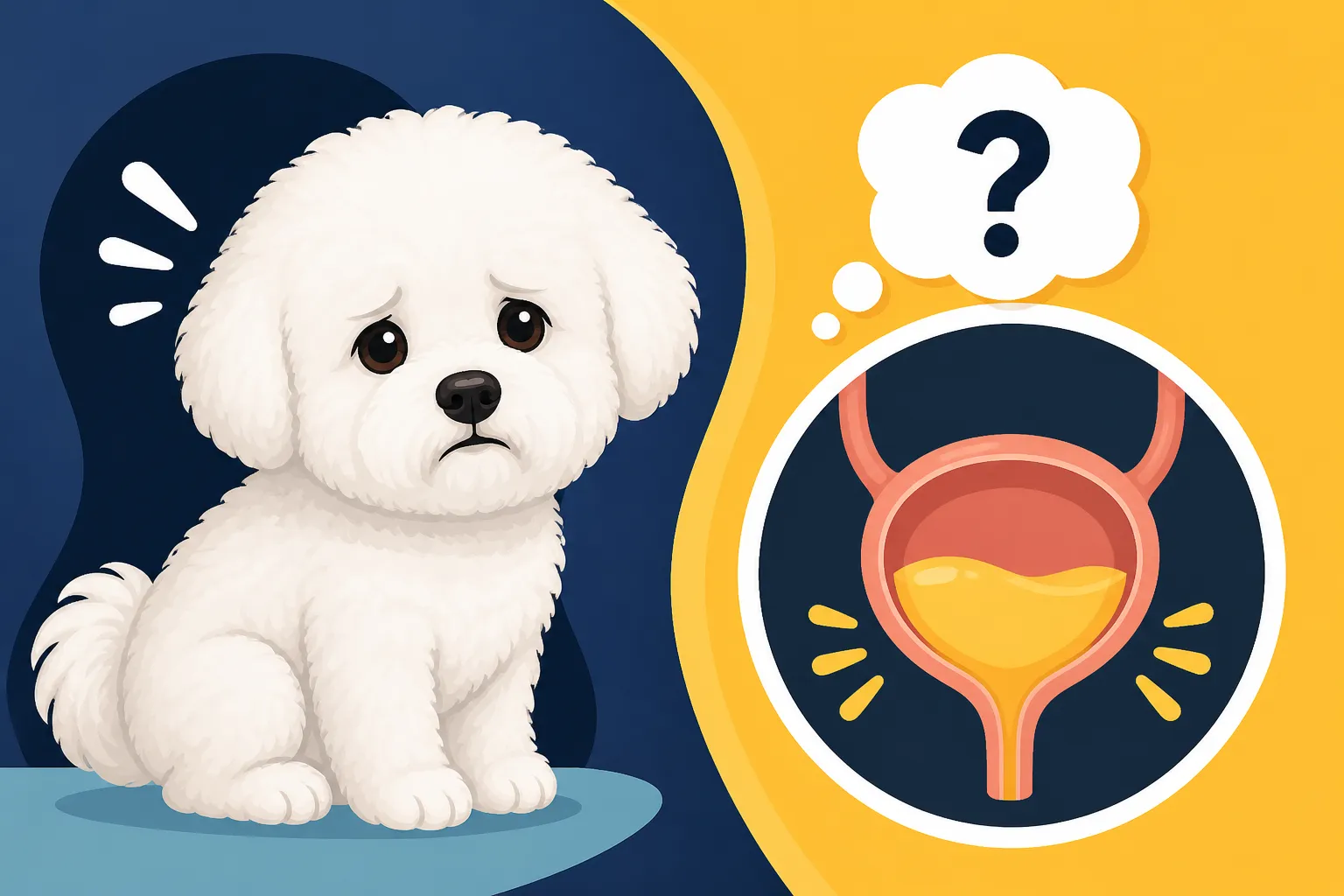
The perception that Bichon Frises have exceptionally small bladders often stems from their frequent urination and the sheer urgency they sometimes display. When you’re constantly cleaning up puddles, it’s easy to assume the dog simply can’t hold it. This feeling is intensified when a puppy seems to empty its bladder, only to have another accident a short time later. Owners might observe them squatting for a long time, producing only a tiny trickle, then later releasing a larger volume, leading to confusion and frustration about their actual capacity. It creates a cycle of constant vigilance that can be mentally exhausting.
Beyond the physical acts, the "small bladder" theory also gains traction because Bichons are often perceived as delicate, and a smaller bladder aligns with that image in many owners' minds. It feels like a plausible explanation for what can otherwise seem like stubbornness or a lack of understanding on the dog's part. Whether a Bichon Frise's Small Bladder Is the Problem is a common question, and it speaks to the real struggle many face.
The Actual Size and Capacity of a Bichon Frise Bladder
In reality, a Bichon Frise’s bladder, while certainly smaller than that of a Great Dane, is generally proportionate to their overall body size. They are, after all, a small toy breed, so their internal organs will naturally be scaled down. There isn't a medical anomaly that gives them an unusually small bladder for their stature. A healthy adult Bichon Frise can typically hold its urine for several hours, often longer than many owners realize, especially overnight.
Think of it this way: a healthy human adult can hold between 400-600ml, but a newborn baby has a much smaller capacity. This doesn't mean the baby's bladder is abnormally small for its size; it's simply age-appropriate. The same principle applies to dogs. A puppy will need to urinate much more frequently than an adult, regardless of breed, because their developing bladders have less muscle tone and capacity. As they mature, a healthy Bichon’s bladder should develop sufficient capacity for appropriate holding times.
Medical Reasons for Frequent Urination Mistaken for Small Bladder
This is where the plot thickens for our fluffy friends. Often, what owners attribute to a "small bladder" is actually an underlying medical condition. Bichon Frises are unfortunately predisposed to certain urinary tract issues that can dramatically increase urination frequency and urgency.
Consider the common urinary tract infection (UTI). A UTI causes irritation and inflammation in the bladder, making a dog feel like they constantly need to go, even if there's very little urine to pass. They might strain, produce only drops, or have accidents inside even after being outside. These symptoms are easily misinterpreted as a small bladder simply overflowing too quickly. Whether a Bichon Frise Should Be Urine Tested Yearly is a question worth considering, especially given these predispositions.
Even more prevalent in Bichons is the formation of bladder stones, particularly calcium oxalate stones. This breed is unfortunately at a higher risk for developing these painful stones, which can cause chronic irritation, inflammation, and even partial blockages. A stone-filled bladder will feel constantly full to the dog, leading to frequent attempts to urinate. The discomfort alone can lead to accidents indoors. The First Signs a Bichon Frise Has Stones often manifest as changes in urination patterns. These medical conditions are genuine problems, not just a smaller-than-average organ.
Beyond Bladder Size: Other Factors at Play in Bichon Housetraining
Once we set aside the "small bladder" theory as the primary cause, we can really dig into the myriad of other factors that make housetraining a Bichon Frise a unique challenge. It’s rarely just one thing, but a combination of breed characteristics, health predispositions, and even how we, as owners, approach their training.
Breed Predisposition to Urinary Conditions
The Bichon Frise isn't just a cute, cuddly companion; they come with a genetic roadmap that includes a higher likelihood of certain health issues, particularly those affecting the urinary tract. As mentioned, calcium oxalate bladder stones are a significant concern for this breed. These aren't just an occasional occurrence; it's a known breed-specific problem. Whether a Bichon Frise's Stone Risk Is Inherited is a crucial question for potential owners.
When a dog has stones, even microscopic ones, the bladder wall becomes inflamed and painful. This constant irritation mimics the sensation of a full bladder, prompting the dog to try and urinate much more often than a healthy dog would. It's not that the bladder is small; it's that the bladder is unwell. This can lead to what looks like a lack of housetraining, or a regression in an otherwise clean dog. Furthermore, this inflammation can make them more susceptible to recurrent UTIs, creating a frustrating cycle of symptoms that mimic a small bladder capacity.
The Unique Bichon Temperament and Training Challenges
Let's be honest, Bichons are adorable, but they can also be notoriously stubborn! This isn't a criticism; it's just part of their charming personality. This stubborn streak, combined with their intelligence, can make housetraining a test of wills. They might understand where they're supposed to go, but if it's raining, or too cold, or the grass is wet, they might decide the living room rug is a far more appealing option. Whether a Bichon Frise Hates Wet Grass is a common complaint that illustrates this perfectly.
Their sensitivity also plays a role. If a Bichon puppy is chastised or punished for accidents, it can actually make them more likely to have accidents indoors. They might learn to hide to urinate, or become anxious about going in front of you, which counteracts effective training. This sensitivity also means they thrive on positive reinforcement and consistency, which, if lacking, can prolong the housetraining process significantly. Whether Bichon Frises Really Are Hard to Housetrain isn't just anecdotal; it's often a combination of these personality traits and physiological factors.
Owner Routines and Management
Sometimes, the problem isn't the dog at all, but the humans! Inconsistent routines, infrequent potty breaks, or a misunderstanding of how long a puppy can reasonably "hold it" can all contribute to housetraining failures.
For example, a young puppy, regardless of breed, simply cannot hold its bladder for an eight-hour workday. Expecting them to do so is setting them up for failure. Even an adult Bichon needs regular opportunities to relieve themselves throughout the day. If breaks are too far apart, or if the dog isn't given enough time to fully empty its bladder outside, accidents will happen.
Lack of proper cleanup with enzymatic cleaners is another silent culprit. If urine odors remain, even faintly, your Bichon will be drawn to that spot again, reinforcing the "indoor bathroom" habit. It’s crucial to thoroughly eliminate the scent, which is why products available on a platform like Amazon for pet stain and odor removal are often a lifesaver.
Strategies for Successful Housetraining (When it's NOT just the bladder)
Once you've ruled out medical issues (which should always be your first step!), you can focus on solid training strategies. Housetraining a Bichon requires patience, consistency, and a deep understanding of their unique needs and challenges. It’s less about brute force and more about gentle guidance and making the right choices easy for them.
Establishing a Rock-Solid Routine
Consistency is truly king when it comes to housetraining. Your Bichon needs to know exactly when and where they're expected to relieve themselves. This means taking them out first thing in the morning, after every meal, after waking from naps, after playtime, and right before bed. Yes, it's a lot, especially with a puppy, but it builds the foundation.
Consider implementing a specific verbal cue, like "potty time" or "go pee-pee," when you take them out. When they go, praise them lavishly and offer a high-value treat immediately as they finish. This instantaneous reward is key to them connecting the act with the reward. Potty bells can also be incredibly helpful. You can teach your Bichon to nudge or paw at a bell hung by the door to signal their need to go out. The Toilet Routine That Finally Works on a Bichon Frise often involves these consistent, positive reinforcement methods.
Potty Training Schedule Example for a Young Bichon Frise Puppy
| Time of Day | Activity | Purpose |
|---|---|---|
| 6:00 AM | Wake up, immediately outside | Empty bladder after sleeping |
| 6:30 AM | Breakfast | Food stimulates bowel movements |
| 7:00 AM | Immediately outside | Post-meal relief |
| 7:30 AM – 12:00 PM | Playtime, short naps, indoor supervision | Take out every 30-60 mins, after naps, after play; use crate if unsupervised for short periods. |
| 12:00 PM | Lunch | Midday meal |
| 12:30 PM | Immediately outside | Post-meal relief |
| 1:00 PM – 5:00 PM | Playtime, naps, indoor supervision | Take out every 30-60 mins, after naps, after play. |
| 5:00 PM | Dinner | Evening meal |
| 5:30 PM | Immediately outside | Post-meal relief |
| 6:00 PM – 9:00 PM | Playtime, winding down, inside supervision | Take out every 60-90 mins, before bed. |
| 9:00 PM (or later) | Last trip outside, then crate for the night | Final opportunity to relieve themselves, then secure in crate for sleep (adjust for puppy's age/bladder). |
Note: This is a sample schedule and should be adjusted based on your puppy's age, individual needs, and how quickly they learn.
Recognizing and Ruling Out Medical Issues
Before you even start intensive housetraining, or if an already trained Bichon begins having accidents, a vet visit is paramount. Do not assume it's behavioral or a "small bladder." Your veterinarian can perform a comprehensive physical exam and, most importantly, a urine analysis. This simple test can detect UTIs, crystals, or even early signs of bladder stones. Whether a Urinary Infection Undoes a Bichon Frise's Training is a crucial point, as infections can cause sudden regression.
If your vet suspects stones, further imaging like X-rays or ultrasound may be recommended. Addressing these underlying health issues isn't just good for housetraining; it's essential for your Bichon's overall well-being and comfort. Ignoring persistent urination issues could lead to more serious, painful, and costly problems down the line. Whether Frequent Squatting Means Stones Not Training is a question that vets hear often, and it highlights the need for a medical check.
Managing Accidents and Preventing Recurrence
Accidents will happen, especially during the learning phase. The key is how you handle them. Never punish your Bichon for an indoor accident. This only teaches them to fear you or to hide their elimination, making the problem worse. Instead, interrupt them calmly, take them immediately outside to their designated potty spot, and praise them if they finish there.
For cleanup, always use an enzymatic cleaner. These cleaners break down the urine at a molecular level, completely eliminating the scent that attracts dogs back to the same spot. Regular household cleaners might seem to work, but they often leave behind odors undetectable to humans but screaming "bathroom!" to your dog. Many effective enzymatic cleaners are readily available on platforms like Amazon.
When to Suspect a Deeper Issue (And What to Do)
Sometimes, despite all your best efforts and a perfect routine, your Bichon Frise still struggles with housetraining. Or, perhaps a perfectly housetrained dog suddenly starts having accidents again. These scenarios warrant a closer look, as they often point to something beyond simple training hurdles.
Sudden Changes in Housetraining
If your adult Bichon, who has been reliably housetrained for months or years, suddenly starts having accidents, pay close attention. This is a red flag that something medical is likely going on. Increased frequency of urination, straining, blood in the urine, dribbling, or accidents in their sleep are all signs that should prompt an immediate vet visit.
These symptoms could indicate a urinary tract infection, bladder stones, or even more serious conditions like diabetes or Cushing's disease, both of which can lead to increased thirst and urination. Whether a Housetrained Bichon Frise Suddenly Starts Leaking is a critical question, and the answer is almost always "see your vet." Don't just re-start housetraining from scratch; investigate the underlying cause first. Even in an older dog, regression is rarely just "old age"; it often signifies a treatable health concern. Whether an Old Bichon Frise Loses Bladder Control is another related concern, and the same advice applies.
Behavioral Issues Mimicking Bladder Problems
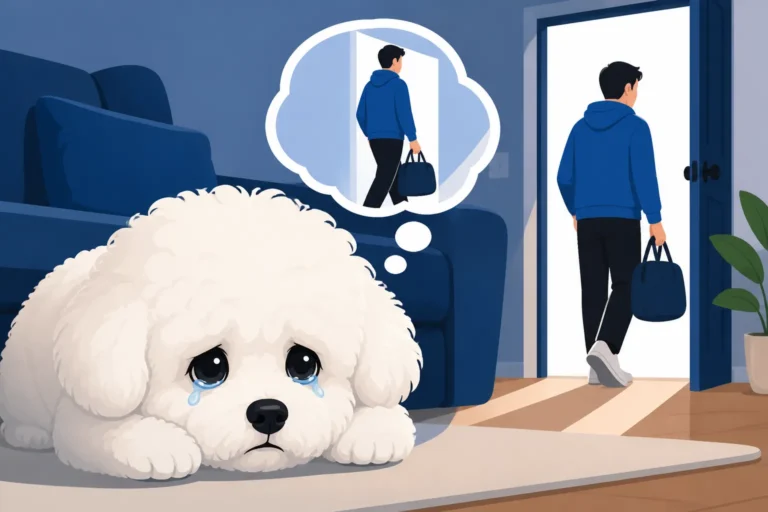
Once medical causes have been definitively ruled out, you can start to consider behavioral reasons for housetraining issues. Anxiety, for instance, can lead to submissive urination or excitement urination, especially in a sensitive breed like the Bichon. A dog that is left alone for long periods and suffers from separation anxiety might have accidents due to stress, not because they can't hold it.
Marking behavior, especially in intact males (though neutered males and even females can mark), can also be confused with housetraining lapses. This is often more about scent communication and claiming territory than a full bladder. Identifying the root cause of the behavior is crucial for addressing it effectively.
Working with Professionals
If you've gone through the medical checks and implemented consistent training, but still find yourself struggling, don't hesitate to seek professional help. Your veterinarian is always the first stop to rule out health issues. Beyond that, a certified professional dog trainer can be invaluable.
A good trainer can assess your specific situation, observe your dog's behavior, and help you identify subtle cues or inconsistencies in your routine that might be hindering progress. They can provide tailored advice and hands-on guidance. Resources like BAXTER & Bella, an online puppy school, can offer structured programs and support for common training challenges, including housetraining. They can help you understand the nuances of canine communication and develop a training plan that works for your unique Bichon. Remember, you're not alone in these struggles, and there's no shame in asking for expert assistance.
Disclaimer
This article is for general informational purposes only and does not constitute professional advice. Laws, prices and regulations vary by location and change over time. Consult a qualified professional for guidance on your specific situation.