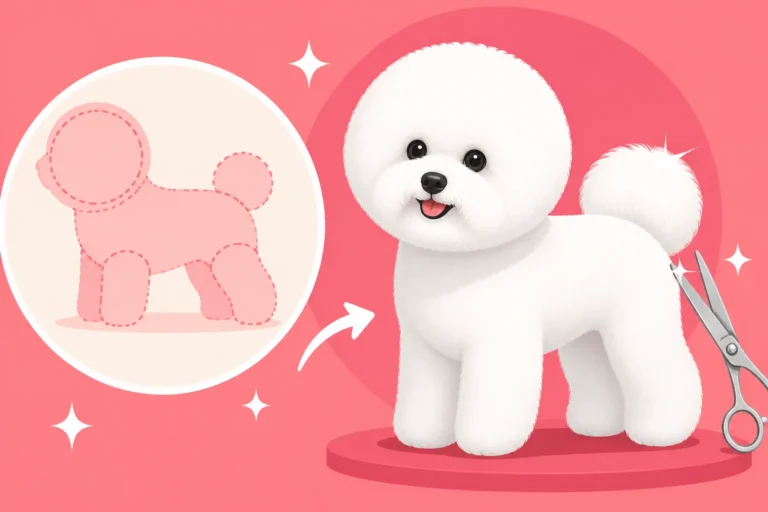
Whether a Pet Trim Suits a Bichon Frise
For many Bichon Frise owners, the stunning "powder puff" look seen in show rings is undeniably beautiful, but keeping up with it can feel like a full-time job. The reality of daily life, muddy paws, and the sheer time commitment often leaves us wondering if there's a more practical approach to grooming. This guide will dive deep into the world of Bichon Frise pet trims, helping you understand their benefits, different styles, and how they can offer a much more manageable and comfortable life for both you and your fluffy companion.
Understanding the Bichon Frise Coat
The Bichon Frise coat is truly unique, a double coat consisting of a soft, dense undercoat and a coarser, curly outer coat. This combination is what gives them their distinctive plush, resilient feel, and it's also responsible for their famous "hypoallergenic" qualities – the curls trap shed hair rather than releasing it into the environment. However, this very characteristic also means it’s prone to matting if not meticulously cared for.
The Double Coat's Characteristics
Imagine a cloud, soft and airy, yet surprisingly substantial. That's pretty much a Bichon Frise coat in its ideal form. The inner layer is incredibly soft, almost like cotton, providing insulation. The outer coat, while still soft to the touch, has a more wiry texture that helps repel dirt and water. When these two layers intertwine, and shed hair gets caught within the curls, the potential for mats and tangles skyrockets. It's a beautiful marvel of nature, but it requires a lot of attention to stay that way.
The texture and density of this coat are what make regular grooming not just a matter of aesthetics, but vital for the dog's health and comfort. Without proper brushing and regular trims, those trapped hairs and intertwining layers quickly form tight, painful mats that pull at the skin. These mats can hide skin infections, parasites, and become a breeding ground for bacteria. They also make it incredibly difficult for your Bichon to regulate their body temperature, potentially leading to overheating or feeling too cold if the coat isn't properly maintained.
Grooming Demands of the Traditional Coat
Maintaining the full, voluminous coat characteristic of the breed standard is an art form. It requires daily, thorough line brushing to get down to the skin and prevent mats from forming, along with frequent professional grooming sessions. These sessions are where a skilled groomer sculpts the coat into that iconic round head and powder puff body using specialized scissoring techniques. It’s a painstaking process that can take hours.
For many pet owners, the time, effort, and even the cost involved in maintaining a show-quality coat can be overwhelming. Life gets busy, and fitting in an hour of daily brushing, plus professional grooms every 4-6 weeks, sometimes just isn't feasible. This often leads to guilt when mats inevitably form, or stress for both owner and dog during grooming sessions. It’s no wonder so many Bichon owners seek out more practical grooming solutions. How Often a Bichon Frise Needs a Full Groom explores this in more detail.
The Difference Between Show Trims and Pet Trims
When we talk about Bichon Frise grooming, there are two main categories: the show trim and the pet trim. While both aim for a clean, well-groomed dog, their objectives and execution differ significantly, impacting both the dog's appearance and the owner's maintenance routine.
The Show Ring Standard
The show trim is dictated by the breed standard, which describes the ideal appearance of a Bichon Frise. This typically means a very specific, rounded, "powder puff" silhouette achieved through meticulous hand-scissoring. The coat is left relatively long, especially on the head, ears, and tail, to create a fluffy, cloud-like impression. The goal is to highlight the dog's elegant structure and merry disposition, making them look like a pristine, animated cotton ball.
Achieving and maintaining this standard requires immense skill from a professional groomer. Every hair is carefully sculpted to create perfect symmetry and a seamless flow. It’s a competitive arena, and deviations from the ideal can impact a dog's placement. For owners, this means not only finding a top-tier groomer but also committing to frequent appointments and rigorous daily home care, including brushing and conditioning, to prevent any mats or coat damage. This level of grooming, while beautiful, is primarily for those involved in conformation showing. You can learn more about this specialized cut in The Powder Puff Outline a Bichon Frise Is Scissored Into.
Pet Trim Philosophies
A pet trim, on the other hand, prioritizes practicality, comfort, and ease of maintenance over strict adherence to show ring aesthetics. While still aiming for a neat and tidy appearance, the coat is generally kept shorter, especially in areas prone to matting or staining, such as the face, paws, and sanitary areas. The goal is to keep the dog comfortable, clean, and allow the owner to manage their coat without excessive daily effort.
There's no single "standard" pet trim; it's highly customizable to the dog's lifestyle and the owner's preferences. Some owners might opt for a slightly longer, fluffier pet trim that still maintains some of the Bichon's signature look but is shorter and easier to brush than a show coat. Others might go for a very short, sporty cut that minimizes maintenance almost entirely. The key is flexibility and finding what works best for your individual Bichon Frise and your household.
Benefits of a Pet Trim for Your Bichon Frise
Opting for a pet trim offers a wealth of advantages that go beyond just saving time. It can significantly enhance your Bichon's quality of life and make ownership a much more relaxed experience, reducing stress for both dog and owner.
Enhanced Comfort and Hygiene
One of the biggest benefits of a shorter pet trim is the increased comfort for your Bichon. With less hair, especially in warmer climates or during summer months, they can stay cooler and avoid overheating. Mats, which are incredibly painful and can restrict movement, are also far less likely to develop. Imagine trying to run and play with tight knots pulling at your skin – a shorter coat eliminates this struggle.
Beyond physical comfort, a pet trim drastically improves hygiene. Longer coats tend to pick up more dirt, debris, and even waste during potty breaks. A shorter cut around the sanitary areas and paws means fewer messes tracked into the house and easier clean-up after walks. This not only keeps your home cleaner but also reduces the risk of skin infections that can arise from trapped moisture or irritants in a dense, long coat. Washing a Bichon Frise Whose Skin Is Inflamed can provide guidance if hygiene issues lead to skin problems.
Reduced Grooming Time and Effort
Let's be honest, the daily grooming commitment for a show-length Bichon coat is substantial. A well-executed pet trim, however, can dramatically cut down on the time and effort you need to spend on daily brushing. While some brushing will always be necessary to keep the coat healthy and prevent minor tangles, it won't be the intensive, hour-long affair required for a long coat.
This reduction in grooming burden is a huge relief for many owners. It frees up time for other activities, like playtime or training, and makes the overall maintenance of your dog much more manageable. You won't feel guilty about missing a day of brushing, and your Bichon will likely enjoy the shorter, less intense grooming sessions. This ease of care often leads to a happier dog who views grooming as a pleasant interaction rather than a stressful ordeal.
Cost-Effectiveness and Convenience
While a professional groom for a pet trim still costs money, the reduced frequency of intensive, long scissoring appointments can sometimes balance out, or even reduce, overall grooming expenses compared to maintaining a show coat. More importantly, the convenience factor is huge. A shorter coat means you might be able to stretch out professional grooming appointments by an extra week or two without the coat becoming unmanageable.
For those who prefer to do some grooming at home, a pet trim is also much easier to maintain yourself between professional visits. Simple clipping tools and scissors can be found on sites like Amazon or Chewy, allowing you to keep your Bichon neat and tidy. This DIY approach can save money and help you bond with your dog during grooming sessions. However, it's still advisable to have professional guidance initially, especially if you're new to home grooming. What a Home Grooming Kit Costs a Bichon Frise Owner offers insights into initial investments.
Common Pet Trim Styles and Considerations
The beauty of a pet trim is its versatility. You have options to choose from, allowing you to tailor the look to your lifestyle, your Bichon's comfort, and even the season. Understanding these common styles can help you communicate effectively with your groomer.
The "Puppy Cut" or "Teddy Bear Cut"
Perhaps the most popular pet trim for Bichon Frises is what's often called the "puppy cut" or "teddy bear cut." This style aims to keep the coat at a uniform, short to medium length (typically between half an inch to an inch and a half) all over the body, including the legs and head. The result is an adorable, round, plush look that evokes a perpetual puppy appearance.
This cut is fantastic for minimizing mats and making daily brushing a breeze. It's also great for dogs who love to play outdoors, as less hair means less mud, burrs, and general debris getting tangled in their coat. While it still requires regular professional trimming to maintain its shape, the time between visits can be longer than with a show trim, and home maintenance is far less demanding. It's a sweet spot for many owners looking for both cuteness and practicality.
Sportier and Shorter Clips
For owners seeking ultimate low maintenance, even shorter, sportier clips are an excellent option. These trims involve clipping the coat down to a very short length, sometimes as little as a quarter-inch or even less, particularly on the body. The face might be kept slightly longer and rounded, or also clipped quite short for maximum convenience.
These very short clips are ideal for active Bichons, those living in very warm climates, or dogs with severe matting issues that necessitate a complete shave-down to start fresh. While they dramatically reduce grooming time and matting risk, remember that a very short coat offers less protection from sun and cold, so appropriate attire (like sweaters in winter or sunscreen on exposed skin in summer) might be needed. Your groomer can advise on the best short length that still protects your dog's skin.
Considerations for Each Style
When choosing a pet trim style, several factors come into play. Consider your dog's activity level: a dog who loves rolling in the mud might benefit more from a super short cut, whereas a more sedate lap dog could maintain a slightly longer "teddy bear" trim with ease. The climate you live in is another major factor; a shorter coat can be a blessing in hot, humid areas, but a slightly longer, yet still manageable, coat might offer better insulation in colder regions.
Also, think about your own commitment to home grooming. Even a pet trim requires some brushing between professional appointments, though significantly less than a show coat. If you're willing to brush a few times a week, a "puppy cut" might be perfect. If you prefer minimal home grooming, a shorter clip might be more suitable. Discuss these points openly with your groomer. They can offer valuable insights into what will work best for both you and your The Fourteen to Fifteen Years a Bichon Frise Lives companion.
Maintaining a Pet Trim at Home
Even with a shorter pet trim, consistent home care is key to keeping your Bichon Frise looking fresh, comfortable, and mat-free between professional grooming appointments. Establishing a simple routine can make all the difference and strengthen your bond with your dog.
Brushing Between Professional Grooms
While a pet trim reduces the intensity of daily brushing, it doesn't eliminate it entirely. You'll still need to brush your Bichon a few times a week, especially in areas prone to tangles like behind the ears, under the legs, and where a harness might rub. A good slicker brush and a metal comb are essential tools. The slicker brush will help remove loose hair and work through minor tangles, while the comb allows you to check for any hidden mats that the brush might have missed.
The goal isn't to spend hours, but to be thorough. Focus on getting down to the skin, sectioning the coat if needed, to prevent any small tangles from becoming larger, more painful mats. Regular brushing stimulates the skin, distributes natural oils, and keeps the coat healthy and shiny. Plus, it's a great opportunity for a quick check for any skin issues or lumps. How Long Brushing a Bichon Frise Takes highlights the importance of consistency.
Bathing and Coat Care at Home
Even with a pet trim, regular baths are important to keep your white Bichon Frise clean and bright. How often depends on your dog's lifestyle – an active outdoor dog might need more frequent baths than a couch potato. Generally, a bath every 2-4 weeks is a good guideline. Use a good quality dog shampoo specifically formulated for white coats, which you can often find on Chewy or Amazon, to help prevent yellowing and keep their fur sparkling.
After bathing, thorough drying is crucial to prevent matting. Towel dry as much as possible, then use a dog-specific forced air dryer or even a low-heat human hairdryer while continuously brushing the coat. Never let a Bichon Frise air dry, especially if they have any length to their coat, as this significantly increases the risk of mat formation. Finish with a final comb-through to ensure no tangles remain. Whether Medicated Baths Control a Bichon Frise's Infections gives more bathing guidance if your Bichon has sensitive skin.
Essential Home Grooming Tools
To effectively maintain a pet trim at home, you don't need a full professional setup, but a few key tools are invaluable:
| Tool | Purpose | Key Feature for Bichons |
|---|---|---|
| Slicker Brush | Removes loose hair, detangles, fluffs coat | Fine, bent wire pins reach deep into the double coat |
| Metal Comb | Checks for mats, works through stubborn tangles, finishes coat | Long, widely spaced teeth for detangling, fine teeth for face |
| Nail Clippers/Grinder | Keeps nails trimmed to prevent discomfort and foot problems | Consider guillotine or scissor style, or a grinder |
| Ear Cleaner | Prevents ear infections by keeping canals clean | Gentle, vet-approved formula |
| Blunt-nosed Scissors | Safely trims hair around eyes, paws, and sanitary areas | Rounded tips prevent accidental pokes and cuts |
| High-Quality Dog Shampoo | Cleans coat, can address specific skin needs | Whitening formula for white coats, or soothing for sensitive skin |
| Dog-specific Dryer | Thoroughly dries coat to prevent matting and skin issues | Forced air dryers are efficient; low-heat human dryer also works |
Having these tools readily available, sourced from reputable pet supply retailers like Chewy, will make your home grooming routine much more efficient and effective.
When a Pet Trim is the Right Choice
Deciding on a pet trim is a personal choice, but there are several clear indicators that it might be the best option for your Bichon Frise and your lifestyle.
For Busy Lifestyles
Let's face it, not everyone has endless hours to dedicate to grooming. If you have a demanding job, a busy family life, or simply prefer to spend your free time on other activities with your dog (like walks in the park or cuddle sessions), a pet trim is a fantastic compromise. It allows you to enjoy the companionship of a Bichon without the overwhelming pressure of maintaining a high-maintenance show coat.
A pet trim means less stress for you, and ultimately, a happier dog. You won't be constantly battling mats or feeling guilty about a less-than-perfect coat. The reduced grooming burden can truly enhance your enjoyment of your Bichon, making ownership a more relaxed and joyful experience.
Addressing Health and Comfort Issues
Sometimes, a pet trim isn't just about convenience – it's about necessity for your dog's health and comfort. Bichons are prone to certain health issues, such as allergies and skin conditions, which can be exacerbated by a long, dense coat. For example, if your Bichon suffers from atopic dermatitis, a shorter coat allows topical treatments to reach the skin more effectively and reduces the risk of moisture getting trapped against irritated skin, which can lead to yeast or bacterial infections. What Atopic Dermatitis Does to a Bichon Frise details some of these struggles.
Similarly, older Bichons or those with orthopedic issues, like Slipping Kneecaps in a Bichon Frise or arthritis, might find long grooming sessions stressful and painful. A shorter, easier-to-maintain pet trim reduces the time they need to stand or be manipulated, making their grooming experience much more comfortable. It’s about prioritizing their well-being and reducing unnecessary discomfort.
Personal Preference and Aesthetic Appeal
Ultimately, your dog is your companion, and you should choose a look that you find appealing and that suits their personality. Many owners simply prefer the adorable, low-fuss look of a "puppy cut" or a sportier trim. There's no rule that says a Bichon Frise must look like a show dog to be loved and cherished.
Pet trims allow for individual expression. You can still have a beautifully groomed Bichon Frise; it just might not be the exact silhouette seen in the show ring. Embrace the practicality and the comfort, and enjoy the ease with which you can keep your fluffy friend looking neat, tidy, and utterly charming.
Disclaimer
This article is for general informational purposes only and does not constitute professional advice. Laws, prices and regulations vary by location and change over time. Consult a qualified professional for guidance on your specific situation.