Whether Medicated Baths Control a Bichon Frise’s Infections
It's incredibly disheartening to watch your beloved Bichon Frise constantly scratch, lick, and suffer from recurrent skin infections. You try everything—special diets, supplements, changing detergents—but the itching persists, often leading to raw, inflamed patches and those tell-tale red, yeasty ears. This guide will explore whether medicated baths truly hold the key to controlling these frustrating infections and how to make them an effective part of your Bichon's care routine.
Understanding Why Bichons Get Skin Infections in the First Place
Before we dive into the nitty-gritty of medicated baths, it's really important to understand why our sweet Bichons seem to be magnets for skin issues. It's not just bad luck; there are some inherent factors at play that make them more susceptible than many other breeds.
The Role of Underlying Allergies and Sensitivities
First and foremost, Bichon Frises are prone to allergies, particularly a condition known as atopic dermatitis. This isn't just a mild seasonal sniffle; it's a chronic, often lifelong inflammatory skin disease triggered by environmental allergens like pollen, dust mites, and mold spores. When your Bichon is exposed to these allergens, their immune system overreacts, leading to intense itchiness. This intense itching causes your dog to scratch, lick, and chew themselves, damaging the skin barrier.
Think of your Bichon's skin like a protective wall. When healthy, it's strong and keeps irritants and microbes out. But with atopic dermatitis, this wall becomes compromised, riddled with tiny cracks and vulnerabilities. This broken barrier not only allows more allergens to penetrate, fueling the allergic reaction, but it also creates a perfect entry point and breeding ground for opportunistic bacteria and yeasts. These secondary invaders then set up shop, leading to the angry red rashes, pustules, and crusts that characterize a full-blown skin infection. It's a vicious cycle where allergies lead to itching, itching leads to skin damage, and skin damage leads to infection. Understanding that allergies are often the root cause is crucial, as medicated baths, while effective, primarily address the secondary infection, not the underlying allergic response. You can learn more about this predisposition in our article on The Atopic Skin a Bichon Frise Is Born With.
The Bichon Frise Coat and Skin Environment
Beyond allergies, the very nature of a Bichon Frise's glorious, fluffy coat also contributes to their vulnerability to skin infections. Their dense, curly double coat is wonderful for cuddles and iconic for their "powder puff" look, but it can also be a trap. This thick fur tends to hold moisture close to the skin, creating a warm, humid microclimate. This environment is less-than-ideal for healthy skin but absolutely perfect for the proliferation of bacteria and yeast that thrive in damp, dark conditions. If your Bichon gets wet from a walk in the rain, a swim, or even just humidity in the air, and isn't thoroughly dried down to the skin, that moisture can linger, encouraging microbial overgrowth.
Furthermore, the coat can also trap debris, pollen, and other irritants against the skin, intensifying any existing allergic reactions. When a Bichon starts to itch, their licking and chewing often focus on easily accessible areas like their paws and the skin around their face. This self-trauma, whether it's Whether a Bichon Frise Licks Its Paws Raw or Whether a Bichon Frise Rubs Its Face, introduces more bacteria from their mouth onto already compromised skin, leading to hotspots and deeper infections. The constant moisture from licking or tear staining around the eyes and mouth can also exacerbate yeast infections, creating those reddish-brown stains and associated yeasty odor. Regular, diligent grooming and drying are therefore not just for aesthetics but are a vital part of preventative skin health for these fluffy companions.
How Medicated Baths Work to Combat Infections
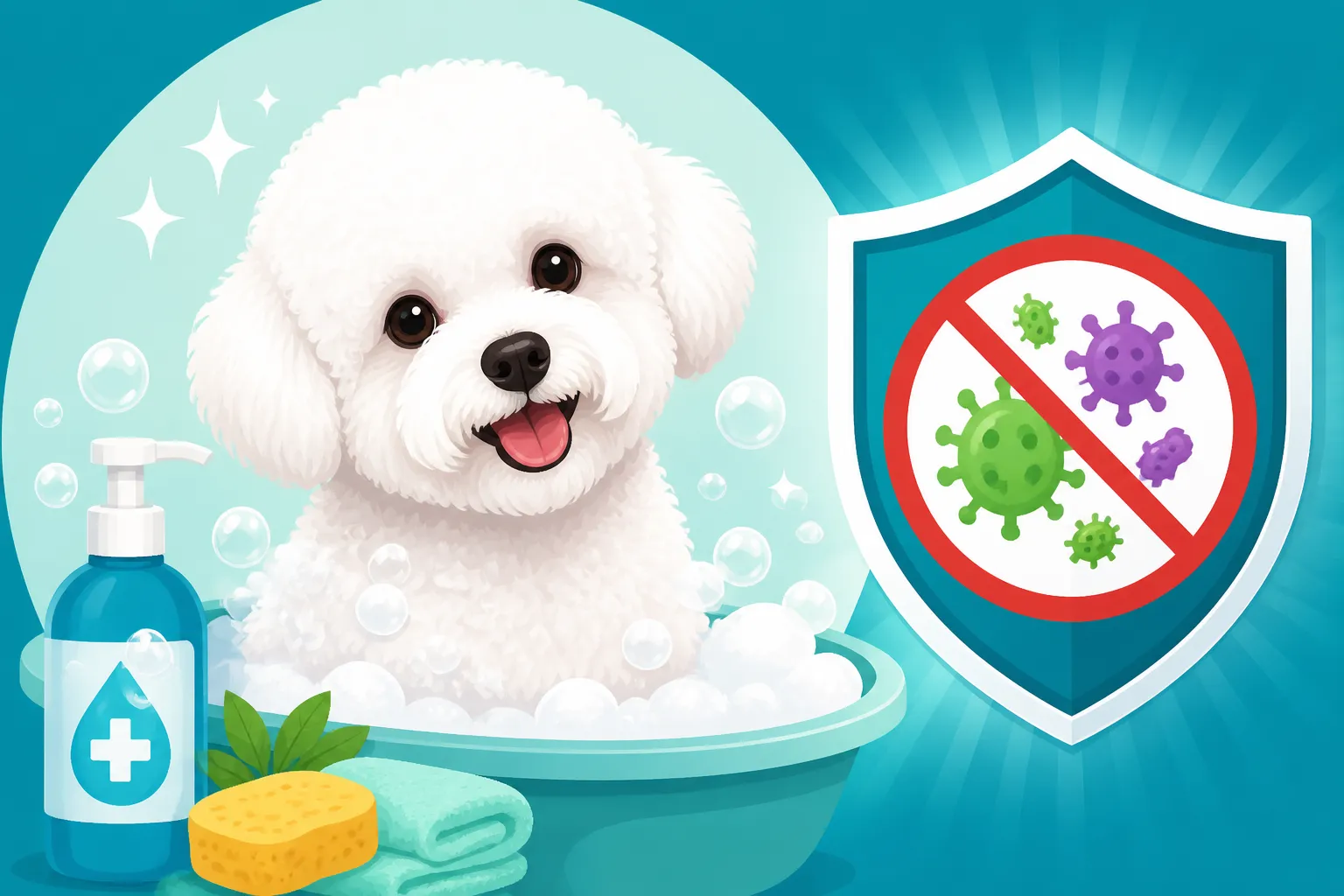
Once you've identified that your Bichon Frise is battling a skin infection, medicated baths often become a cornerstone of their treatment plan. These aren't just regular shampoos; they're formulated with specific active ingredients designed to target and eliminate the offending microbes, giving your dog much-needed relief and allowing their skin to heal.
Types of Medicated Shampoos and Their Active Ingredients
Medicated shampoos come in various formulations, each with its own specific purpose, making it crucial to use the one recommended by your veterinarian. For bacterial skin infections (pyoderma), common active ingredients include chlorhexidine and benzoyl peroxide. Chlorhexidine is a powerful antiseptic that works by disrupting the cell walls of bacteria and yeasts, effectively killing them on contact. It also has a residual effect, meaning it continues to work for a period after rinsing. Benzoyl peroxide, on the other hand, is excellent for deep cleaning hair follicles, flushing out debris, and has both antibacterial and keratolytic properties, which means it helps shed dead skin cells.
When yeast infections (Malassezia dermatitis) are the primary culprit or are present alongside bacteria, shampoos containing antifungal agents like ketoconazole or miconazole are typically prescribed. These ingredients disrupt the fungal cell membrane, leading to the death of the yeast. Often, you'll find combination shampoos that include both antibacterial and antifungal agents, offering a broad-spectrum attack against common skin invaders. Beyond these active fighters, many medicated shampoos also incorporate soothing ingredients such as colloidal oatmeal, ceramides, or essential fatty acids. These aren't meant to kill microbes but rather to calm irritated skin, reduce inflammation, and help repair the damaged skin barrier, making the overall treatment more comfortable for your Bichon. For sensitive skin, your vet might recommend a specific type of product, so understanding Which Shampoo Suits an Itchy Bichon Frise is essential.
The Importance of Proper Bathing Technique and Frequency
Using medicated shampoo isn't just about sudsing up your Bichon like you would with a regular bath; technique and consistency are paramount for effective treatment. The most crucial factor is contact time. For the active ingredients to do their job, they need to remain on the skin for a specified period, usually 10 to 15 minutes. This can feel like an eternity when you have a wriggly Bichon in the tub!
Here's a general step-by-step guide for optimal results:
- Brush Thoroughly: Before wetting, give your Bichon a good brush to remove any loose hair and debris and to help de-tangle. This allows the shampoo to reach the skin more effectively.
- Pre-Wet Completely: Use lukewarm water to thoroughly wet your Bichon's entire coat, making sure the water penetrates all the way to the skin.
- Apply and Lather: Apply the medicated shampoo generously, working it deeply into the coat and onto the skin. Pay special attention to affected areas like the armpits, groin, paws, and any visibly irritated patches. Create a good lather.
- Crucial Contact Time: This is where many owners fall short. Set a timer for the recommended 10-15 minutes. Use this time to gently massage the shampoo into the skin, or engage your Bichon with a Lickimat smeared with peanut butter to keep them distracted and still. You can also re-lather lightly if needed.
- Rinse, Rinse, Rinse! After the contact time is up, rinse your Bichon extremely thoroughly. Residual shampoo can cause irritation and dryness, which defeats the purpose. Keep rinsing until the water runs completely clear and you can feel no slipperiness on their coat. You might even want to rinse twice. Our article on Whether Rinsing a Bichon Frise Thoroughly Matters delves into this in more detail.
- Dry Completely: Blot dry with towels and then use a low-heat, forced-air dryer, if your Bichon tolerates it, to ensure the coat and skin are completely dry. Remember, moisture trapped in the dense Bichon coat is an enemy of healthy skin.
The frequency of medicated baths will depend on the severity of the infection and your vet's instructions. Often, initially, baths might be recommended 2-3 times a week for a few weeks, gradually tapering down to once a week or every other week as the infection improves. Consistency is key, so stick to the schedule your vet outlines. For more insights, read our dedicated guide on Whether Medicated Baths Help a Bichon Frise.
Here’s a quick overview of common medicated shampoo ingredients and their primary uses:
| Active Ingredient | Primary Action | Best For | Considerations |
|---|---|---|---|
| Chlorhexidine | Broad-spectrum antiseptic (antibacterial, antifungal) | Bacterial & yeast infections | Excellent residual activity, very common. |
| Miconazole/Ketoconazole | Antifungal | Yeast infections (Malassezia dermatitis) | Often combined with chlorhexidine for dual action. |
| Benzoyl Peroxide | Antibacterial, follicular flushing, keratolytic | Deep pyoderma, greasy skin, folliculitis | Can be drying; use with caution on sensitive or very dry skin. |
| Selenium Sulfide | Antifacterial, antifungal, keratolytic | Seborrhea (oily/flaky skin), fungal issues | Strong odor, can be irritating; less common for general use on Bichons. |
| Oatmeal/Aloe Vera | Soothing, moisturizing | Relieving itch, dry skin, sensitive skin | Often combined with active ingredients or used as a follow-up conditioner. |
Medicated Baths as Part of a Holistic Management Plan
While medicated baths are undeniably powerful tools for clearing up skin infections, it’s vital to see them as just one piece of a larger puzzle. For lasting relief and true control over your Bichon Frise's recurring skin issues, you need to address the underlying causes.
Addressing the Root Cause Beyond Topical Treatment
The hard truth is that medicated baths, as effective as they are, are primarily symptomatic treatments. They control the secondary bacterial and yeast overgrowth, but they don't fix the primary problem that allowed those microbes to take hold in the first place. For most Bichons with recurrent skin infections, that primary problem is an underlying allergy, whether it's environmental atopy or a food sensitivity. Without identifying and managing this root cause, the infections will almost certainly keep coming back, turning into a frustrating cycle of temporary fixes.
Your veterinarian will be instrumental in diagnosing the exact nature of your Bichon's skin issues. This might involve various diagnostic tests, such as skin scrapes to rule out parasites, cytology to identify specific bacteria or yeasts, and potentially allergy testing (either blood tests or intradermal skin testing) or an elimination diet trial to pinpoint food allergies. Once the underlying cause is identified, a more targeted and holistic treatment plan can be developed. This might include systemic medications like oral antibiotics or antifungals for more severe or deep-seated infections. For allergies, your vet might recommend specific therapies such as antihistamines, corticosteroids (used cautiously), or newer, highly effective medications like Apoquel or Cytopoint. These medications work to dampen the allergic response, reducing the itch and, in turn, minimizing the opportunity for secondary infections. Navigating these treatment options can be complex and costly, which is where a comprehensive pet insurance plan, such as one from Healthy Paws, can be a real lifesaver, helping cover the costs of diagnostics, consultations, and ongoing medications. It's truly a relief to know you can make decisions based on your Bichon's health, not just your wallet. For those looking for non-steroidal options, our guide on Whether Allergy Treatment Can Avoid Steroids offers more information.
Environmental Management and Routine Care
Beyond medications and specific treatments, daily environmental management and consistent routine care play an enormous role in supporting your Bichon Frise's skin health and preventing future infections. Think of it as creating an optimal "skin-friendly" lifestyle for your furry friend. One key aspect is regular grooming, not just for aesthetics but for hygiene. Keeping their dense coat clean, brushed, and free of mats helps prevent moisture and debris from getting trapped against the skin, which, as we discussed, creates a perfect breeding ground for microbes. Regular brushing also helps distribute natural skin oils, supporting a healthier skin barrier.
Proper ear hygiene is another critical component, especially for Bichons who are prone to ear infections. Their floppy ears and abundant ear hair can trap moisture and wax, leading to recurrent issues. Learning Whether a Bichon Frise's Ears Need Treating Constantly and incorporating routine ear cleaning into your schedule can make a big difference. Similarly, keeping paws clean, especially after walks, helps remove allergens and irritants. If food allergies are suspected, transitioning to a specialized diet under veterinary guidance can dramatically improve skin health. Many prescription diets are formulated to reduce allergic reactions and support the skin barrier. Remember, even a single treat outside the prescribed diet can trigger a flare-up. You can find more details on this topic in our article, The Diet a Bichon Frise Stays On for Life. All these routine care measures, while seemingly small, add up to significant support for your Bichon's overall skin resilience. Considering the long-term nature of managing chronic conditions like allergies and recurrent infections, having the financial support of pet insurance, like a policy from Healthy Paws, can help ensure you can afford consistent, high-quality care without undue stress.
Potential Challenges and When to Seek Veterinary Intervention
While medicated baths are incredibly helpful, it's important to recognize their limitations and understand when the problem might be bigger than what a topical treatment can handle. Ignoring warning signs could lead to prolonged suffering for your Bichon.
When Medicated Baths Aren't Enough or Cause Irritation
You might be diligently giving your Bichon their medicated baths, following all the instructions, but if you're not seeing significant improvement within a few weeks, or if their condition seems to be getting worse, it's a clear sign that medicated baths alone aren't cutting it. This often indicates that the underlying cause hasn't been adequately addressed, or that the infection is more severe or complex than a topical treatment can manage. For instance, if your Bichon has a deep skin fold pyoderma, the shampoo might not be able to penetrate deeply enough to eliminate the infection.
Additionally, some Bichons might develop skin irritation from certain medicated shampoos, especially if they have extremely sensitive skin or if the shampoo is used too frequently or isn't rinsed thoroughly. Signs of irritation include increased redness, dryness, flakiness, or more intense itching immediately after bathing. If you notice any adverse reactions, or if the infection simply isn't responding, it's crucial to stop and consult your veterinarian immediately. They might need to adjust the type of shampoo, prescribe oral medications, or investigate further to uncover missed underlying issues. Sometimes, it’s not just about what you use, but how the entire care plan fits together to provide genuine relief, which our guide on Managing a Bichon Frise's Skin Without Steroids discusses in depth.
Recognizing the Signs of a Stubborn or Deep-Seated Infection
Sometimes, a skin infection can become stubbornly entrenched or develop into a deep-seated issue that topical treatments alone cannot resolve. It's essential for owners to recognize these more severe signs, as they warrant immediate veterinary attention. Look out for symptoms such as: expanding areas of redness and inflammation, painful pustules or abscesses, open sores that weep fluid, a strong foul odor that persists even after bathing, or signs of systemic illness like lethargy, fever, or a decreased appetite. These can indicate a resistant bacterial strain, a fungal infection that requires specific oral medication, or even a more complex immune-mediated skin disease.
In such cases, your vet will likely need to perform additional diagnostic tests, such as skin biopsies, fungal cultures, or bacterial culture and sensitivity testing. This last test is particularly important as it identifies the specific type of bacteria causing the infection and determines which antibiotics will be most effective against it. Without this information, oral antibiotics might be prescribed blindly, potentially leading to antibiotic resistance and further frustration. Treating these more severe or recurrent infections can be quite involved, often requiring a combination of systemic medications, specialized topical therapies, and ongoing veterinary monitoring. These unexpected and sometimes prolonged treatment journeys can incur significant costs, highlighting once again how valuable a robust pet insurance plan from a provider like Healthy Paws can be in allowing you to pursue the best possible care for your beloved Bichon Frise without financial strain.
Disclaimer
This article is intended for informational purposes only and does not constitute medical advice. Always consult with a qualified veterinarian for any health concerns or before making any decisions about your Bichon Frise's medical care.