Caring for a Bichon Frise Past Eleven
Senior Bichon Frise care after age eleven involves recognizing natural aging signs and identifying potential health problems.
Know what to watch for.
Breed-specific conditions, screening and DNA tests, what surgery actually costs, and the daily habits that stretch a healthy lifespan.

Senior Bichon Frise care after age eleven involves recognizing natural aging signs and identifying potential health problems.

Bichon Frise lifespan details covering genetics, nutrition, exercise, bladder stones, and patellar luxation health management.

Bichon Frise inherited eye conditions, genetic health vulnerabilities, early detection signs, and veterinary care strategies.
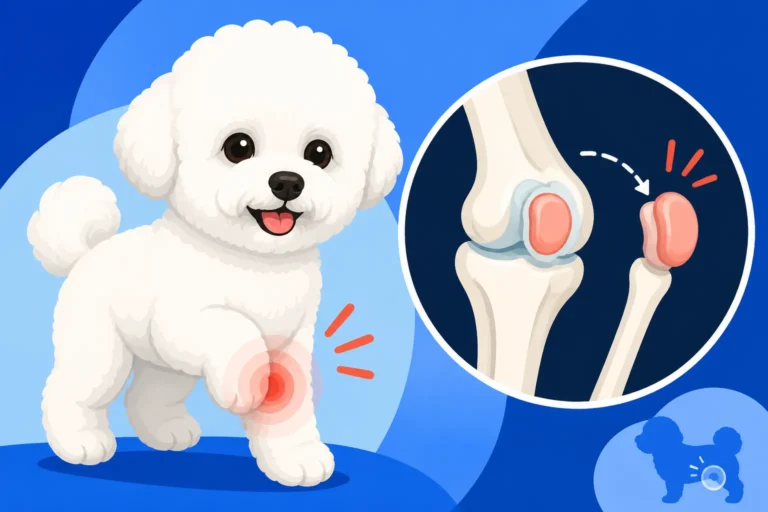
Patellar luxation in Bichon Frises explains why kneecaps slip and details diagnosis, management, and long-term care options.

Diabetes mellitus in Bichon Frises explains high blood sugar, insulin failure, beta cell damage, and breed risk factors.
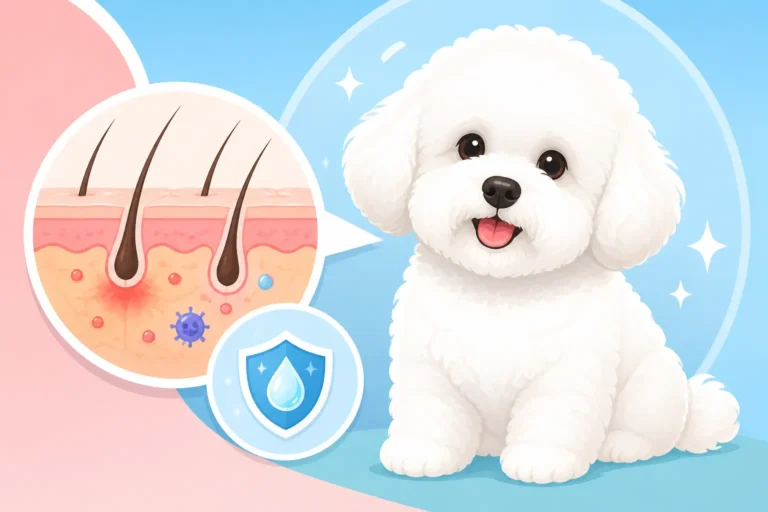
Atopic dermatitis in Bichon Frises is an inherited inflammatory skin disease caused by genetics and environmental allergens.

Allergy steroids and their potential link to Cushing disease in Bichon Frises, detailing risks and management options for owners.
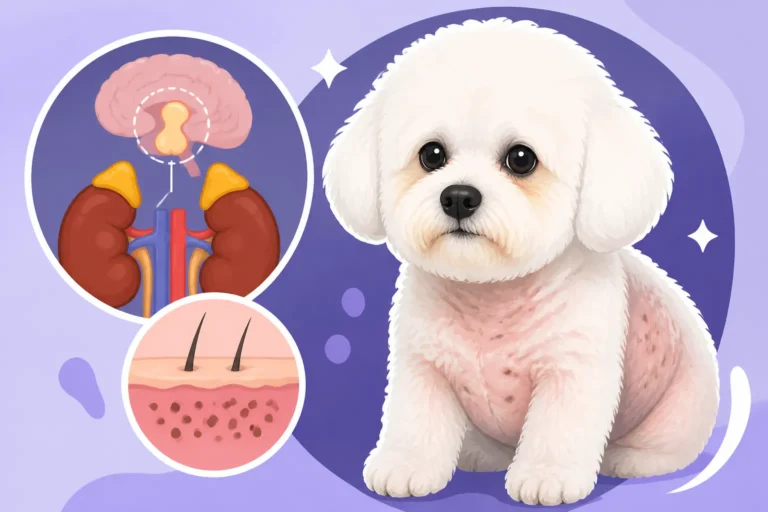
Cushing disease in senior Bichon Frises over seven involves excessive cortisol production from pituitary or adrenal tumors.
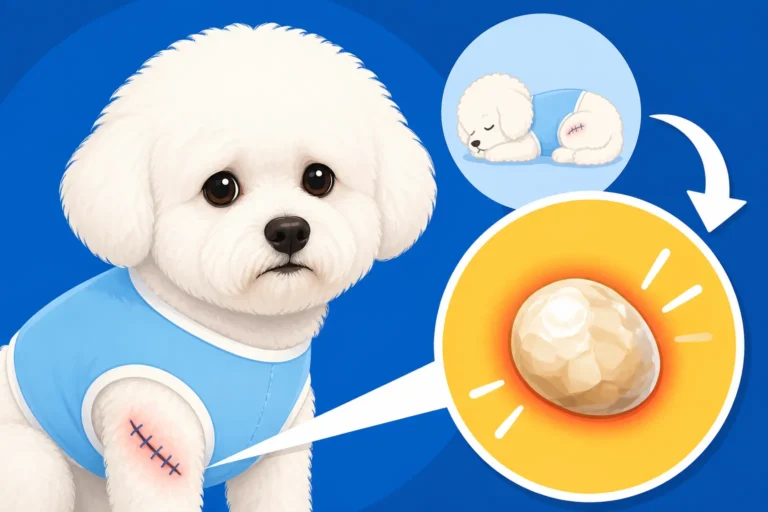
Calcium oxalate bladder stones return in over a third of Bichon Frise dogs within one year after initial surgery.
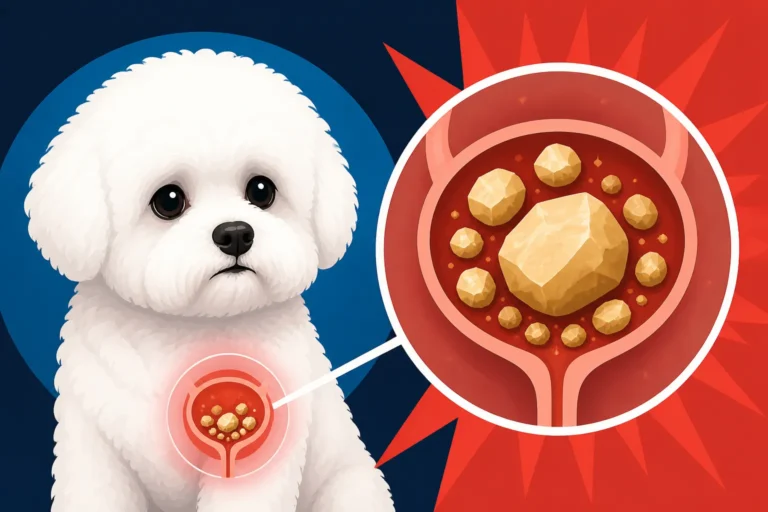
Bichon Frises form bladder stones twenty times more often than other breeds due to strong genetic and metabolic factors.