Settling a Rehomed Bichon Frise
Bringing a rehomed Bichon Frise into your home is often a mix of excitement, hope, and a fair bit of anxiety—for both you and your new furry family member. It’s disheartening when a sweet dog struggles to adjust, and you might feel overwhelmed wondering if you’re doing enough or if they'll ever truly feel at home. This comprehensive guide will walk you through understanding your rehomed Bichon's unique needs, creating a supportive environment, and patiently building the trust that will help them blossom into a confident, cherished companion.
Understanding the Emotional Landscape of a Rehomed Bichon Frise
When a Bichon Frise is rehomed, they're not just moving house; they're experiencing a profound shift in their entire world. This isn't just about switching from one sofa to another; it's about losing everything familiar and having to rebuild their sense of security from the ground up. Understanding this emotional upheaval is the first step to helping them settle in.
Why Rehoming is a Big Deal for a Bichon Frise
Imagine waking up one day in a completely different place, with new people, new smells, and an entirely new routine, all without any explanation. That's essentially what a rehomed Bichon Frise goes through. Their world, which was built on predictable interactions, familiar voices, and established boundaries, suddenly dissolves. This can be incredibly disorienting and frankly, terrifying for a sensitive dog like a Bichon. They might have been with their previous family for years, perhaps since puppyhood, and formed deep attachments. Losing those connections isn't just a minor inconvenience; it's a significant emotional loss.
The disruption of their routine alone is a massive stressor. Dogs thrive on predictability. Knowing when they'll eat, when they'll go outside, and who will interact with them, and how, provides a framework of safety. When that framework is suddenly removed, they can become anxious, confused, and even depressed. Their senses are bombarded with new stimuli—the particular scent of your detergent, the sound of your neighbor's dog, the rhythm of your household. Everything is unfamiliar, and their instinctual response is often to be wary and on high alert. It takes a huge amount of mental and emotional energy for them to process all this new information and try to figure out what's safe and what isn't.
Common Behaviors in a Newly Rehomed Bichon Frise
It's completely normal for a newly rehomed Bichon Frise to exhibit a range of behaviors that might seem out of character or even frustrating. Don't take these personally; they are often direct indicators of stress and adjustment. You might see a usually outgoing breed like the Bichon become incredibly shy, hiding under furniture, or retreating to a quiet corner. They might refuse food, or perhaps eat ravenously but then throw up due to stress. House-training accidents, even in a previously house-trained dog, are very common. It's not usually defiance; it's often a combination of anxiety, unfamiliarity with the new potty spot, or even an underlying urinary issue exacerbated by stress. If you're wondering Whether a Rescue Bichon Frise Arrives Clean Indoors, the answer is often "not consistently," and it's something to be prepared for.
Some Bichons might bark excessively at every new sound or sight, a manifestation of their anxiety or a desperate attempt to communicate their unease. Others might become overly clingy, shadowing your every move, while some might seem distant and avoid interaction. You might even observe mild resource guarding over new toys or a bed, which stems from a place of insecurity, fearing that these new, precious items might also be taken away. Changes in sleep patterns, panting, licking paws excessively, or subtle trembling are all common signs of a dog grappling with a new environment. It's crucial during this period to distinguish between normal adjustment behaviors and signs that your Bichon might be genuinely unwell or in pain, in which case a vet visit would be prudent.
Creating a Sanctuary: The First Days and Weeks at Home
The first few days and weeks are critical for helping your rehomed Bichon Frise feel secure. Your primary goal is to minimize stress and maximize predictability, turning your house into their safe haven.
Setting Up Their Safe Space
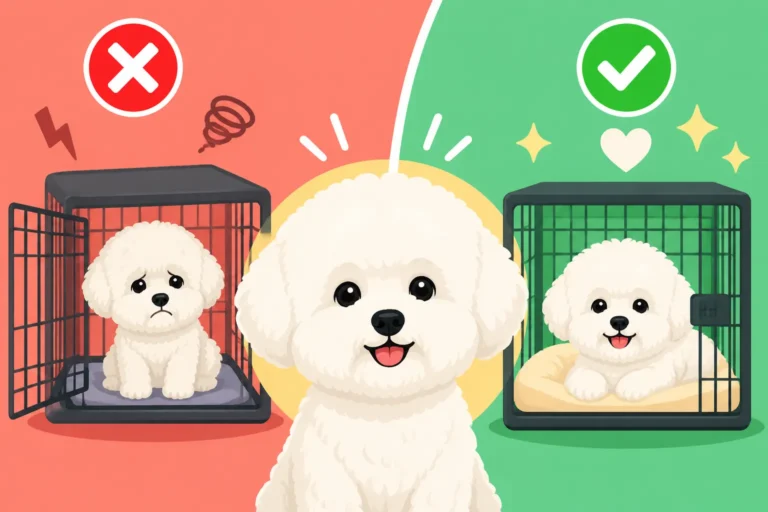
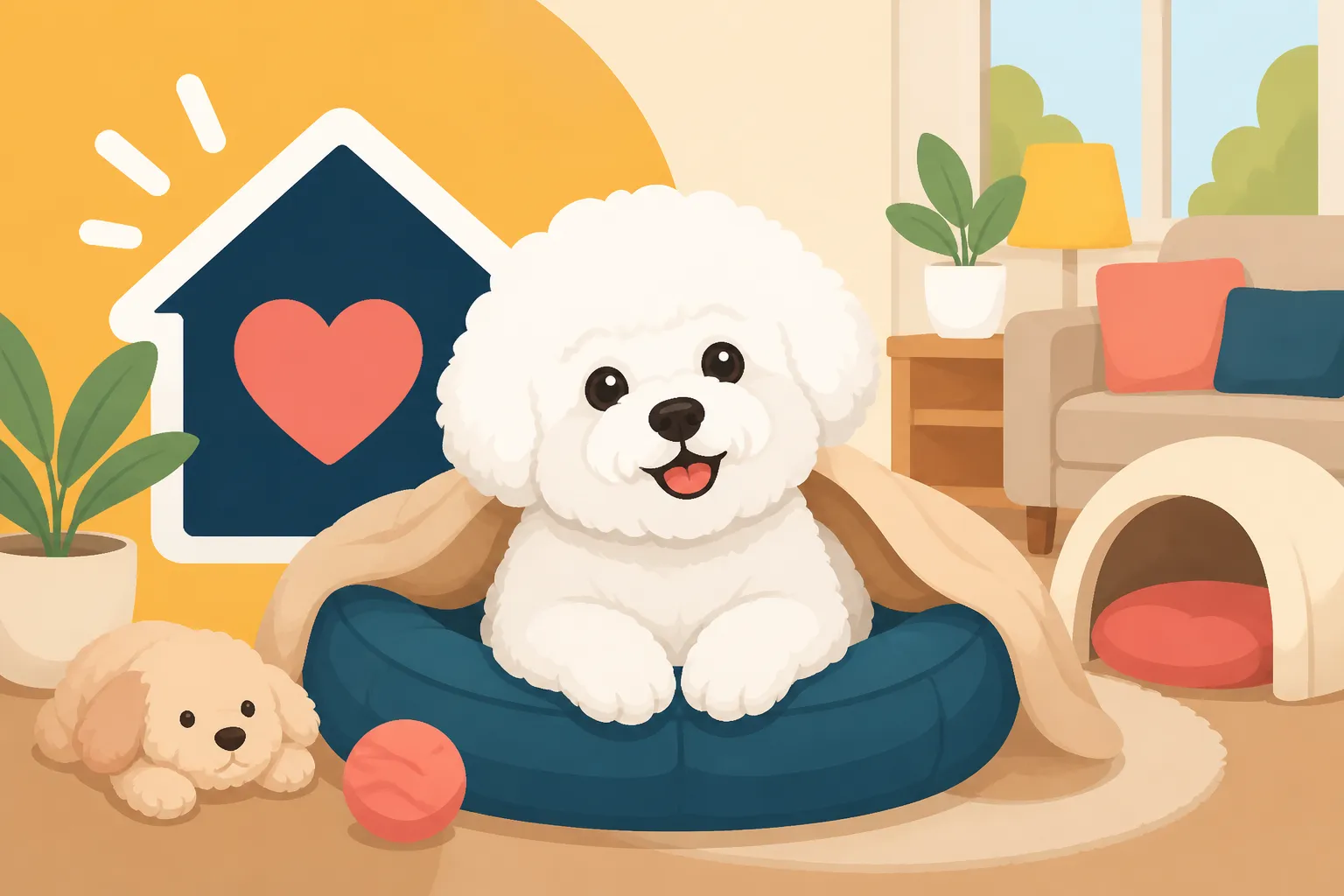
From the moment your Bichon arrives, they need a dedicated retreat – a place that is solely theirs, where they can feel safe and undisturbed. A comfortable crate or a cozy bed in a quiet corner of a low-traffic room makes an excellent den. Drape a blanket over the crate to make it feel more secluded and cave-like. This isn't about punishment; it's about providing a secure sanctuary. Place a soft bed, a few chew toys, and their water bowl within or immediately next to this space. If you were lucky enough to get a blanket or toy with the scent of their previous home, place it in their new den. Familiar smells can be incredibly comforting during this stressful transition.
When it comes to setting up, think about what you'd want if you were feeling overwhelmed. Quiet. Comfort. Privacy. You can find excellent, durable crates and comfy beds on platforms like Amazon, making it easy to create this safe zone quickly. Consider a calming diffuser, which emits pheromones that can help reduce anxiety in dogs, especially useful in those initial days. Keep their feeding station consistent too. Having their food and water bowls in the same spot, away from heavy foot traffic, adds another layer of predictability to their new life.
Establishing a Predictable Routine
Consistency is key to helping a rehomed Bichon understand their new world. Dogs are creatures of habit, and a predictable routine helps them relax, knowing what to expect and when. Start establishing this routine from day one. This includes consistent feeding times – two or three meals a day at the same hours. Regular potty breaks are even more crucial. Take your Bichon out first thing in the morning, after meals, after waking from naps, and before bed. It might feel like you're taking them out constantly, but this helps prevent accidents and reinforces where they should relieve themselves. A written schedule, even a simple one, can be a lifesaver.
Beyond feeding and potty breaks, incorporate consistent walk times and short, gentle play sessions. These don't have to be long or intense in the beginning; just enough to introduce some positive interaction and physical release. For example, a morning walk, a midday play, an afternoon walk, and an evening cuddle. The more predictable you make their days, the faster they will learn to trust that their basic needs will be met and that you are a reliable caregiver. This predictability creates a sense of control for them in an otherwise unpredictable situation, reducing anxiety. Having a consistent The Toilet Routine That Finally Works on a Bichon Frise is paramount for building confidence and preventing setbacks.
Gentle Introduction to Family and Other Pets
Introducing your new Bichon Frise to family members and any existing pets requires extreme patience and a slow, controlled approach. For humans, keep initial interactions calm and low-key. Avoid overwhelming them with too many people or too much attention all at once. Let the Bichon initiate contact. If they approach, offer a gentle scratch under the chin or a quiet word of praise. Avoid direct eye contact or looming over them, which can be perceived as threatening. Kids should be taught to be calm and respectful of the dog's space, understanding that the Bichon needs time to adjust.
When it comes to other pets, particularly existing dogs, it’s best to make introductions on neutral territory if possible, like a nearby park, where neither dog feels territorial. Keep both dogs on leashes initially, allowing them to sniff each other cautiously. Watch for signs of stress or aggression from either animal. Keep initial interactions very short and positive, ending before either dog gets overwhelmed. Supervise all interactions closely, especially in the first few weeks, and always ensure your new Bichon has a safe, private retreat they can escape to if they feel overwhelmed. Never force interactions. The goal is coexistence and gradual acceptance, not instant best friends.
Here's a sample introduction schedule you might follow, always adapting to your specific Bichon's comfort level:
| Day | Focus | Activity |
|---|---|---|
| Day 1 | Arrival & Sanctuary | Settle in quiet, pre-prepared safe space. Limited interaction from one primary caregiver. Regular, short potty breaks. |
| Day 2-3 | Routine & Observation | Maintain consistent feeding/potty schedule. Gentle, brief interactions. Observe behavior without pressure. Allow exploration of immediate area. |
| Day 4-7 | Gradual Exposure | Introduce other calm family members one at a time. Supervised short periods in common areas. Start very short, gentle play. |
| Week 2 | Expanding Routine | Introduce short, positive walks. Continue gentle exposure to family. Start brief training sessions. |
| Week 3-4 | Pet Introductions (if applicable) | Controlled, brief, on-leash introductions to resident pets in neutral areas. Always supervised. Separate spaces remain available. |
| Month 2+ | Solidifying & Socializing | Continue routine. Gradually expand walks and social interactions. Introduce positive training and enrichment. |
Building Trust and Bridging the Gap
Once your Bichon Frise has a basic understanding of their new routine and safe space, the real work of building a deep, lasting bond begins. This phase is all about patience, positive reinforcement, and consistent communication.
Positive Reinforcement and Patience
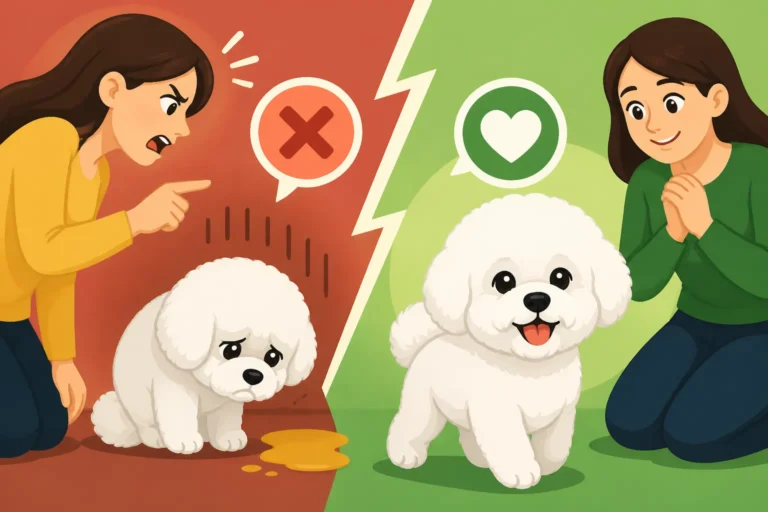
Building trust with a rehomed dog is like building a fragile bridge, brick by patient brick. The most effective way to strengthen this bridge is through positive reinforcement. This means rewarding the behaviors you want to see. Did your Bichon calmly walk past another dog on your first walk? Treat and praise! Did they choose to nap in their bed instead of hiding under the sofa? A quiet "good dog" and a gentle ear rub. Every calm, confident action, no matter how small, is an opportunity to reinforce that your home is a good place to be. Avoid punishment at all costs. Yelling, scolding, or harsh corrections will only exacerbate their anxiety and erode the nascent trust you're trying to build. Remember, Whether Punishment Accidents Sets a Bichon Frise Back is a definite "yes"—it creates fear and confusion, not understanding.
Patience is your most valuable tool. There will be setbacks. A previously house-trained dog might have an accident. A shy dog might suddenly revert to hiding. These moments are not failures; they are simply part of the adjustment process. Your response in these moments is what truly matters. Clean up accidents without fanfare. Coax a hiding dog gently with a treat, but don't force them out. Understand that your Bichon is learning to navigate a whole new set of rules and expectations, often with a history you don't fully know. Every dog progresses at their own pace, and rushing them will only make the process longer and more stressful for everyone.
Enrichment and Mental Stimulation
While physical exercise is important, mental stimulation is equally crucial for a rehomed Bichon Frise, especially one who might be too anxious for extensive outdoor adventures initially. Puzzle toys are fantastic for this, offering a safe and engaging way for them to 'work' for their food or treats. A simple Kong stuffed with peanut butter or wet food (frozen for a longer challenge) can keep them occupied and mentally engaged, helping to build their confidence. Snuffle mats, where they have to sniff out hidden treats, also provide great mental enrichment. You can find a wide variety of these on Amazon to keep things fresh.
Short, positive training sessions are another excellent way to engage their minds and build your bond. Start with simple cues like "sit," "stay," or "come." Bichons are intelligent and can be surprisingly keen to learn, especially when high-value treats are involved. Even if they knew these commands before, practicing them with you in their new home helps establish you as a benevolent leader and builds a shared language. Online training platforms, such as BAXTER & Bella, can be incredibly helpful for new owners, offering structured lessons and support that you can follow at your own pace, right from your living room. These structured activities provide a sense of purpose and routine, contributing significantly to their settling process and proving that How Fast a Bichon Frise Learns a New Cue can be impressive with the right motivation.
Addressing Specific Behavioral Challenges
As your Bichon settles, specific behavioral challenges might emerge or persist. Separation anxiety is a common one for rehomed dogs, who may become distressed when left alone. Start with very short absences—just a few minutes—and gradually increase the time, always ensuring your departure and return are low-key. Providing a puzzle toy filled with treats right before you leave can help create a positive association with your absence. If you observe signs of constant distress like incessant barking, destructive chewing, or inappropriate urination when you're gone, it might be time to consult with a professional trainer or vet. Sometimes, Whether Medication Helps an Anxious Bichon Frise might be a question for your vet to consider alongside behavioral modification.
Another common issue can be excessive barking, especially if your Bichon is a "window watcher." Identify the triggers – is it passersby, other dogs, or noises? You can try managing the environment by closing curtains or using frosted film on windows. Teaching a "quiet" cue by rewarding silence can also be effective. For other issues like resource guarding or shyness, positive reinforcement and counter-conditioning are your best friends. If your Bichon growls when you approach their food, instead of confronting them, toss a high-value treat from a distance. Gradually, they'll associate your approach with good things, reducing their need to guard. Always remember, if you feel overwhelmed or the behavior seems severe, seeking guidance from a certified professional dog trainer or veterinary behaviorist is always the wisest course of action.
Long-Term Integration and Continued Support
The journey of settling a rehomed Bichon Frise doesn't end after the first few weeks. True integration and confidence building are ongoing processes that require continued effort, gentle expansion of their world, and consistent health monitoring.
Socialization Beyond the Home
Once your Bichon is visibly comfortable and confident in their new home and with their immediate family, you can slowly begin to reintroduce them to the wider world. This isn't about throwing them into a dog park full of boisterous canines; it's about controlled, positive socialization. Start with quiet walks in new, calm environments. Allow them to sniff and explore at their own pace. Gradual exposure to new sights, sounds, and smells builds resilience. When introducing them to new people, again, keep it low-key. Ask friends to offer a treat gently without staring or towering over them. For dog-to-dog interactions, seek out calm, well-socialized dogs belonging to friends, and ensure initial meetings are short and supervised.
It's vital to read your Bichon's body language. Are their ears back, tail tucked, trying to hide? They're overwhelmed. Are they sniffing curiously, tail wagging loosely, relaxed posture? They're enjoying it. Respect their boundaries and don't push them into situations where they are clearly uncomfortable. An undersocialized Bichon Frise can sometimes struggle to Whether an Undersocialized Bichon Frise Recovers, but with patience and positive experiences, most can learn to navigate the world with greater confidence, even if they never become the life of the party. The goal isn't necessarily to make them a social butterfly, but to ensure they feel safe and confident encountering the necessary aspects of daily life.
Regular Vet Check-ups and Health Considerations
A thorough vet check-up soon after bringing your rehomed Bichon Frise home is absolutely essential. This initial visit allows your veterinarian to assess their overall health, address any immediate concerns, and establish a baseline. If you have any medical history from their previous home, bring it with you. Discuss any behavioral issues you've observed, as sometimes pain or an underlying medical condition can manifest as behavioral problems. For example, a dog suddenly having accidents might not just be due to stress; they could have a urinary tract infection or even bladder stones, a common issue for Bichons.
Regular dental care is another critical aspect, as Dental Disease in a Bichon Frise is highly prevalent in small breeds. Your vet can advise on diet, vaccinations, parasite prevention, and discuss any breed-specific predispositions like luxating patellas or eye conditions. Establishing a good relationship with your vet provides an invaluable support system as you help your Bichon transition and thrive. A healthy dog is a happy dog, and addressing any physical discomfort can significantly improve their emotional well-being and ability to settle.
Understanding When Your Bichon Frise Has Truly Settled
Knowing when your rehomed Bichon Frise has truly settled is a wonderful milestone, but it's important to recognize that "settled" doesn't mean "perfect." It means they've integrated into your household and feel secure and comfortable. The signs are often subtle but profound:
- Relaxed Body Language: They no longer seem constantly tense. Their ears are relaxed, tail held naturally (for a Bichon, that's often curled over their back), and their muscles aren't constantly rigid.
- Initiating Interaction: They seek out your attention, bring you toys, or lean into you for cuddles. This shows they trust you and enjoy your company.
- Normal Appetite and Thirst: They eat and drink consistently without hesitation or stress-related upset stomachs.
- Following Routine: They anticipate feeding times, head to the door for potty breaks, and settle easily at night. They understand the rhythm of your home.
- Reduced Accidents: While an occasional accident can still happen, they are consistently using their designated potty area.
- Engaging in Play: They might start zoomies (the "Bichon Blitz"), play with toys, or engage playfully with family members or other pets. Whether a Bichon Frise Is Genuinely Cheerful will become evident in these moments.
- Exploring Confidently: They move freely throughout the house, no longer sticking strictly to their safe space.
Remember, settling is a journey, not a destination. It can take weeks, months, or even longer for some dogs to fully decompress and feel completely at home. Be patient, be consistent, and most importantly, be loving. The bond you forge with a rehomed Bichon Frise is incredibly rewarding, built on mutual trust and understanding, and truly worth every bit of effort.
Disclaimer
This article is for general informational purposes only and does not constitute professional advice. Laws, prices and regulations vary by location and change over time. Consult a qualified professional for guidance on your specific situation.