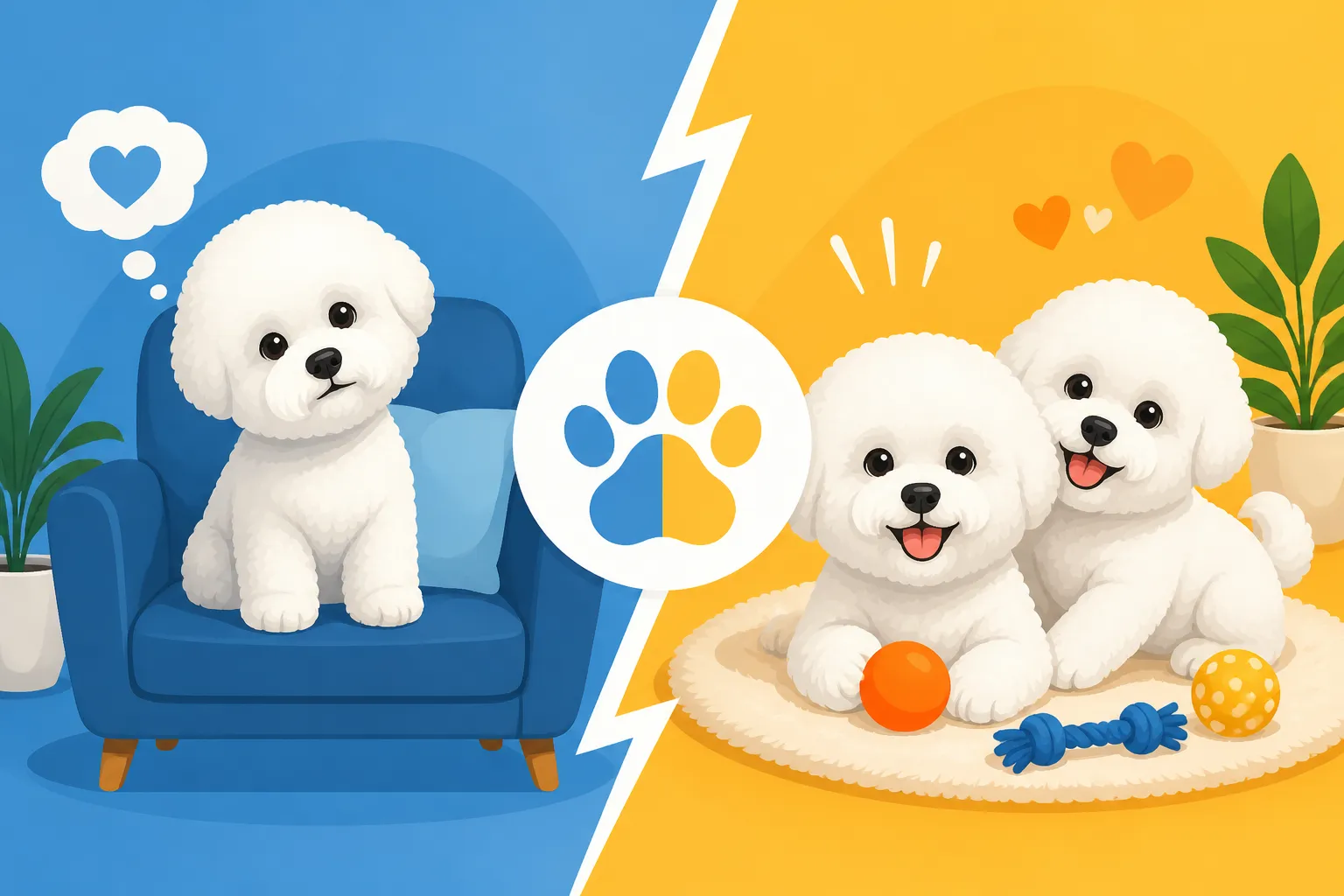
Whether Two Bichon Frises Are Easier Than One
It's so tempting, isn't it? You look at your adorable Bichon Frise, full of personality and charm, and you think, "Wouldn't it be wonderful to have two? They could keep each other company, play together, and maybe even lessen my workload a bit." It’s a common fantasy among dog owners, this idea that a second pup will magically entertain the first, making your life easier. But let's be realistic here: while the idea is lovely, the reality of managing two Bichons is rarely easier in the way most people hope. This guide will help you unpack what truly goes into having a multi-Bichon household, so you can make an informed decision that's right for you and your fluffy companions.
The Myth of "Self-Entertaining" Multi-Dog Households
Many of us envision a harmonious scene: two little white clouds, tumbling and playing for hours, leaving us free to enjoy a cup of tea. While there will certainly be moments like this, the underlying truth is that each dog is an individual with individual needs, and simply adding another doesn't always cut your responsibilities in half, or even by a quarter. Often, it compounds them.
Initial Excitement vs. Ongoing Needs
When a new puppy or adult Bichon enters the home, there's an immediate burst of novelty. The existing dog might be curious, playful, or even a little bewildered. For a while, they might engage in more active play than your single dog did. This initial honeymoon period can certainly feel like less work because they're occupying each other. However, this phase often gives way to the regular rhythm of daily life, where each dog still looks to you for their primary needs.
Think about it: who walks them? Who feeds them? Who provides comfort when they're scared? Even if they play together, they still need individual walks to explore the neighborhood and burn off energy in a structured way. They need one-on-one cuddle time to reinforce your bond, and they need individual training sessions to ensure good behavior. If you have two, and one is still quite young, you'll find yourself needing to supervise their interactions constantly. What one Bichon finds fun, the other might find annoying, leading to squabbles or one dog feeling overwhelmed. It's not uncommon for owners to realize that instead of less work, they now have to manage interactions in addition to individual needs, which can be an entirely new layer of effort.
Two Personalities, Not One Unit
It’s crucial to remember that a second Bichon Frise isn't just a clone of the first, nor are they a single, unified entity that will always agree and get along. Each Bichon has its own distinct personality, its own quirks, and its own way of interacting with the world. You might have one Bichon who is incredibly outgoing and loves to greet everyone, and another who is shy and prefers to observe from a distance. Trying to force these two unique individuals into a single routine or expecting them to always entertain each other equally can lead to stress for both the dogs and you.
Imagine you have a Bichon, let's call her Daisy, who is a complete social butterfly, always ready for a romp in the dog park. Then you bring home a new Bichon, Charlie, who is much more reserved, maybe even a little anxious in new situations. Daisy might constantly try to engage Charlie in play that he finds overwhelming, or Charlie might become stressed by Daisy's boisterous nature. You, as the owner, suddenly become a referee and a mediator, needing to provide separate outlets for Daisy's energy and quiet, reassuring spaces for Charlie. This isn't less work; it's a different kind of work that requires deep understanding of each dog's unique emotional landscape. The Merry Temperament the Bichon Frise Standard Demands might describe the ideal, but even within that, there's a huge spectrum of individual character.
Doubling Down on the Bichon Frise's Specific Needs
Bichon Frises are known for certain characteristics and needs that, when multiplied by two, can present significant challenges. It's not just "double the fun," it's also "double the fluff, double the potential vet bills, and double the dedication."
Grooming: Double the Fluff, Double the Time
Anyone who owns a Bichon Frise knows that their glorious, cloud-like coat doesn't maintain itself. These dogs are practically famous for their grooming requirements. They don't shed much, which is wonderful for allergy sufferers, but that non-shedding coat means any loose hair gets tangled in the existing fur, leading to mats if not meticulously brushed. Add to that their predisposition to tear staining around the eyes, and you've got a daily grooming regimen.
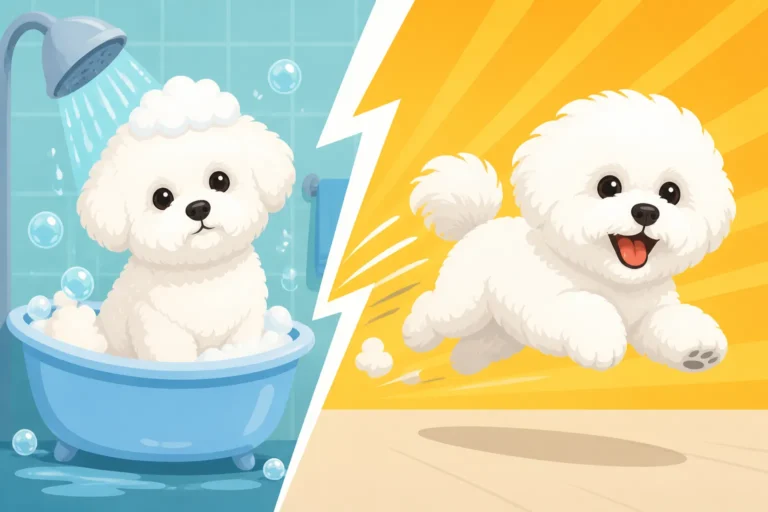
Now, imagine doing all of that for two Bichons. If you typically spend 30 minutes every other day line brushing your Bichon to prevent mats, you're now looking at an hour. Weekly baths become twice as long, and drying them into that iconic "powder puff" shape takes double the effort. Professional grooming appointments, which are essential for maintaining their coat and skin health, also double in frequency or cost. You'll be scheduling back-to-back appointments or paying for two separate sessions. A routine that was manageable for one dog can quickly become overwhelming when you're faced with two adorable, but demanding, balls of fluff. It’s not just the time, but the physical effort and the commitment to consistency that can truly test an owner's patience. You'll quickly understand why posts like How Long Brushing a Bichon Frise Takes are so popular! You'll also be buying a lot more shampoo and conditioner from places like Amazon.
Housetraining Hurdles Times Two
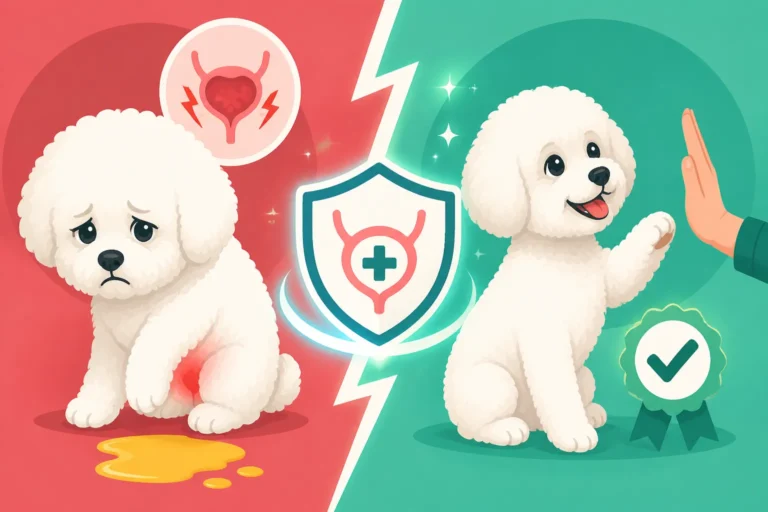
Bichons have a reputation for being notoriously difficult to housetrain. Their small bladders, combined with their sometimes stubborn nature, mean that achieving consistent potty training can be a long and challenging journey for even a single pup.
Introducing a second Bichon, especially another puppy, can either be a boon or a massive setback. Sometimes, a younger pup learns by watching an older, already housetrained dog. This is the ideal scenario, but it's far from guaranteed. More often, you're faced with two separate training journeys, each with its own setbacks and successes. One might pick it up quickly, while the other continues to have accidents. You might find yourself constantly cleaning up messes, trying to decipher which dog was responsible. Furthermore, if one dog regresses due to excitement, stress, or even a urinary tract infection, it can sometimes influence the other. The carefully established routine you had for one dog needs to be completely re-evaluated and reinforced for two, potentially leading to a longer, more frustrating process. For more on this, check out How Many Weeks a Bichon Frise Takes to Be Clean. If one of your Bichons is prone to Whether a Bichon Frise's Small Bladder Is the Problem then two small bladders certainly create more opportunities for accidents.
Health Concerns and Vet Visits
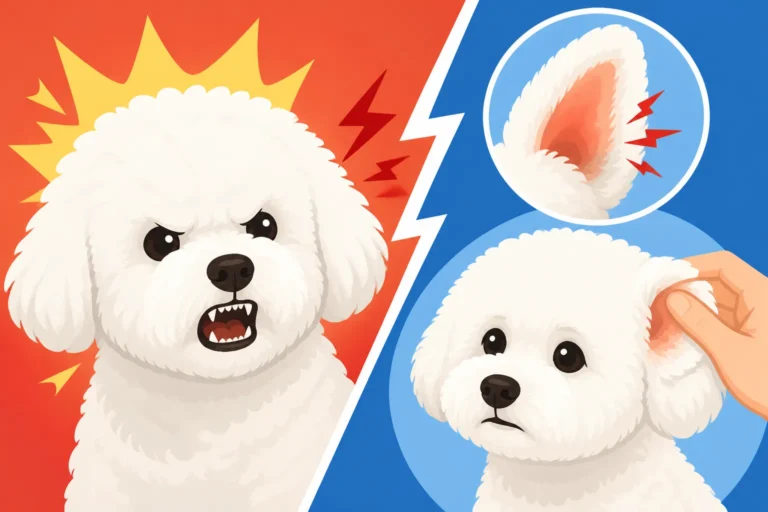
Like many purebred dogs, Bichon Frises have certain health predispositions. They are, for example, known for their risk of developing bladder stones, particularly calcium oxalate stones. They can also be prone to allergies, luxating patellas, and dental disease.
When you have two Bichons, you're not just adding another dog; you're doubling the potential for these breed-specific health issues to arise. If one Bichon develops bladder stones, requiring a special diet, frequent urine tests, and possibly surgery, you then have another Bichon who could also develop the same issue. This means managing potentially different dietary needs, administering medications to two different patients, and coordinating multiple vet appointments. Imagine the logistical challenge of trying to get two dogs to eat separate prescription foods, especially if one is a picky eater! The stress of managing one dog's chronic condition is immense; managing two can be truly overwhelming. For information on a common issue, read Whether Every Bichon Frise Gets Bladder Stones. Regular check-ups and preventative care are paramount, and with two, these become a more frequent and significant part of your schedule and budget.
The Financial and Time Investment of Two Bichons
Let's face it, owning one Bichon Frise is an investment of both time and money. When you add a second, it's not simply a marginal increase; it’s a substantial uptick across almost every category.
Costs That Scale Up
Every single expense associated with dog ownership effectively doubles when you bring home a second Bichon. This includes:
- Food: Twice the kibble or wet food. If one or both need a specialized prescription diet due to health concerns, those costs climb even higher. The Diet a Bichon Frise Stays On for Life can be a pricy commitment.
- Vet Care: Routine check-ups, vaccinations, parasite prevention, and unexpected emergencies all double. If both dogs develop a chronic condition (like allergies or stones), you're looking at managing two sets of treatments, medications, and follow-up appointments.
- Grooming: As discussed, professional grooming costs double, and your at-home grooming supplies (shampoos, conditioners, brushes) will be used up twice as fast.
- Supplies: Think beds, bowls, leashes, harnesses (many Bichons benefit from a harness for walks to protect their trachea), toys, crates, and carriers. You'll need duplicates of most items, or larger versions for two. Even training treats, which you might purchase from Amazon, will need to be bought more frequently.
- Insurance: If you choose to insure your Bichons (and for a breed with their potential health issues, it's a wise consideration), you'll be paying two premiums.
It's easy to underestimate the cumulative effect of these expenses. What might seem like an affordable budget for one dog can become a considerable strain for two. It's truly a case where What a Bichon Frise Costs a Year to Keep will give you a baseline, but you'll need to multiply it.
Time Management and Individual Attention
Time is arguably the most valuable resource for a dog owner. While two Bichons might play together, they still crave and need individual time with you. This dedicated attention is crucial for strengthening your bond, reinforcing training, and addressing any specific behavioral or emotional needs each dog might have.
Consider your daily routine:
- Walks: Do you walk them together or separately? Walking two Bichons, especially if they pull in different directions or have different paces, can be challenging. Separate walks ensure each dog gets quality outdoor time tailored to their needs.
- Training: Individual training sessions are far more effective than trying to teach two dogs simultaneously. You need to focus on one dog without the distraction or influence of the other.
- Playtime: While group play is fun, each dog also benefits from one-on-one play sessions where they are the sole focus.
- Cuddle Time: That precious lap time needs to be shared or specifically managed so both dogs feel loved and secure.
Suddenly, those "few hours" of free time you had with one dog might be completely absorbed by managing the needs of two. Every Bichon owner knows What a Bichon Frise Needs Every Day; now imagine those needs doubled. This isn't just about physical tasks; it's about the mental and emotional energy required to ensure both dogs are happy, healthy, and well-adjusted.
Training, Socialization, and Behavior
Training a single Bichon Frise can be a rewarding journey, but it requires consistency and patience. When you introduce a second dog, especially if the first isn't already perfectly trained, you could find yourself facing a more complex scenario.
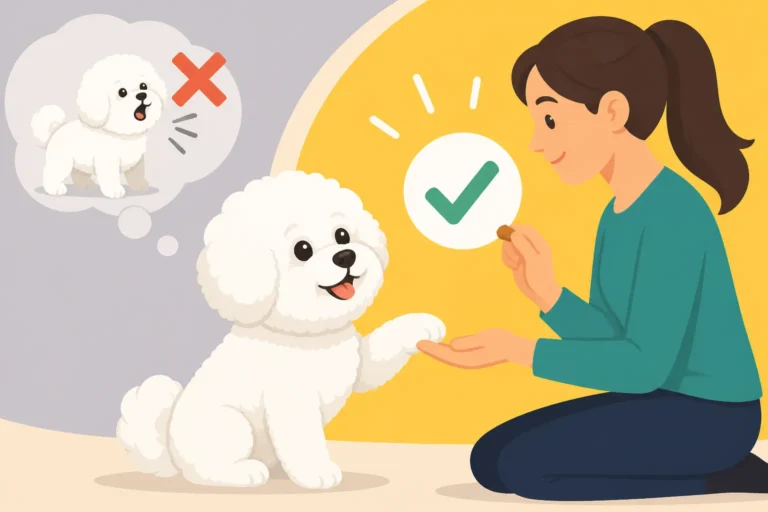
Training two dogs simultaneously can be incredibly difficult. One dog might learn faster than the other, or one might be more easily distracted. You might find yourself inadvertently reinforcing unwanted behaviors in one dog while trying to train the other. Dedicated individual training sessions are often necessary, which, again, doubles your time commitment. Services like BAXTER & Bella can offer online training resources that might help you manage two, but the effort still falls on you.
Socialization is another key aspect. While having a companion dog can certainly provide company, it doesn't replace the need for each dog to be socialized independently with other dogs and people outside the home. You need to ensure both Bichons are comfortable and confident in various environments. Sometimes, two dogs can become overly reliant on each other, leading to difficulties when one is absent, or they might even develop sibling rivalry. Whether Two Bichon Frises Learn From Each Other can vary widely, and it's not always for the better if one picks up bad habits from the other. You need to be prepared to actively manage their relationship and ensure each dog is confident on their own two paws.
Here's a quick comparison of the practical implications:
| Category | One Bichon Frise | Two Bichon Frises |
|---|---|---|
| Grooming Time | ~30 mins daily brushing, weekly bath, 6-week groom | ~1 hour daily brushing, twice-weekly baths, more frequent professional grooms for two |
| Housetraining | Focused effort on one dog's routine | Managing two distinct routines, potential for regression, double the accidents |
| Vet Appointments | Annual check-ups, occasional illness | Annual check-ups for both, higher likelihood of concurrent or serial health issues |
| Food Costs | Regular expenditure for one | Doubles, potentially higher if different prescription diets are needed |
| Supply Costs | One set of beds, bowls, toys etc. | Two sets, or larger/more durable items for shared use |
| Training Focus | One-on-one tailored sessions | Individual sessions or managing two learners at once, more complex dynamics |
| Individual Attention | Ample dedicated time available | Needs conscious effort to ensure both dogs receive sufficient one-on-one time |
| Noise Level | Occasional barking | Potential for increased barking (duets, alarm barking) |
Benefits and Considerations for a Second Bichon
Despite the challenges, many people successfully and joyfully own two or more Bichons. It's not about whether it's "easier," but whether you are prepared for the commitment and can truly appreciate the unique rewards.
Companionship (When It Works Out)
When two Bichons genuinely bond, the companionship they offer each other can be truly heartwarming to witness. They might cuddle together, chase each other around the living room, and provide comfort when you're not around. This can be especially beneficial for dogs that are prone to separation anxiety, although it's not a guaranteed cure for conditions like Whether a Bichon Frise Cries When You Leave. Seeing your two fluffy friends curled up together, or engaged in a playful tug-of-war, can bring immense joy and a sense of completeness to your home. They understand each other in a way humans never fully can, offering a canine perspective that can enrich their lives. This shared experience can lead to deeper satisfaction for you, the owner, knowing your dogs have a constant buddy.
Managing the "Only Dog" Tendencies
Some Bichons, particularly if they are the sole focus of their owner's attention, can sometimes become overly attached, leading to "only dog syndrome." This can manifest as anxiety when left alone, resource guarding, or an inability to interact appropriately with other dogs. While getting a second dog isn't a quick fix and should never be seen as a solution for existing behavioral problems, a well-matched companion can sometimes help to balance out these tendencies.
A second dog can provide a playmate and a presence, reducing intense reliance on the owner for all social interaction. It teaches them to share, to negotiate, and to tolerate another presence in their space. However, it's a delicate balance; you want healthy interdependence, not a situation where two dogs simply amplify each other's anxieties or create new ones. It requires careful observation and intervention to ensure both dogs are developing as confident, independent individuals within their pair.
Smart Planning for Success
If you're seriously considering adding a second Bichon to your family, smart planning is the absolute key to success. It's not a decision to be made on a whim.
- Assess Your Current Bichon: Is your first Bichon well-adjusted, well-trained, and healthy? Bringing another dog into a chaotic or unstable environment will only multiply the problems. Consider their temperament; a very dominant dog might not welcome a new addition, while a more submissive one might be easily overwhelmed.
- Consider Age and Temperament Match: Often, a slight age gap (e.g., adding a puppy when your first Bichon is 2-4 years old) works well, as the older dog can help mentor the younger one without feeling threatened by direct competition. Try to find a temperament that complements your existing dog, rather than clashes.
- Financial Readiness: Honestly evaluate your budget. Can you genuinely afford double the food, vet care, grooming, and unexpected emergency costs? Setting money aside specifically for potential future health needs is always a good idea.
- Time Commitment: Be realistic about the time you can dedicate to two dogs. This isn't just about general presence, but about quality, one-on-one time for training, play, and affection for each individual dog.
- Preparation: Stock up on supplies from reliable retailers like Amazon. Invest in two of everything – bowls, beds, leashes, harnesses. Set up separate spaces if needed, especially during the introduction phase. Understand that the first few weeks or months will require extra effort, patience, and supervision.
Ultimately, owning two Bichon Frises can be incredibly rewarding, filling your home with double the love, laughter, and fluffy joy. But to truly thrive, it requires double the commitment, double the planning, and a realistic understanding that "easier" is rarely part of the equation. It's a journey for those prepared to embrace the delightful, albeit demanding, reality of a multi-Bichon family.
Disclaimer
This article is for general informational purposes only and does not constitute professional advice. Laws, prices and regulations vary by location and change over time. Consult a qualified professional for guidance on your specific situation.