Whether a Bichon Frise Can Do Agility
Bichon Frise agility training provides physical and mental benefits for these intelligent, nimble, and surprisingly athletic dogs.
Work with the temperament you have.
House-training and crate work, recall, leash manners, separation anxiety, and the behaviors this breed is wired for.
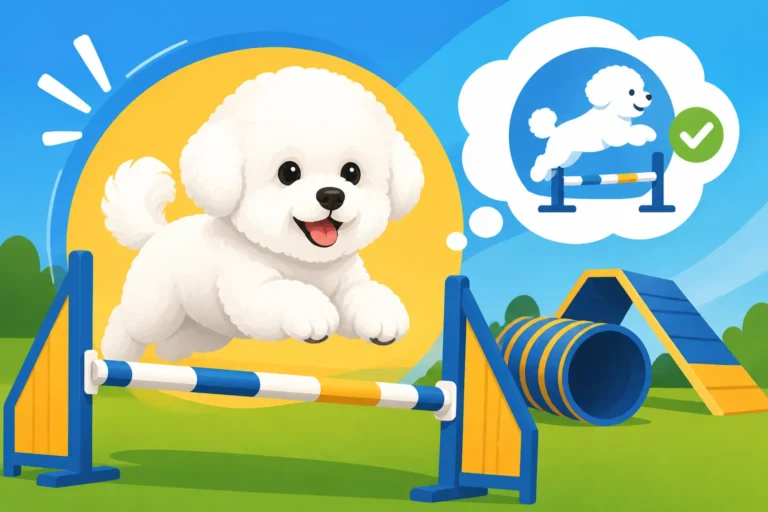
Bichon Frise agility training provides physical and mental benefits for these intelligent, nimble, and surprisingly athletic dogs.
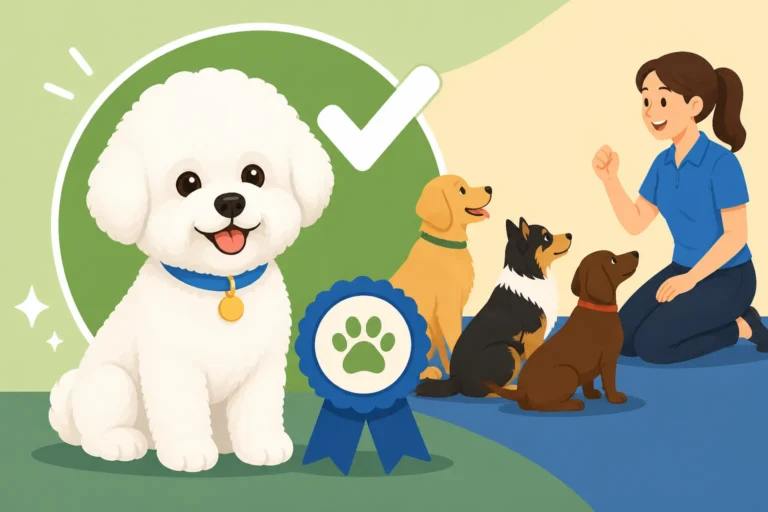
Bichon Frise behavior in group obedience classes, covering distractions, barking tendencies, and stubborn streaks during training sessions.

Short training sessions for a Bichon Frise prevent boredom and match the joyful, easily distracted attention span of the breed.

Bichon Frise stubbornness stems from intelligence, independence, and sensitivity, explaining training challenges and small bladders.

Bichon Frise learning speed depends on breed traits, motivation, age, and short five-minute training sessions given multiple times daily.

Bichon Frise training motivation depends on whether individual dogs prefer food rewards or enthusiastic praise and affection.

Bichon Frise food guarding behavior, subtle warning signs like freezing, and gentle methods to ensure calm and safe meal times.

Bichon Frise lap guarding behavior stems from natural instincts, while early socialization and positive training help address the habit safely.
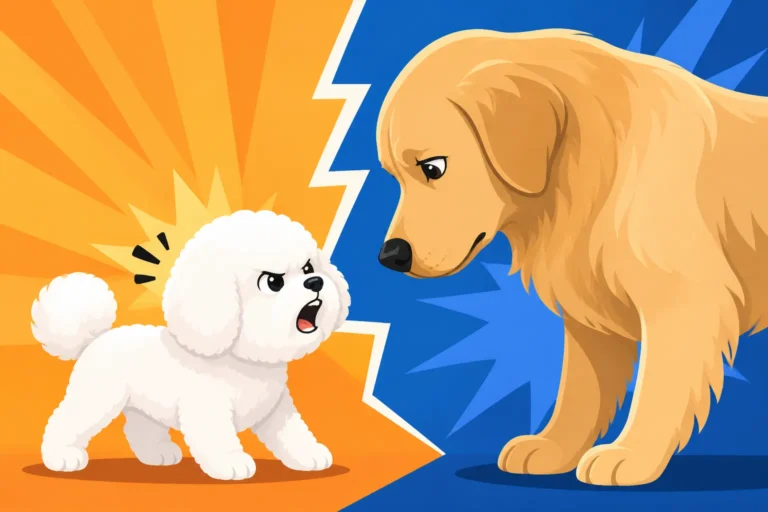
Bichon Frise growls at larger dogs because of fear, insecurity, or a lack of early socialization with varied breeds of canines.
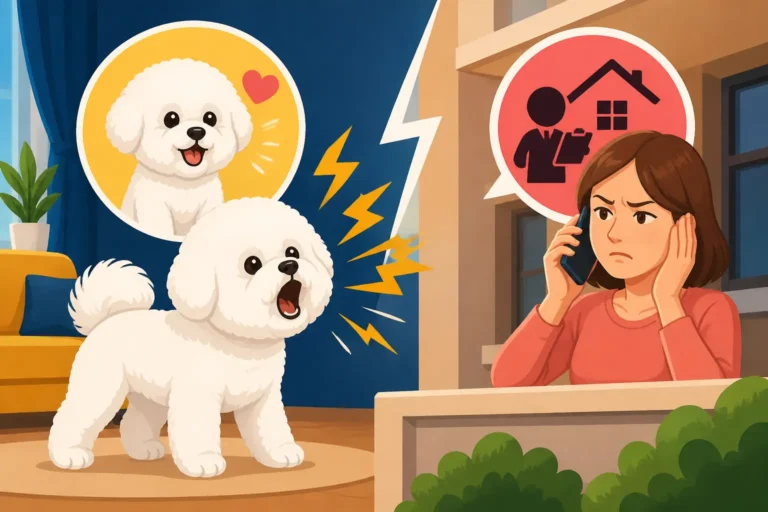
Bichon Frise barking triggers, apartment noise complaints, and practical steps help owners prevent neighborhood disturbance issues.