Whether a Bichon Frise Is Easy to Train
Bichon Frise training details, including intelligence, a merry disposition, and stubborn independence during obedience sessions.
Work with the temperament you have.
House-training and crate work, recall, leash manners, separation anxiety, and the behaviors this breed is wired for.
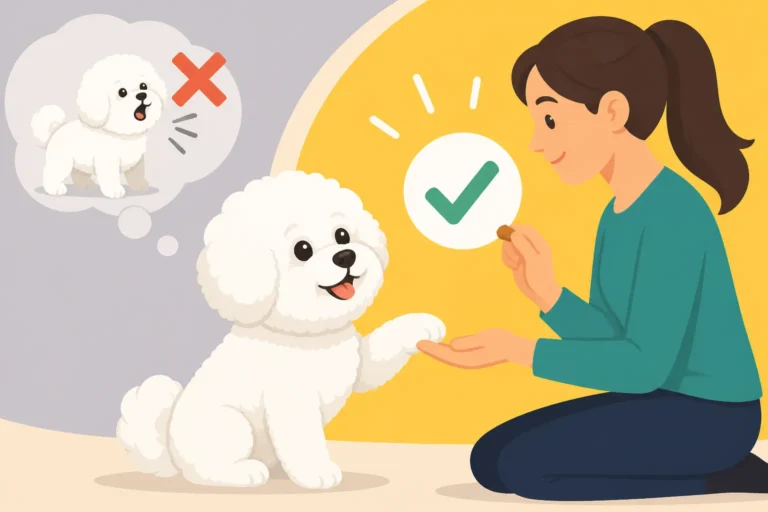
Bichon Frise training details, including intelligence, a merry disposition, and stubborn independence during obedience sessions.

Bichon Frise motivation methods explain how treats, toys, and positive attention improve training for this sensitive breed.

Children can accidentally injure delicate Bichon Frises, so parents learn specific vulnerabilities and strategies for safe pet interactions.
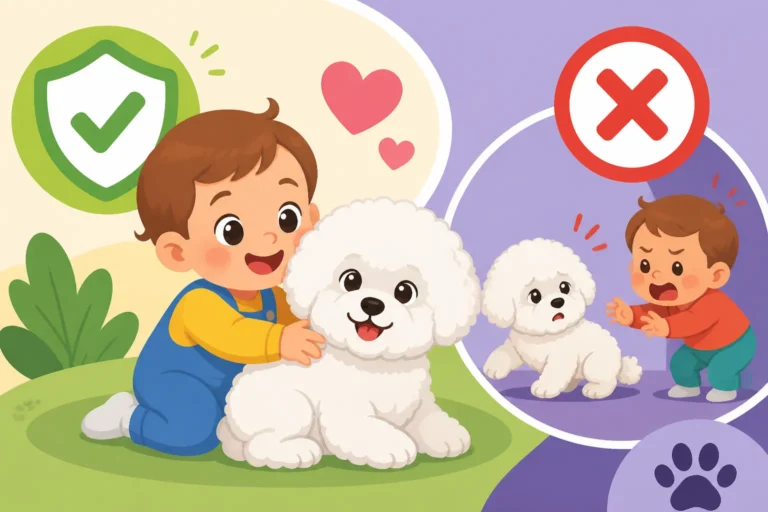
Bichon Frise safety around toddlers involves understanding small dog sensitivity, fragile size, and unpredictable child behavior.
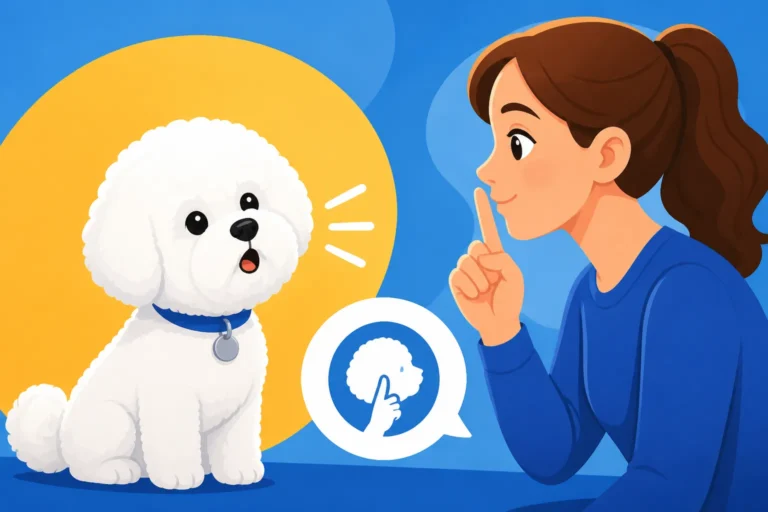
Teaching a Bichon Frise a quiet cue stops excessive barking triggered by the doorbell, mail carrier, and delivery people.
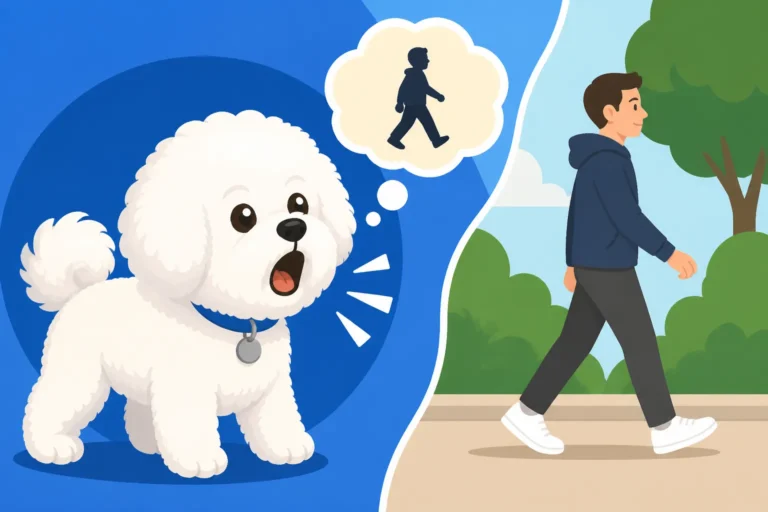
Bichon Frise window barking stems from territorial instincts, boredom, or anxiety, and owners can learn management strategies.
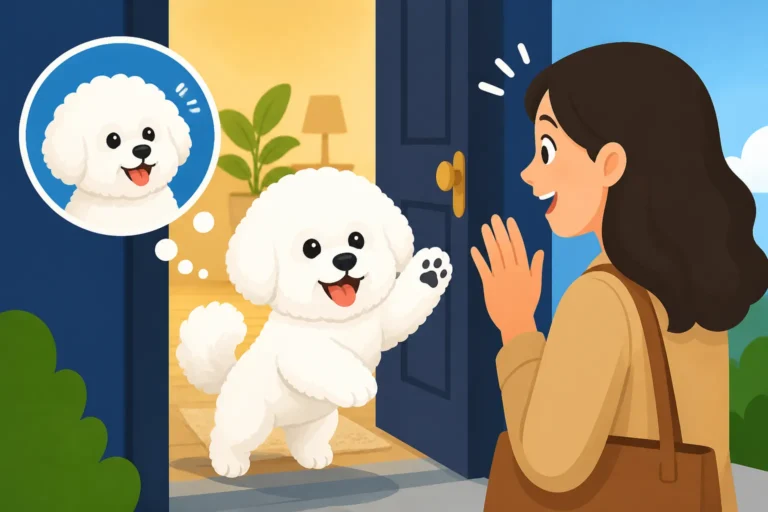
Bichon Frise greeting behavior stems from a naturally sociable breed standard, explaining why they enthusiastically welcome every visitor.

Bichon Frise playfulness in senior dogs, explaining health impacts, environmental adjustments, and maintaining energy into old age.
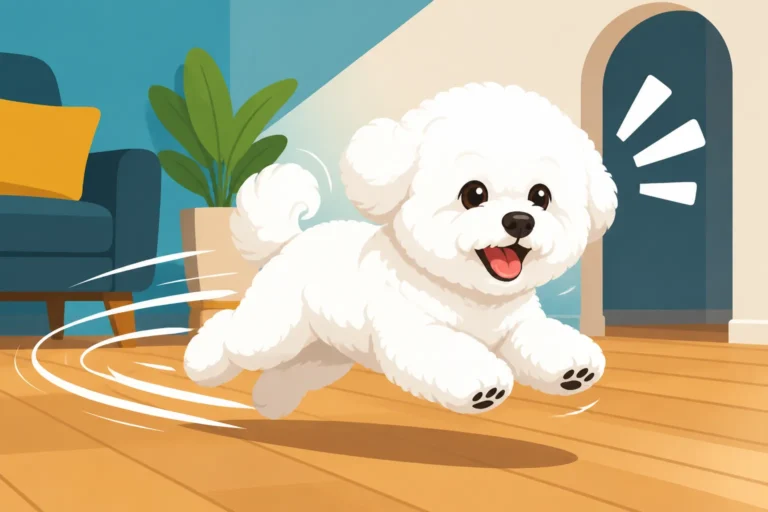
Bichon Frise energy bursts known as the Bichon Blitz or FRAPs explain why these dogs race around houses after baths and long naps.

Bichon Frise aloofness contradicts official breed standards and signals underlying physical discomfort or emotional distress in the dog.