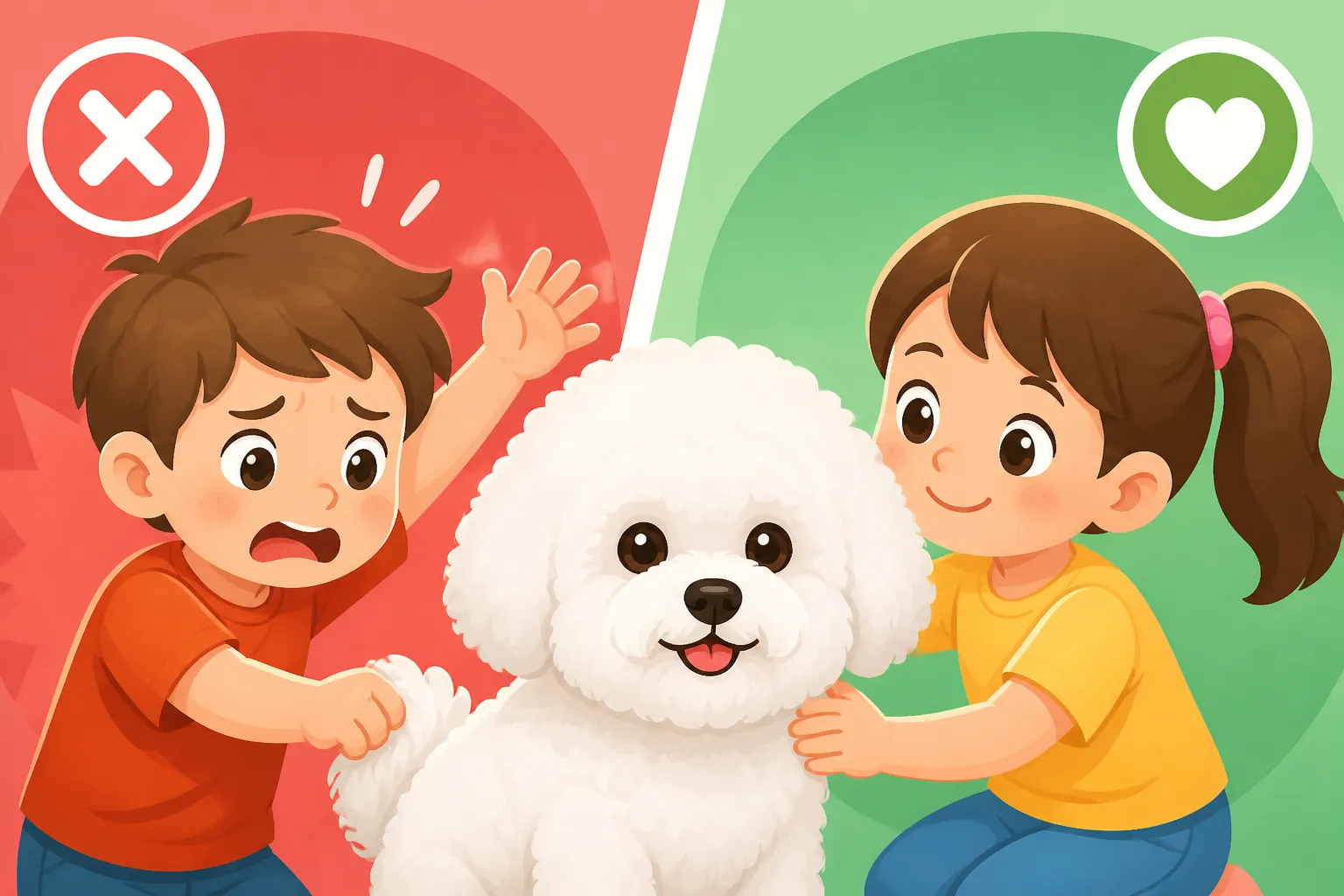
Whether a Child Can Injure a Bichon Frise
It’s a heart-wrenching thought for any pet parent: could your beloved Bichon Frise, so full of life and joy, accidentally be injured by the children in your home? The reality is that these fluffy, adorable companions, while sturdy in spirit, are physically delicate, and even the most well-meaning child can inadvertently cause harm. This comprehensive guide will walk you through the specific vulnerabilities of a Bichon, common scenarios where injuries can occur, and most importantly, equip you with practical strategies to foster a safe and loving environment for both your Bichon and your children.
The Physical Delicacy of a Bichon Frise
Bichon Frises are small, compact dogs, and their physical build, while charming, makes them inherently more susceptible to certain types of injuries, especially when interacting with larger, less coordinated beings like young children. Understanding these vulnerabilities is the first step in prevention.
Small Size and Fragile Bones
One look at a Bichon Frise, and you see a fluffy cloud of happiness, but beneath that cloud is a surprisingly small frame. Adult Bichons typically weigh between 12 to 18 pounds, and their bones are proportionately fine. Unlike larger, more robust breeds, they don't have the sheer mass or bone density to withstand significant impact. A toddler stumbling or falling onto a Bichon, or even an older child picking them up incorrectly, can lead to serious consequences. We're talking about potential fractures in legs, ribs, or even the spine, which are incredibly painful and require extensive, often costly, veterinary intervention. This isn't to say your Bichon is made of glass, but their diminutive stature demands a level of mindful interaction that might not be necessary with a sturdy Labrador.
Vulnerable Joints and Patella Luxation
Bichon Frises are unfortunately predisposed to certain orthopedic conditions, with patellar luxation being a prime example. This is where the kneecap slips out of place, causing pain and lameness. Even a minor jolt or awkward landing can exacerbate an existing mild luxation or even cause one in a previously sound joint. Imagine a child attempting to pick up your Bichon by grabbing a leg, or dropping them suddenly; the twisting motion or impact could easily lead to a kneecap popping out. Even enthusiastic play, like jumping off furniture (which we generally advise against for these little ones), can strain these delicate joints. Ensuring children understand how to handle dogs, especially smaller breeds, can significantly mitigate these risks and help protect those precious knees. For more on this, you might find Slipping Kneecaps in a Bichon Frise and The Age a Bichon Frise's Kneecap First Slips insightful.
Delicate Head and Neck
A Bichon’s head and neck area are particularly vulnerable. Their small skulls offer less protection compared to larger breeds, and a child’s accidental bump or fall could result in head trauma. Furthermore, their necks are not built to withstand sudden pulls or jerks. While this is more often a concern with leashes and collars, it also applies to a child attempting to pull the dog by the collar or grabbing at their head during play. Even seemingly innocuous actions, like a child tugging on their ears or hair around the face, can cause distress and potential injury to delicate structures like eyes or inner ears, which are also often trouble spots for Bichons.
Common Ways Children Unintentionally Injure Bichons
It’s rare for a child to intend to hurt a dog. Most injuries stem from a lack of understanding about a Bichon’s fragility, coupled with a child’s natural exuberance and developing coordination. Recognizing these common scenarios can help you preemptively prevent them.
Rough Handling and Drops
Children, especially toddlers and preschoolers, are still learning about their own strength and how to interact gently. To them, a fluffy Bichon might feel like a living, breathing teddy bear. They might try to pick the dog up by the head, limbs, or midsection, squeezing too tightly or losing their grip, leading to a fall. Drops are a leading cause of fractures, concussions, and internal injuries in small dogs. A child might also try to "hug" the dog with too much force, potentially restricting breathing or causing chest injuries. It's vital for parents to supervise all interactions closely and teach children appropriate ways to touch and hold the dog, always supporting their body fully.
Accidental Steps or Falls
In a busy household, accidents can happen in a split second. A Bichon, with its small size and often quiet demeanor, can easily be underfoot. A child running through the house, distracted by a toy or a game, might not see the dog and accidentally trip over it, or worse, step directly on it. This can result in crushed paws, fractured ribs, or even more severe internal trauma if a child falls on top of them. Similarly, a child simply getting off a couch or chair without looking could inadvertently land on a sleeping Bichon. This highlights the importance of teaching both children and the dog spatial awareness and creating safe zones where the Bichon can retreat without risk of being trodden on.
Over-Excitement and Lack of Boundaries
Children and dogs often share a similar level of enthusiasm, which can be wonderful but also dangerous. A child might get overexcited during play, chasing the Bichon, pulling its tail, or throwing toys too hard. The Bichon, in turn, might respond with its own bursts of energy, like the "Bichon Blitz," which while endearing, can increase the risk of collision or accidental injury during frantic movement. A lack of clear boundaries – both for the child in how they interact and for the dog in understanding what behavior is acceptable – can lead to a chaotic environment where injuries are more likely. This is where consistent training for both parties really shines.
Preventative Measures and Safe Interactions
Creating a harmonious and safe environment for your Bichon Frise and your children requires proactive measures. It's about setting up successful interactions rather than reacting to problems.
Constant Supervision and Intervention
This is, without a doubt, the most critical preventative measure. When children and Bichons are together, an adult should always be present and actively supervising. This isn't just about being in the same room; it means observing their interactions and being ready to intervene immediately if play becomes too rough or if the dog shows signs of stress. Think of yourself as a referee, gently guiding interactions and stepping in when necessary. If you can't actively supervise, it's best to separate them. This might mean using baby gates or crating your Bichon in another room. Never rely on a child to be solely responsible for the dog's safety or their own.
Early Socialization and Training for the Dog
A well-socialized and well-trained Bichon is better equipped to handle the unpredictable nature of children. Early exposure to children in a positive, controlled manner can help your Bichon learn that kids are not a threat. Training basic commands like "sit," "stay," "down," and "leave it" is invaluable. A "place" command, teaching your dog to go to a designated spot, can be a lifesaver when things get too boisterous. Consider online training programs like those offered by BAXTER & Bella, which provide structured guidance for puppy training and behavior, including how to prepare your dog for life in a busy family. A confident, well-behaved Bichon is less likely to panic or react negatively to a child's sudden movements. Conversely, a fearful or unsocialized dog is more prone to snapping or biting if feeling threatened, which could also lead to a child reacting in a way that harms the dog.
Physical Barriers and Safe Zones
Setting up physical barriers is a non-negotiable strategy, especially with young children. Baby gates are fantastic for separating areas of the home, allowing your Bichon to have quiet time away from rambunctious play. A playpen for your Bichon, or even a crate (properly introduced as a safe haven, not a punishment), can provide a secure retreat. This gives your dog a place where they know they won't be bothered, crucial for their mental well-being and physical safety. You can find a wide range of effective and sturdy gates and playpens on platforms like Amazon, offering different styles to suit your home. Remember, a safe zone isn't just about preventing injury; it's about providing your dog with a sense of security and control, reducing stress. For more insights into creating such a space, check out What a Crate and Playpen Cost a Bichon Frise Owner.
Teaching Children How to Interact Safely
It’s not enough to manage the dog; you also need to educate the children. Teaching kids how to respectfully and safely interact with your Bichon Frise is an ongoing process, but it’s one of the most important investments you can make in their relationship.
Modeling Gentle Behavior
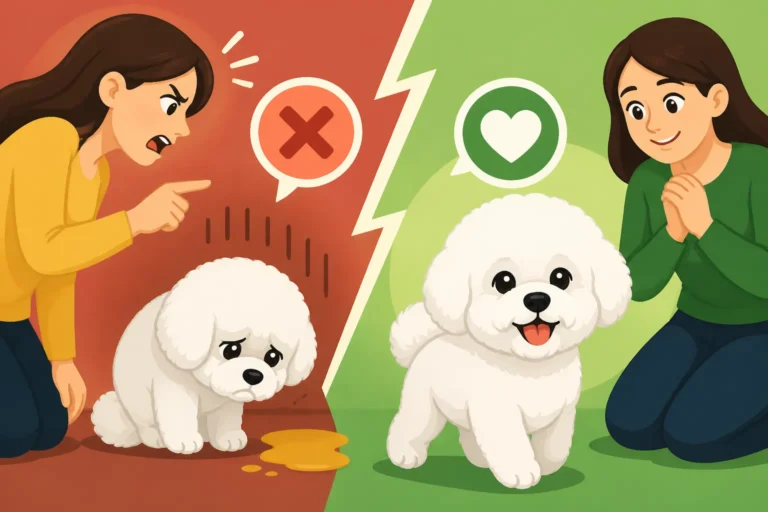
Children learn by example. If they see you being gentle, calm, and respectful with your Bichon, they are far more likely to mimic that behavior. Show them exactly how to pet the dog gently, using an open hand, stroking their back or chest, rather than grabbing at their face or tail. Demonstrate how to approach the dog slowly and quietly. Talk in a soft voice around the dog, and encourage calm movements. When you pick up your Bichon, show them how you support the dog’s chest and hindquarters, making them feel secure. Make it clear that yelling, running, or sudden movements near the dog are not acceptable. Consistent modeling reinforces the kind of interaction you want to see.
Establishing Clear Rules and Consequences
Every household with children and pets needs clear, non-negotiable rules. These rules should be simple enough for children to understand and consistently enforced by all adults.
Here are some examples of essential rules:
- No running or yelling around the dog.
- Always ask permission before petting the dog, even if it's "your" dog. This teaches respect for boundaries.
- No disturbing the dog while it's eating, sleeping, or in its crate/bed. This is a sacred rule.
- No pulling ears, tail, or fur.
- Always pet gently, never hit or poke.
- No picking up the dog without an adult's help and permission, especially for younger children.
- Share toys – don't grab dog toys, and teach children which toys are theirs and which are the dog's.
Explain the why behind the rules: "We are gentle with Fido because he is small and his bones are delicate, just like your baby doll." Consequences for breaking rules should be consistent and appropriate, such as a time-out from playing with the dog.
Understanding Dog Body Language
Teaching children to understand basic dog body language is a powerful tool for preventing incidents. Even young children can learn to recognize a few key signals.
Signs your Bichon needs space or is uncomfortable:
- Turning head away or avoiding eye contact.
- Lip licking or yawning (when not tired).
- Tucked tail.
- Flattened ears.
- Stiff body posture.
- Growling or snarling (this is a serious warning – intervention needed immediately).
- Hiding or trying to get away.
Explain that if the dog shows these signs, it means they are feeling "scared" or "unhappy," and it’s time to give them space. Teach children to "be a tree" (stand still, hands at sides, look away) if a dog seems stressed or approaches them too boisterously. Emphasize that these are the dog's ways of communicating, and children need to listen. This knowledge empowers children to be responsible and empathetic pet owners.
Creating a Safe Space for Your Bichon Frise
Beyond direct supervision and training, structuring your home environment to provide sanctuary for your Bichon is crucial for their long-term safety and well-being.
Dedicated Retreat Areas
Every Bichon Frise in a home with children should have at least one designated "safe space" where they can retreat and be completely undisturbed. This might be a cozy dog bed in a quiet corner of a room, a crate in a den, or even a specific part of the house blocked off by a baby gate. The key is that this space is strictly off-limits to children when the dog is in it. Teach your children that when the dog is in its bed or crate, it means "leave me alone." This is not just about physical safety, but also mental well-being. Knowing they have a safe haven reduces anxiety and stress for your Bichon, making them a more relaxed and resilient companion. This is particularly important after a busy day or during times when children are especially active.
Managing Playtime and Energy Levels
Both children and Bichons can have bursts of energy, and managing these can prevent accidental collisions or overstimulation. Schedule specific, supervised playtime sessions between your children and your Bichon, focusing on calm, structured activities rather than chaotic running around. This could include gentle fetch with soft toys, practicing tricks for treats, or a calm grooming session. Encourage games that don't involve a lot of chasing or roughhousing. If your children are very energetic, ensure your Bichon has had its own exercise earlier to burn off some steam, or separate them until the children have settled down. The "Bichon Blitz" is a real thing, where they zoom around, and while cute, it's a prime time for accidental bumps if children are also running. Understanding The Bichon Blitz and What It Means can help you predict and manage these energy bursts.
Using Crates or Playpens Effectively
Crates and playpens are not just for puppies; they are invaluable tools for adult Bichons, especially in homes with children. When used correctly – as a comfortable, den-like space, never for punishment – a crate provides a secure retreat. It's a place where your Bichon can eat their meals in peace, nap undisturbed, or simply chill out away from the commotion of children. Playpens offer a larger, contained area for your Bichon to move around, play with toys, and feel secure, while still being able to see and hear the family. This is incredibly useful for times when you can't offer 100% active supervision, such as when you're cooking dinner, on a phone call, or when the kids have friends over. Introducing these tools positively from a young age, perhaps with a treat or a favorite toy, will help your Bichon view them as safe and comforting spaces. Many affordable and well-designed options for crates and playpens are available online, including on Amazon, allowing you to choose what best fits your home and dog's needs.
Recognizing Signs of Stress or Injury in Your Bichon
Despite all precautions, accidents can happen. Knowing what to look for can help you identify a problem early and get your Bichon the care they need. Early intervention can make a significant difference in recovery.
Behavioral Changes to Watch For
A Bichon in pain or under stress will often communicate through changes in their behavior. It’s crucial to pay attention to these subtle cues.
Watch for:
- Withdrawal or hiding: If your normally social Bichon starts to seek solitude, hide under furniture, or avoids interaction, this is a red flag.
- Lethargy or decreased activity: A sudden drop in energy levels, reluctance to play, or difficulty getting up or lying down can indicate pain.
- Loss of appetite or thirst: Any significant change in eating or drinking habits should be noted.
- Aggression or fear: A normally friendly Bichon might snap, growl, or shy away if they are in pain or have become fearful due to a negative interaction. This is particularly important to recognize to prevent future incidents. You can learn more about how discomfort might influence behavior in Whether an Itchy Bichon Frise Bites When Handled.
- Changes in toilet habits: Accidents in the house, increased frequency of urination, or straining could indicate a urinary issue or general discomfort.
- Excessive licking or chewing: If your Bichon repeatedly licks or chews a specific body part, they might be trying to soothe pain in that area.
These changes, even subtle ones, warrant close observation and potentially a vet visit.
Physical Symptoms of Pain or Discomfort
Sometimes, the signs are more overtly physical. Doing a gentle "once-over" of your Bichon regularly can help you spot issues.
Look and feel for:
- Limiting or lameness: Any limping, favoring a limb, or reluctance to bear weight.
- Swelling or bruising: Check legs, joints, and the abdomen for any unusual swelling, heat, or discoloration.
- Whimpering or yelping: Vocalization of pain, especially when touched or moved.
- Changes in posture: A hunched back, stiff gait, or reluctance to move their head or neck can indicate spinal or muscular pain.
- Visible injuries: Cuts, scrapes, or areas of missing fur that weren't there before.
- Difficulty breathing: Labored breathing or panting without exertion could be a sign of internal injury or distress.
If you notice any of these physical symptoms, especially after a potential incident, it’s time to act quickly.
When to Seek Veterinary Attention
If you suspect your Bichon Frise has been injured, even if you’re unsure of the severity, it is always best to err on the side of caution and contact your veterinarian immediately. Don't wait to see if things improve, especially with small dogs where internal injuries might not be immediately obvious.
Immediate veterinary attention is required for:
- Any suspected fracture or severe lameness.
- Repeated vomiting, diarrhea, or straining.
- Difficulty breathing or collapse.
- Signs of head trauma, such as disorientation, unequal pupils, or seizures.
- Persistent pain vocalization.
- Inability to urinate or defecate.
Be prepared to provide your vet with as much detail as possible about what happened, when it occurred, and any symptoms you've observed. Your vet will conduct a thorough examination, which may include X-rays, blood tests, or other diagnostics to pinpoint the injury and recommend the appropriate treatment. Addressing injuries promptly is vital for your Bichon's recovery and long-term health.
| Interaction Type | Safe Practices with Children | Unsafe Practices to Avoid | Potential Bichon Injury Risks |
|---|---|---|---|
| Petting | Gentle strokes on back/chest; open palm; supervised | Grabbing, poking, pulling fur/ears/tail; hitting | Eye injury, ear pain, skin irritation, fear-biting, soft tissue injury |
| Holding/Lifting | Adult supervises; child sits on floor; support chest & hindquarters; dog offers to come | Picking up by limbs, neck, or midsection; dropping dog; squeezing too tightly | Fractures (limbs, ribs, spine), internal organ damage, patellar luxation, head trauma |
| Playing | Gentle fetch with soft toys; 'find the treat'; supervised, calm interaction | Roughhousing, chasing, throwing hard objects, sudden movements, running around dog | Collisions, being stepped on, joint sprains/luxations, soft tissue injury |
| Boundaries | Dog has safe, quiet retreat (crate/bed); children respect space; adult supervises all interaction | Disturbing dog while eating/sleeping; no designated safe space; unsupervised interaction | Stress, anxiety, fear-biting, accidental falls/steps, territorial aggression |
| Child Behavior | Calm, quiet voice; slow movements; asks permission; understands dog body language | Yelling, screaming, running, jumping near dog; ignoring dog's warning signals | Increased stress, fear, fight/flight response, exacerbation of health issues |
| Dog Training | Basic obedience (sit, stay, place); positive reinforcement; socialization to children | Untrained dog; fearful or aggressive dog; inconsistent boundaries | Inability to cope with child's presence, increased risk of negative interactions |
Disclaimer
This article is for general informational purposes only and does not constitute professional advice. Laws, prices and regulations vary by location and change over time. Consult a qualified professional for guidance on your specific situation.